Pedals, Paddles, and Price Tags: The No-Nonsense Guide to Picking a Fishing Kayak
Finding Your Perfect Platform
There is a common misconception that the most expensive fishing kayak is the best one. In reality, the best kayak is the one that actually gets you on the water. Whether you are targeting shallow-water bass in protected ponds or trolling deep reservoirs for walleye, your choice of watercraft dictates your entire experience. At Buckeye Hunter Hub, we believe that understanding your personal fishing habits is the first step toward a successful purchase. Before you drop a few thousand dollars on a rig, you need to understand the fundamental tradeoffs of modern kayak design.
Get in the Community feed
Hunters and anglers nationwide posting bucks, catches, trail cam pics and what's working right now.


The Great Debate: Paddle vs. Pedal
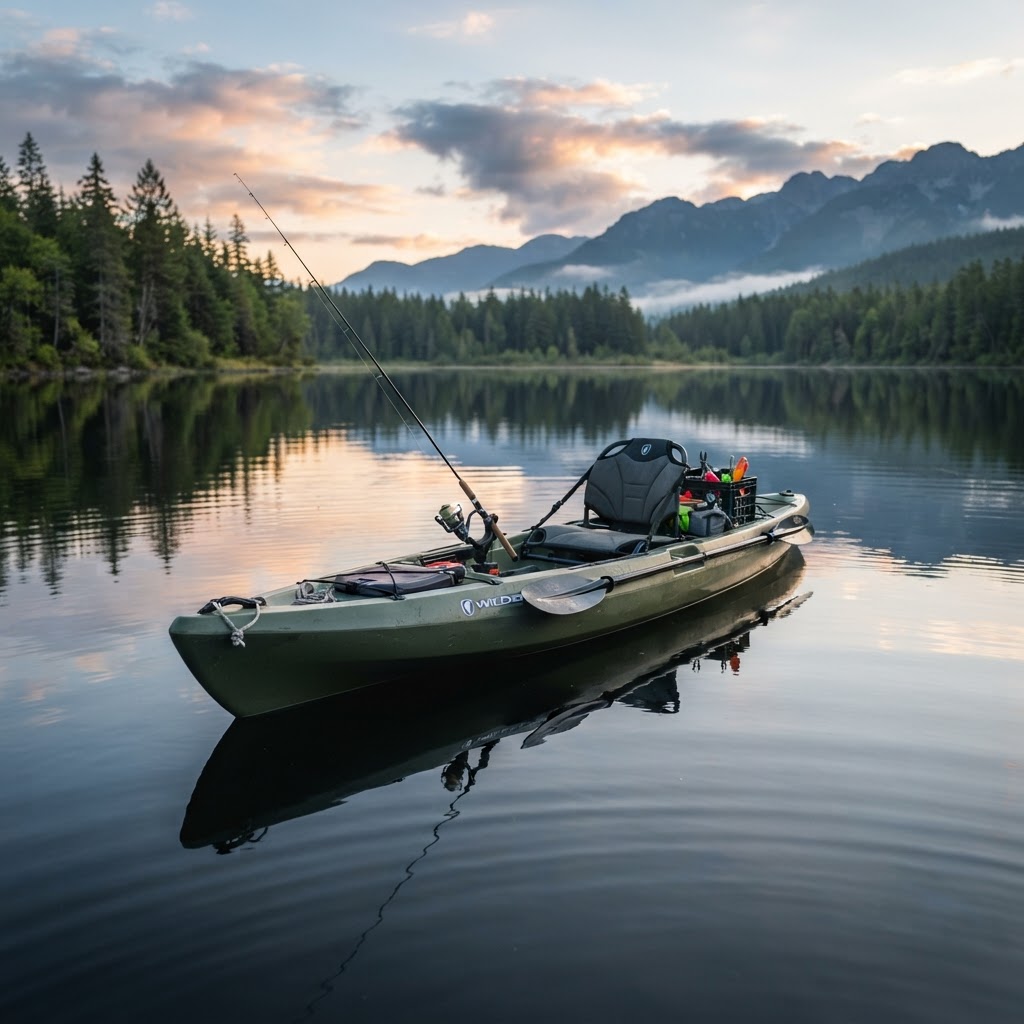
The most significant decision you will face is propulsion. Traditional paddle kayaks are lighter, cheaper, and require less maintenance. If you frequent small, tight streams or hike-in lakes, a lightweight 10-foot paddle kayak is often superior to any high-tech pedal machine. They are easy to transport on a roof rack and offer a simple, stealthy approach to shallow water.
However, pedal-drive systems have revolutionized the sport for a reason. By keeping your hands free to manage your fishing rod, you can maintain position in current or wind while actively working a lure. If you are interested in or trolling, having your hands free is a game changer. The downside? Pedal kayaks are significantly heavier, more expensive, and require a trailer or a robust cart system. You also have to consider the draft—propeller drives require more depth than a paddle-powered boat, which might limit you in extremely shallow marshlands.
Stability vs. Speed
Raise a safe, confident young hunter.
Guide your kids ages 5–17 through interactive hunting safety missions, real decision drills, and earned trophies — all from one free parent account.




Every kayak is a compromise between stability and efficiency. A wide, flat-bottomed kayak with a high-seat position is incredibly stable, allowing you to stand and sight-fish with ease. These are effectively floating platforms, perfect for calm lakes. The trade-off is speed and wind resistance. A wide hull catches the wind like a sail, making it physically exhausting to paddle across large expanses of open water on a gusty day.
On the other hand, longer, narrower kayaks cut through the water with minimal effort, providing better tracking and speed. These are ideal for anglers covering long distances, but they can feel "tippy" to beginners. Before committing to a hull shape, look up the for your region to see the type of water you will be frequenting most often. If your local waters are large, exposed reservoirs, prioritize tracking. If you are fishing small, protected creeks, prioritize maneuverability.
Storage and Rigging
A fishing kayak is essentially a tool shed on water. Look for integrated track systems that allow you to mount rod holders, fish finders, and camera gear without drilling holes into the hull. Always check the weight capacity, and be realistic: remember to include the weight of your body, your gear, your battery, and your tackle. A boat loaded to its maximum capacity will sit low in the water, making it sluggish and harder to maneuver.
Before you head out, don't forget to check our to see if the launch points near you are suitable for the kayak you are considering. Some remote launches require a long carry, which will immediately make you regret buying a 120-pound pedal boat.
The Budget Reality
It is easy to get caught up in the "gear lust" of the latest fishing tech. However, a mid-range kayak with a high-quality seat is often a better investment than a top-tier hull with a poor seating position. You will spend hours sitting in that chair; if your back gives out, your day is over, regardless of how many rod holders you have.
If you are on a budget, consider the pre-owned market. Many anglers trade up every few years, and you can often find high-end kayaks with thousands of dollars in aftermarket upgrades for a fraction of the original MSRP. Just ensure the hull is free of deep gouges or cracks and that the drive system functions smoothly.
Safety and Legal Considerations
No matter what you buy, safety is non-negotiable. Always familiarize yourself with the U.S. Coast Guard’s regulations regarding personal flotation devices (PFDs) and navigation lights. If you are fishing in areas with boat traffic, a high-visibility flag and a whistle are essential. For those wanting to keep track of their successes and share their setups with the community, feel free to post your latest rig and catch in our .
Ultimately, the "right" kayak is the one that gets you out of the house and onto the water. Don't be afraid to rent different models at local outfitters before pulling the trigger. The water is waiting, and having the right boat under you will make every cast count.
Catch more these fish — free
Create a free account and unlock the full angling toolkit: