Mastering the Cast: A Beginner’s Guide to Choosing Your First Baitcasting Reel
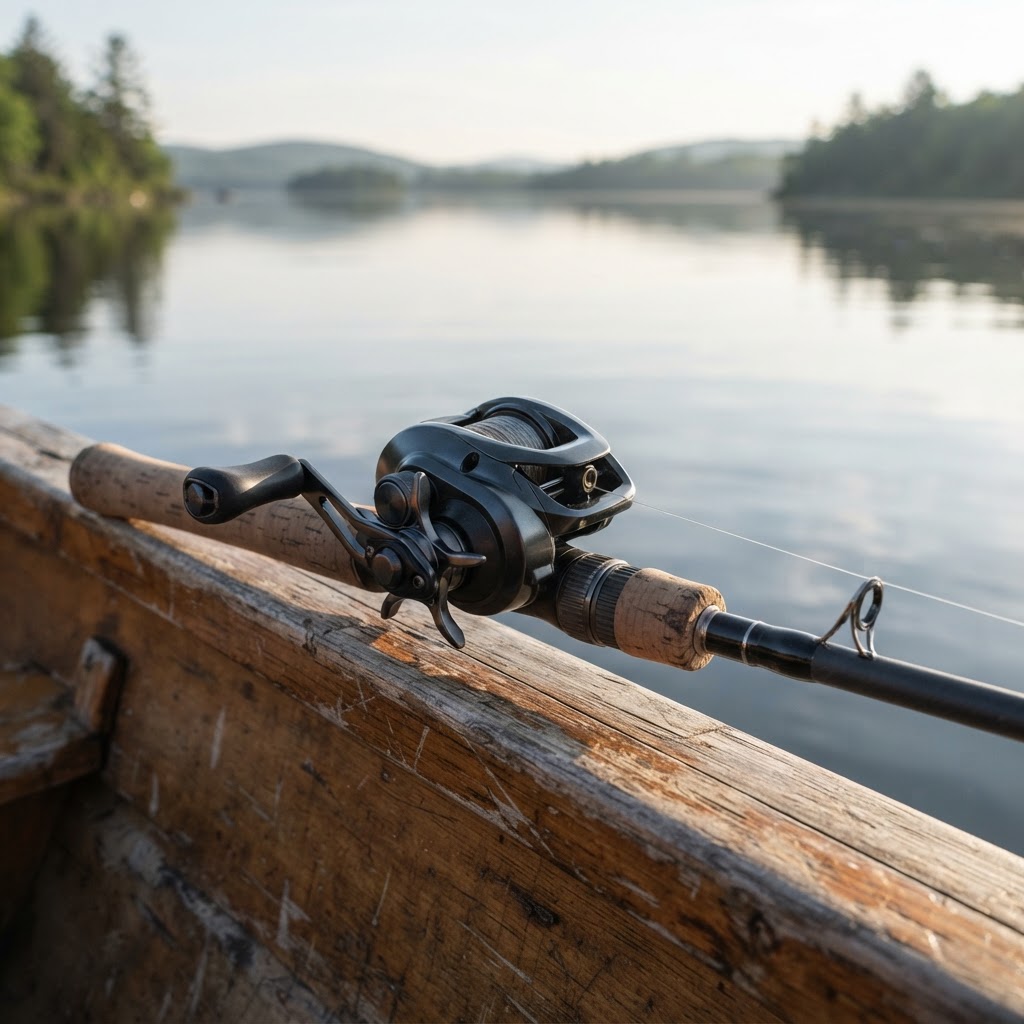
Stepping up to a baitcasting reel is often seen as the moment an angler transitions from a casual weekend warrior to a serious enthusiast. There is something inherently satisfying about the precision and control offered by a well-tuned baitcaster. However, the learning curve is real. At Buckeye Hunter Hub, we see many anglers get frustrated by backlashes and quickly retreat to the comfort of their spinning rods. This guide is designed to help you navigate your first purchase so you can spend less time picking out tangles and more time feeling the strike. ## Why Choose a Baitcaster? Unlike spinning reels, where the line peels off a stationary spool, a baitcaster’s spool rotates as you cast. This allows for superior casting accuracy and better leverage when fighting heavy fish in thick cover. If you plan on flipping jigs, punching mats, or throwing larger lures for trophy bass, a baitcaster is mandatory. The increased gear ratios and sturdy frame allow for a faster retrieve, which is crucial when working topwater lures or buzzbaits. Before you buy, we recommend checking your to see what kind of water you will be targeting most often; different terrains demand different reel specs. ## Understanding Gear Ratios When you look at baitcasting reels, you will see numbers like 6.4:1 or 8.1:1. This represents the gear ratio—how many times the spool turns for every one turn of the handle. A 6:1 ratio is a versatile 'all-purpose' gear. It is slow enough for crankbaits but fast enough for general soft plastic work. If you are targeting faster species or fishing in high-current areas, check out the specific for your area to understand the behavior of your local game fish. ## Brake Systems: The Secret to Success The most common fear for beginners is the dreaded 'backlash' or 'bird's nest.' This happens when the spool spins faster than the lure is flying, causing the line to bunch up. Modern reels utilize two main types of braking systems to control this: ### Centrifugal Brakes These rely on small pins that push outward against a race as the spool spins. They are excellent for long-distance casting but require you to open the side plate to adjust them. They are generally more 'finicky' but offer a smoother feel for experienced casters. ### Magnetic Brakes These use a magnet to apply pressure to the spool, and they are usually adjusted by an external dial on the side of the reel. For a first-timer, we highly recommend a reel with a magnetic braking system. The ability to make micro-adjustments on the fly without taking the reel apart is a massive advantage when the wind picks up or you switch to a lighter lure. ## Practical Budgeting Advice We often tell our readers on that you don't need to spend $300 on your first setup. However, avoid the absolute cheapest 'combo' deals found in bargain bins. A reel that does not have a smooth, consistent drag system will make your learning curve significantly harder. Look for a reputable mid-range reel from a brand with a good service record. A decent entry-level baitcaster should cost between $80 and $130. At this price point, you get reliable internal gears and a braking system that actually functions, which is the key to minimizing frustration. For those looking for official regulations or species-specific bag limits, always consult the U.S. Fish and Wildlife Service before you head out to ensure your gear and practices align with federal guidelines. ## Final Tips for Your First Day 1. Practice with a heavier lure: Start with a 3/8 oz or 1/2 oz weight. Light lures are much harder to cast until you get the hang of your braking settings. 2. Spool it correctly: Never overfill the spool. Leaving a tiny gap at the edge of the spool reduces friction and improves casting distance. 3. The 'Drop Test': Tighten your tension knob until the lure falls slowly when you press the thumb bar. If it hits the floor and the spool keeps spinning, it’s too loose. 4. Use Mono for Learning: Fluoro and braid are great, but monofilament is much more forgiving and easier to untangle when you inevitably get a backlash. Transitioning to a baitcaster is a marathon, not a sprint. Take your time, focus on a smooth, rhythmic casting motion rather than raw power, and remember that even the pros get tangles occasionally. Once you master it, the increased sensitivity and control will make you wonder how you ever caught fish without one.
Get in the Community feed
Hunters and anglers nationwide posting bucks, catches, trail cam pics and what's working right now.


Catch more these fish — free
Create a free account and unlock the full angling toolkit: