
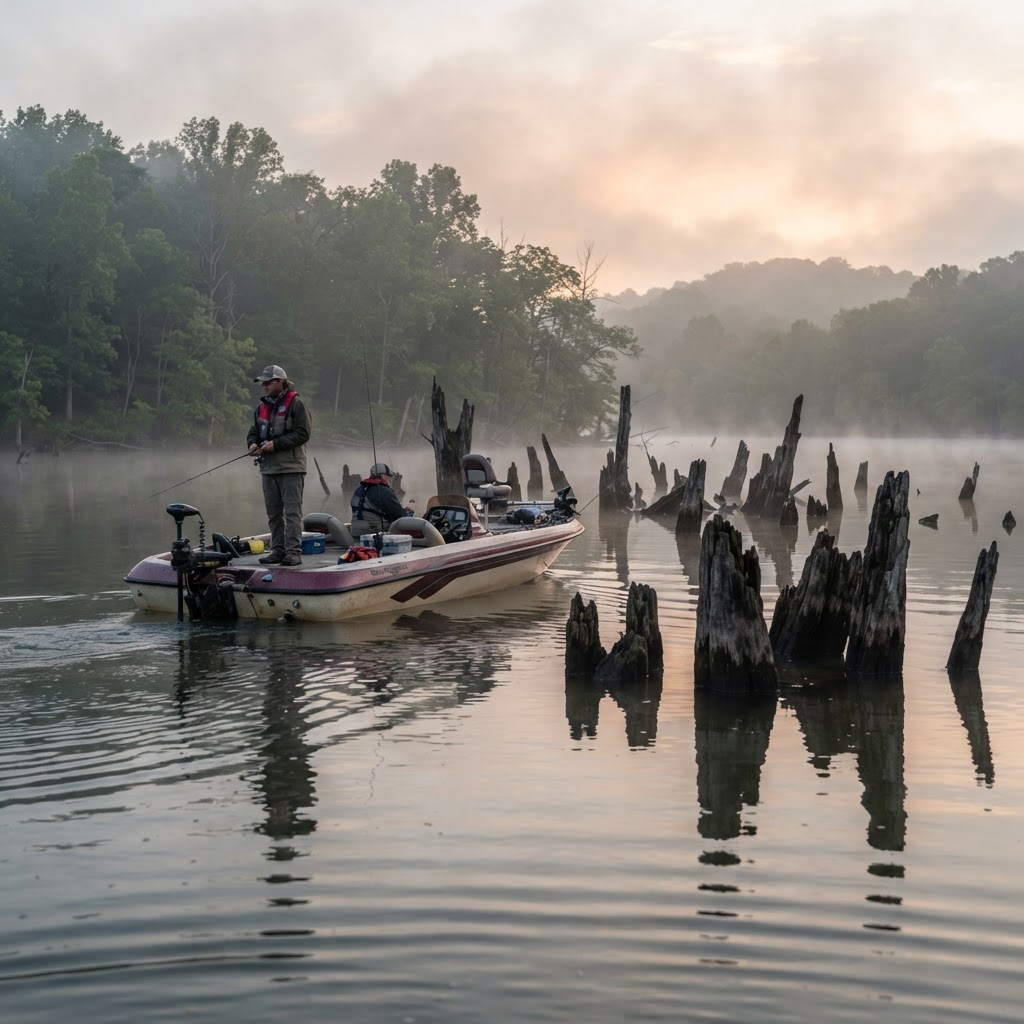
Hoosier State Waters: A Tactical Guide to Indiana’s Inland Fisheries
Navigating Indiana's Diverse Fishing Landscape
Indiana is often overlooked by anglers looking toward the Great Lakes or the deep South, yet the Hoosier State holds some of the most accessible and diverse freshwater fishing in the Midwest. Whether you are chasing prehistoric paddlefish in the southern rivers or targeting trophy-sized bluegill in a northern natural lake, success here requires an understanding of the state's unique geography. At Buckeye Hunter Hub, we believe that success starts with preparation, which is why utilizing our is the first step toward scouting your next successful outing.
Get in the Community feed
Hunters and anglers nationwide posting bucks, catches, trail cam pics and what's working right now.


The Seasonal Cadence of Indiana Fishing
To be a consistent angler in Indiana, you must respect the state's distinct four-season climate. As the ice recedes in late March, focus on the shallow flats of the larger reservoirs like Monroe or Patoka. Warming shallow water draws in baitfish, followed closely by pre-spawn largemouth bass and crappie. As the summer sun takes hold, the metabolism of these fish spikes, leading to aggressive feeding windows in the early morning and late evening.
Fall in Indiana is the time for transition. As water temperatures drop, fish move from their deep-water summer haunts toward the mouths of creeks and rocky points to feed in preparation for winter. This is arguably the best time of year to target smallmouth bass on the Tippecanoe River. For those needing guidance on local regulations before heading out, checking the official through the Indiana Department of Natural Resources (https://www.in.gov/dnr/fish-and-wildlife/) is a vital pre-trip ritual.
Top Species and Targeted Tactics

Youth Hunter Academy
Raise a safe, confident young hunter.
Safety missions for ages 5–17. Free parent account.
Largemouth and Smallmouth Bass
Indiana’s bass fishing is divided by latitude. The southern reservoirs are legendary for trophy largemouth, while the northern natural lakes and flowing rivers provide world-class smallmouth opportunities. For largemouth, a standard Texas-rigged soft plastic or a jig is a staple, but don't be afraid to throw topwater lures during the twilight hours. For river smallmouth, focus on current seams and rocky eddies, utilizing small crankbaits or tubes that mimic the local crayfish population.
The Panfish Pursuit
If you are looking for a consistent bite, Indiana’s crappie and bluegill populations are second to none. Many anglers find success by drifting live minnows under a slip bobber in 8 to 12 feet of water during the transition periods. If you want to see how the community is faring with their recent outings, check out the to see what colors and patterns are working for fellow anglers across the region.
Reservoir Giants: Striped and Hybrid Bass
For the angler who craves a drag-screaming fight, reservoirs like Brookville are the place to be. These waters are heavily managed for hybrid striped bass. The key here is electronics; finding the schools of shad is equivalent to finding the fish. Use deep-diving crankbaits or vertical jigging spoons once you mark the schools suspended over the reservoir's main channel drop-offs.
Mastering Indiana’s Public Waters
Indiana boasts hundreds of public access points, from state-managed lakes to sprawling river corridors. The White River and the Wabash offer extensive opportunities, but they require a tactical approach. During periods of high water, fish will tuck into flooded timber or tight against the bank to escape the main current. Conversely, during low-water summer months, focus your efforts on the deepest holes you can find, as these act as refuges for bass and catfish alike.
Essential Gear and Regulation Awareness
Success in Indiana doesn't require a boatload of specialized gear, but it does require versatility. A medium-action spinning setup is the workhorse of the Indiana angler. Spool up with 8-10 lb fluorocarbon line to handle the varying water clarities found in the state's rivers. If you are specifically targeting the rocky structures common in the northern lakes, a slightly heavier braid-to-fluoro setup will help you pull fish out of snag-heavy environments.
Always ensure you have your current Indiana fishing license on your person. The regulations regarding bag and size limits can vary significantly from one lake to the next, especially in state-managed waters where selective harvest is encouraged to promote trophy growth. Always read the posted signs at boat ramps, as they often contain information specific to that body of water that you won't find in the general rulebook.
Building Your Knowledge Base
As you begin to explore more of the state, remember that fishing is a lifelong learning process. Whether you are refining your casting technique or studying the latest trends on , the goal is to continuously add to your mental map of the local ecosystems. Indiana offers a rich, rewarding experience for the observant angler. By paying attention to seasonal patterns, water temperatures, and the specific needs of the species you are chasing, you can turn any day on a Hoosier lake into a memorable adventure.
Stay patient, keep your hooks sharp, and enjoy the beauty of Indiana’s waters. Whether you're standing on the bank of a local pond or launching your kayak into a sprawling reservoir, the next big catch is always just one cast away.
Free every morning
Your Daily Briefing
One morning forecast for the spots you actually hunt and fish: deer movement, waterfowl flights, bite times, wind and shooting light.
See what's in itSet up your briefing
Join free, save a spot on the map, then pick what you hunt and fish and when you want your email.
Catch more these fish — free
Create a free account and unlock the full angling toolkit: