
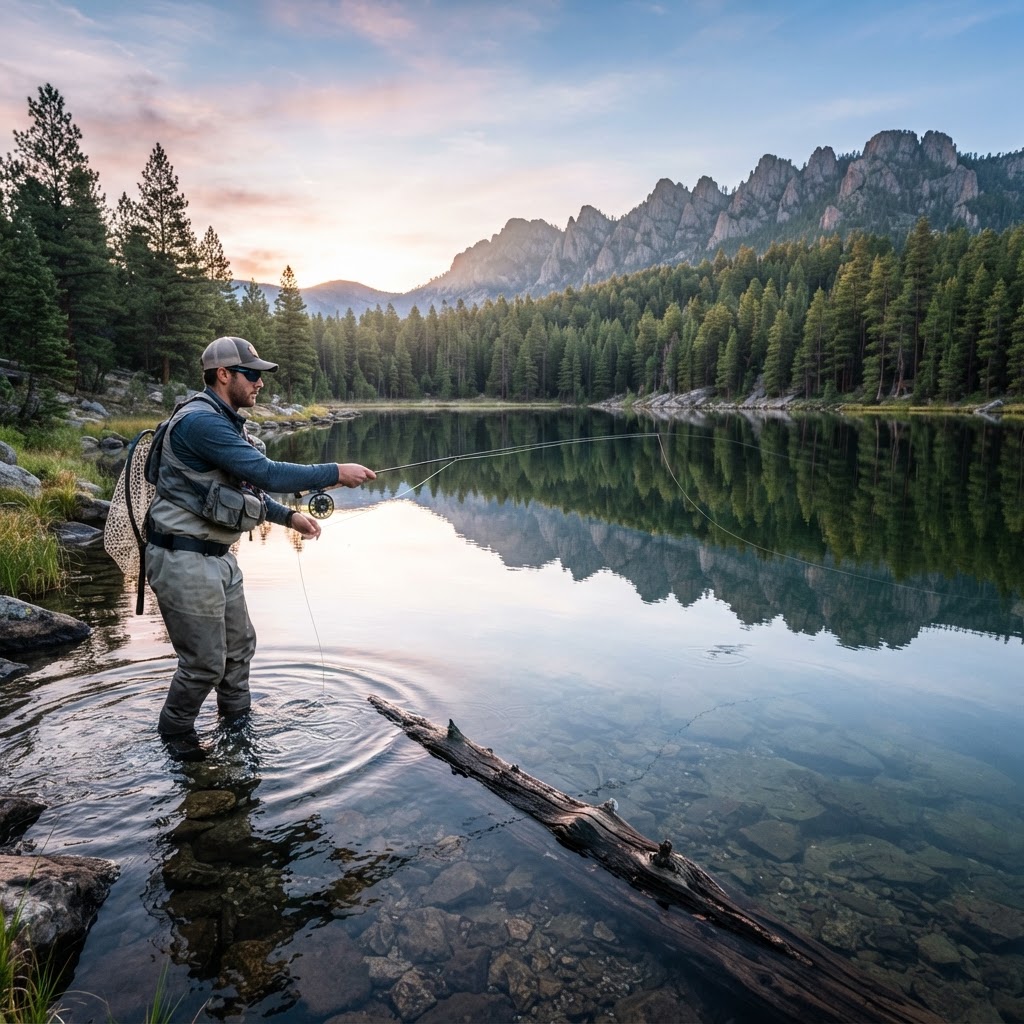
High Desert Angling: Navigating Arizona’s Unique Freshwater Fisheries
Introduction to Arizona Angling
When most people think of Arizona, they envision red rocks and cactus, not world-class fishing. However, for those of us at Buckeye Hunter Hub, the Grand Canyon State offers one of the most surprising and rewarding angling experiences in the American Southwest. Because of the extreme elevation changes—ranging from sea level along the Colorado River to the high-country forests above 9,000 feet—Arizona provides a unique climate for both cold-water and warm-water species. Whether you are chasing massive stripers or trophy trout, knowing the landscape is key to success.
Get in the Community feed
Hunters and anglers nationwide posting bucks, catches, trail cam pics and what's working right now.


The Landscape of Arizona Fishing
Arizona is defined by its massive reservoirs, many of which were created by damming the Colorado and Salt Rivers. Lakes like Roosevelt, Apache, and Pleasant serve as hubs for largemouth bass, while the high-mountain lakes in the White Mountains offer respite from the desert heat with brook, rainbow, and Apache trout. Navigating these vast bodies of water can be daunting, so we always recommend using a to identify submerged structure and contour changes before you even launch your boat.
Warm-Water Species: The Desert Titans
Largemouth bass are the primary focus for many Arizona anglers. The state’s reservoirs are known for producing heavy fish, particularly in the spring months. When the water begins to warm, focusing on rocky points and secondary breaks is essential. If you are struggling to find them, checking our can provide insights into what colors and techniques are producing fish in your area during specific times of the year.
Raise a safe, confident young hunter.
Guide your kids ages 5–17 through interactive hunting safety missions, real decision drills, and earned trophies — all from one free parent account.
Bonus: every $10 you spend in the BHH shop earns a free seat (up to 5). Use them or share them.




For those looking for a different kind of thrill, the Colorado River system, particularly Lake Havasu, holds a thriving population of striped bass. These fish travel in schools and can be aggressive feeders, making them perfect for topwater lures early in the morning.
High-Country Cold-Water Pursuits
When the summer sun hits the desert, it’s time to head north. Arizona’s high-country lakes are stocked regularly by the Arizona Game and Fish Department (AZGFD), which maintains a robust page to help you stay updated on stocking schedules and creel limits. Targeting Apache trout—the state fish of Arizona—is a bucket-list item for many fly anglers. These fish are typically found in the pristine, clear waters of the White Mountains and require a stealthy approach and light tippet.
Seasonal Patterns and Gear
Arizona fishing is a game of shifting temperatures.
- Spring: This is the prime time for bass fishing in lower-elevation lakes. Water temperatures in the 55-65 degree range trigger the spawn. Use soft plastics like Senkos or craw patterns worked slowly along the bottom.
- Summer: As temperatures soar, bass move to deep structure during the day, moving shallow only at night or at first light. This is the perfect time to break out your deep-diving crankbaits or utilize a drop-shot rig to reach fish suspended in 20-30 feet of water.
- Fall: A second feeding window opens up for most species as water temperatures cool. Shad-imitation baits are highly effective during this period as baitfish move to the back of coves.
- Winter: While lower-elevation lakes remain productive, trout fishing in urban lakes becomes a major focus. Many community ponds are stocked with rainbow trout, offering a fantastic opportunity for families to get out and enjoy the sport.
Regulations and Access
Before hitting the water, ensure you have the proper licensing. Arizona requires a valid fishing license for anyone 10 years or older. You can purchase these easily online through the official AZGFD website. Additionally, many waters located on tribal lands require special permits, so always verify your access rights to avoid hefty fines.
Essential Gear Recommendations
Because Arizona waters vary so drastically, versatility is your greatest asset. For reservoir bass fishing, a medium-heavy baitcasting rod paired with 12-15 lb fluorocarbon is the gold standard for jigs and worms. If you are venturing into the high country for trout, a 4- or 5-weight fly rod is perfect. Regardless of your target, don’t neglect your optics; polarized sunglasses are an absolute necessity in the desert glare, allowing you to see through the surface tension and spot fish holding in the clear water.
Final Thoughts
Arizona is a land of extremes, and its fishing reflects that intensity. By keeping an eye on water temperatures and utilizing the right tools, you can experience some of the most consistent fishing in the West. If you want to dive deeper into specific techniques or gear reviews, be sure to check out for more tactical advice. From the depths of Lake Pleasant to the quiet streams of the Mogollon Rim, Arizona has a place for every angler.
Catch more these fish — free
Create a free account and unlock the full angling toolkit: