Dragging the Bottom: Mastering the Carolina Rig for Deep-Water Success
The Art of the Slow Drag
When the summer sun pushes bass into the depths of our nation's reservoirs, many anglers reach for crankbaits, but the true masters reach for the Carolina rig. While high-speed lures have their place, there is an unmatched efficiency in the slow, deliberate presentation of the 'C-Rig.' This technique allows you to systematically dismantle deep-water structure, from tapering points to rock-laden ledges, while keeping your bait in the strike zone longer than any other method.
Get in the Community feed
Hunters and anglers nationwide posting bucks, catches, trail cam pics and what's working right now.


At Buckeye Hunter Hub, we believe that understanding the bottom composition is half the battle. By using our , you can identify these subtle depth transitions before you ever wet a line, saving hours of unproductive scanning on the water.
Anatomy of the Perfect Rig
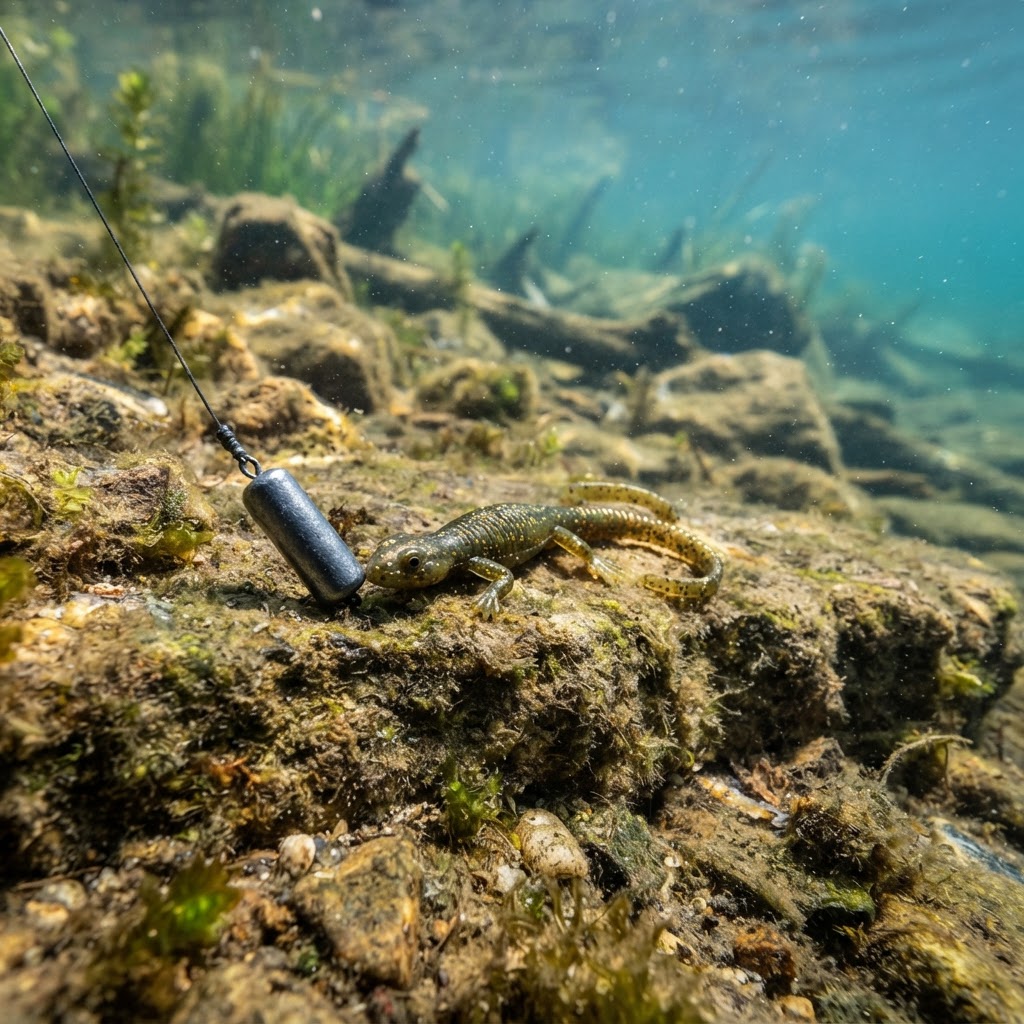
Unlike a Texas rig, the Carolina rig separates your weight from your bait, allowing the lure to float naturally just above the lake floor. The standard setup requires a heavy sliding tungsten weight (typically 3/4 to 1 ounce), a glass bead, a swivel, and a leader line connected to your hook. The glass bead is not just for show; the clicking sound it creates against the weight acts as an attractor, signaling your presence to fish hiding in heavy cover or murky water.
For line management, pair a heavy fluorocarbon or monofilament leader (12-15 lb test) with a braided main line. The braid offers zero-stretch sensitivity, which is vital when you are dragging a bait 20 feet below the boat. If you are exploring a new region, always cross-reference your findings with to ensure your terminal tackle and hooks comply with local regulations, as some areas have specific gear restrictions.
Raise a safe, confident young hunter.
Guide your kids ages 5–17 through interactive hunting safety missions, real decision drills, and earned trophies — all from one free parent account.
Bonus: every $10 you spend in the BHH shop earns a free seat (up to 5). Use them or share them.




Targeting Structure: The Where and When
Deep structure is where games are won. You are looking for 'transition zones'—places where the bottom changes from soft silt to hard clay, or where a rock pile intersects with a channel drop-off. Use your sonar to find these areas, then drop your rig. Instead of reeling, keep your rod tip low and 'sweep' the bait across the bottom. If you feel the resistance of a rock or wood, stop and give the bait a slight shake. This is when most strikes occur.
If you find a concentration of fish, document the coordinates in your personal database. Much like the strategies discussed in , keeping a log of these specific waypoints will turn a one-off trip into a lifetime of success. Many top-tier anglers also recommend checking the official U.S. Fish and Wildlife Service website for seasonal updates on water levels and habitat health, which significantly impacts where bass set up during the dog days of summer.
Soft Plastic Selection
Choosing the right trailer for your C-rig is an exercise in matching the hatch. In clear water, natural-colored creature baits or finesse worms are lethal. In stained water, switch to high-action baits like a creature bait with flapping appendages or a bulky lizard. The key is movement; because the C-rig moves slowly, your bait needs to be active enough to draw attention when it is sitting still on the bottom.
Troubleshooting the Drag
One of the most common mistakes anglers make is moving the rig too fast. If you are not feeling the bottom—meaning, if you can't tell the difference between a pebble and a boulder—you are moving too quickly. The Carolina rig is a precision tool for 'feeling' your way across the bottom. If you find yourself snagging repeatedly, decrease the size of your lead weight or shorten your leader length. Conversely, if you feel nothing, you are likely in a 'dead zone' where fish are unlikely to hold.
Final Thoughts on Persistence
Mastering the Carolina rig requires patience. It is not a technique for the impatient angler who wants to cover water quickly. It is a finesse tactic that demands attention to detail and a willingness to work a small area thoroughly. When you finally feel that rhythmic 'thump' of a bass inhaling your bait while it is dragging over a gravel patch, you will understand why this classic setup remains a staple in professional tournament bags across the country. Remember to snap a photo and share your success on our to inspire your fellow anglers.
Catch more these fish — free
Create a free account and unlock the full angling toolkit: