Apex Predator of the North: Tactical Strategies for Northern Pike
Understanding the Northern Pike: Biology and Behavior
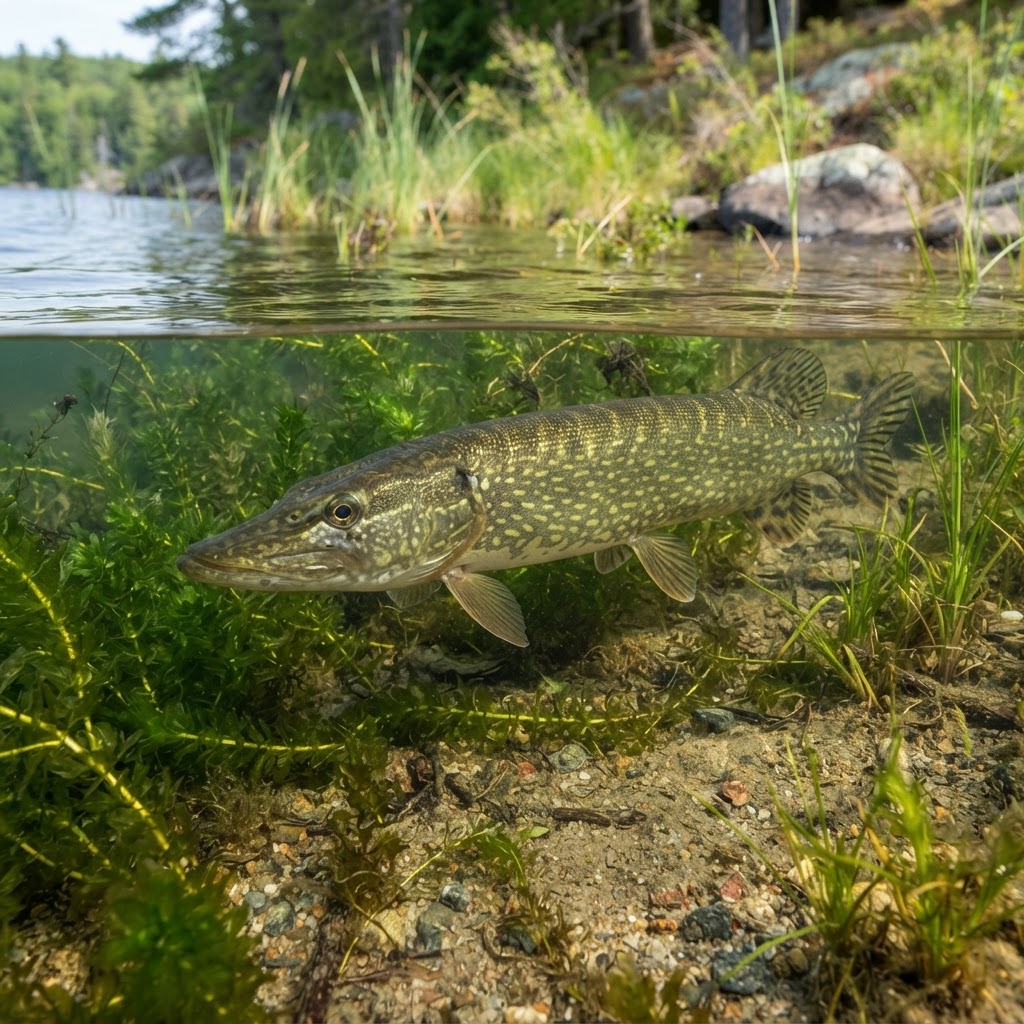
The Northern Pike (Esox lucius) is arguably the most aggressive predator in North American freshwater. Known for their torpedo-shaped bodies and rows of razor-sharp teeth, these ambush specialists are built for speed and sudden bursts of power. Unlike schooling fish that roam in search of food, pike are notorious loners that favor 'sit-and-wait' tactics, anchoring themselves near cover to strike at anything that drifts too close. Understanding this behavior is the first step in successful targeting. They are highly responsive to vibrations and flashes, making them one of the most exciting fish to target with aggressive, high-energy lures.
Get in the Community feed
Hunters and anglers nationwide posting bucks, catches, trail cam pics and what's working right now.


Habitat Selection: Where to Find Them
Northern Pike are synonymous with cold, oxygen-rich water. While they can be found throughout the northern tier of the United States, populations are increasingly documented in mid-latitude reservoirs. They gravitate toward structure that provides cover for ambush: thick cabbage weeds, fallen timber, rocky drop-offs, and transition zones where shallow flats meet deeper channels. During the early season, you should check our to identify submerged vegetation beds, which are prime real estate for post-spawn pike hunting. For those exploring new territories, referencing state-specific guidelines found on can help confirm if your target lake holds a healthy, sustainable population.
Gear and Lures: Taming the Toothy Critter
Because pike possess abrasive teeth capable of slicing through monofilament, specialized terminal tackle is non-negotiable. Always employ a wire leader or a heavy fluorocarbon shock tippet of at least 40-pound test to prevent break-offs. When it comes to lures, go big or go home. Large inline spinners, heavy bucktail jigs, and articulated swimbaits that mimic forage fish like perch or suckers are staples.
Raise a safe, confident young hunter.
Guide your kids ages 5–17 through interactive hunting safety missions, real decision drills, and earned trophies — all from one free parent account.




For topwater action, nothing beats the heart-stopping explosion of a pike hitting a surface prop-bait during the calm evening hours. If the fish are sluggish, slow-rolling a large flutter spoon through the deep weed edges often triggers a reactionary strike. For further inspiration on successful setups, consider perusing where veteran anglers share their favorite gear configurations for heavy-bodied predatory fish.
Seasonal Tactics for Success
Spring is arguably the best time to target trophy pike, as they move into shallow, warming bays to spawn and hunt immediately following ice-out. At this time, stick to shallow-running crankbaits. As summer heat kicks in, pike move deeper, seeking the cool, well-oxygenated water found near thermoclines or inlet springs. You can find detailed research on habitat preferences through the U.S. Fish and Wildlife Service, which provides excellent data on regional fish movement patterns.
In the fall, pike go on a feeding frenzy, bulking up for winter. This is the time to prioritize erratic, fast-moving baits that simulate wounded baitfish. Focus your efforts on the last remaining green weeds, as these areas concentrate baitfish and, consequently, the pike.
Advanced Tips for the Dedicated Angler
To become a consistent pike angler, you must master the 'figure-eight' technique. Many pike follow a lure all the way to the boat without committing. When you see a following pike, do not pull your lure out of the water. Instead, plunge the rod tip into the water and trace a large, wide figure-eight motion. This change in pace and direction often confuses the fish and forces an impulsive strike right at the boat side—a moment that defines the sport.
Furthermore, pike are incredibly hardy, but they require careful handling. Use long-nose pliers or a dedicated hook-out tool to keep your fingers clear of their gill plates and teeth. Always support the fish horizontally under the belly to protect their organs. If you manage to land a particularly large specimen, make sure to document your catch and contribute your data to the to help fellow anglers understand the distribution and size potential of pike in your area.
Whether you are chasing them in the sprawling glacial lakes of the Midwest or the hidden mountain reservoirs of the East, Northern Pike provide an adrenaline rush that few other freshwater species can match. Respect the fish, prepare your gear for the battle, and always stay observant of the structure that hides these river wolves.
Catch more these fish — free
Create a free account and unlock the full angling toolkit: