
The Ultimate Guide to Whitetail Deer Hunting in the United States
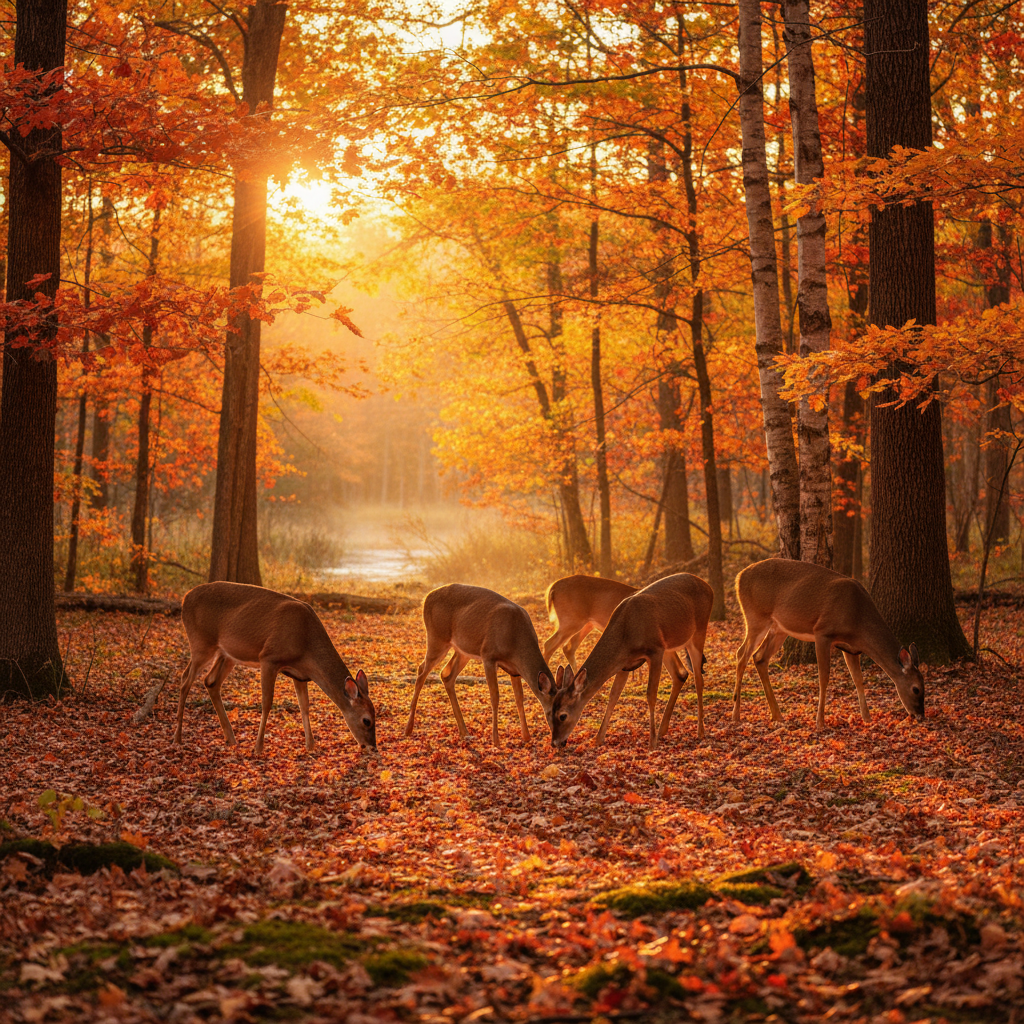
Understanding Whitetail Deer: Biology and Behavior
Whitetail deer (Odocoileus virginianus) are one of the most popular game species in the United States. Known for their graceful appearance and elusive behavior, these deer are a favorite among hunters due to their abundance and adaptability. Whitetails typically have reddish-brown coats in summer, which turn grayish-brown in winter, providing them the camouflage needed for survival.
Free hunting map, zones & 50-state resources
Save your spots, share zones with your group, and get deer & waterfowl movement forecasts — free.
Behavior and Social Structure
Whitetail deer are social animals that often form small groups, particularly females and their fawns. Males, or bucks, tend to be solitary except during the mating season, known as the rut, which occurs in late October through early December. During this time, bucks become more active and careless, increasing their vulnerability to hunters. Understanding their breeding patterns can greatly enhance your hunting strategy.
Feeding Habits
Whitetail deer are browsers, primarily feeding on leaves, fruits, nuts, and even agricultural crops. Their diet varies based on the season and local availability of food. During fall, for example, acorns become a significant food source, while green browse is preferred in spring and summer. Observing feeding patterns can provide insights into potential hunting locations.
Habitat and Range
Originally found in the eastern United States, Whitetail deer have adapted to a variety of environments, from dense forests to suburban settings. They thrive in habitats that have a mixture of wooded areas, fields, and water sources. According to the National Wildlife Federation, their range now extends across North America, making them widely accessible for hunters.
Preferred Habitats
- Wooded Areas: Ideal for cover and food sources.
- Field Edges: Excellent for observing feeding behavior.
- Wetlands and Riparian Zones: Attractive for deer due to ample water and food availability.
Familiarizing yourself with local can help locate prime whitetail habitats in your area.
Best Times for Hunting Whitetail Deer
Timing is crucial when hunting Whitetail deer. The best periods generally include:
Washington · E-Tag State

Washington Harvest Tags
E-check means you supply the tag. Printed with the exact fields Washington requires.
3-pack $22.95
Pre-Rut (Late October)
Bucks begin to establish dominance and become more active, making them vulnerable to hunters.
Rut (Late October to Early December)
Expect heightened activity as bucks chase does. This is the prime time for hunting, especially during the early morning and late evening.
Post-Rut (December Through January)
Though the excitement wanes, deer are still available, and access to food sources becomes critical, making sightings more predictable.
Raise a safe, confident young hunter.
Guide your kids ages 5–17 through interactive hunting safety missions, real decision drills, and earned trophies — all from one free parent account.
Bonus: every $10 you spend in the BHH shop earns a free seat (up to 5). Use them or share them.




For upcoming hunting seasons, don't forget to check for your state's specific dates.
Effective Tactics for Hunting Whitetail Deer
1. Selecting the Right Gear
Choosing appropriate gear is essential for a successful hunt. Key items include:
- Rifle or Bow: Depending on your preference, ensure your weapon is suited for your hunting style. A .270 Winchester or .30-06 is commonly preferred for rifles, while compound or crossbows work well for archery.
- Clothing: Opt for scent-blocking or camouflage clothing that blends into the environment.
- Optics: Quality binoculars or a scope can enhance your ability to spot deer from a distance.
Check out for various hunting supplies that can elevate your experience.
2. Scouting Techniques
Before your hunt, scout potential areas using . Look for signs such as deer tracks, droppings, or rubs on trees. This can help determine the best spots to set your stand or blind.
3. Using Attractants & Scents
Attractants such as deer scents and food plots can bring deer into your hunting zone. Consider using scents during the rut to draw bucks within shooting range.
4. Patience and Stealth
The key to a successful hunt is patience. Movement and noise can scare away deer, so remain still and quiet. Utilize trees or natural cover while waiting for deer to appear.
Tips for New and Experienced Hunters
New Hunters
- Select Your Mentor: Find an experienced hunting buddy who can guide you through your first hunts.
- Practice Shooting: Before the season, ensure your accuracy is on point. Regular practice sessions can make all the difference.
- Review State Regulations: Familiarize yourself with local regulations and guidelines to ensure a legal hunt.
Experienced Hunters
- Stay Updated on Trends: Engage with to stay in the loop about techniques and trends that may improve your success rate.
- Innovate Your Approach: Don't hesitate to try new tactics or adapt to changing deer patterns, especially intrusions from other hunters.
Closing Thoughts
Hunting Whitetail deer can be an incredibly fulfilling experience, providing both the challenge and reward unique to outdoor sports. Understanding their biology, behavior, and habitat can dramatically improve your success. Consider utilizing tools like for tracking weather conditions and scouting locations efficiently.
For further insights, tips, and resources, explore our for continuous learning. Remember to respect nature and practice ethical hunting for sustainable future generations!
Join 591 hunters and anglers on Buckeye Hunter Hub — free.
Latest from the Community

Trophy
My First EVER Buck
Keith Bennett · 1h ago

Trophy
Elk
Keith Bennett · 1h ago

Posted
Boss lady blessings!!🥰
Keith Bennett · 6h ago

Trophy
Old 07 PSE Xforce HF can still put em down
Keith Bennett · 6h ago

Posted
Good hunting days In Oklahoma
Keith Bennett · 6h ago

Posted
Scouting The Map For New Spots!
Richard Taggart · 1d ago
New drop
Fresh Buckeye Hunter Hub tees & hoodies


Everything you need to hunt smarter — free
Buckeye Hunter Hub is a free, nationwide platform. Create an account and unlock the full toolkit:
Free Interactive Hunting Map
Mark stands, cameras, and sign. Draw hunting zones with public land & county overlays across all 50 states.
Zones with Group Sharing
Share zones with your hunting group, split property into sections, assign stands, and check in — all in one place.
50 States of Hunting Resources
Season dates, license links, and DNR regulations for every state, kept current so you never miss an opener.
Deer Movement Forecast
Data-driven daily movement predictions using wind, moon, and pressure — know when to sit before you go.
Waterfowl Movement & Tools
Flight-potential forecasts, migration numbers, decoy spread planner, and a full species field guide.
From the Maker Bench

SE Ohio Outdoors
Euro Mount Hook
Hand-built in the USA · $8.00
Shop the MakerNew drop
Fresh Buckeye Hunter Hub tees & hoodies
Shop This

StopBox Pro Ward | Wall-Mounted
$179.00$199.99

StopBox Pro Compact
$159.00$179.99

Buckeye Hunter Hub Tee — Walleye After Dark
$20.55

BHH Pintail Pin-Up Tee
$20.55
Washington · E-Tag State
Washington Harvest Tags
E-check means you supply the tag. Printed with the exact fields Washington requires.
3-pack $22.95
More Articles
The Nomad’s Ledger: A Financial Blueprint for Out-of-State Hunting
Planning an interstate hunting adventure doesn't have to break the bank. Follow this structured framework to master your budget while maximizing your time in the field.
A Tribute to the Skies: Nostalgic Waterfowl Art for Your Digital Devices
Bring the heritage of the wetlands to your phone and desktop with Buckeye Hunter Hub’s retro-inspired digital waterfowl collection.
Atmospheric Influence: Data-Driven Insights into Whitetail Activity
Forget the myths of lunar phase and focus on the math. We analyze telemetry data to reveal how barometric shifts truly dictate whitetail movement.
Decoding the Woods: A Tactical Guide to Interpreting Whitetail Sign
Move beyond basic scouting by learning to read the subtle story written on the forest floor. Mastering the interpretation of rubs, scrapes, and bedding areas is the key to closing the gap on a mature buck.