
Decoding the Woods: A Tactical Guide to Interpreting Whitetail Sign
Beyond the Surface: Understanding the Language of Whitetails
Many hunters wander through the woods looking for deer, but the most successful hunters are those who look for the story deer have already written. A buck’s movement is not random; it is a calculated response to food, safety, and reproductive instinct. By analyzing the physical evidence left behind, you can transform your approach from passive sitting to an active, predatory pursuit. At Buckeye Hunter Hub, we believe that understanding the nuances of sign is the foundational skill that separates the casual woodsman from the persistent hunter.
Get the deer movement forecast for your spot, free
See the best days and hours to sit this week, built from your spot's weather, moon, and wind.
Deciphering the Rub: A Clue to Core Areas
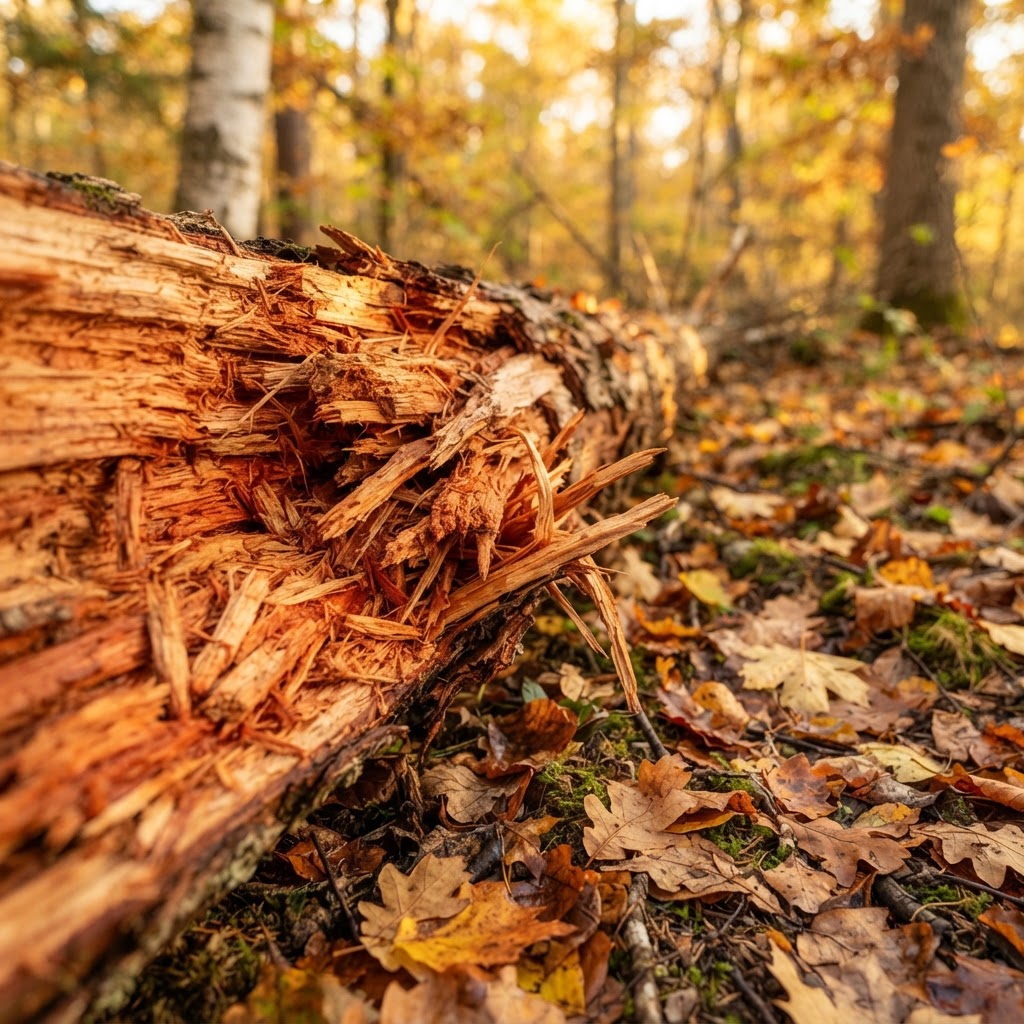
Rubbing is a biological necessity for a buck, serving to remove velvet and strengthen neck muscles for the upcoming rut. However, the location and size of a rub tell a deeper story. Small saplings with light fraying are often 'community rubs'—spots where multiple bucks stop during their daily circuit. These are useful for general location scouting but aren't always gold mines.
Instead, focus on primary rubs: large-diameter trees, often cedar or hardwood, located on the fringe of heavy cover. These are typically associated with a dominant buck’s core area. If you find a series of large, fresh rubs leading into a thicket, you have found a travel corridor that the buck feels comfortable using during daylight hours. When you find these, cross-reference them with our to determine the best times to sit near these transition zones. If the rubs are shredded to the point of exposing light-colored wood, the sign is fresh, and you are in the immediate presence of a buck.
Scrapes: The Communication Hub
Scrapes are the social media of the deer woods. During the pre-rut, bucks paw away the leaf litter to expose mineral-rich dirt, depositing scent from their forehead and pre-orbital glands. A single scrape is interesting; a 'scrape line' is a map of a buck’s home range.
To hunt these effectively, look for the 'licking branch.' A buck will almost always work a branch hanging directly over the scrape with his mouth and antlers. If you are setting up a stand, you must account for wind direction relative to this branch. If a buck comes in to work the limb, he is going to scent-check the downwind side. Using digital tools, you can plot these scrapes on your to see if they align with pinch points or natural funnels, such as creek crossings or narrow strips of timber between bedding areas.

Bedding Areas: Respecting the Sanctuary
Locating a buck’s bed is the ultimate objective, but it is also the easiest way to spook your target for the entire season. A bed is a flattened oval in the grass or leaves, often situated where the deer can see danger approaching while having the wind at their back.
Instead of tromping through potential bedding zones, use topographical maps to identify 'hidden' terrain: high-ground points in a marsh, north-facing slopes, or thick, secondary-growth brush. Once you identify these high-probability zones, keep your distance. Use binoculars to observe from afar during the late afternoon. If you find heavy, oval-shaped indentations packed with hair, you have confirmed a bedding site. Remember, mature bucks are rarely caught sleeping; they use their beds as a launchpad for evening movement. If you want to refine your understanding of why they choose these specific locations, our guides on can help you piece together the 'why' behind the 'where.'
E-Tag States

Harvest Tags
E-check means you supply the tag. Printed with the exact fields your state requires.
3-pack $22.95

Youth Hunter Academy
Raise a safe, confident young hunter.
Safety missions for ages 5–17. Free parent account.
Putting It All Together: The Holistic Scouting Approach
Reading sign is a cumulative process. One rub doesn’t mean a record-book buck is waiting for you, but a network of rubs, scrapes, and well-worn trails near a high-quality food source represents a patterned animal. As you collect this data, consider how it interacts with the current in your state. A scrape line in early October means something very different than a scrape line in mid-November.
Consistency in the field yields results. Avoid the temptation to over-scout. If you find a promising area with fresh, distinct sign, make your move—hang your stand, keep your scent low, and trust the evidence. The woods are constantly speaking to you; it is time to start listening.
Free every morning
Your Daily Briefing
One morning forecast for the spots you actually hunt and fish: deer movement, waterfowl flights, bite times, wind and shooting light.
See what's in itSet up your briefing
Join free, save a spot on the map, then pick what you hunt and fish and when you want your email.
Join 1,671 hunters and anglers on Buckeye Hunter Hub — free.
Latest from the Community


Everything you need to hunt smarter — free
Buckeye Hunter Hub is a free, nationwide platform. Create an account and unlock the full toolkit:
Free Interactive Hunting Map
Mark stands, cameras, and sign. Draw hunting zones with public land & county overlays across all 50 states.
Zones with Group Sharing
Share zones with your hunting group, split property into sections, assign stands, and check in — all in one place.
50 States of Hunting Resources
Season dates, license links, and DNR regulations for every state, kept current so you never miss an opener.
Deer Movement Forecast
Data-driven daily movement predictions using wind, moon, and pressure — know when to sit before you go.
Waterfowl Movement & Tools
Flight-potential forecasts, migration numbers, decoy spread planner, and a full species field guide.
From the Maker Bench

Taggart Outdoors
Custom Western Belt
Hand-built in the USA · $127.99
Shop the MakerBHH Partner
Thinking about selling a rifle or an old family shotgun? Check up-to-date market pricing by make and model before you sell.
webuyguns.comE-Tag States
Harvest Tags
E-check means you supply the tag. Printed with the exact fields your state requires.
3-pack $22.95
More Articles
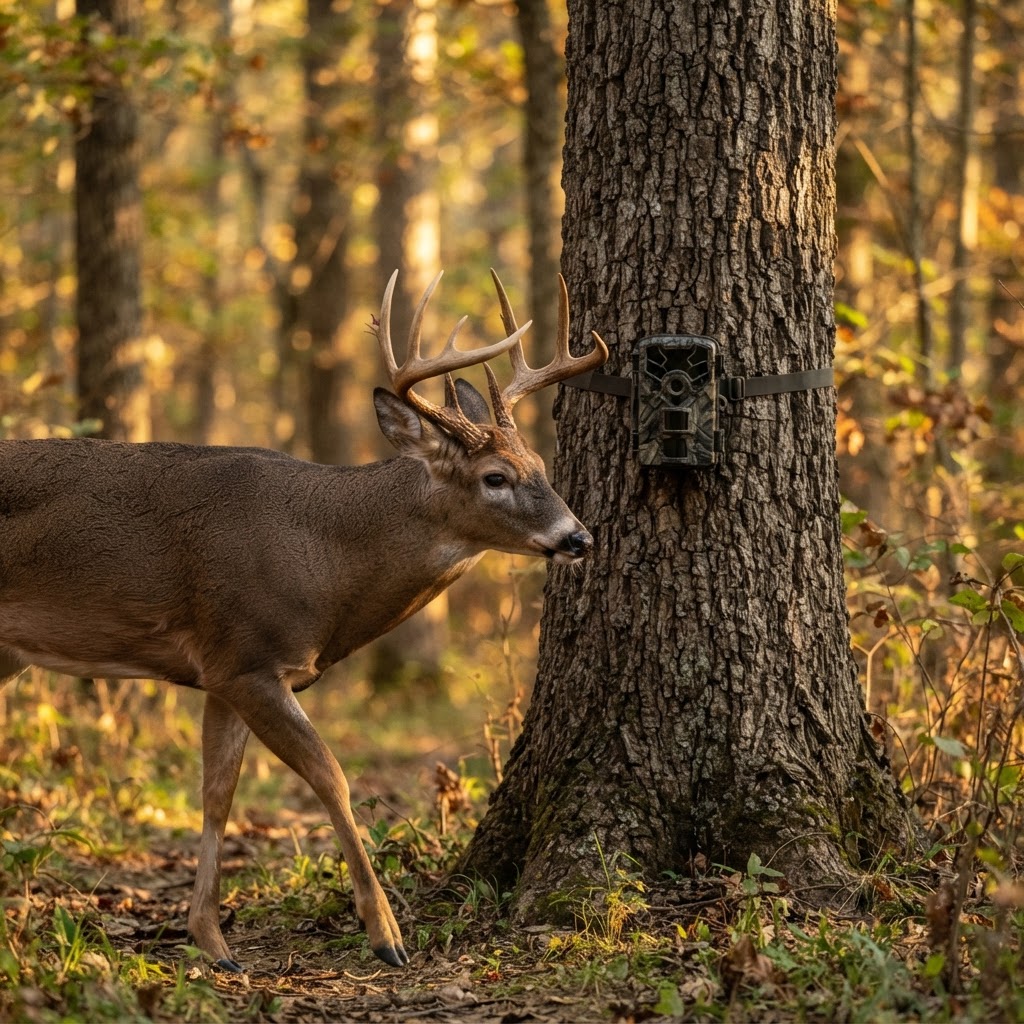
Turning Thousands of Trail Camera Images into Actionable Hunting Intel
Drowning in SD card files? Discover how to use automated intelligence to isolate buck activity and identify seasonal movement patterns without spending hours behind a screen.
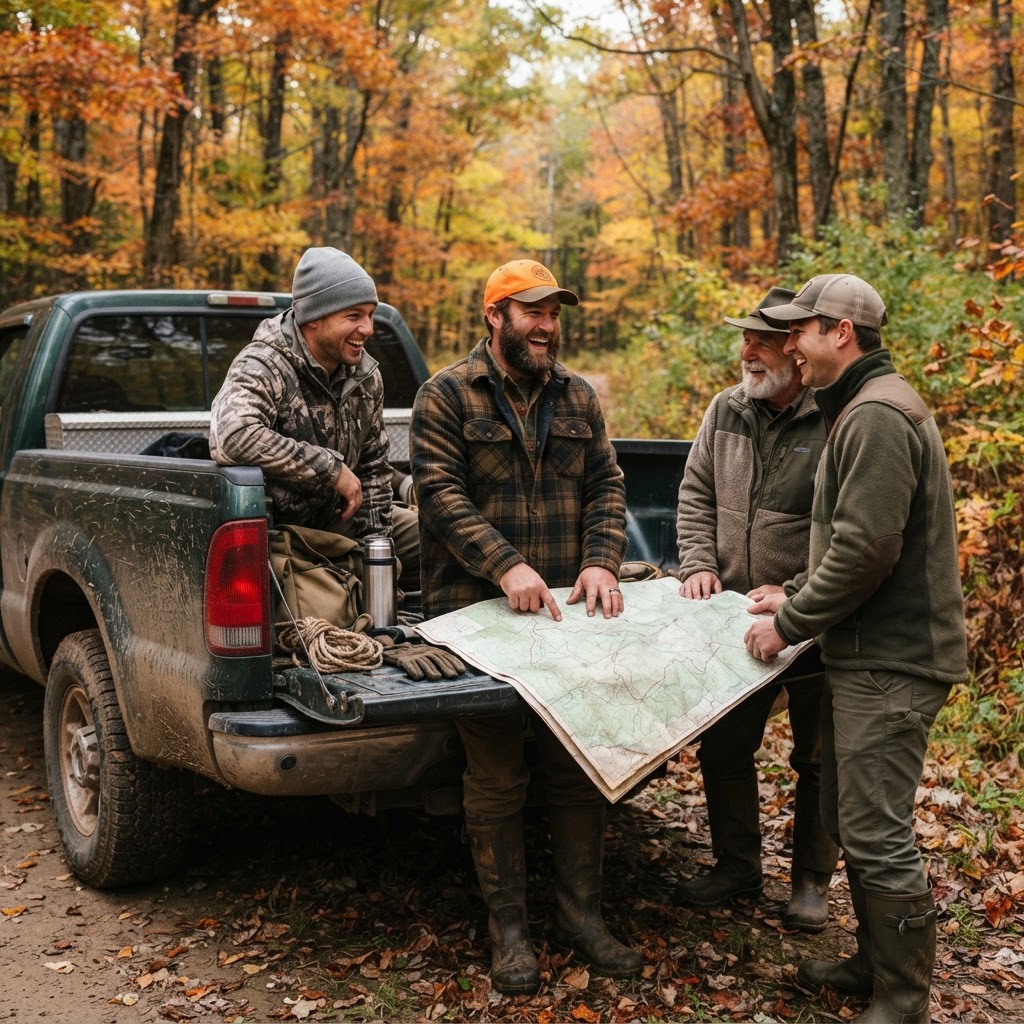
Beyond the Stand: Cultivating Your Network in Buckeye Hunter Hub Groups
Modern hunting is more than a solo pursuit; discover how active participation in the Buckeye Hunter Hub community can sharpen your skills and elevate your success in the field.
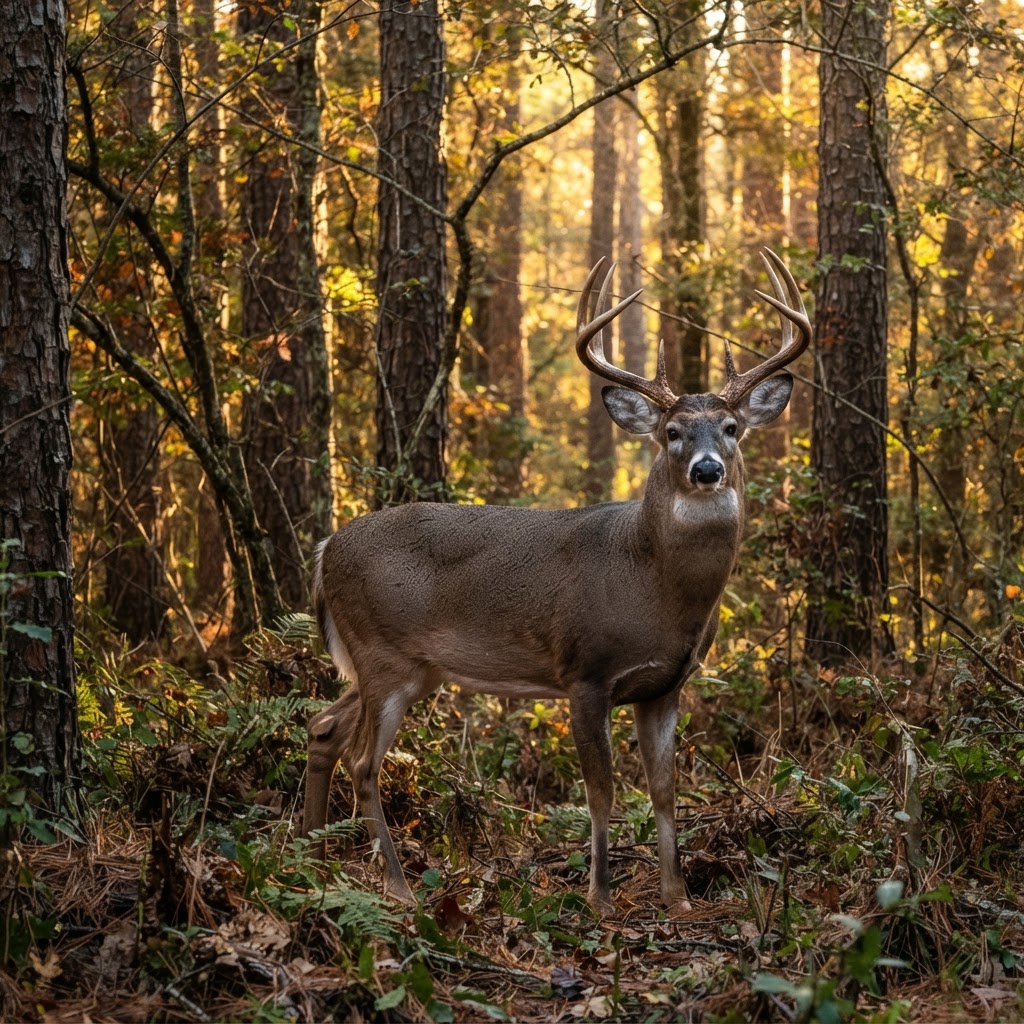
Louisiana Deer Firearms Area 3: Your 2026 Season Opener Guide
The Louisiana Deer Firearms With/Without Dogs season for Area 3 opens tomorrow, Monday, November 30, 2026, and runs through Sunday, January 3, 2027. Hunters should prepare for the transition from still-hunting to dog-involved hunting as the landscape shifts.
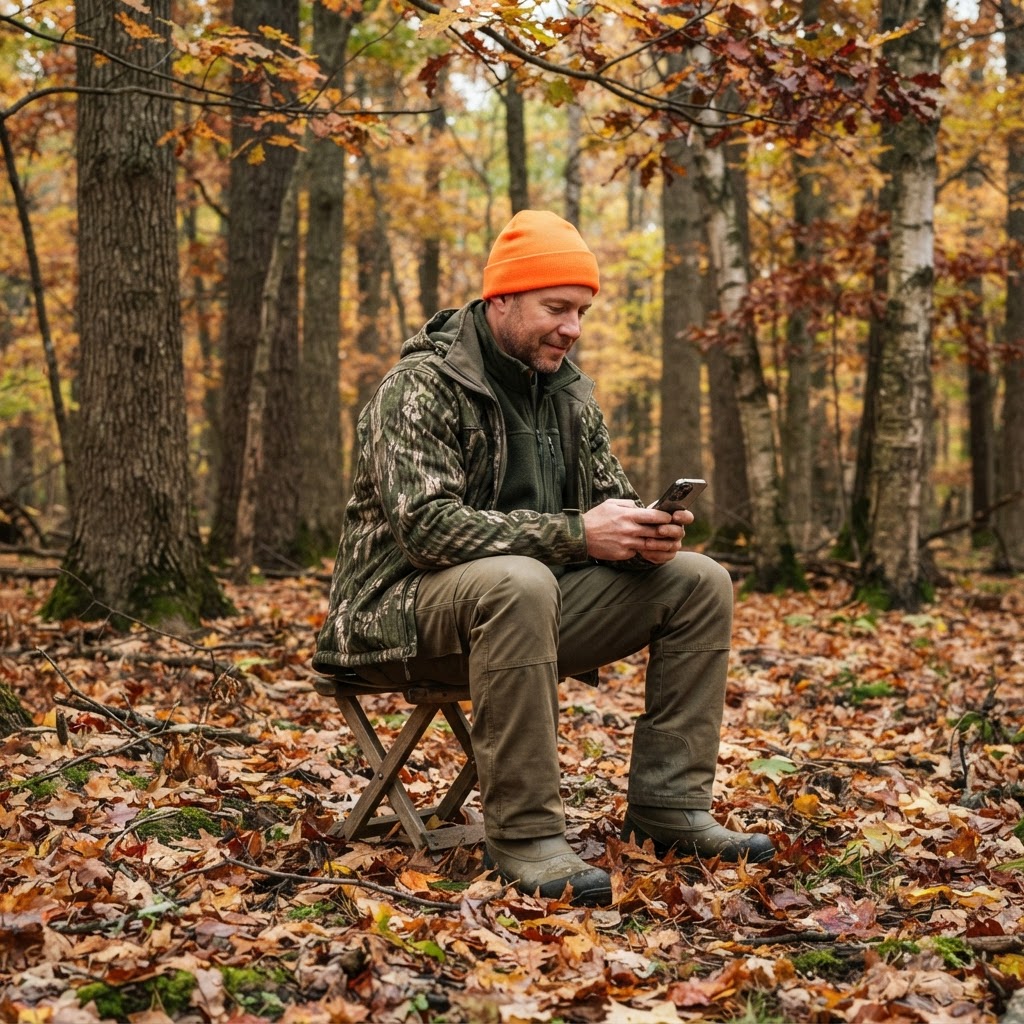
Never Miss a Tag: Accessing Official State Hunting Regulations in One Place
Navigating the maze of state-specific hunting regulations can be a headache, but it doesn't have to be. Discover how Buckeye Hunter Hub centralizes official DNR data to keep you legal and ready for the field.