The Ultimate Guide to Hunting Mule Deer in the United States
Understanding Mule Deer: Biology and Behavior
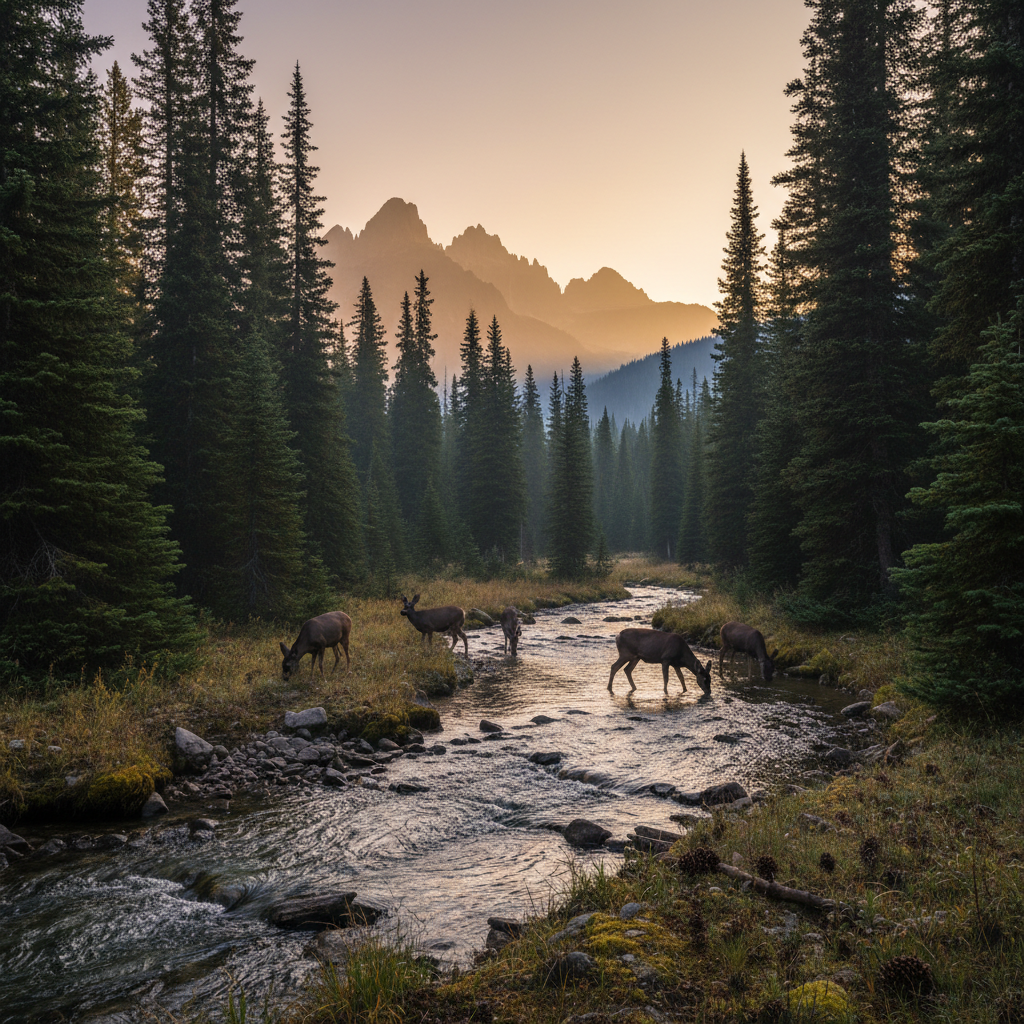
Mule deer (Odocoileus hemionus), named for their large, mule-like ears, are a common sight across the western United States. These graceful creatures are known for their robust bodies, often weighing between 120 to 300 pounds, with a distinctive forked antler shape in males.
Free hunting map, zones & 50-state resources
Save your spots, share zones with your group, and get deer & waterfowl movement forecasts — free.
Behavioral Traits
Mule deer are primarily crepuscular, meaning they are most active during dawn and dusk. They exhibit great adaptability in terms of terrain, thriving in forested areas, deserts, and mountainous regions. Socially, these deer are more solitary than their white-tailed counterparts, often forming small groups, especially during the winter months.
Mule deer are also incredibly agile, known for their bounding leaps, which help them evade predators. Understanding these behaviors is key to a successful hunt.
Habitat and Range
Mule deer can be found across the western United States, from the Sierra Nevada mountains to the Rocky Mountains and even into parts of the Great Plains. They thrive in diverse habitats, ranging from high mountain meadows to sagebrush plains. Some popular states for mule deer hunting include:
- Colorado: Rich in mountainous regions and plentiful forage.
- Wyoming: Home to vast open spaces and population density.
- California: Offers varied terrain including forests and desert environments.
Exploring your local can provide specific information about permitted hunting zones and key populations in your area.
Effective Tactics and Gear for Hunting Mule Deer
Tactics
-
Scouting: Before heading into the field, thorough scouting is crucial. Identify feeding grounds, bedding areas, and travel routes. Mule deer are creatures of habit, often returning to the same locations daily. Using can help you track these patterns effectively.
-
Stalking: The approach is vital. Use natural cover to move stealthily into a position where you can get a good shot. Pay attention to wind direction; deer have a keen sense of smell and will easily detect human presence if the wind is against you.
-
Sit and Wait: Set up near known trails and feeding spots. This tactic is particularly effective during the rut when buck activity increases.
Washington · E-Tag State

Washington Harvest Tags
E-check means you supply the tag. Printed with the exact fields Washington requires.
3-pack $22.95
Gear
The right gear can significantly enhance your hunting experience. Essential items include:
- Rifle or Bow: Choose a weapon suitable for the terrain and the distance you expect to shoot.
- Quality Optics: Binoculars and scopes should have good light transmission for early morning or late evening hunting.
- Weather-Appropriate Clothing: Consider layering clothing made from silent, breathable materials. Mule deer often inhabit mountainous areas, where temperatures can fluctuate dramatically.
Don’t forget to check out the Shop StopBox to find reliable hunting equipment that fits your needs.
Best Times of Year for Mule Deer Hunting
The optimal times for mule deer hunting vary across states and regions, but generally fall during late summer to fall, coinciding with the rut, which occurs from late October to early December. This is when bucks are actively seeking does and are less cautious than normal, making them more vulnerable to hunters. Keep an eye on the for specific dates in your state.
Raise a safe, confident young hunter.
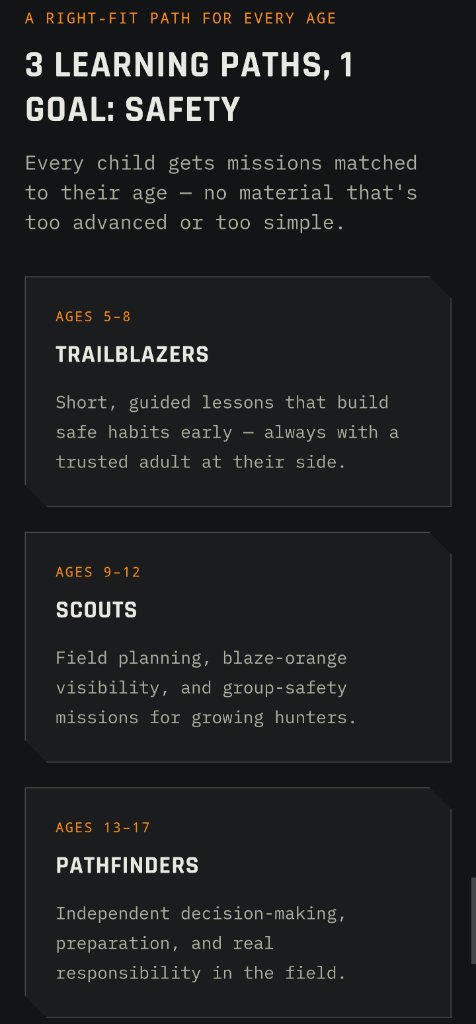
Guide your kids ages 5–17 through interactive hunting safety missions, real decision drills, and earned trophies — all from one free parent account.
Bonus: every $10 you spend in the BHH shop earns a free seat (up to 5). Use them or share them.



Tips for Both New and Experienced Hunters
-
For Beginners: Start by learning the terrain and focusing on a few specific areas. Join to gain insights from experienced hunters. Knowing the basics of tracking, scouting, and field dressing will go a long way in building your confidence.
-
For Experienced Hunters: Challenge yourself by pursuing trophy bucks or exploring less-populated regions where hunting pressure is minimal. Utilize technology, such as , for innovative hunting strategies and finding prime locations.
Conclusion
Hunting mule deer in the United States presents a thrilling experience, whether you're a novice or a seasoned hunter. Understanding their biology, behaviors, and effective hunting tactics is essential for a successful hunt. As you prepare for your next adventure, don’t forget to explore our other resources at Buckeye Hunter Hub for additional tips and a deep dive into hunting techniques. Remember, each hunting journey is an opportunity to learn and connect with nature.
For more in-depth information about specific regions, check out the relevant state resources at the National Park Service NPS.gov. Happy hunting!
Join 591 hunters and anglers on Buckeye Hunter Hub — free.
Latest from the Community

Trophy
My First EVER Buck
Keith Bennett · 1h ago

Trophy
Elk
Keith Bennett · 1h ago

Posted
Boss lady blessings!!🥰
Keith Bennett · 6h ago

Trophy
Old 07 PSE Xforce HF can still put em down
Keith Bennett · 6h ago

Posted
Good hunting days In Oklahoma
Keith Bennett · 6h ago

Posted
Scouting The Map For New Spots!
Richard Taggart · 1d ago
New drop
Fresh Buckeye Hunter Hub tees & hoodies


Everything you need to hunt smarter — free
Buckeye Hunter Hub is a free, nationwide platform. Create an account and unlock the full toolkit:
Free Interactive Hunting Map
Mark stands, cameras, and sign. Draw hunting zones with public land & county overlays across all 50 states.
Zones with Group Sharing
Share zones with your hunting group, split property into sections, assign stands, and check in — all in one place.
50 States of Hunting Resources
Season dates, license links, and DNR regulations for every state, kept current so you never miss an opener.
Deer Movement Forecast
Data-driven daily movement predictions using wind, moon, and pressure — know when to sit before you go.
Waterfowl Movement & Tools
Flight-potential forecasts, migration numbers, decoy spread planner, and a full species field guide.
From the Maker Bench

SE Ohio Outdoors
Euro Mount Hook
Hand-built in the USA · $8.00
Shop the MakerNew drop
Fresh Buckeye Hunter Hub tees & hoodies
Shop This

StopBox Pro Ward | Wall-Mounted
$179.00$199.99

StopBox Pro Compact
$159.00$179.99

Buckeye Hunter Hub Tee — Walleye After Dark
$20.55

BHH Pintail Pin-Up Tee
$20.55
Washington · E-Tag State
Washington Harvest Tags
E-check means you supply the tag. Printed with the exact fields Washington requires.
3-pack $22.95
More Articles
The Nomad’s Ledger: A Financial Blueprint for Out-of-State Hunting
Planning an interstate hunting adventure doesn't have to break the bank. Follow this structured framework to master your budget while maximizing your time in the field.

A Tribute to the Skies: Nostalgic Waterfowl Art for Your Digital Devices
Bring the heritage of the wetlands to your phone and desktop with Buckeye Hunter Hub’s retro-inspired digital waterfowl collection.
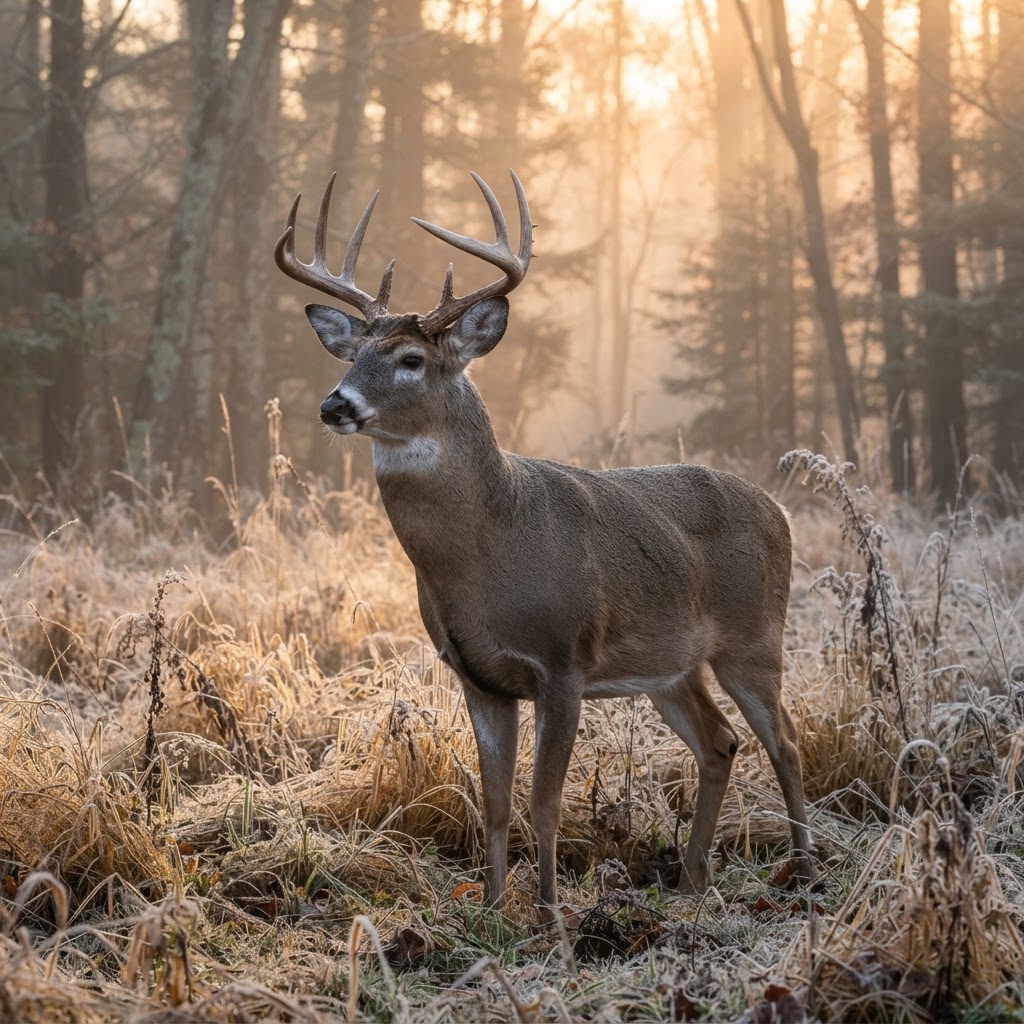
Atmospheric Influence: Data-Driven Insights into Whitetail Activity
Forget the myths of lunar phase and focus on the math. We analyze telemetry data to reveal how barometric shifts truly dictate whitetail movement.
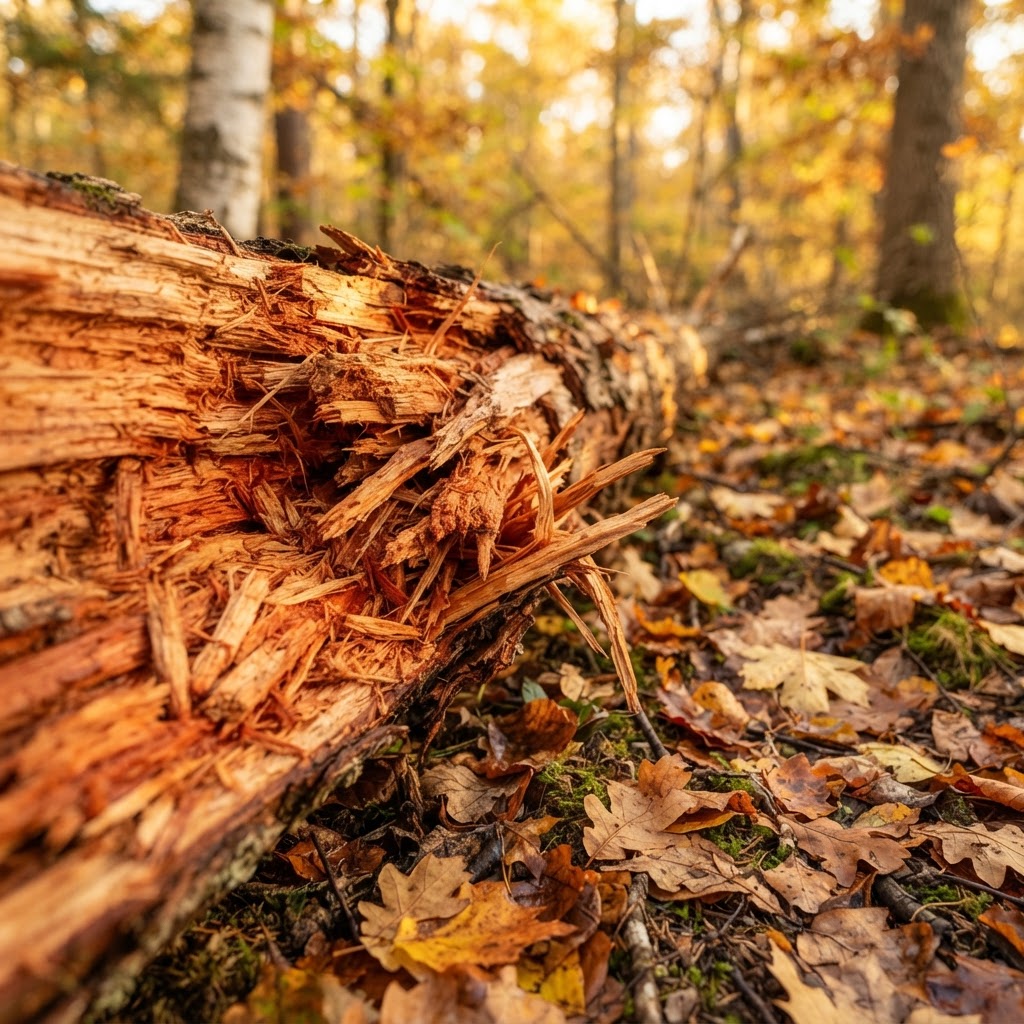
Decoding the Woods: A Tactical Guide to Interpreting Whitetail Sign
Move beyond basic scouting by learning to read the subtle story written on the forest floor. Mastering the interpretation of rubs, scrapes, and bedding areas is the key to closing the gap on a mature buck.