
The Ultimate Backcountry Hunting Checklist: A Framework for Success
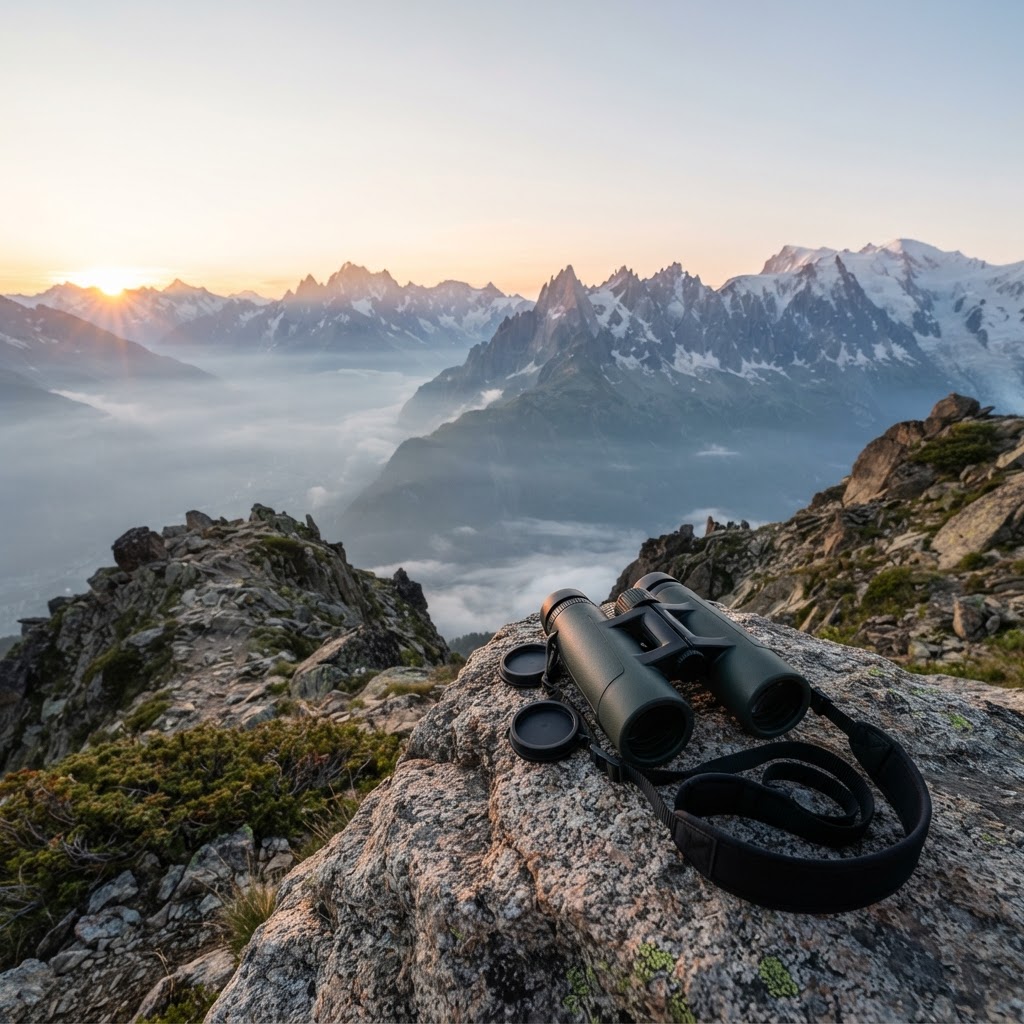
Master the Wilderness: Your Backcountry Preparation Guide
Transitioning from stand hunting near home to a true backcountry expedition is the ultimate rite of passage for any serious outdoorsman. It shifts the challenge from simply outsmarting an animal to surviving, navigating, and succeeding in rugged, isolated terrain. At Buckeye Hunter Hub, we believe that the difference between a trip of a lifetime and a miserable failure lies in the preparation. Here is your comprehensive framework for planning a successful backcountry hunt.
Free hunting map, zones & 50-state resources
Save your spots, share zones with your group, and get deer & waterfowl movement forecasts, free.
Phase 1: The Research and Scouting Foundation
Before you ever lace up your boots, you must build a digital foundation. Start by consulting to identify public land boundaries, elevation changes, and water sources. Distance from trailhead to target habitat is your biggest variable; use satellite imagery to identify glassing knobs, thick bedding cover, and natural pinch points.
Once you have narrowed your geography, study to understand how topography influences animal behavior in mountainous regions. If you are hunting during a transition period, cross-reference your findings with to ensure you are targeting the right elevation during the right migration phase. Never rely on one source of information; check official to confirm current regulations, tag quotas, and any specific wilderness area permit requirements.
Phase 2: Logistics and Timing
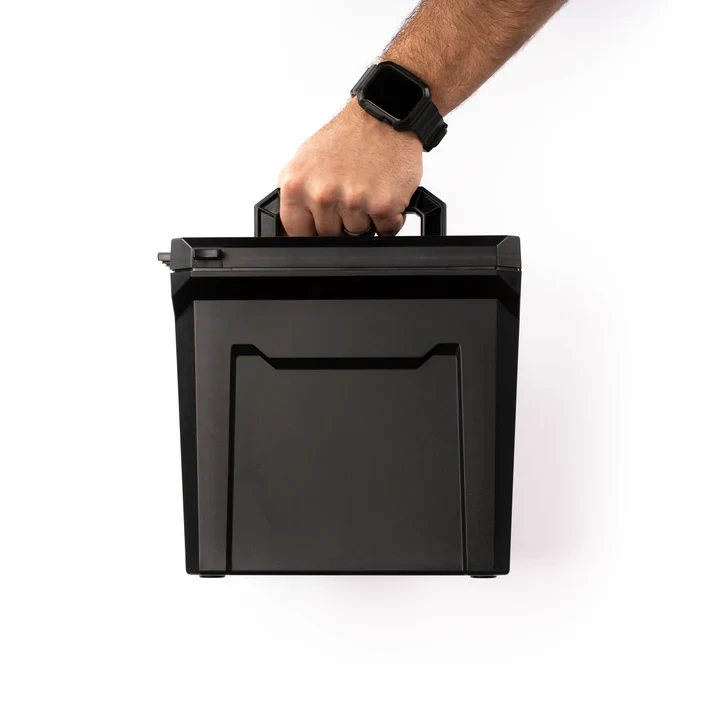
Logistics are where most backcountry hunts fall apart. If you are flying into a region, research logistics for meat transport—know exactly how you will get your harvest back home or to a local processor.
Timing is equally critical. If you are hunting high-country mule deer or elk, early season usually means hotter temperatures and more pressure, while late season offers cooler weather but potentially life-threatening storms. Regardless of your dates, prepare for the worst. Check your regional DNR website for historical weather patterns to understand what kind of gear you need to pack for a sudden shift in conditions.
Phase 3: The Backcountry Gear Hierarchy
BHH Partner
Thinking about selling a rifle or an old family shotgun? Check up-to-date market pricing by make and model before you sell.
webuyguns.comPacking for the backcountry is an exercise in compromise between weight and utility. Use the 'system' approach to organize your load:
1. The Sleep System
Do not skimp on your tent or sleeping bag. A lightweight, wind-resistant shelter is non-negotiable. Ensure your sleeping pad has an R-value sufficient for the expected nighttime temperatures. A cold hunter is an ineffective hunter.
2. The Kitchen
Keep it simple: a reliable titanium stove, one pot, a spork, and high-calorie, dehydrated meals. Don't forget an efficient water filtration system—giardia is not a souvenir you want to bring home.
E-Tag States

Harvest Tags
E-check means you supply the tag. Printed with the exact fields your state requires.
3-pack $22.95

Youth Hunter Academy
Raise a safe, confident young hunter.
Safety missions for ages 5–17. Free parent account.
3. The Optics and Firearm
In open country, your glass is your most important tool. Invest in high-quality 10x42 binoculars and a dedicated spotting scope. Ensure your rifle is zeroed at the range you expect to shoot, accounting for the effects of high altitude on ballistics.
4. Clothing: The Layering Strategy
Avoid cotton at all costs. Utilize a moisture-wicking base layer, an insulating mid-layer (down or synthetic), and a high-quality, breathable rain shell. Always pack an extra pair of quality wool socks in a waterproof bag.
Phase 4: Safety and Self-Reliance
You are responsible for your own extraction in the backcountry. A comprehensive first-aid kit is mandatory, specifically one containing blister care, trauma dressings, and any personal medications.
Always carry a satellite communication device, such as a Garmin inReach or Zoleo, to send check-in messages to your family or call for help in an emergency. Create a detailed 'float plan'—leave a digital copy of your itinerary with a trusted person, including your expected route, vehicle location, and the date you plan to be back in cell service.
Final Preparation
Physical fitness is the final piece of the puzzle. Start training at least three months out by hiking with a weighted pack. There is no substitute for trail miles. Remember, the goal is to enjoy the experience as much as the outcome. Engage with other experienced hunters in to ask questions about terrain-specific challenges, but always cross-reference advice with local wildlife agency data.
Backcountry hunting is demanding, but it offers a level of solitude and connection to nature that you cannot replicate anywhere else. By following this framework—scouting, planning logistics, curating your gear, and prioritizing safety—you set yourself up for a safe and rewarding adventure. Good luck, and happy hunting.
Free every morning
Your Daily Briefing
One morning forecast for the spots you actually hunt and fish: deer movement, waterfowl flights, bite times, wind and shooting light.
See what's in itSet up your briefing
Join free, save a spot on the map, then pick what you hunt and fish and when you want your email.
Join 1,171 hunters and anglers on Buckeye Hunter Hub — free.
Latest from the Community


Everything you need to hunt smarter — free
Buckeye Hunter Hub is a free, nationwide platform. Create an account and unlock the full toolkit:
Free Interactive Hunting Map
Mark stands, cameras, and sign. Draw hunting zones with public land & county overlays across all 50 states.
Zones with Group Sharing
Share zones with your hunting group, split property into sections, assign stands, and check in — all in one place.
50 States of Hunting Resources
Season dates, license links, and DNR regulations for every state, kept current so you never miss an opener.
Deer Movement Forecast
Data-driven daily movement predictions using wind, moon, and pressure — know when to sit before you go.
Waterfowl Movement & Tools
Flight-potential forecasts, migration numbers, decoy spread planner, and a full species field guide.
From the Maker Bench

Taggart Outdoors
Custom Western Belt
Hand-built in the USA · $127.99
Shop the MakerBHH Partner
Thinking about selling a rifle or an old family shotgun? Check up-to-date market pricing by make and model before you sell.
webuyguns.comE-Tag States
Harvest Tags
E-check means you supply the tag. Printed with the exact fields your state requires.
3-pack $22.95
More Articles
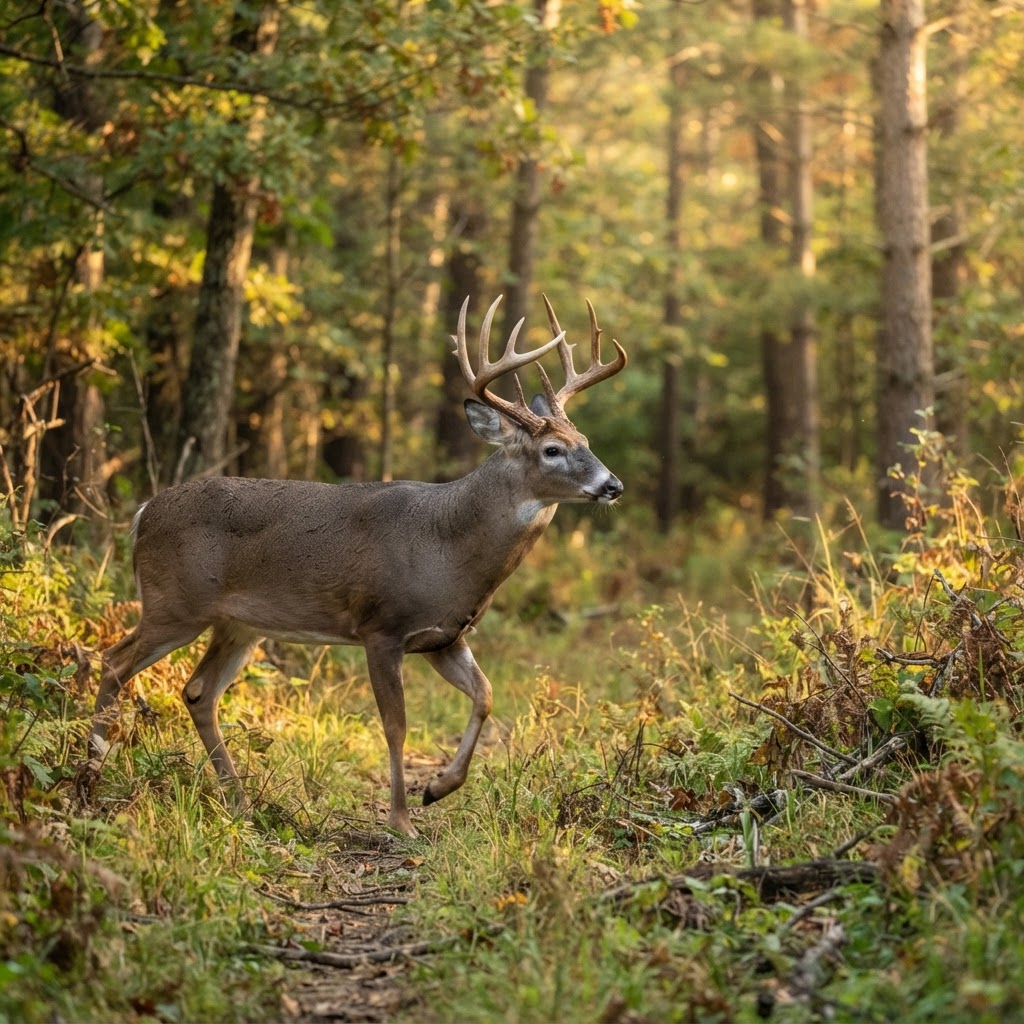
Data-Driven Decisions: Decoding Your Trail Camera Photos with Intelligent Automation
Tired of spending hours sorting through thousands of empty trail camera photos? Discover how to use automated image recognition to identify deer, track buck growth, and pinpoint movement patterns in minutes.
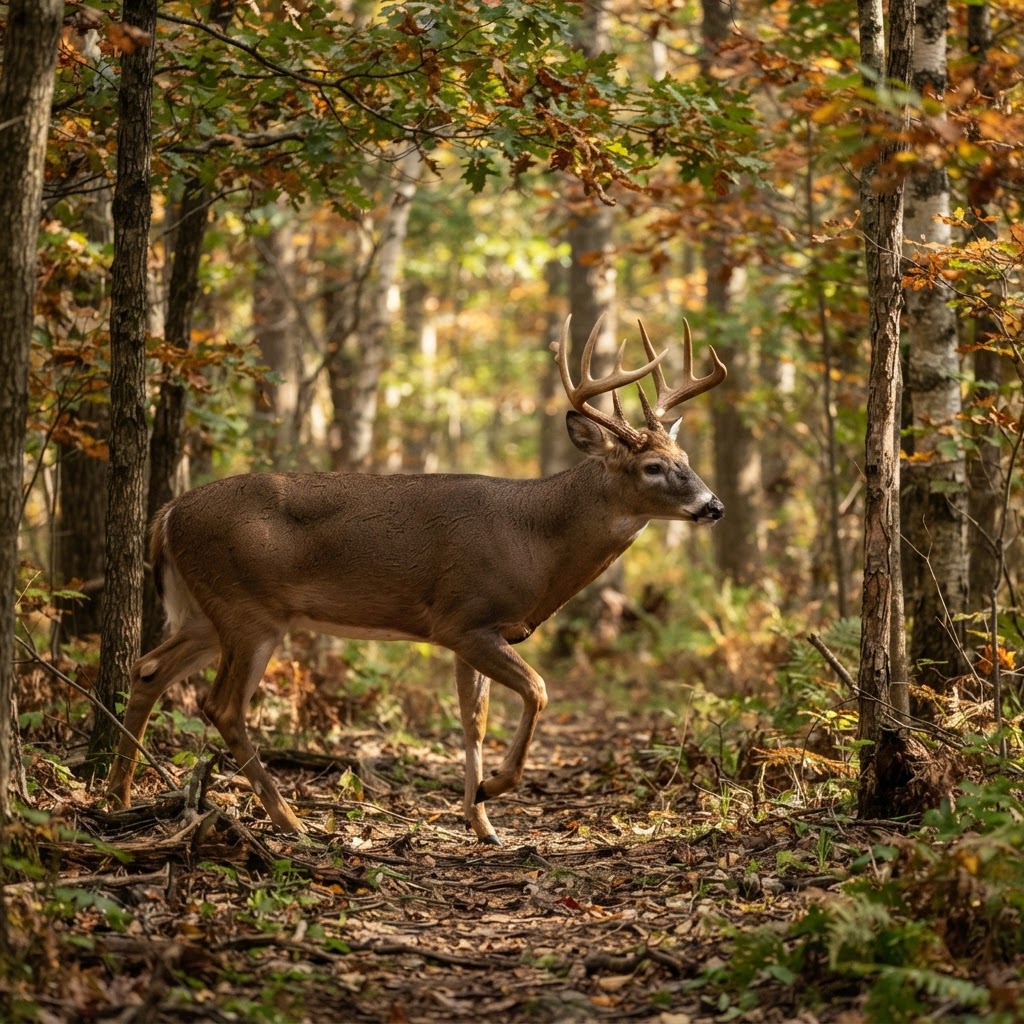
Optimizing Your Scouting: How AI Transforms Trail Camera Management
Drowning in thousands of trail camera photos? Discover how to use automated AI analysis to identify bucks, does, and movement trends in seconds.
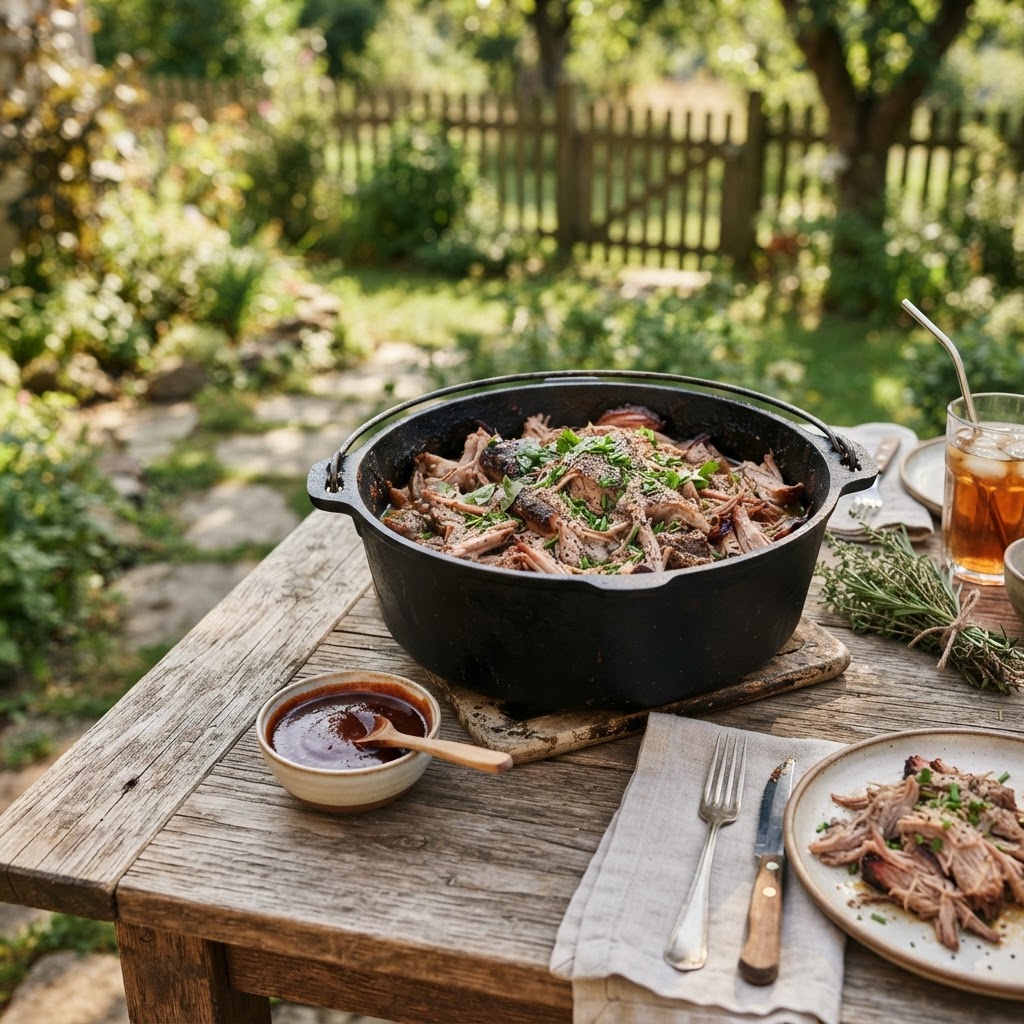
From Field to Table: The Ultimate Guide to Wild Hog Pulled Pork
Turn your next wild boar harvest into a backyard feast. This guide covers the essential techniques for transforming lean, tough hog shoulder into melt-in-your-mouth pulled pork.

Built to Pursue: Meeting Richard Taggart of Taggart Outdoors
In the heart of Utah, Richard Taggart is keeping a family legacy alive one stitch at a time. Discover how Taggart Outdoors is bringing old-world craftsmanship to your modern hunting kit.