
Texas Mule Deer (General Trans-Pecos) General Season 2026
The dates at a glance
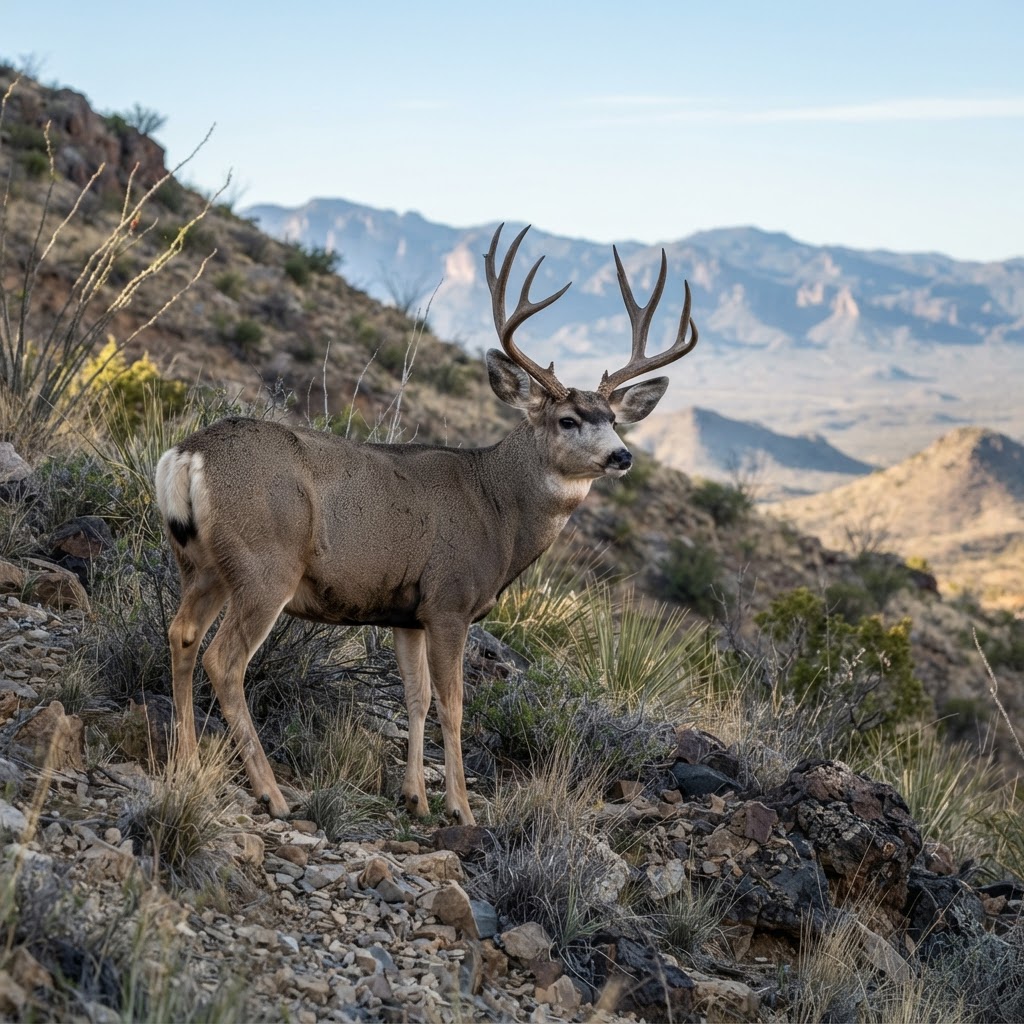
The general mule deer season for the Trans-Pecos region opens on Friday, November 27, 2026, and concludes on Sunday, December 13, 2026. This is a short, high-intensity window that follows the archery-only season which closed on November 26, 2026. Because these dates are fixed by the Texas Parks and Wildlife Department, there are no extensions or split segments for this specific general season. If you are planning your year, you can keep track of these and other dates using a to ensure you never miss an opener.
Get the deer movement forecast for your spot, free
See the best days and hours to sit this week, built from your spot's weather, moon, and wind.
The Trans-Pecos general season is strictly defined by the Texas Parks and Wildlife Department for 2026. Because this window is short, you should arrive at your hunting location at least one day before the Friday opener to scout the terrain. If you arrive late, you lose valuable time that could be spent glassing the canyons. Always check the current Outdoor Annual for any emergency closures or changes that might affect your specific county before you head out into the field.
What it takes to be legal
To hunt mule deer in Texas, you must possess a valid hunting license. For residents, this is the standard resident hunting license, while non-residents must purchase the non-resident general hunting license. Note that the non-resident 5-day special license does not cover deer. If you were born on or after September 2, 1971, you are required to have completed hunter education.
Legal equipment for the general season includes centerfire rifles, shotguns, and handguns. Rimfire ammunition is strictly prohibited for taking mule deer. While there is no statewide hunter orange requirement for deer hunting on private land in Texas, it is always a best practice to wear it for safety, especially in areas with high hunting pressure. Shooting hours are from 30 minutes before sunrise to 30 minutes after sunset. You can use a to determine the exact times for your specific location in the Trans-Pecos.
Beyond the basic license, ensure you have your hunter education proof on your person at all times. If you are hunting with a partner, verify that they also carry their certification. For those using digital licenses, the Texas Parks and Wildlife Department provides specific instructions on how to manage your tags electronically. Remember that the 5-day non-resident license is insufficient for deer, so purchase the full general license well in advance to avoid any last-minute administrative issues at the local sporting goods store.
Limits and the rules that trip people up
The annual bag limit for mule deer is two, with no more than one of those being a buck, unless otherwise specified by county regulations. This limit is statewide, meaning if you harvest a mule deer in the Panhandle, it counts toward your total for the year. A buck is defined as any deer with a hardened antler point protruding through the skin or velvet antler growth greater than one inch.
One of the most common mistakes hunters make involves the 20-inch antler restriction. In specific counties, including Terrell, a legal buck must have an outside antler spread of at least 20 inches. If a buck has at least one unbranched antler, it is not legal to harvest unless the outside spread of the main beams is at least 20 inches. This restriction does not apply within designated Chronic Wasting Disease (CWD) zones. Always verify your specific county regulations in the Texas Parks and Wildlife Department Outdoor Annual before you pull the trigger, as these rules are strictly enforced.
When judging a buck in Terrell County, use the ears as your primary reference point. A mature mule deer buck in the alert position typically has an ear-tip to ear-tip spread of about 21 inches. If the main beams do not extend past the ear tips, you are likely looking at a buck that does not meet the 20-inch minimum. Do not rely on inside spread measurements, as these are notoriously difficult to judge accurately from a distance while the animal is moving through brush.
Where to hunt it in Texas
BHH Partner
Thinking about selling a rifle or an old family shotgun? Check up-to-date market pricing by make and model before you sell.
webuyguns.comMost mule deer hunting in the Trans-Pecos occurs on private land. If you do not own property, you will likely be hunting on a lease or through a guided outfitter. Finding accessible ground can be a challenge, but you can start by looking for a to see if any public hunting units are available in your target area. When scouting, focus on the transition zones between the desert floor and the foothills. Mule deer are masters of using the terrain to their advantage, and they often bed in areas that provide both a view of the surrounding country and an easy escape route into the canyons.
Success in the Trans-Pecos often depends on your ability to identify transition zones. Look for areas where the desert floor meets the base of the foothills, as these spots provide the best cover for deer during the heat of the day. If you are hunting on a large lease, coordinate with other hunters to avoid spooking deer from their bedding areas. Mule deer are highly sensitive to human presence, so keep your movements slow and quiet when approaching these high-ground vantage points.
How to hunt the opener
E-Tag States

Harvest Tags
E-check means you supply the tag. Printed with the exact fields your state requires.
3-pack $22.95

Youth Hunter Academy
Raise a safe, confident young hunter.
Safety missions for ages 5–17. Free parent account.
By late November, the weather in the Trans-Pecos can be unpredictable. Cold fronts often push through, which can trigger increased movement. During the opener, focus on glassing. Mule deer are not as tied to feeders as white-tailed deer; they are browsers that cover significant ground. Spend your mornings and evenings on high vantage points with quality optics. If the weather is unseasonably warm, deer will likely stay bedded longer during the day, so prioritize the first and last two hours of legal shooting light. If you are tracking movement patterns, you might find the useful as a general indicator of how weather shifts affect deer activity, even though mule deer behavior differs from their whitetail cousins.
During the first few days of the season, prioritize glassing over walking. Use high-quality binoculars mounted on a tripod to scan the slopes for the horizontal line of a deer back. If you spot a buck, take your time to evaluate the antler spread before making a move. If the weather is warm, deer will likely remain in the shade of deep canyons until the very last minutes of legal shooting light, so be prepared to stay on your stand until the end.
After the shot: tagging, game check and taking care of the meat
Once you have successfully harvested a deer, you must immediately complete the tag from your hunting license. You must write the date of kill and the name of the property and county on the tag before attaching it to the animal. The tag must remain with the carcass until it reaches its final destination and is processed.
Proper field care is essential in the desert heat. Get the hide off as quickly as possible and keep the meat clean and cool. If you are processing the deer yourself, you can find to make the most of your harvest. If you are traveling, be aware of CWD carcass movement restrictions, which prohibit the transport of certain deer parts out of CWD zones. Always check the latest Texas Parks and Wildlife Department regulations to ensure you are compliant with transport laws before you leave the field.
Field dressing in the desert requires immediate attention to prevent spoilage. Carry a sharp knife and a clean game bag to protect the meat from insects and dust. If you harvest a buck in a CWD zone, you must follow strict carcass movement regulations published by the Texas Parks and Wildlife Department. Before leaving your hunting site, ensure your tag is filled out with a waterproof pen and attached securely to the carcass, as game wardens will check this during any field inspection.
Voluntary CWD testing and reporting
The Texas Parks and Wildlife Department encourages hunters to participate in voluntary CWD testing to help biologists monitor the health of the herd. If you harvest a deer, consider bringing it to a designated check station. If you encounter a deer that appears sick or displays unusual behavior, do not attempt to harvest it. Instead, record the location and report the sighting immediately to your local game warden or a wildlife biologist. Your cooperation is vital for long-term herd management.
Hunting this season? to save your stands and zones on the map and get a heads-up before seasons open in your state.
Season dates in this article were checked against Texas Parks and Wildlife Department on Friday, November 20, 2026. Rules can change, so confirm with the current Texas regulations before you hunt. Every Texas season is on the .
Frequently Asked Questions
Free every morning
Your Daily Briefing
One morning forecast for the spots you actually hunt and fish: deer movement, waterfowl flights, bite times, wind and shooting light.
See what's in itSet up your briefing
Join free, save a spot on the map, then pick what you hunt and fish and when you want your email.
Join 1,595 hunters and anglers on Buckeye Hunter Hub — free.
Latest from the Community


Everything you need to hunt smarter — free
Buckeye Hunter Hub is a free, nationwide platform. Create an account and unlock the full toolkit:
Free Interactive Hunting Map
Mark stands, cameras, and sign. Draw hunting zones with public land & county overlays across all 50 states.
Zones with Group Sharing
Share zones with your hunting group, split property into sections, assign stands, and check in — all in one place.
50 States of Hunting Resources
Season dates, license links, and DNR regulations for every state, kept current so you never miss an opener.
Deer Movement Forecast
Data-driven daily movement predictions using wind, moon, and pressure — know when to sit before you go.
Waterfowl Movement & Tools
Flight-potential forecasts, migration numbers, decoy spread planner, and a full species field guide.
From the Maker Bench

Taggart Outdoors
Custom Western Belt
Hand-built in the USA · $127.99
Shop the Maker
BHH Partner
Firearms, ammo and gear from a local Ohio shop in Grafton.
dnaarmory.comE-Tag States
Harvest Tags
E-check means you supply the tag. Printed with the exact fields your state requires.
3-pack $22.95
More Articles
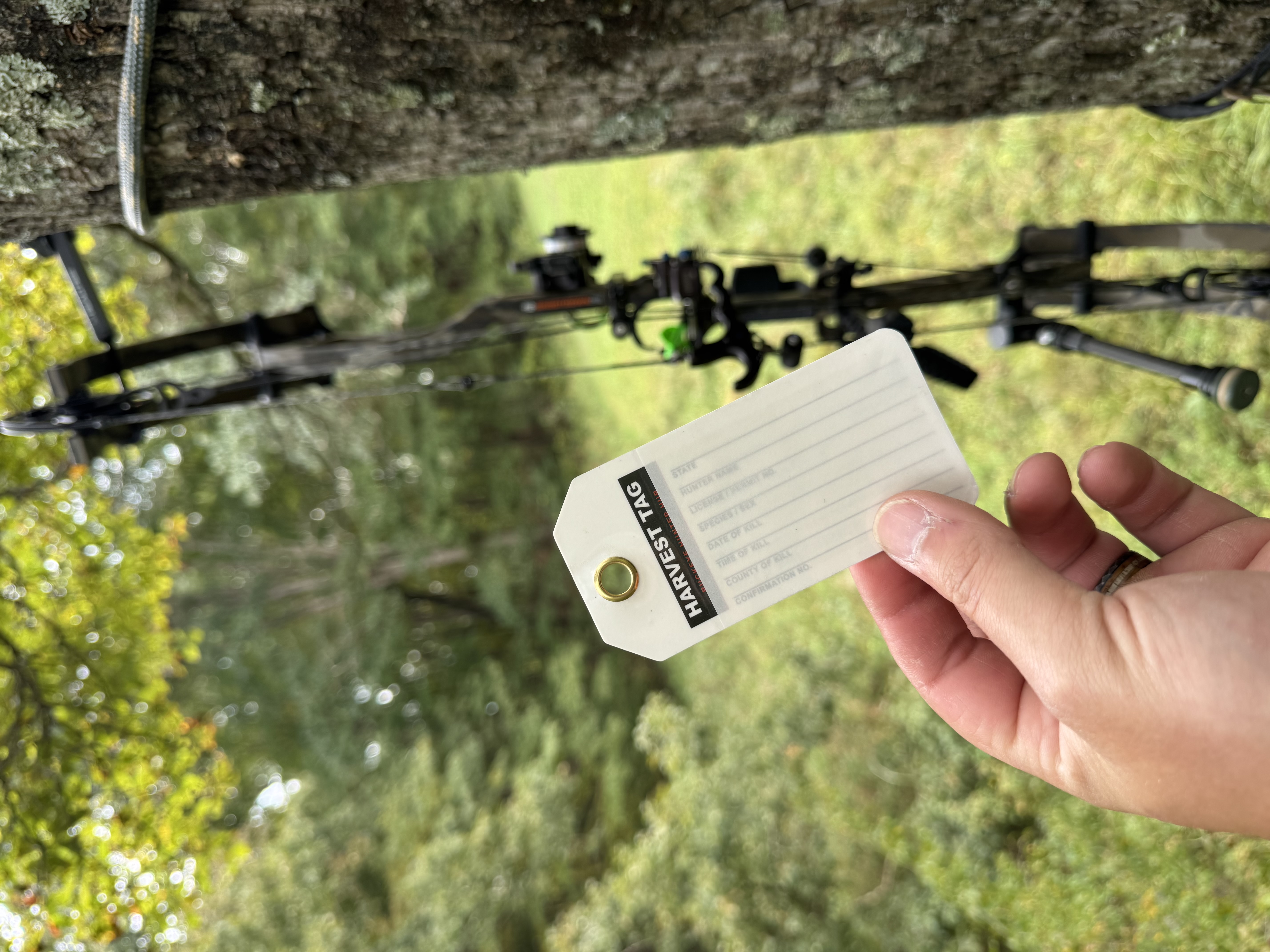
Review: Harvest Tags 5-Pack for the Serious Hunter
Are the Harvest Tags 5-Pack worth the investment for your season? We break down the durability and value of these essential gear-bag additions.
Scaling the Learning Curve: Harnessing Peer-to-Peer Wisdom in Buckeye Hunter Hub Groups
Modern hunting is a solitary pursuit in the field, but your growth doesn't have to be. Learn how tapping into the Buckeye Hunter Hub community can accelerate your skill set and turn every season into a masterclass.
Unlocking the Hawkeye State: A Strategic Guide to Iowa Public Land
Iowa is more than just rolling cornfields; it is a premier destination for big-game and upland bird hunters. Discover how to navigate the state's expansive WMA system to find your next harvest.
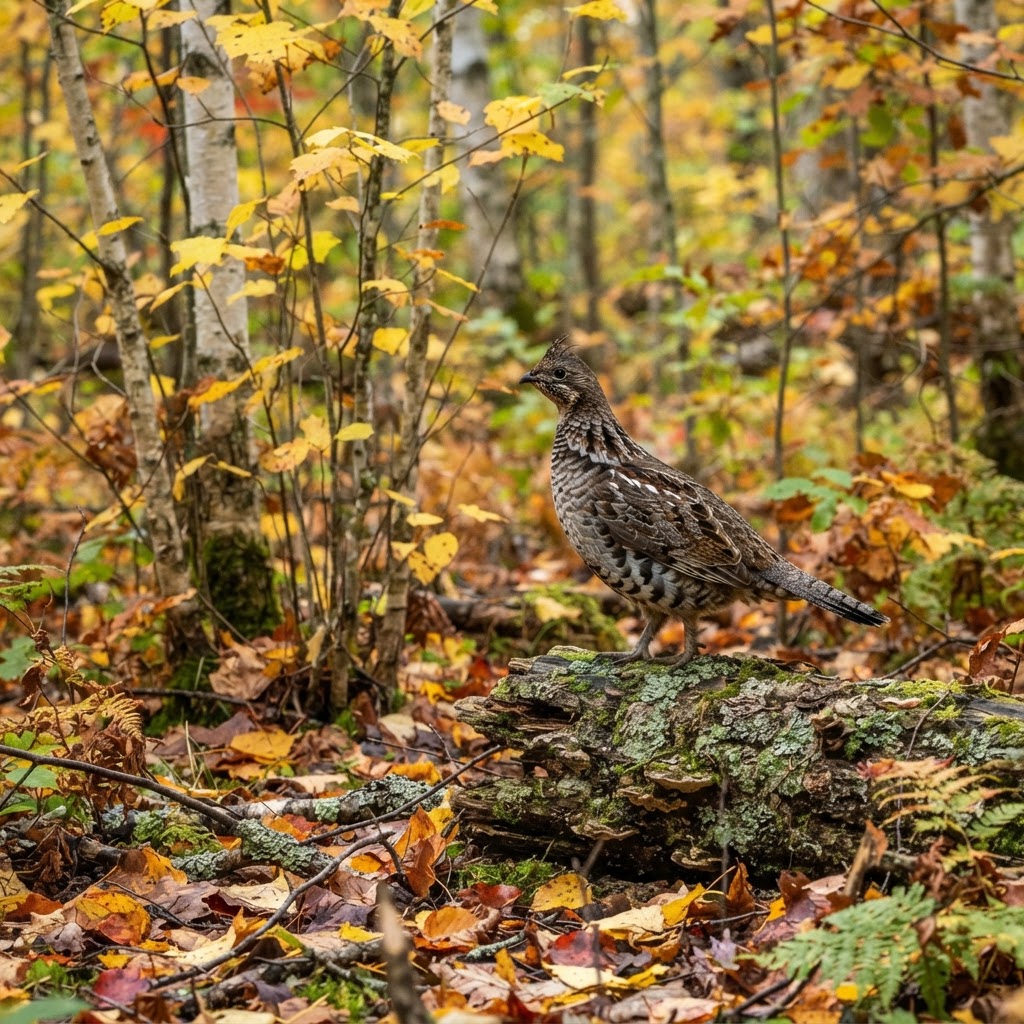
The Thunder in the Brush: A Masterclass in Ruffed Grouse Hunting
Often called the 'King of Game Birds,' the ruffed grouse is a master of camouflage and explosive flight that demands your absolute focus. Master the art of the flush with this comprehensive guide to North America's most elusive upland prize.