
Shadows of the Forest: A Comprehensive Guide to Pursuing North American Black Bears
Understanding the American Black Bear
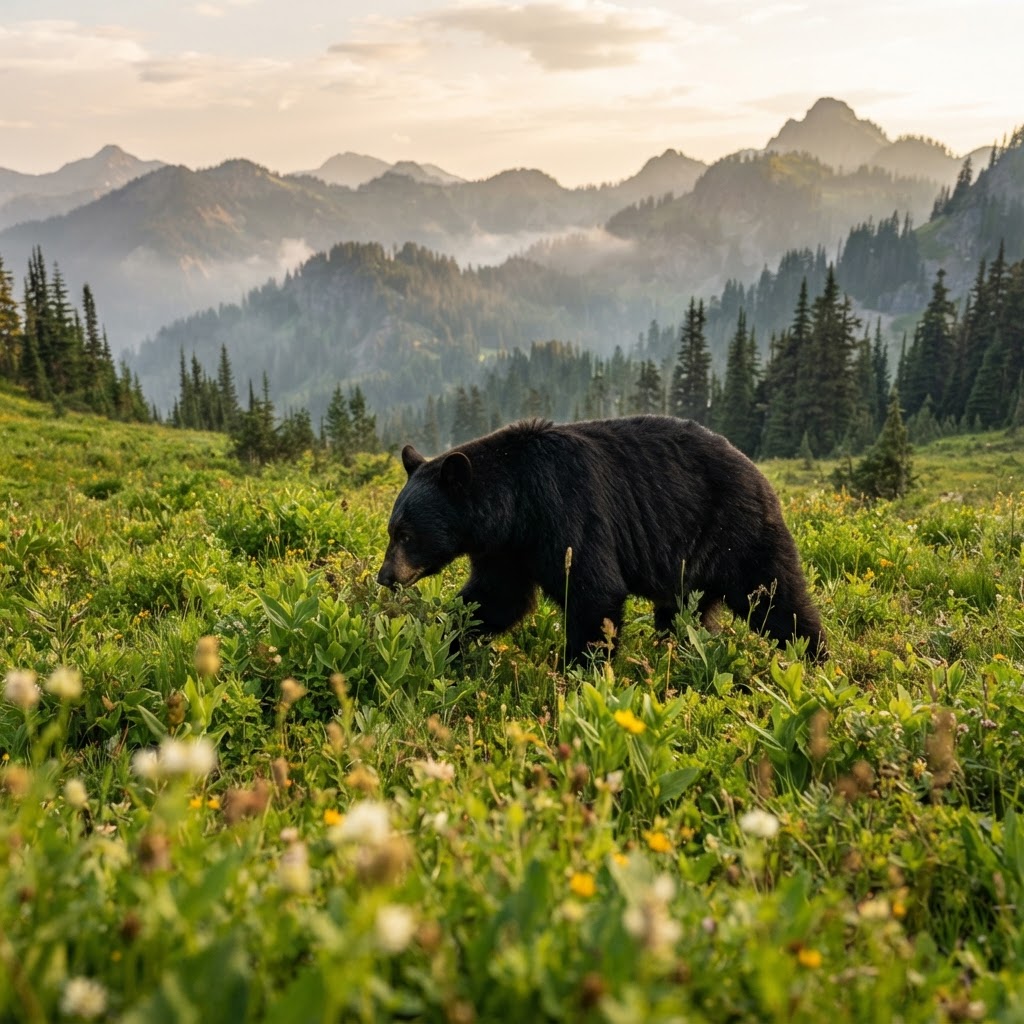
The American black bear (Ursus americanus) is perhaps the most resilient and adaptable big game animal in North America. Unlike the grizzly or polar bear, the black bear occupies a diverse range of environments, from the dense swamps of the Southeast to the high-alpine slopes of the Rocky Mountains. For the hunter, they represent a unique challenge: they are highly intelligent, possess an incredible sense of smell, and exhibit behavior that shifts rapidly based on seasonal food availability.
Free hunting map, zones & 50-state resources
Save your spots, share zones with your group, and get deer & waterfowl movement forecasts, free.
To be successful, one must first respect the animal's biology. Black bears are omnivores with a singular focus: caloric intake. Throughout the spring and summer, their behavior is dictated entirely by where they can find the next meal, whether that is fresh spring grass, succulent berries, or scavenging winter kill. Understanding this lifecycle is critical to your success in the field.
Habitat and Seasonal Patterns
Black bears move as the seasons progress. In the early spring, focus your attention on south-facing slopes where snowmelt happens first. This area produces the “green-up”—fresh, succulent grasses and sedges that provide bears with essential nutrients after emerging from their dens. As the summer heat sets in, bears gravitate toward moisture, deep canyons, and berry patches.
By the time the fall season arrives, bears enter a state known as hyperphagia, a period of frantic feeding to pack on fat reserves for winter hibernation. During this time, they become less cautious and more predictable, often frequenting oak stands for acorns or beech groves for nuts. If you are struggling to identify where the bears are hiding, consider using to pattern their movement and determine which food sources are seeing the most traffic.
Tactical Approaches: Spot-and-Stalk vs. Ambush
There are two primary ways to hunt black bears effectively in the United States. The first is the spot-and-stalk method, which is common in the open mountainous terrain of the West. This involves high-vantage glassing for hours on end, waiting for a bear to emerge from the timber to feed. It requires high-quality optics and immense patience. Once a bear is spotted, the stalk begins. It is essential to use the wind to your advantage, as a black bear’s nose can detect a hunter from over a mile away under the right conditions.
The second method, prevalent in the Midwest and East, is the ambush or stand-based hunt. This is often practiced in areas with dense cover where spotting a bear from a distance is impossible. Whether you are hunting over a natural food source or a bait site (where legal), the key is scent control and concealment. Before setting up your stand, consult local to ensure you are fully compliant with baiting regulations, as laws vary drastically by jurisdiction.
Essential Gear for the Pursuit
Success in the field requires gear that can withstand the elements and allow for precision. For the spot-and-stalk hunter, lightweight, breathable camo is non-negotiable. Because you will likely be traversing steep, uneven terrain, invest in high-quality mountain boots that provide ankle support.
When it comes to weaponry, ensure your equipment is calibrated for the task. Whether you are using a bow or a rifle, you need a setup that offers both accuracy and deep penetration. Since many bear hunts happen in low-light conditions—often early morning or late evening—a reliable, high-glass optic or a bright fiber-optic sight is a massive advantage. If you are documenting your journey, don't forget to organize your data and photos; our is a great place to see how other hunters are successfully tracking and identifying bear movement in their regions.
Washington · E-Tag State

Washington Harvest Tags
E-check means you supply the tag. Printed with the exact fields Washington requires.
3-pack $22.95

Youth Hunter Academy
Raise a safe, confident young hunter.
Safety missions for ages 5–17. Free parent account.
Ethical Considerations and Conservation
Black bear populations in the United States are healthy and, in many areas, expanding. However, ethical hunting remains the cornerstone of conservation. Always ensure positive identification of the bear before pulling the trigger. Sows with cubs are protected in many states, and even where legal, taking a sow is discouraged by the hunting community.
Remember, if you are looking to connect with others who have decades of experience in the field, joining can provide invaluable mentorship. Sharing tips, learning from others' mistakes, and celebrating a successful harvest are all part of the tradition of the hunt. Finally, ensure you are prepared for the post-harvest process. Field dressing a bear is labor-intensive and requires quick cooling of the meat to ensure the highest quality table fare. Always carry to keep your records legal and organized as you process your harvest.
Free every morning
Your Daily Briefing
One morning forecast for the spots you actually hunt and fish: deer movement, waterfowl flights, bite times, wind and shooting light.
See what's in itSet up your briefing
Join free, save a spot on the map, then pick what you hunt and fish and when you want your email.
Join 1,504 hunters and anglers on Buckeye Hunter Hub — free.
Latest from the Community


Everything you need to hunt smarter — free
Buckeye Hunter Hub is a free, nationwide platform. Create an account and unlock the full toolkit:
Free Interactive Hunting Map
Mark stands, cameras, and sign. Draw hunting zones with public land & county overlays across all 50 states.
Zones with Group Sharing
Share zones with your hunting group, split property into sections, assign stands, and check in — all in one place.
50 States of Hunting Resources
Season dates, license links, and DNR regulations for every state, kept current so you never miss an opener.
Deer Movement Forecast
Data-driven daily movement predictions using wind, moon, and pressure — know when to sit before you go.
Waterfowl Movement & Tools
Flight-potential forecasts, migration numbers, decoy spread planner, and a full species field guide.
From the Maker Bench

Taggart Outdoors
Custom Western Belt
Hand-built in the USA · $127.99
Shop the Maker
BHH Partner
Firearms, ammo and gear from a local Ohio shop in Grafton.
dnaarmory.comWashington · E-Tag State
Washington Harvest Tags
E-check means you supply the tag. Printed with the exact fields Washington requires.
3-pack $22.95
More Articles
Hoosier Heartland Horizons: A Comprehensive Guide to Indiana Public Land Hunting
Discover the hidden potential of the Hoosier State's public hunting lands with this strategic guide to finding, scouting, and harvesting game across Indiana’s diverse landscape.

Chasing Giants: Lessons from the Elliott State Forest
Four days into an Oregon elk hunt, I found myself in the middle of a herd, staring down a mud-caked giant that changed my perspective on the season.
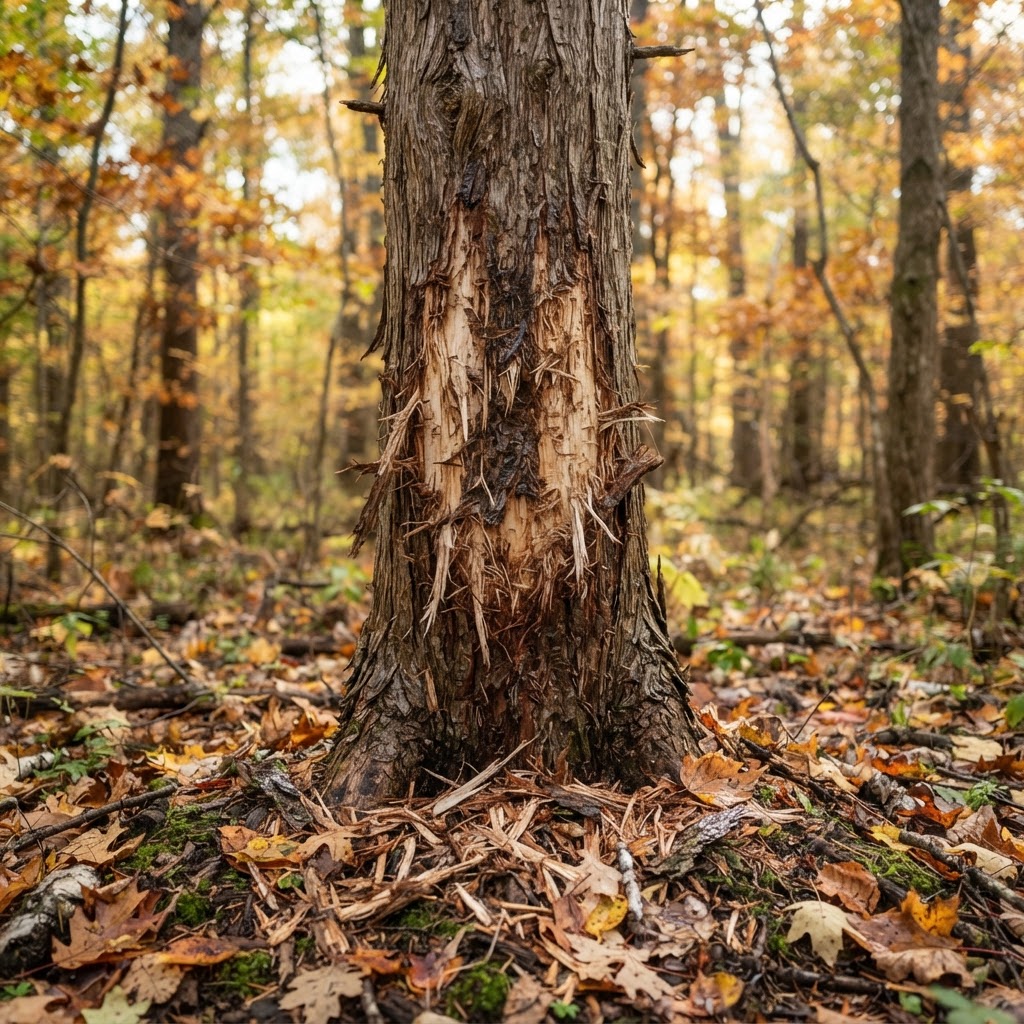
Silent Signals: A Tactical Guide to Interpreting Whitetail Sign
Success in the deer woods begins long before the shot. Learn to read the silent language of rubs, scrapes, and beds to piece together the puzzle of a mature buck’s daily routine.
Cultivating Connections: Mastering the Dynamics of Buckeye Hunter Hub Digital Forums
Hunting is often a solitary pursuit, but the greatest growth happens within a community. Discover how to leverage online networks to sharpen your skills, share your successes, and become a better woodsman through the Buckeye Hunter Hub.