
Moose Hunting in the United States: A Complete Guide to Biology, Tactics, and Gear
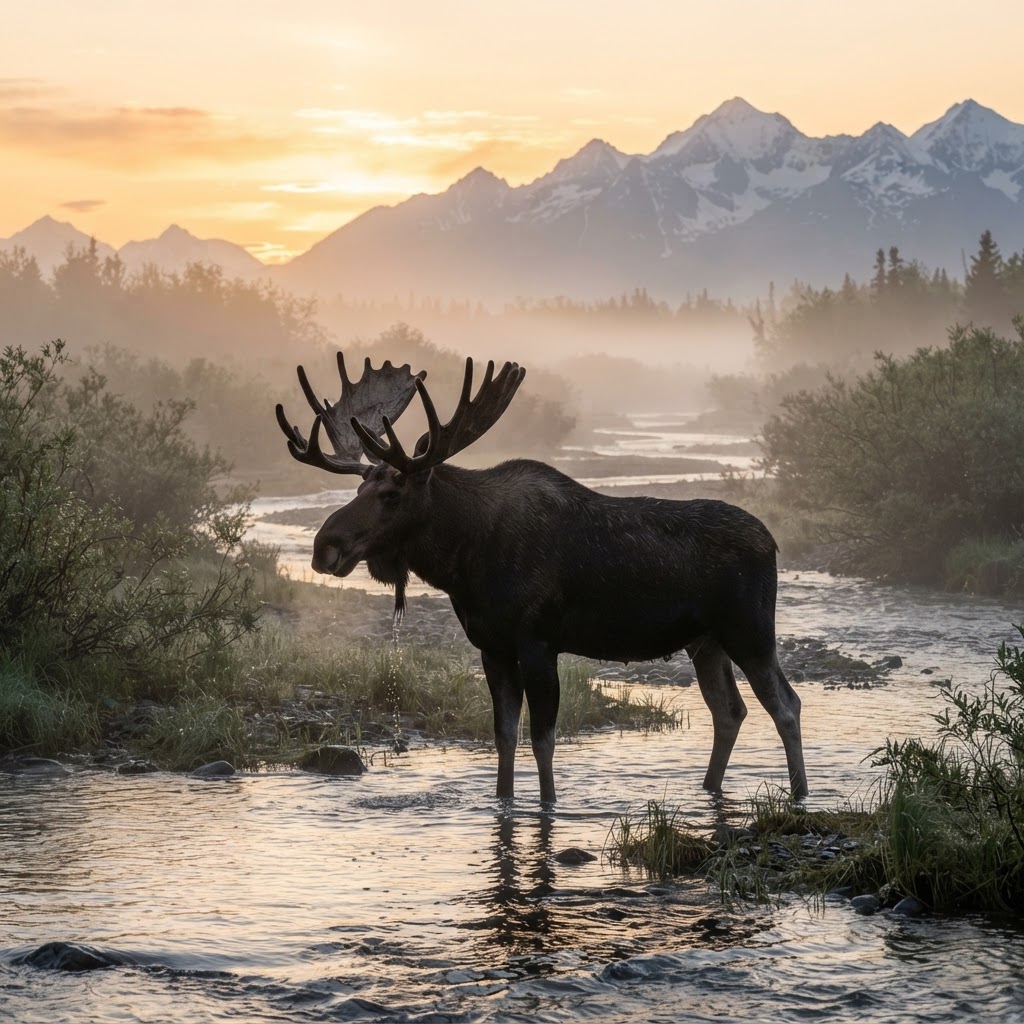
Moose Hunting in the United States: A Complete Guide
Few experiences in American hunting rival the adrenaline surge of calling in a mature bull moose through the alders. Standing over six feet tall at the shoulder and weighing upwards of 1,500 pounds, the moose is the largest member of the deer family and a true icon of the Northwoods. For hunters fortunate enough to draw a tag, a moose hunt is the kind of trip that defines a season—and often a lifetime.
Free hunting map, zones & 50-state resources
Save your spots, share zones with your group, and get deer & waterfowl movement forecasts — free.
At Buckeye Hunter Hub, we want to help you make the most of every pursuit, whether you're chasing Shiras moose in Wyoming, Alaska-Yukon giants on the tundra, or Eastern moose in the swamps of Maine. This guide covers everything from biology and behavior to tactics, gear, and timing.
Moose Biology and Behavior
Moose (Alces alces) are uniquely adapted to cold climates and browse-heavy diets. Their long legs and prehensile upper lip let them strip leaves from willows, birch, and aspen at heights other ungulates can't reach. In summer, they gravitate toward aquatic vegetation—pondweed, water lilies, and horsetail—often submerging completely to feed.
Bull moose grow palmate antlers each year, shed in late winter, and reach full growth by early September. Antler spread, palm width, and point count all factor into trophy scoring, but a mature bull is impressive by any metric. The rut kicks off in late September and runs through early October, during which bulls become highly vocal, aggressive, and responsive to calling.
Understanding moose behavior is a lot like the science of deer movement we've documented for whitetails—weather fronts, moon phase, and breeding pressure all influence when and where moose move. The difference is scale: moose cover massive territories and can be far less predictable than their smaller cousins.
Habitat and Range
In the United States, huntable moose populations span four distinct regions:
Alaska
Alaska supports the largest moose population in the country and produces the biggest bulls, including the Alaska-Yukon subspecies. Habitat ranges from coastal lowlands to Interior river bottoms and boreal forest. Hunts here are often physically demanding, requiring float planes, boats, or serious backpacking.
Rocky Mountain West
Colorado, Wyoming, Idaho, Montana, and Utah hold Shiras moose—the smallest of the North American subspecies, but still a legitimate giant. Shiras tags are among the most coveted in the lower 48, often requiring decades of preference points to draw.
Northeast
Maine has a robust moose hunt managed through a lottery system, and New Hampshire offers a limited tag draw as well. Eastern moose thrive in the mixed conifer-hardwood forests and boggy lowlands of the region. The Maine Department of Inland Fisheries & Wildlife (https://www.maine.gov/ifw/hunting-trapping/hunting-moose.html) is the authoritative source for tag applications, zones, and regulations.
Upper Midwest
Minnesota has a small, tightly managed moose season, and occasional opportunities exist in the Dakotas and Wisconsin, though these are extremely limited.
For scouting new areas, our maps can help you identify public land, access points, and terrain features before you ever boots-on-the-ground it.
Best Times of Year
E-Tag States

Harvest Tags
E-check means you supply the tag. Printed with the exact fields your state requires.
3-pack $22.95
Timing a moose hunt comes down to your goals:
- Early September (pre-rut): Bulls are solitary, feeding heavily, and rubbing velvet. Spot-and-stalk tactics shine here, especially in open tundra or alpine basins.
- Late September through early October (the rut): The gold standard for calling. Bulls are actively seeking cows and will respond to cow calls, bull grunts, and even antler raking. This is prime time across nearly all moose states.
- Late October into November: The rut winds down, bulls are exhausted, and they retreat to thick cover to feed and recover. Snow improves visibility and tracking, but bulls are less responsive to calling.
Before booking travel or taking time off work, check the hunting season calendar and confirm season dates for your specific unit, as they vary widely by state and weapon type.
Raise a safe, confident young hunter.
Guide your kids ages 5–17 through interactive hunting safety missions, real decision drills, and earned trophies — all from one free parent account.
Bonus: every $10 you spend in the BHH shop earns a free seat (up to 5). Use them or share them.




Effective Moose Hunting Tactics
Spot-and-Stalk
In open country—Alaska tundra, Wyoming basins, Montana mountains—spot-and-stalk is the most effective approach. Glass from elevated vantage points at first light, locate a feeding or bedded bull, then plan a stalk using terrain and wind to your advantage. Moose have poor depth perception but excellent hearing and sense of smell, so the wind is everything.
Calling
During the rut, calling can pull bulls from a mile away. Cow calls mimic the low, moaning vocalizations of receptive females. Bull grunts are deeper and more aggressive. Raking trees with a shoulder blade or antler simulates a bull marking territory and can provoke a dominant bull into investigating—and charging. Start soft and increase volume if you're not getting a response.
Floating and River Hunts
In Alaska, floating rivers is a classic moose strategy. It allows you to cover miles of prime habitat, glass banks for feeding bulls, and set up camps at strategic locations. This is where having a partner becomes essential—both for safety and for packing meat.
If you're looking for a hunting partner or want to connect with other moose hunters who have experience in your target unit, our community groups are a great place to start.
Gear Essentials
Moose hunting demands rugged, reliable gear. You're often miles from a road, working in cold and wet conditions, and potentially packing out hundreds of pounds of meat.
Optics
A quality 10x42 or 12x50 binocular and a spotting scope are non-negotiable. Spend more time glassing than walking.
Footwear and Layering
Insulated, waterproof boots rated for cold weather, a merino base layer, an insulating mid-layer, and a bombproof rain shell. Layer for active stalking and static glassing alike.
Firearm and Caliber
Moose are tough. Most experienced hunters recommend a .30-06, .300 Win Mag, .338 Win Mag, or similar, with heavy-for-caliber bullets in the 180–220 grain range. Shot placement matters more than caliber—aim for the boiler room and be prepared for a follow-up.
Meat Care
Game bags, a quality knife, a bone saw, and a plan for cooling and transporting meat. In remote Alaska, a satellite communicator is a wise investment. For everything else, shop our gear to stock up on field-tested essentials.
Tips for New Moose Hunters
- Apply everywhere you can. Maine, New Hampshire, Wyoming, Colorado, and Alaska all have different draw systems. Building points now keeps future options open.
- Hire an outfitter if you're new. Moose hunting has a steep learning curve, and a guided hunt dramatically increases your odds of success and proper meat care.
- Get in shape. Moose hunts are physical. Start conditioning months in advance—cardio, core strength, and pack training.
- Know the regs. Every state manages moose differently. Use our state hunting resources to find DNR links, tag info, and unit boundaries before you apply.
Tips for Experienced Moose Hunters
- Focus on satellite bulls during peak rut. The biggest bulls often herd cows in remote pockets, but satellite bulls travel widely and are more responsive to calling.
- Hunt the secondary rut. In late October, younger cows come into estrus and bulls feed aggressively again. Snow makes tracking productive.
- Leverage AI scouting tools. Platforms can help you analyze weather windows, wind patterns, and movement forecasts to fine-tune your hunt timing—especially valuable on once-in-a-lifetime tags.
Final Thoughts
A moose tag is a rare and precious opportunity, regardless of where you draw it. Whether you're floating a remote Alaskan river, glassing Wyoming ridgelines, or working Maine spruce bogs, the key is preparation: understand the animal, scout the habitat, dial in your gear, and respect the physical demands of the hunt.
For more hunting insights, tactics, and stories from across the country, bookmark our site and keep planning your next adventure with Buckeye Hunter Hub.
Good luck, hunt hard, and pack it out clean.
Explore More on Buckeye Hunter Hub
<!-- links-cleaned -->Join 452 hunters and anglers on Buckeye Hunter Hub — free.
Latest from the Community


New drop
Fresh Buckeye Hunter Hub tees & hoodies


Everything you need to hunt smarter — free
Buckeye Hunter Hub is a free, nationwide platform. Create an account and unlock the full toolkit:
Free Interactive Hunting Map
Mark stands, cameras, and sign. Draw hunting zones with public land & county overlays across all 50 states.
Zones with Group Sharing
Share zones with your hunting group, split property into sections, assign stands, and check in — all in one place.
50 States of Hunting Resources
Season dates, license links, and DNR regulations for every state, kept current so you never miss an opener.
Deer Movement Forecast
Data-driven daily movement predictions using wind, moon, and pressure — know when to sit before you go.
Waterfowl Movement & Tools
Flight-potential forecasts, migration numbers, decoy spread planner, and a full species field guide.
From the Maker Bench

Taggart Outdoors
Padded Rifle Sling
Hand-built in the USA · $134.99
Shop the MakerNew drop
Fresh Buckeye Hunter Hub tees & hoodies
Shop This

StopBox Pro Ward | Wall-Mounted
$179.00$199.99

StopBox Pro Compact
$159.00$179.99

BHH Grit Whitetail Tee
$20.55

Buckeye Hunter Hub Hoodie — Woodie
$32.87
E-Tag States
Harvest Tags
E-check means you supply the tag. Printed with the exact fields your state requires.
3-pack $22.95
More Articles
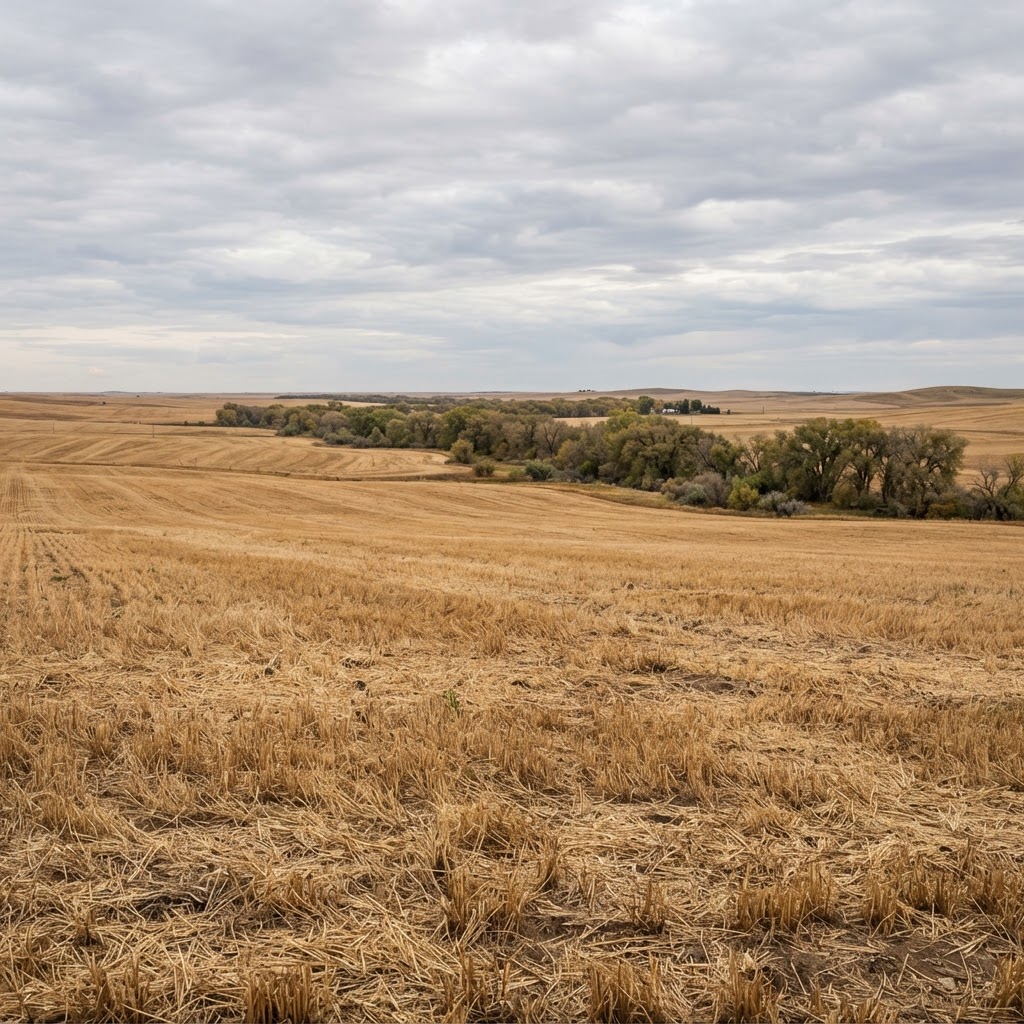
The Heartland Frontier: Mastering Public Land Hunting in Kansas
Kansas offers some of the best public hunting opportunities in the Great Plains, but success requires strategy and a solid game plan. Discover how to navigate the Sunflower State’s vast walk-in access programs and state wildlife areas.
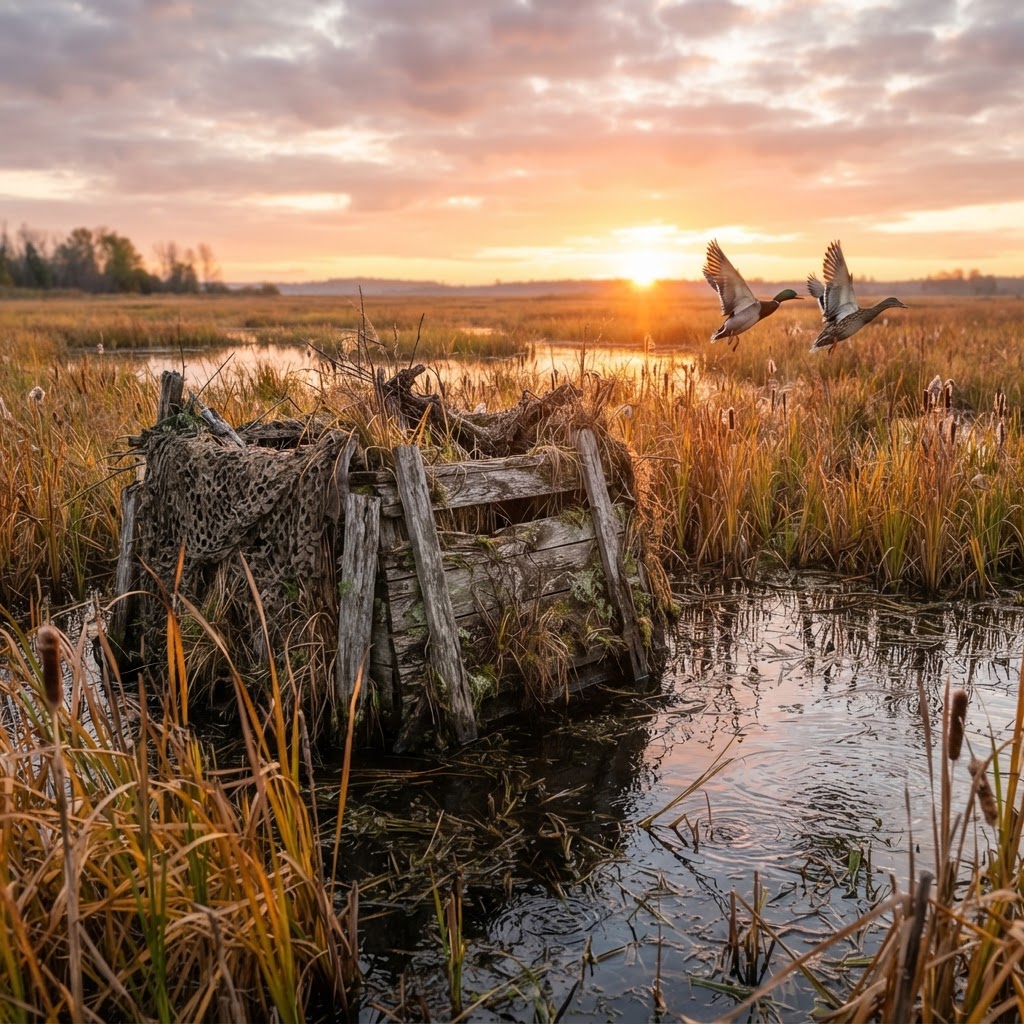
Canvas in Your Pocket: Elevating Your Screen with Classic Waterfowl Art
Bring the heritage of the marsh to your digital workspace with our new line of retro-inspired waterfowl wallpapers, featuring everything from public land mallards to elusive wood ducks.
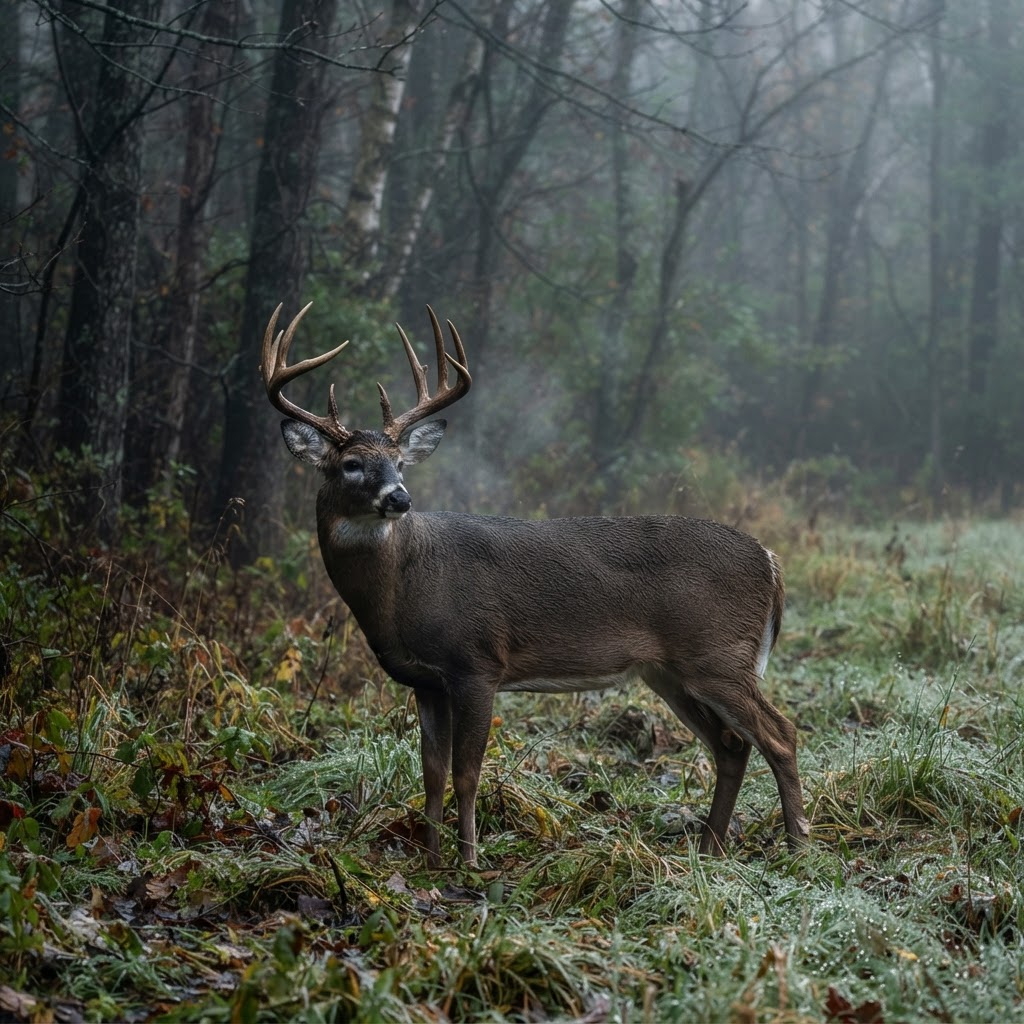
Best Barometric Pressure for Deer Hunting: What the Data Really Says
Is the pressure rising or falling, and does it actually move deer? We break down the peer-reviewed telemetry data to separate weather myths from field reality.
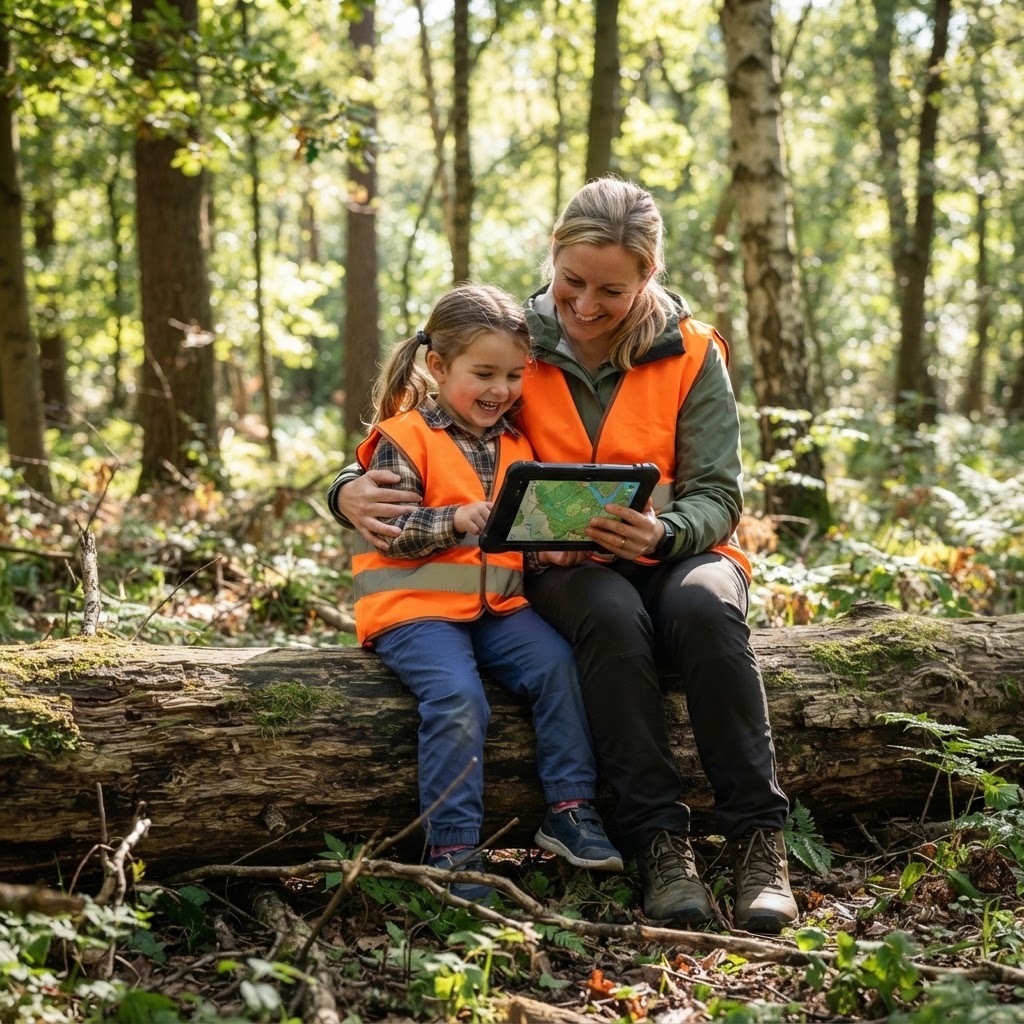
Passing the Torch: Building a Foundation for the Next Generation of Outdoorsmen
Introducing the BHH Youth Hunters Academy, a dedicated partner providing interactive, parent-guided safety education to help your kids master the woods with confidence.