Best Barometric Pressure for Deer Hunting: What the Data Really Says
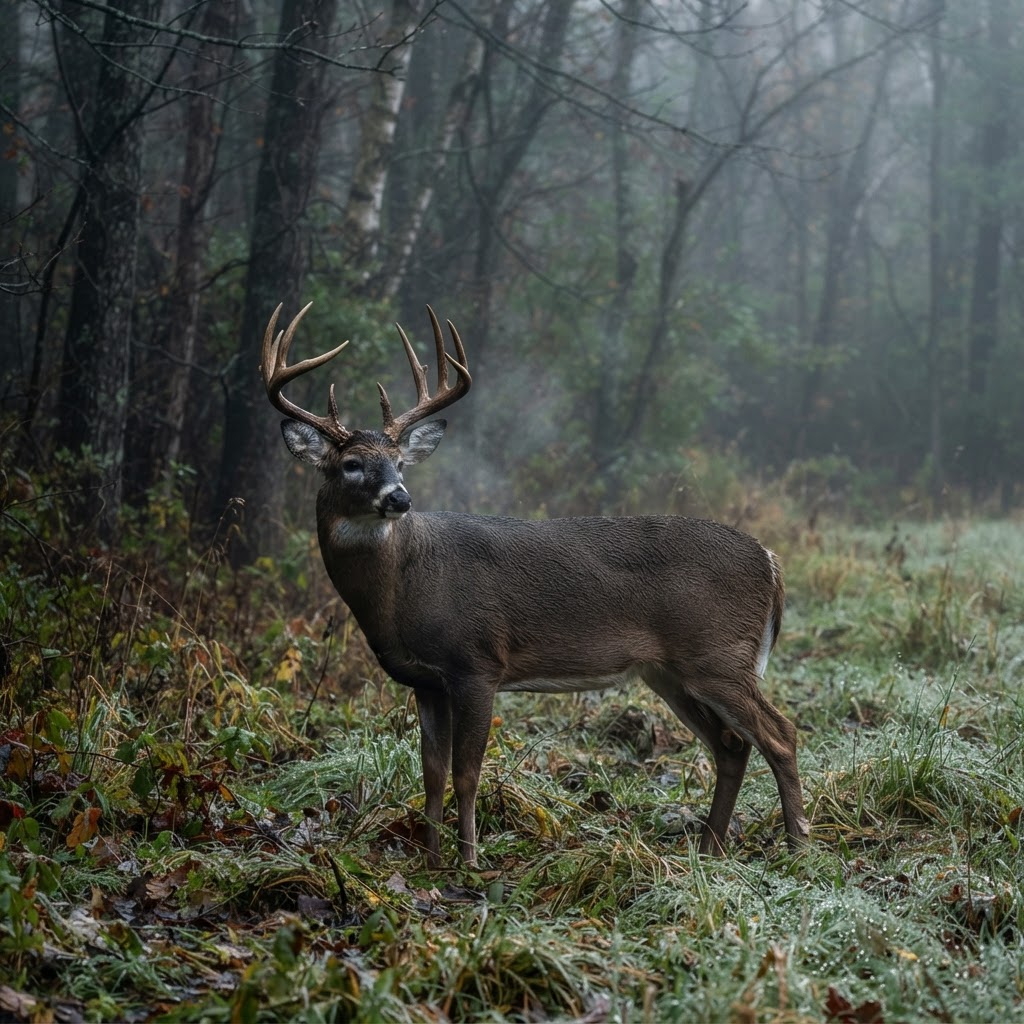
The Science of Atmospheric Pressure and Deer Activity
For decades, hunters have stood in the woods staring at their barometers, hoping for that 'magical' number that guarantees a buck on its feet. The prevailing wisdom often suggests that high pressure is good, low pressure is bad, or that the 'rising pressure' following a cold front is the holy grail of deer movement. However, when we strip away the anecdotal evidence and look at peer-reviewed telemetry data—specifically long-term GPS-collar studies—a more nuanced and biologically driven picture emerges.
Free hunting map, zones & 50-state resources
Save your spots, share zones with your group, and get deer & waterfowl movement forecasts — free.
At Buckeye Hunter Hub, we believe in grounded, data-driven decisions. Understanding requires us to look at how deer prioritize energy expenditure versus foraging opportunities. Atmospheric pressure isn't a mystical force; it is an indicator of air density and, more importantly, a proxy for changing weather systems.
Pressure as a Meteorological Marker
Barometric pressure changes in lockstep with the passage of weather fronts. A dropping pressure reading typically signifies an approaching low-pressure system, often bringing rain, wind, and temperature fluctuations. Conversely, a rising barometric pressure reading usually indicates that a high-pressure system—and generally calmer, cooler weather—is moving in.
Deer are prey animals that prioritize survival above all else. They are not 'triggered' to move by the pressure reading itself, but rather by the physiological necessity of feeding before and after the arrival of a system that might restrict their movement. When a storm front approaches, the drop in pressure often serves as a natural 'dinner bell.' Deer will frequently feed heavily in the hours leading up to a low-pressure event, seeking to fill their rumen before they hunker down to wait out the inclement weather. This is where hunters see the most consistent success—not because of the pressure gauge, but because of the biological response to atmospheric instability.
The Hierarchy of Movement Drivers
If you want to master the woods, you must weigh your variables correctly. Many hunters obsess over the moon phase, but telemetry studies consistently show that the lunar cycle is a weak, secondary factor compared to weather patterns. Here is the realistic hierarchy of what actually forces a buck to get on its feet:
- Photoperiod (The Rut): This is the master clock. Regardless of the barometer, a buck’s hormonal drive during the breeding season will trump almost any other environmental condition.
- Temperature Swings: Deer are thermal-regulated creatures. A rapid drop in temperature during the late season will almost always trigger movement as they seek high-calorie food sources to maintain core body heat.
- Weather Fronts (Pressure Changes): The 'pre-front' and 'post-front' activity windows are where barometric pressure plays its role as a marker for stable or unstable conditions.
- Wind: High, erratic winds will shut down movement faster than any barometric reading, as it hinders their ability to detect predators.
- Moon Phase: Significant in marine biology, but minimal in terrestrial deer behavior compared to the immediate stressors above.
E-Tag States

Harvest Tags
E-check means you supply the tag. Printed with the exact fields your state requires.
3-pack $22.95
Actionable Thresholds for the Field
Instead of chasing a specific number on your watch, focus on the trend. A steady barometer—whether high or low—is usually associated with stable conditions. Stability usually leads to predictable, 'normal' feeding patterns.
The real magic happens during the transition. If you see the pressure dropping rapidly, plan your hunt for the immediate 'pre-front' window. This is your high-percentage time. Once the front hits and the pressure begins to bottom out, you will often find deer in the thickest cover available, waiting for the wind to subside. When the pressure begins to climb post-front, wait for the sky to clear; that first period of high pressure after a storm is arguably the best time to be in a stand, as deer often emerge to feed after being forced to stay bedded during the storm.
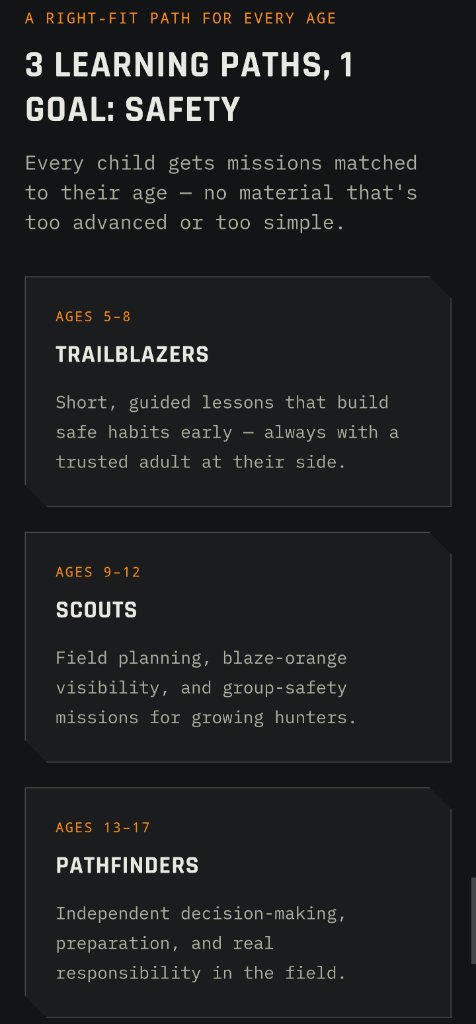
Raise a safe, confident young hunter.
Guide your kids ages 5–17 through interactive hunting safety missions, real decision drills, and earned trophies — all from one free parent account.
Bonus: every $10 you spend in the BHH shop earns a free seat (up to 5). Use them or share them.



Integrating Data into Your Strategy
Your scouting strategy should be as dynamic as the weather. Using can help you verify how these specific weather windows affect the deer on your specific property. While a general regional forecast might suggest a trend, your local topography—how a ridge might trap cold air or how a valley might channel the wind—will dictate how deer react to these pressure shifts.
Remember, science is a tool, not a guarantee. Use these pressure trends as a way to narrow down your windows of opportunity, but never ignore the fundamental signs of the rut or the available food sources in your area. For those looking to stay ahead of the curve, keep an eye on our to help align your time in the stand with the conditions that truly drive deer behavior.
Join 444 hunters and anglers on Buckeye Hunter Hub — free.
Latest from the Community


New drop
Fresh Buckeye Hunter Hub tees & hoodies


Everything you need to hunt smarter — free
Buckeye Hunter Hub is a free, nationwide platform. Create an account and unlock the full toolkit:
Free Interactive Hunting Map
Mark stands, cameras, and sign. Draw hunting zones with public land & county overlays across all 50 states.
Zones with Group Sharing
Share zones with your hunting group, split property into sections, assign stands, and check in — all in one place.
50 States of Hunting Resources
Season dates, license links, and DNR regulations for every state, kept current so you never miss an opener.
Deer Movement Forecast
Data-driven daily movement predictions using wind, moon, and pressure — know when to sit before you go.
Waterfowl Movement & Tools
Flight-potential forecasts, migration numbers, decoy spread planner, and a full species field guide.
From the Maker Bench

Taggart Outdoors
Padded Rifle Sling
Hand-built in the USA · $134.99
Shop the MakerNew drop
Fresh Buckeye Hunter Hub tees & hoodies
Shop This

StopBox Pro Ward | Wall-Mounted
$179.00$199.99

StopBox Pro Compact
$159.00$179.99

BHH Grit Whitetail Tee
$20.55

Buckeye Hunter Hub Hoodie — Woodie
$32.87
E-Tag States
Harvest Tags
E-check means you supply the tag. Printed with the exact fields your state requires.
3-pack $22.95
More Articles
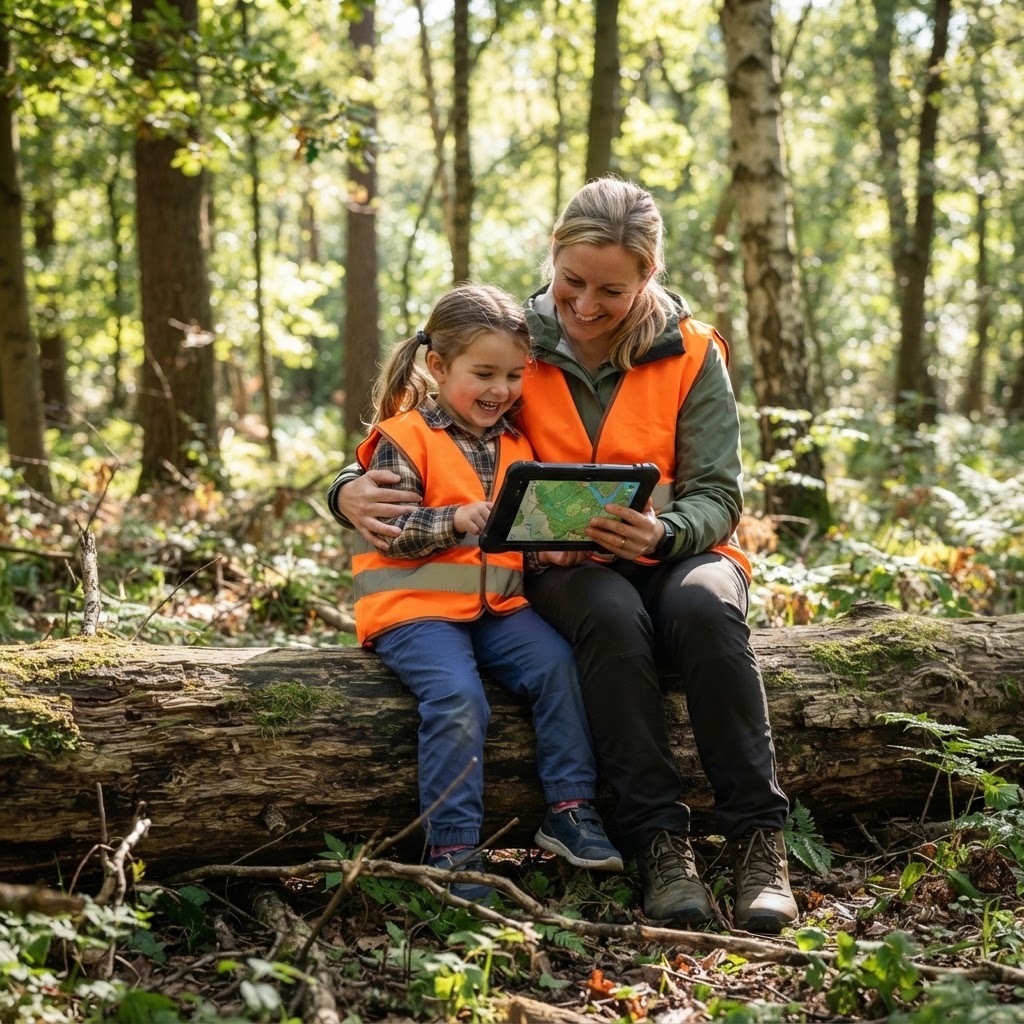
Passing the Torch: Building a Foundation for the Next Generation of Outdoorsmen
Introducing the BHH Youth Hunters Academy, a dedicated partner providing interactive, parent-guided safety education to help your kids master the woods with confidence.
Navigating State Regulations: How to Stay Legal and Ready with Buckeye Hunter Hub
Tired of jumping between dozens of state DNR websites to verify season dates? Simplify your planning and stay compliant with our centralized nationwide hub.
North American Icons: The Comprehensive Guide to Pursuing Whitetail Deer
From the hardwood ridges of the Midwest to the dense pine thickets of the South, mastering the elusive whitetail requires a blend of ancient woodsmanship and modern strategy.
October Archery Tactics: Battling the Early Season Heat
It is October 6, and the early season heat is in full effect. I am currently in the stand sharing my experience hunting in these sweltering conditions.