Mastering the Woodsmanship: How to Read Deer Sign Like a Pro
Deciphering the Landscape: Your Guide to Reading Deer Sign
For many hunters, the difference between a tag-soup season and a successful harvest isn't just about high-end gear or time in the stand; it is about woodsmanship. A seasoned hunter reads the woods like a book, interpreting the subtle clues left behind by white-tailed deer. If you want to elevate your game this season, you need to understand the three pillars of deer sign: rubs, scrapes, and beds. Here is how Buckeye Hunter Hub helps you put the pieces of the puzzle together.
Raise a safe, confident young hunter.
Guide your kids ages 5–17 through interactive hunting safety missions, real decision drills, and earned trophies — all from one free parent account.



Decoding Rubs: Mapping the Path
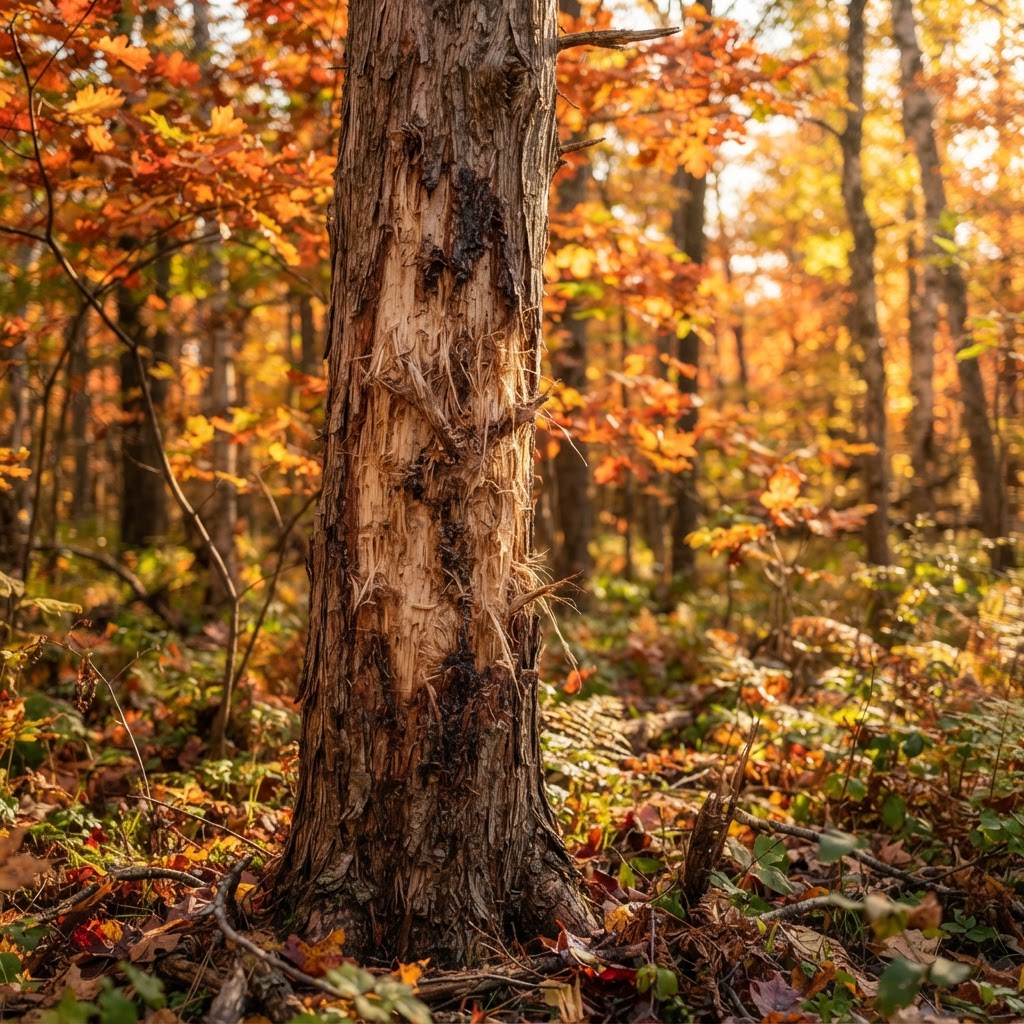
A rub occurs when a buck uses its antlers to strip the bark off a tree, signaling dominance and marking territory. Not all rubs are created equal. A small, scattered rub on a sapling is often just a buck clearing velvet or testing its strength. However, 'hooking' or thrashing on trees with a diameter of four inches or more indicates a mature buck’s core area.
When scouting, pay attention to the orientation of the rub. Bucks almost always rub the side of the tree facing their direction of travel. By tracing a line of rubs, you can often identify a travel corridor or the primary route a buck takes between his bedroom and the local food source. If you find a 'rub line' that leads into a dense thicket, you have likely found the entrance to a buck's sanctuary.
The Art of the Scrape
Scrapes are the most misunderstood form of deer communication. A scrape is essentially a patch of bare earth where a deer has pawed away the leaves and organic material, often accompanied by a 'licking branch' hanging above. While active from early autumn through the rut, their meaning changes as the season progresses.
Free hunting map, zones & 50-state resources
Save your spots, share zones with your group, and get deer & waterfowl movement forecasts — free.
Early in the season, scrapes are community bulletin boards. Bucks and does use them to check the status of local deer. As the pre-rut heats up, those scrapes become the center of the breeding universe. Finding an active scrape with fresh, dark soil and a broken licking branch is like finding a goldmine. To maximize your efficiency, check the to see if local activity matches the weather patterns. Understanding helps you predict whether that scrape will be hit during the morning or evening hours.
Identifying Bedding Areas
Bedding areas are the holy grail of hunting locations. Deer spend the vast majority of their lives in their beds, so finding them means you are hunting where the deer actually feel safe. A deer bed is essentially a depression in the ground, often hidden in tall grass, thick brush, or on small knolls that offer a vantage point.
Look for sign density. If you find multiple beds in one concentrated area, you have found a bedding cluster. Remember that bucks are notorious for bedding on the downwind side of a ridge or thicket, allowing them to scent-check anything approaching from behind while watching the area in front of them with their eyes. Hunting too close to a bedding area can spook your target, so use your to find pinch points or funnels that lead away from these sanctuaries. It is often more effective to catch them as they transition toward feeding areas during the twilight hours rather than invading their living room.
Putting It All Together
Once you have identified these three signs, the next step is applying them to the current . Deer behavior is fluid; a buck might use a bedding area in the early season but shift his range entirely once the corn is harvested or the temperatures drop.
If you are scouting new ground, don't forget to leverage to understand local regulations and habitat management programs that might influence deer density in your area. You can also connect with fellow outdoorsmen in our to discuss how specific terrain features in your region—like river bottoms or oak ridges—influence how bucks travel during the rut.
Final Tips for Success
- Think Like the Buck: A mature buck will prioritize safety above all else. If you are tracking sign, ask yourself why a deer would choose that specific spot. Does it offer wind protection? Is it difficult to approach?
- Stay Quiet: When checking scrapes and rub lines, keep your intrusion to a minimum. Use scent control and keep your eyes scanning for secondary clues like droppings or tracks that confirm the age and frequency of the activity.
- Adaptability is Key: If the sign you found two weeks ago has gone cold, don't be afraid to move. A buck’s home range can span hundreds of acres; follow the fresh sign rather than sticking to a stand that hasn't yielded results.
By mastering the ability to read the forest floor, you transition from someone who just sits in the woods to a hunter who truly understands the habits of the game. For more tips on tactics, gear, and field craft, keep checking back at for our latest insights and expert breakdowns.
Everything you need to hunt smarter — free
Buckeye Hunter Hub is a free, nationwide platform. Create an account and unlock the full toolkit:
Free Interactive Hunting Map
Mark stands, cameras, and sign. Draw hunting zones with public land & county overlays across all 50 states.
Zones with Group Sharing
Share zones with your hunting group, split property into sections, assign stands, and check in — all in one place.
50 States of Hunting Resources
Season dates, license links, and DNR regulations for every state, kept current so you never miss an opener.
Deer Movement Forecast
Data-driven daily movement predictions using wind, moon, and pressure — know when to sit before you go.
Waterfowl Movement & Tools
Flight-potential forecasts, migration numbers, decoy spread planner, and a full species field guide.

American Express® Gold Card
Earn big on the things you love—dining, groceries, and travel. Apply through my referral link below.
- Up to 100,000 Membership Rewards® Points after you use your new Card to make $8,000 in purchases in the first 6 months—upon approval.
- 4X Membership Rewards® Points at restaurants worldwide, plus takeout and delivery in the U.S.
- 4X Points at U.S. supermarkets (on up to $25,000 per year, then 1X).
- 3X Points on flights booked directly with airlines or on amextravel.com.
- Up to $120 in annual dining credits at select partners (enrollment required).
Terms apply. Offer subject to approval by American Express. This is a referral link—I may receive Membership Rewards® Points if you are approved.
More Articles

Introducing the Waterfowl Line Art Crewneck: Field-Ready Style for Every Season
Upgrade your outdoor wardrobe with our new Waterfowl Line Art Crewneck Sweatshirt—a seamless blend of artistic detail and premium comfort designed for the modern sportsman.

Carry Your Passion: Introducing the New Waterfowl Line Art Tote Bag
Upgrade your gear hauler with the new Waterfowl Line Art Tote Bag from Buckeye Hunter Hub, designed for those who live life in the field.

Introducing the Waterfowl Line Art Bandana: Your New Blind-Bag Essential
Upgrade your gear with the new Waterfowl Line Art Bandana from Buckeye Hunter Hub, designed for versatility in the field and style at the boat ramp.

Introducing the Waterfowl Line Art Beanie: Style Meets the Blind
Upgrade your outdoor wardrobe with the new Waterfowl Line Art Beanie, a perfect blend of artistic detail and rugged functionality for hunters and anglers.