Mastering the Woods: Interpreting Deer Sign for Consistent Success
The Art of Reading the Landscape
Every hunter walks through the woods, but only a few truly see them. Success in the deer woods is rarely a product of luck; it is a direct result of how well you can decode the subtle environmental cues left behind by your quarry. Whether you are hunting vast public timber or managing a small private woodlot, understanding how to read deer sign—specifically the triad of rubs, scrapes, and beds—is the fastest way to shrink the size of your hunting area and increase your odds of a clean shot.
Free hunting map, zones & 50-state resources
Save your spots, share zones with your group, and get deer & waterfowl movement forecasts — free.
When you start piecing together these environmental clues, you move from merely hoping for an encounter to orchestrating one. If you want to refine your scouting further, you can use our to cross-reference your ground findings with digital movement data, giving you a comprehensive view of how deer are interacting with your terrain.
Rubs: The Sign of Testosterone and Territoriality
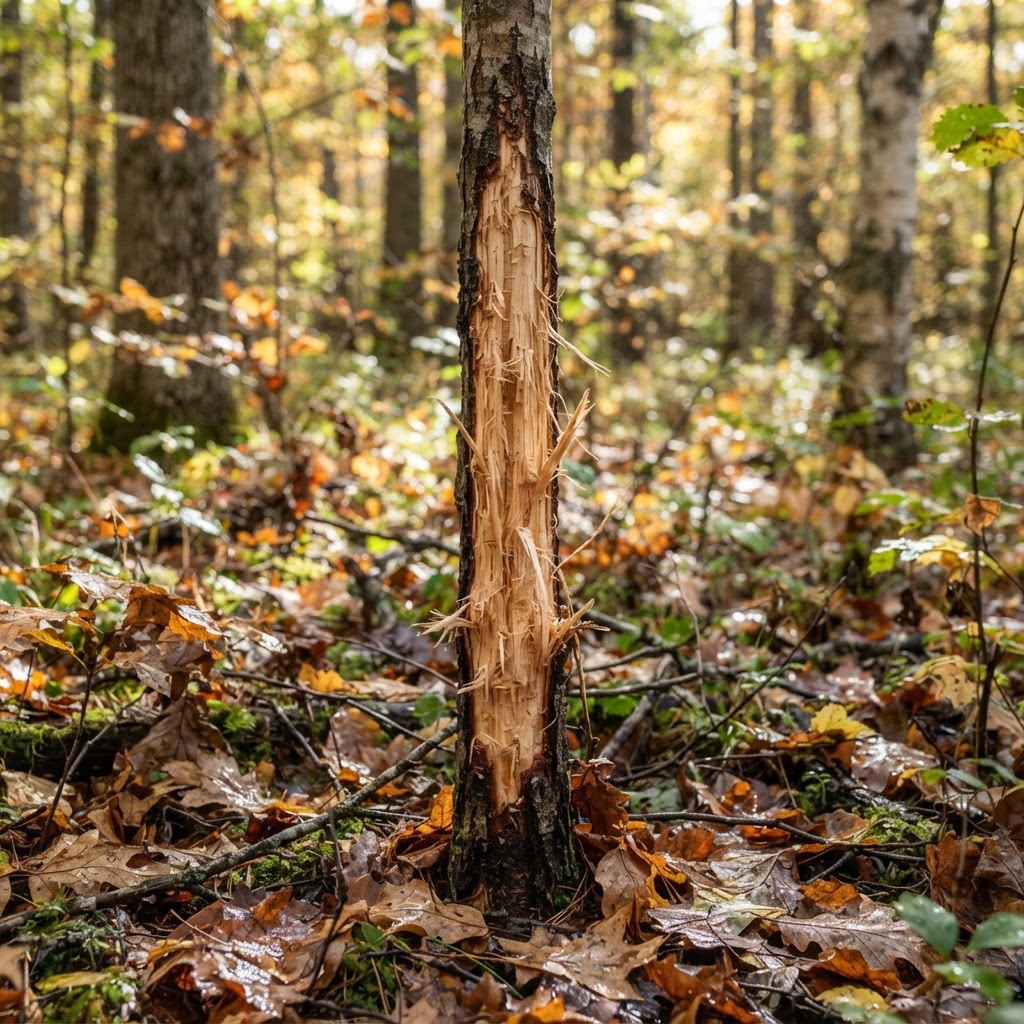
A rub occurs when a buck uses his antlers to strip the bark from trees, typically as a way to strengthen neck muscles and deposit scent from forehead glands. While many hunters get excited by any rub they find, not all rubs are created equal.
Identifying Quality Rubs
- Rub Lines: A series of rubs leading in a specific direction often indicates a travel corridor between bedding and feeding areas. These are golden for setting up a stand.
- The Diameter of the Tree: A buck rubbing a sapling the size of a pencil is common, but a buck that has shredded a tree with a trunk diameter of four inches or more is a mature animal with significant neck strength.
- Frequency: Multiple trees rubbed in a single small area suggests a primary staging point. This is often where a buck pauses to scent-check the wind before entering a field.
Scrapes: The Communication Hubs
Scrapes are the most misunderstood form of deer sign. They are the social media of the whitetail world. By digging away the leaf litter and rubbing scent onto the overhanging licking branch, bucks and does communicate their presence, breeding readiness, and dominance.
Focus on active scrapes rather than old, leaf-filled ones. An active scrape will have dark, damp soil and often a distinct, musky odor. If you find a massive "community scrape" with multiple licking branches, you have found a focal point of deer movement. These are best hunted during the pre-rut and the seeking phase of the rut. If you aren't sure if the rut is currently peaking in your area, consult the to align your strategy with current biological trends.
E-Tag States

Harvest Tags
E-check means you supply the tag. Printed with the exact fields your state requires.
3-pack $22.95
Decoding Bedding Areas
Finding a bed is the ultimate "end-game" scouting tactic. Deer are creatures of comfort, and they choose their bedding sites based on three primary factors: security, thermal regulation, and wind advantage.
How to Spot a Bed
Look for depressions in the leaves or grass, often located on terrain features that provide a view of the downwind side. Mature bucks are notorious for bedding on the edges of thickets, usually with their back to a slope or a dense blowdown, allowing them to watch their backtrail while monitoring the wind for danger.
Raise a safe, confident young hunter.
Guide your kids ages 5–17 through interactive hunting safety missions, real decision drills, and earned trophies — all from one free parent account.
Bonus: every $10 you spend in the BHH shop earns a free seat (up to 5). Use them or share them.



When you find a fresh bed, take note of the wind direction that day. If the wind was blowing from the north, and the deer was bedded in a spot that allowed it to smell everything to its north, you have discovered a preferred bedding wind. This is invaluable information for planning your entry and exit routes to avoid bumping deer before you even get to your stand.
Putting It All Together: The Holistic Scouting Approach
Reading sign is about building a mental map of how deer utilize the landscape throughout the day. Rubs generally indicate where a buck travels, scrapes indicate where a buck socializes, and beds indicate where a buck feels safe.
If you find a trail leading from a bedding area to a rub line that terminates at a massive scrape, you have found a high-probability ambush spot. Don't rush into these areas; keep your footprint small and use to scout the terrain features—like funnels, saddles, and benches—that often connect these three types of sign. Remember, deer are opportunistic, but they are also lazy; they will take the path of least resistance through cover. If you can find where the topography forces them into a narrow pinch point, the sign you find will be much easier to read and act upon.
Ultimately, the more time you spend on the ground, the more "sign language" you will learn. Don't be discouraged if you don't find a monster buck on your first trek. Scouting is a year-round commitment that pays dividends when the temperature drops and the leaves fall. By systematically mapping out the rubs, scrapes, and beds in your area, you transition from a participant in the woods to a predator who understands the rhythm of the game.
Join 409 hunters and anglers on Buckeye Hunter Hub — free.
Latest from the Community


New drop
Fresh Buckeye Hunter Hub tees & hoodies


Everything you need to hunt smarter — free
Buckeye Hunter Hub is a free, nationwide platform. Create an account and unlock the full toolkit:
Free Interactive Hunting Map
Mark stands, cameras, and sign. Draw hunting zones with public land & county overlays across all 50 states.
Zones with Group Sharing
Share zones with your hunting group, split property into sections, assign stands, and check in — all in one place.
50 States of Hunting Resources
Season dates, license links, and DNR regulations for every state, kept current so you never miss an opener.
Deer Movement Forecast
Data-driven daily movement predictions using wind, moon, and pressure — know when to sit before you go.
Waterfowl Movement & Tools
Flight-potential forecasts, migration numbers, decoy spread planner, and a full species field guide.
From the Maker Bench

Taggart Outdoors
Padded Rifle Sling
Hand-built in the USA · $134.99
Shop the MakerNew drop
Fresh Buckeye Hunter Hub tees & hoodies
Shop This

StopBox Pro Ward | Wall-Mounted
$179.00$199.99

StopBox Pro Compact
$159.00$179.99

Buckeye Hunter Hub Tee — Two Kinds of Camo Shield
$20.55

BHH Grit Whitetail Tee
$20.55
E-Tag States
Harvest Tags
E-check means you supply the tag. Printed with the exact fields your state requires.
3-pack $22.95
More Articles
Secure Your Sidearm: The Ultimate Guide to Vehicle Carry
When you are on the road, quick access meets reliable security. Discover why the StopBox Pro Compact is the go-to solution for every hunter's vehicle.

Elevating In-Store Security: The Buckeye Hunter Hub Retail Partner Initiative
Expand your inventory with top-tier firearm storage solutions through the Buckeye Hunter Hub wholesale program, designed specifically for independent outdoor retailers.
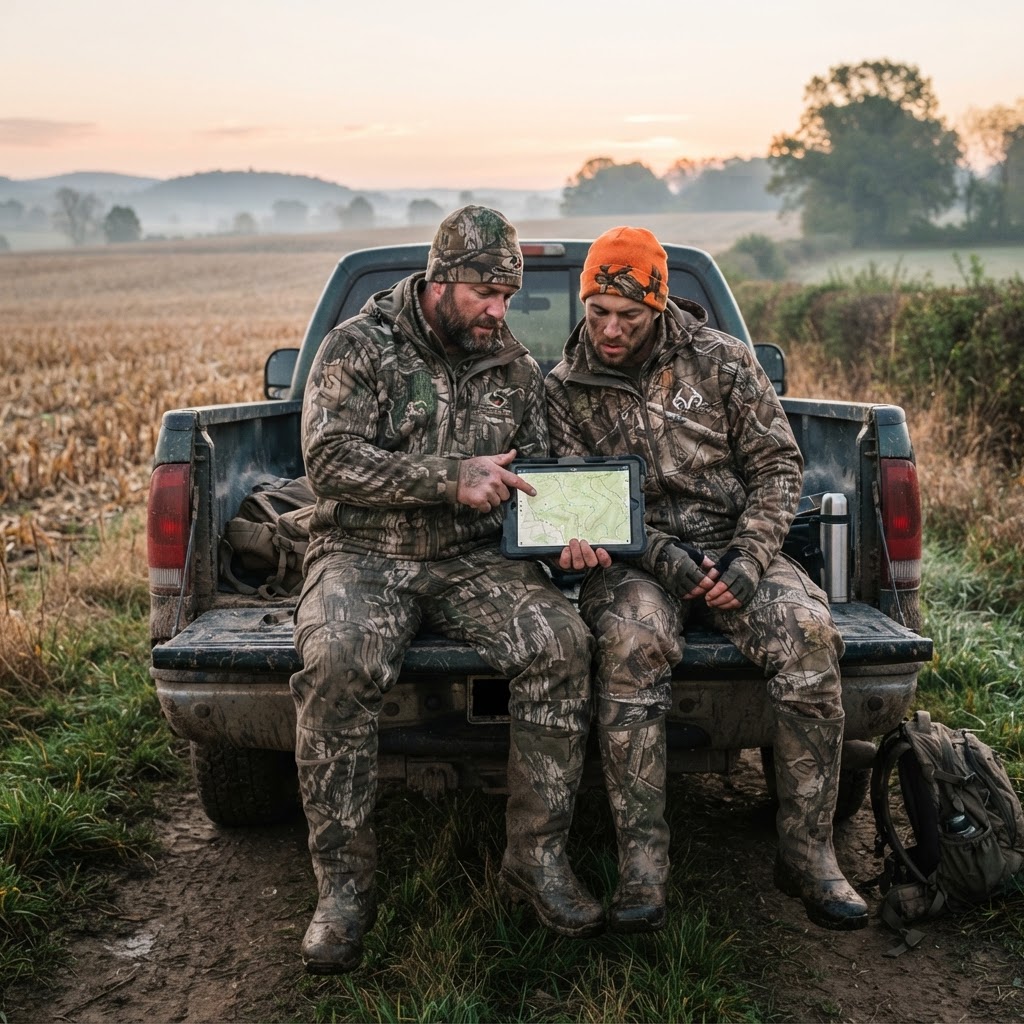
Digital Scouting: Leveraging Buckeye Hunter Hub Groups for Field Success
Transform your hunting season by tapping into the collective wisdom of a digital community; here is how to master the Buckeye Hunter Hub groups to sharpen your skills and find better ground.
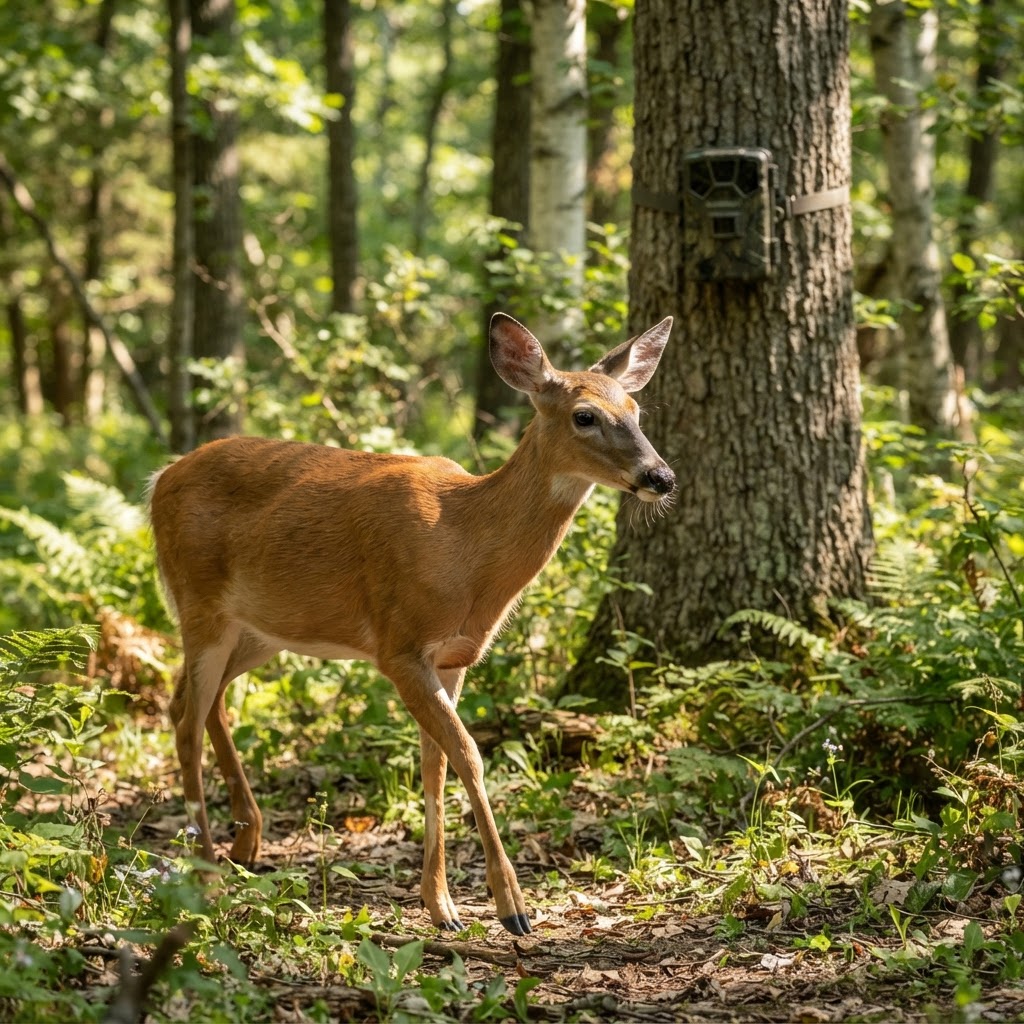
Unlocking Your Trail Cam Data: Identifying Patterns with Artificial Intelligence
Tired of sorting through thousands of blank trail camera photos? Discover how AI-powered analysis turns those snapshots into a clear picture of buck and doe movement.