Mastering the Woods: How to Read Deer Sign Like a Pro
Deciphering the Landscape: Reading Deer Sign
For many hunters, the difference between a successful season and a string of empty outings comes down to observation. Deer are creatures of habit, but those habits leave a visible footprint—if you know where to look. At Buckeye Hunter Hub, we believe that becoming a master of the woods requires more than just high-end gear; it requires the ability to read the terrain. When you step into the timber, you are stepping into a library of data points written in broken twigs, disturbed earth, and flattened grass.
Free hunting map, zones & 50-state resources
Save your spots, share zones with your group, and get deer & waterfowl movement forecasts — free.
The Rub: What Does It Tell You?
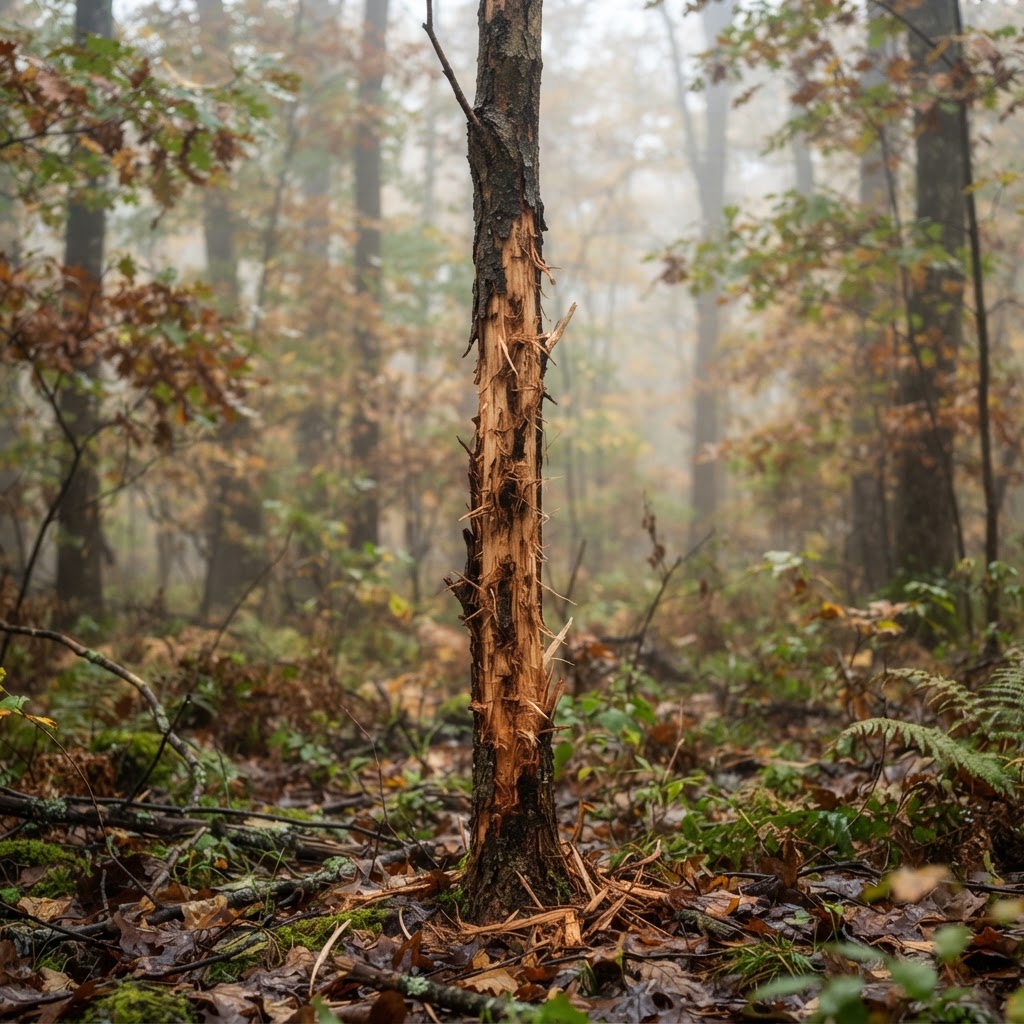
A buck rub is essentially a calling card. While many hunters get excited at the sight of a shredded sapling, the context of the rub matters significantly more than the damage itself. A rub is primarily a physical manifestation of testosterone, used to mark territory and serve as a visual signal to other deer.
Size and Placement
Pay close attention to the height of the rub. A rub located five feet off the ground usually indicates a mature buck. Furthermore, look for 'rub lines'—a series of rubs leading toward a specific bedding area or feeding destination. If you find a line of fresh rubs on cedar or pine trees, it often indicates a buck is patrolling a core travel corridor. Use our to cross-reference these travel paths with the topography of your land. When you see clusters of rubs, you have likely identified a transition zone or a staging area where deer feel comfortable during legal shooting light.
The Scrape: The Communication Hub
Scrapes are perhaps the most misunderstood pieces of deer sign. A scrape is an active communication center where deer leave scent through their tarsal glands and forehead glands. A 'licking branch'—the branch hanging directly over the scrape—is the most vital component. Deer use this branch to deposit scent from their orbital glands.
If you find a primary scrape—one that is large, smells musky, and has an active licking branch—you have found a goldmine. During the pre-rut, bucks will revisit these scrapes frequently. To understand the timing of these visits, it helps to brush up on . By monitoring these scrapes, you can determine if a buck is working the area during daylight hours. Remember: a scrape is best hunted from a distance. If you stand directly over it, you risk contaminating the site with human scent, which will alert every mature buck in the vicinity.
Locating Deer Beds: The Inner Sanctum
E-Tag States

Harvest Tags
E-check means you supply the tag. Printed with the exact fields your state requires.
3-pack $22.95
Bedding areas are where deer spend the majority of their lives. A bed is a depression in the earth or vegetation, and it is usually located in high-security cover. To find them, you need to think like a deer: look for vantage points, proximity to food, and wind protection.
Identifying Quality Beds
Look for 'multi-use' beds. A mature buck’s bed is often tucked into thick cover—like switchgrass, briars, or blowdowns—that provides both visual screening and multiple escape routes. If you find large, elongated beds in a secluded area, you have likely found the buck’s primary daytime sanctuary. Be extremely cautious here; if you bump a deer from its bed, you might push it out of your hunting area entirely for days. Instead of walking into the thicket, use your to set up a stand on the downwind edge of these zones, waiting for the deer to transition into the feeding areas during the evening.
Putting It All Together: The Tactical Advantage
Raise a safe, confident young hunter.
Guide your kids ages 5–17 through interactive hunting safety missions, real decision drills, and earned trophies — all from one free parent account.



When you combine your knowledge of rubs, scrapes, and beds, you gain a holistic view of how deer utilize your hunting property. Start by scouting during the late winter months when the leaves are off the trees; this is the best time to see old rubs and the remnants of bedding areas. Document your findings on your so you can compare them with current activity once the season begins.
Always factor in the wind. No amount of sign will save your hunt if your scent is blowing directly into a buck’s bedding area. As you refine your approach, keep track of when you see the most activity in relation to the weather. Checking the can provide that extra edge, helping you decide when to push hard and when to remain patient.
Final Thoughts for the Season
Reading deer sign is an evolving skill. Every year provides new data, and every buck has a unique personality. By slowing down and focusing on the subtle clues left on the landscape, you move from being a hunter who merely 'hopes' for a shot to one who actively engineers success. For more tips on how to prepare your gear and your mindset, be sure to visit for ongoing updates as the season progresses. Happy hunting, and may your time in the woods be productive.
Join 291 hunters and anglers on Buckeye Hunter Hub — free.
Latest from the Community


New drop
Fresh Buckeye Hunter Hub tees & hoodies


Everything you need to hunt smarter — free
Buckeye Hunter Hub is a free, nationwide platform. Create an account and unlock the full toolkit:
Free Interactive Hunting Map
Mark stands, cameras, and sign. Draw hunting zones with public land & county overlays across all 50 states.
Zones with Group Sharing
Share zones with your hunting group, split property into sections, assign stands, and check in — all in one place.
50 States of Hunting Resources
Season dates, license links, and DNR regulations for every state, kept current so you never miss an opener.
Deer Movement Forecast
Data-driven daily movement predictions using wind, moon, and pressure — know when to sit before you go.
Waterfowl Movement & Tools
Flight-potential forecasts, migration numbers, decoy spread planner, and a full species field guide.
From the Maker Bench

Taggart Outdoors
Padded Rifle Sling
Hand-built in the USA · $134.99
Shop the MakerNew drop
Fresh Buckeye Hunter Hub tees & hoodies
Shop This

StopBox Pro Ward | Wall-Mounted
$179.00$199.99

StopBox Pro Compact
$159.00$179.99

Buckeye Hunter Hub Tee — No Tag Left Behind
$20.55

Buckeye Hunter Hub Hoodie — No Tag Left Behind
$32.87
E-Tag States
Harvest Tags
E-check means you supply the tag. Printed with the exact fields your state requires.
3-pack $22.95
More Articles
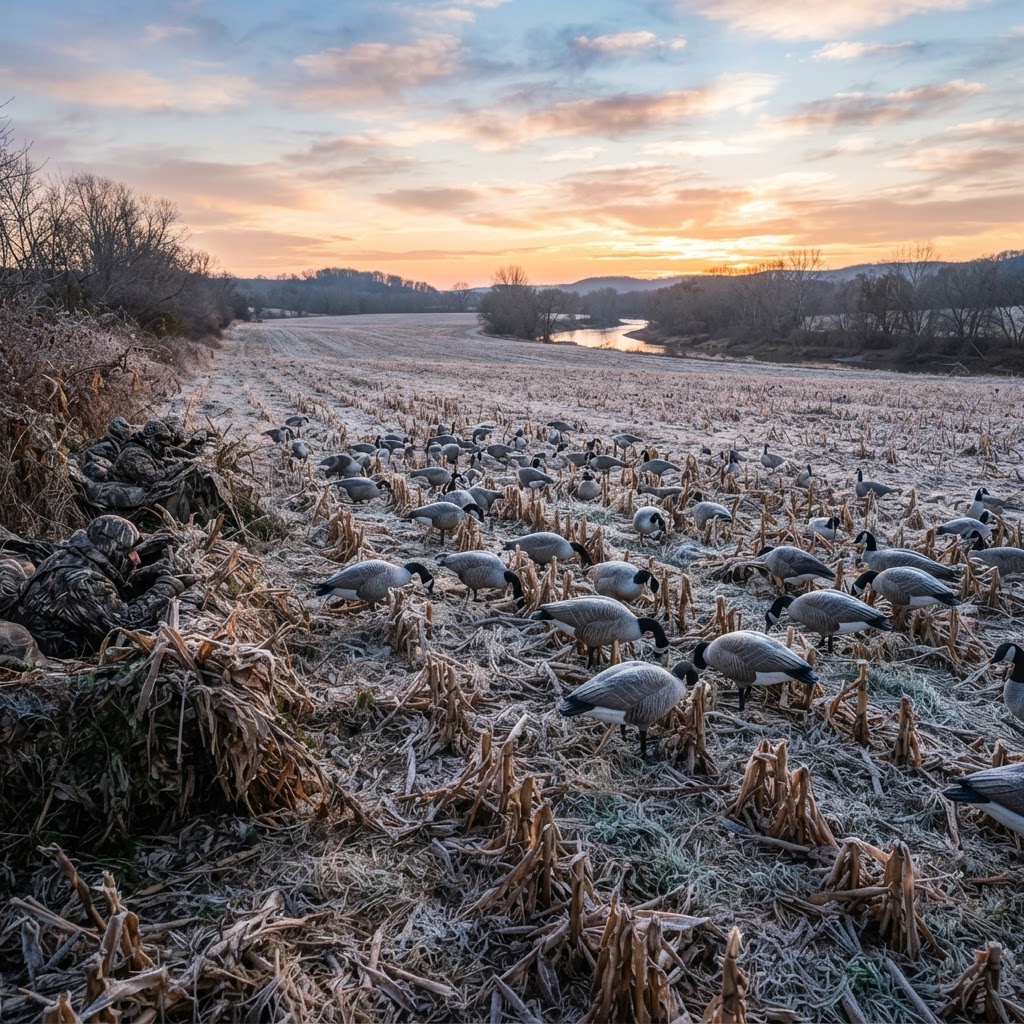
Mastering the Migration: Strategic Canada Goose Tactics for Dry Fields
Success in the dry field hinges on reading the barometer, perfect concealment, and creating a realistic landing pocket. Unlock the secrets to consistent honker harvests with these advanced field tactics.
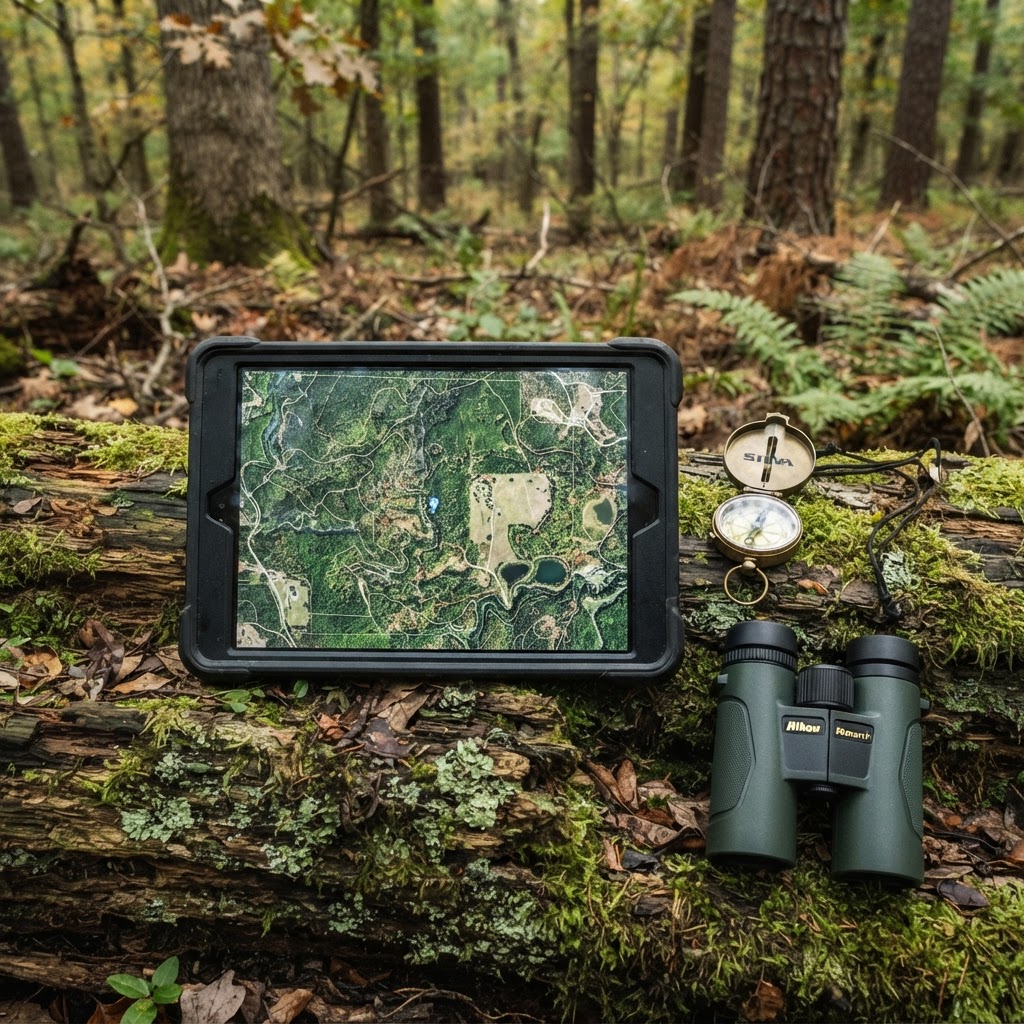
Optimizing Your Scouting: A Practical Approach to Waypoint Management
Transform your chaotic scouting notes into a streamlined digital strategy by mastering the waypoint features of the Buckeye Hunter Hub interactive map. Learn how to pinpoint your next harvest with surgical accuracy.
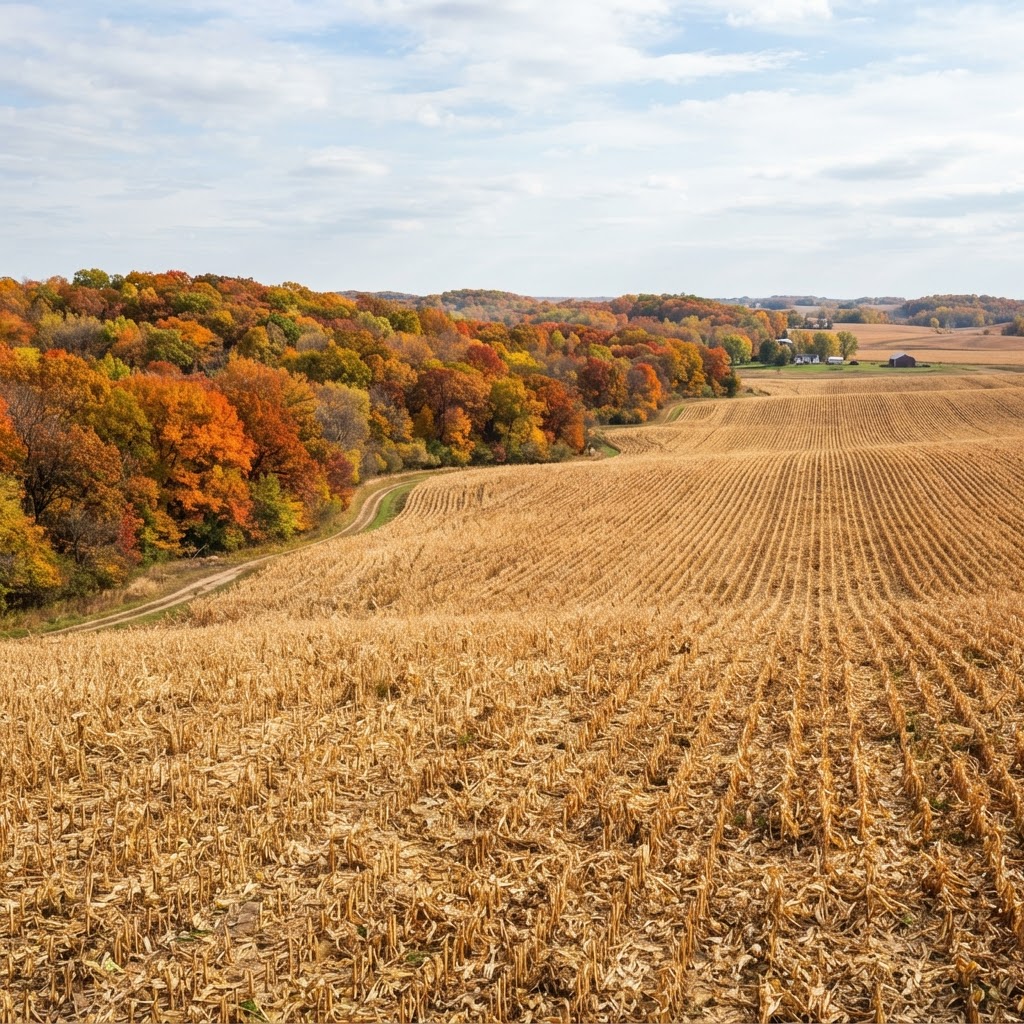
Cornfield Kingdom: Navigating Iowa’s Premier Public Land Opportunities
Iowa is more than just rolling farmland; it is a legendary destination for public land hunters willing to put in the work. Learn how to unlock the Hawkeye State’s best kept secrets.
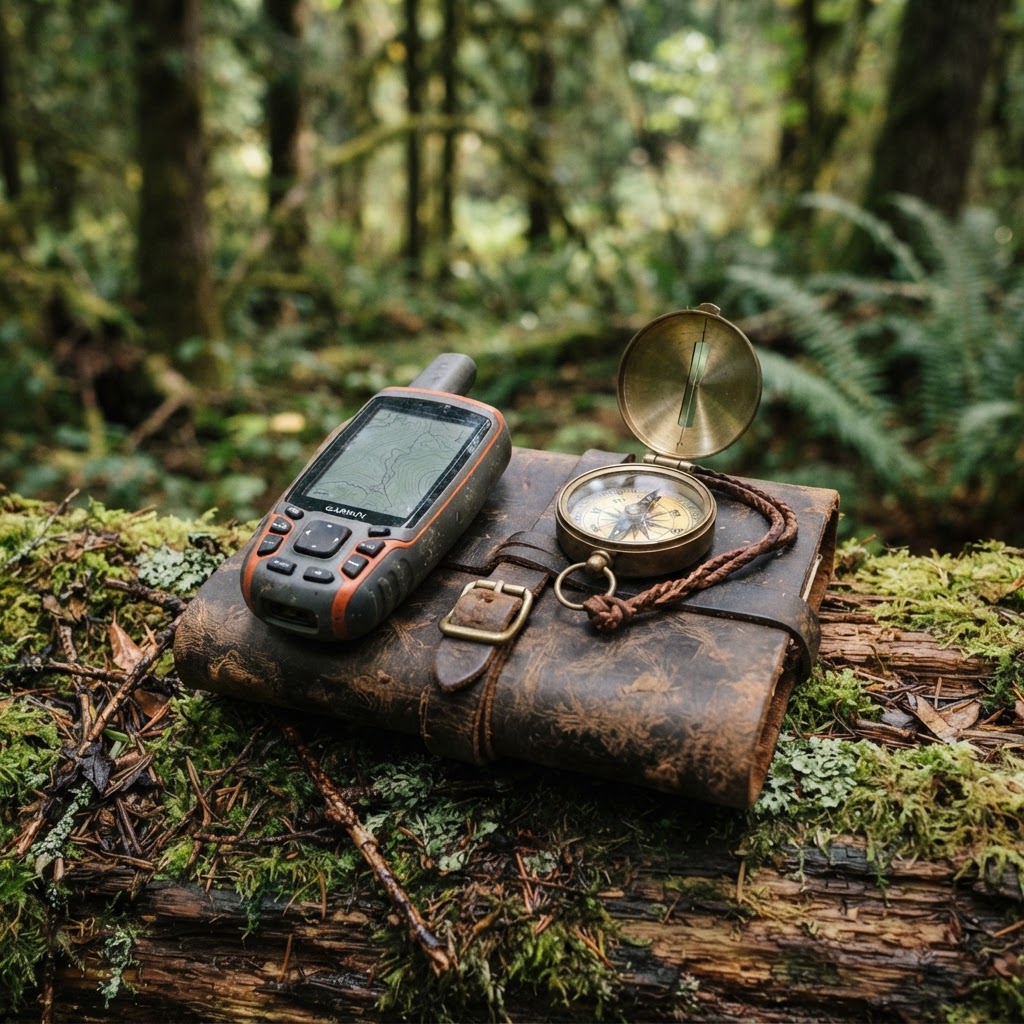
Precision Scouting: Mapping Your Setup for a More Efficient Season
Stop wandering the woods aimlessly and start hunting with purpose by mastering waypoint management for your gear and observations.