
Mastering the Woodlot: How to Interpret Deer Sign
Decoding the Language of the Whitetail
To the uninitiated, a forest is just a collection of trees and brush. To the veteran deer hunter, it is a living map written in the form of rubs, scrapes, and beds. Learning to read these signs is the difference between aimlessly wandering the timber and executing a strategic ambush. At Buckeye Hunter Hub, we believe that understanding the nuances of sign interpretation is the most effective way to improve your success rate regardless of the state you hunt in.
Get the deer movement forecast for your spot, free
See the best days and hours to sit this week, built from your spot's weather, moon, and wind.
Interpreting Rubs: The Visual Clues
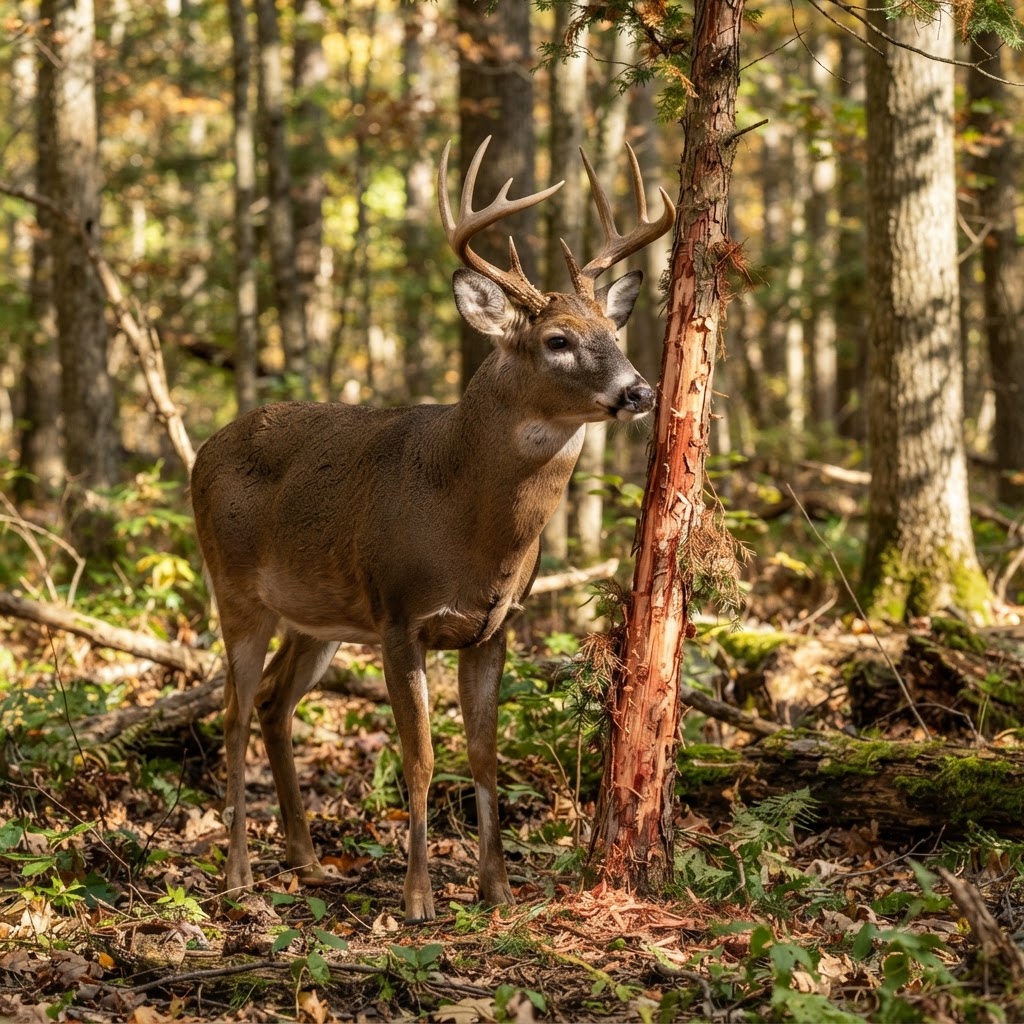
Rubs—places where a buck has stripped the bark from a sapling with his antlers—are more than just a mark of territory. They are signposts that tell you how a buck moves through his environment. A solitary rub on a random tree might not mean much, but a 'rub line' is a gold mine. These represent a travel corridor, usually connecting a bedding area to a primary food source. When scouting, pay attention to the size and height of the rub. A large, shredded tree at shoulder height is a strong indicator of a mature buck.
If you find a high density of fresh rubs, you have likely located a transition zone or a staging area. Cross-reference these findings with our to see if these corridors align with funnels, creek crossings, or pinch points on your property. Remember, rubs are often made during the pre-rut, making them excellent indicators for early-season scouting.
Scrapes: The Communication Hubs
The scrape is perhaps the most debated sign in deer hunting. Many hunters treat them like a beacon, assuming that if a scrape is active, a buck will return to it during shooting light. The reality is more complex. A scrape is a social hub, a place where deer leave scent to communicate.
When you find a scrape, look up. The overhanging branch—often called the 'licking branch'—is arguably more important than the dirt beneath it. Bucks and does use these to deposit scent from their pre-orbital glands. If you find a 'community scrape' with multiple licking branches that appear worn and shiny, you have found a location that sees significant traffic throughout the rut. While scrapes are most active during the peak of the breeding phase, understanding will help you determine whether a scrape is being visited nocturnally or if it holds potential for a daytime encounter.
Bedding Areas: The Key to Stealth
BHH Partner
Thinking about selling a rifle or an old family shotgun? Check up-to-date market pricing by make and model before you sell.
webuyguns.comFinding a buck's bed is the ultimate goal, but it is also the easiest way to spook him out of the county. A deer’s bed is his sanctuary. Typically, a buck will bed in an area that offers three things: security, visibility, and thermal regulation. Look for slight depressions in the leaves, often tucked against the base of a tree or on a slight rise that allows the deer to see downwind.
In the Midwest, mature bucks often bed on the downwind side of a ridge or in thick, impenetrable cover where they can catch the scent of any intruder. If you believe you have found a bedding area, do not push in. Instead, observe from a distance or check your to see if environmental conditions make it likely that the buck will be moving toward food during your preferred hunting hours. Hunting the perimeter of a bedding area is high-risk, high-reward; always be mindful of wind direction, as a mature buck will almost never approach or leave his bed without checking the breeze.
Putting It All Together
Washington · E-Tag State

Washington Harvest Tags
E-check means you supply the tag. Printed with the exact fields Washington requires.
3-pack $22.95

Youth Hunter Academy
Raise a safe, confident young hunter.
Safety missions for ages 5–17. Free parent account.
Sign interpretation is a cumulative process. One rub doesn't make a hunting season, but a series of rubs, combined with an active scrape line leading toward a known bedding area, creates a clear picture of deer behavior. Whether you are hunting the deep hardwoods of the Appalachian Mountains or the agricultural edges of the Midwest, the fundamentals remain the same. Always cross-reference your ground-level observations with state-specific data available through local to understand population trends in your area.
Finally, remember that the woods are constantly changing. A pattern that worked in October may be defunct by the peak of the rut in November. Stay mobile, stay quiet, and keep observing. When you finally connect the dots between the rub line you scouted and the movement pattern you predicted, you will understand why there is no substitute for time spent learning the terrain. For more tips on preparing for the upcoming season, check out and start planning your next outing today.
Join 1,081 hunters and anglers on Buckeye Hunter Hub — free.
Latest from the Community


Preorder · 4 days left
Buckeye Hunter Hub Camo Trucker Hat — Treeline Logo
Includes 50% off Lifetime Pro
Everything you need to hunt smarter — free
Buckeye Hunter Hub is a free, nationwide platform. Create an account and unlock the full toolkit:
Free Interactive Hunting Map
Mark stands, cameras, and sign. Draw hunting zones with public land & county overlays across all 50 states.
Zones with Group Sharing
Share zones with your hunting group, split property into sections, assign stands, and check in — all in one place.
50 States of Hunting Resources
Season dates, license links, and DNR regulations for every state, kept current so you never miss an opener.
Deer Movement Forecast
Data-driven daily movement predictions using wind, moon, and pressure — know when to sit before you go.
Waterfowl Movement & Tools
Flight-potential forecasts, migration numbers, decoy spread planner, and a full species field guide.
From the Maker Bench

SE Ohio Outdoors
Euro Mount Hook
Hand-built in the USA · $8.00
Shop the MakerBHH Partner
Thinking about selling a rifle or an old family shotgun? Check up-to-date market pricing by make and model before you sell.
webuyguns.comWashington · E-Tag State
Washington Harvest Tags
E-check means you supply the tag. Printed with the exact fields Washington requires.
3-pack $22.95
More Articles
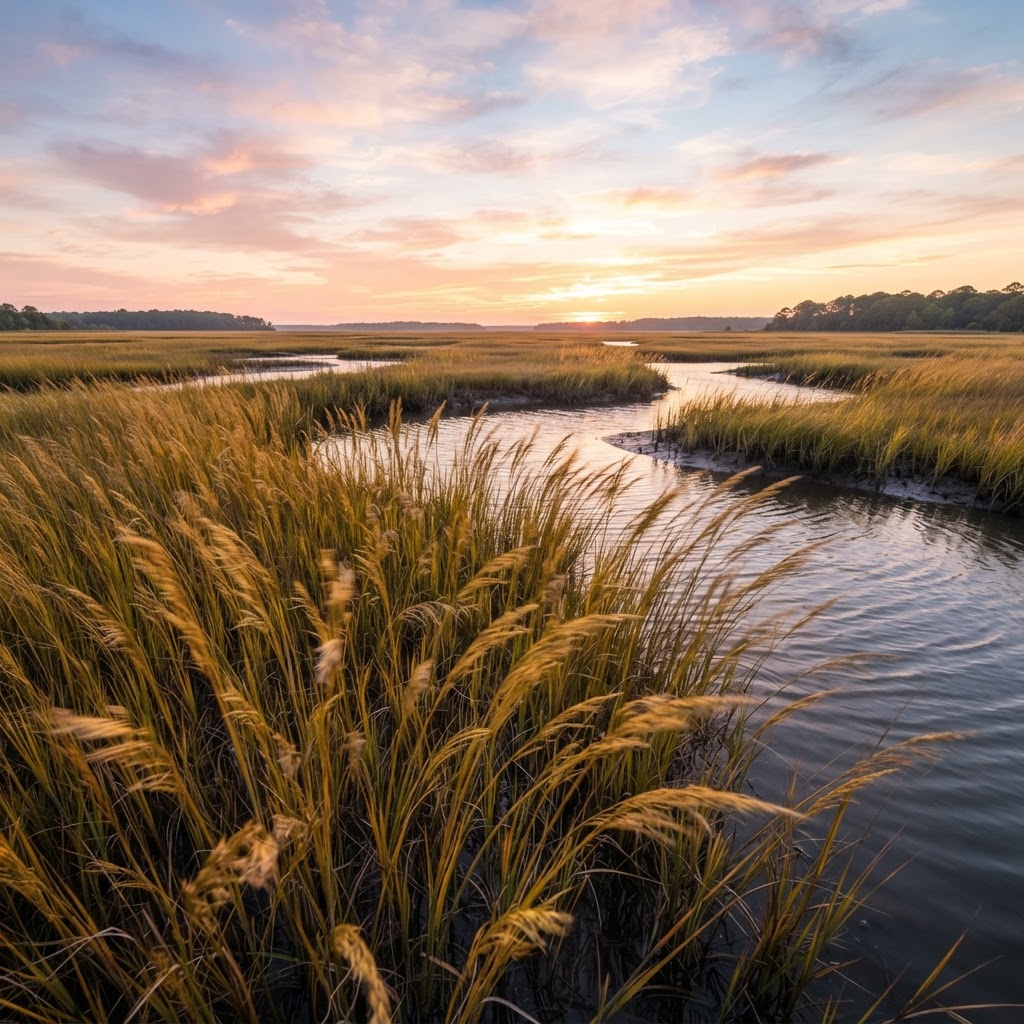
Coastal Delmarva Tactics: Maximizing Your Hunting Season in Delaware
Delaware may be small, but it offers big opportunities for the patient hunter. From marsh-side waterfowl to dense inland woodlots, here is how to master the Diamond State’s unique terrain.
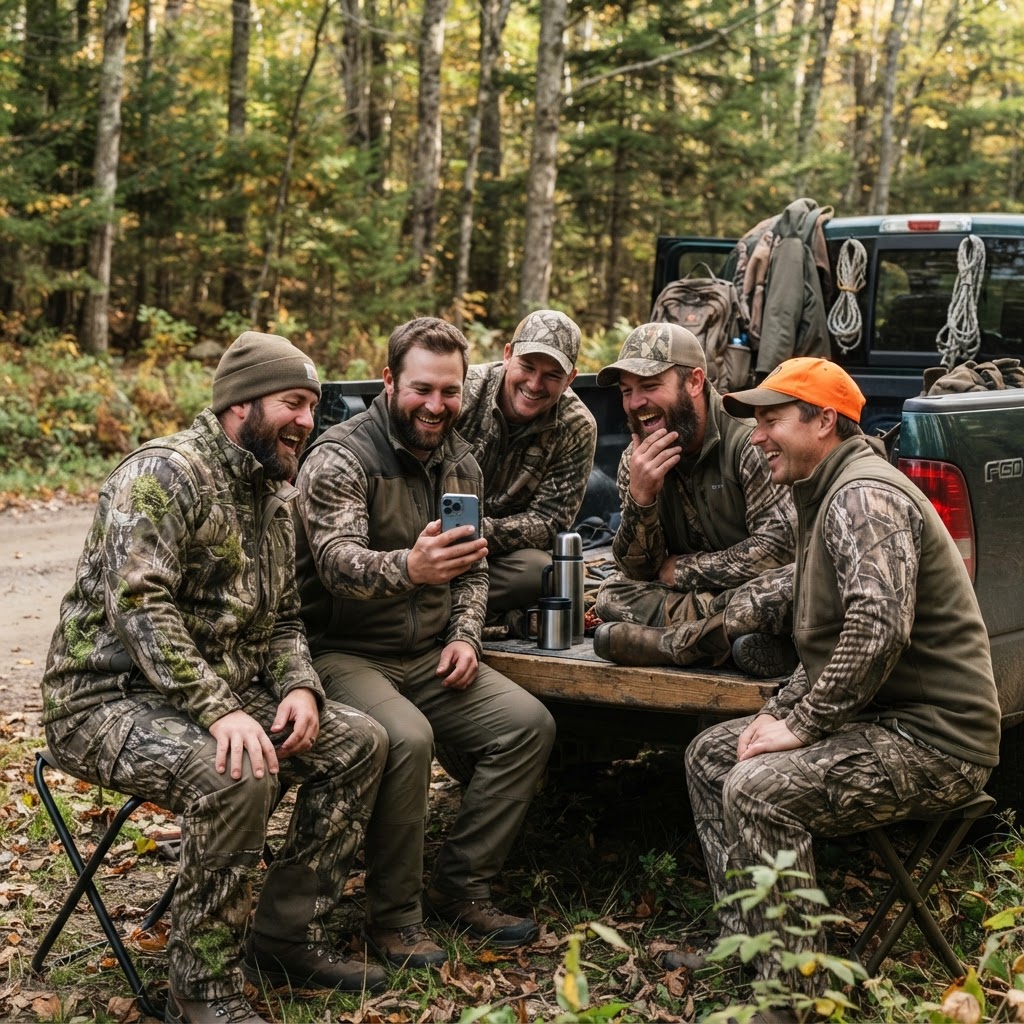
Cultivating Connection: How to Leverage Buckeye Hunter Hub Groups for Better Results
Hunting is often a solitary pursuit, but the greatest gains come from collective wisdom. Discover how to effectively utilize Buckeye Hunter Hub groups to sharpen your skills, find intel, and join a nationwide network of serious outdoorsmen.
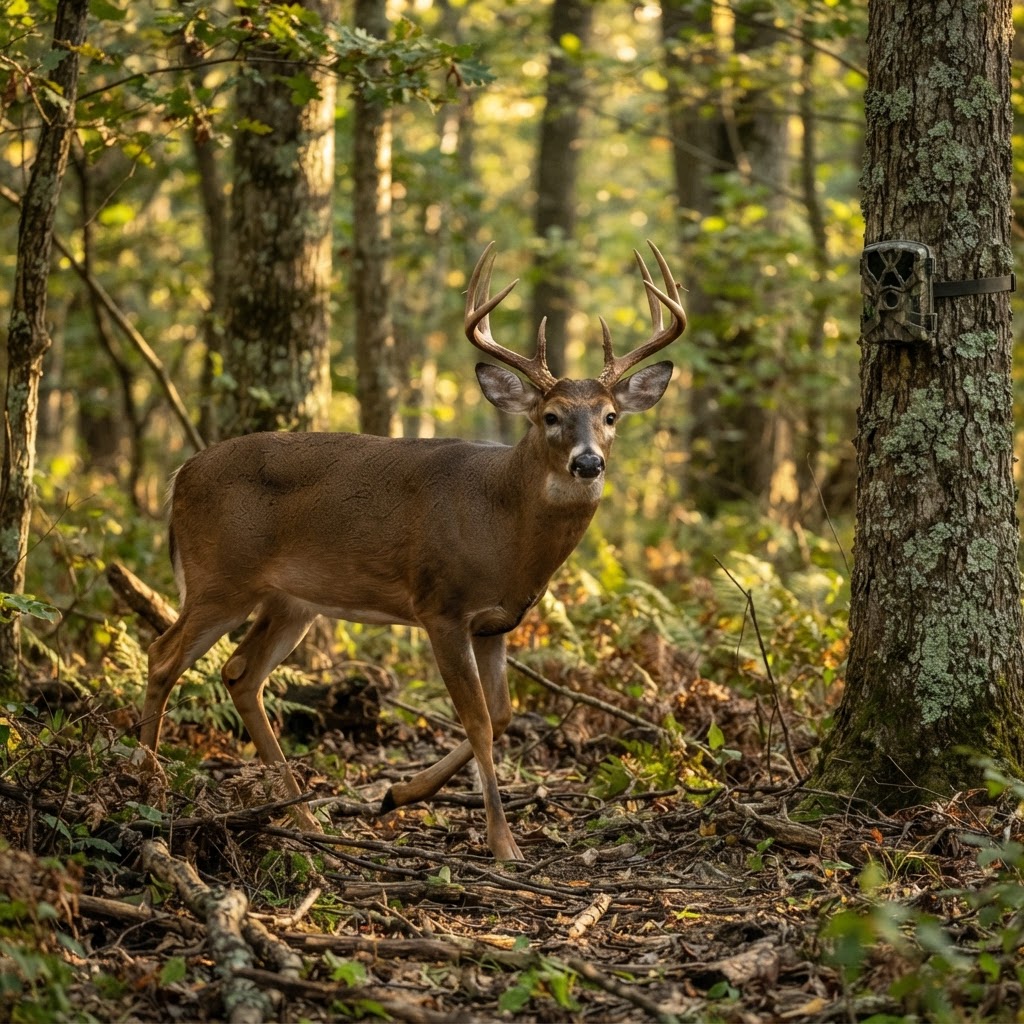
Precision Scouting: Turning Thousands of Trail Cam Photos into Actionable Intelligence
Drowning in a sea of empty forest photos? Learn how to leverage automated recognition to isolate trophy bucks, identify doe movement, and pinpoint the exact timing of your next hunt.
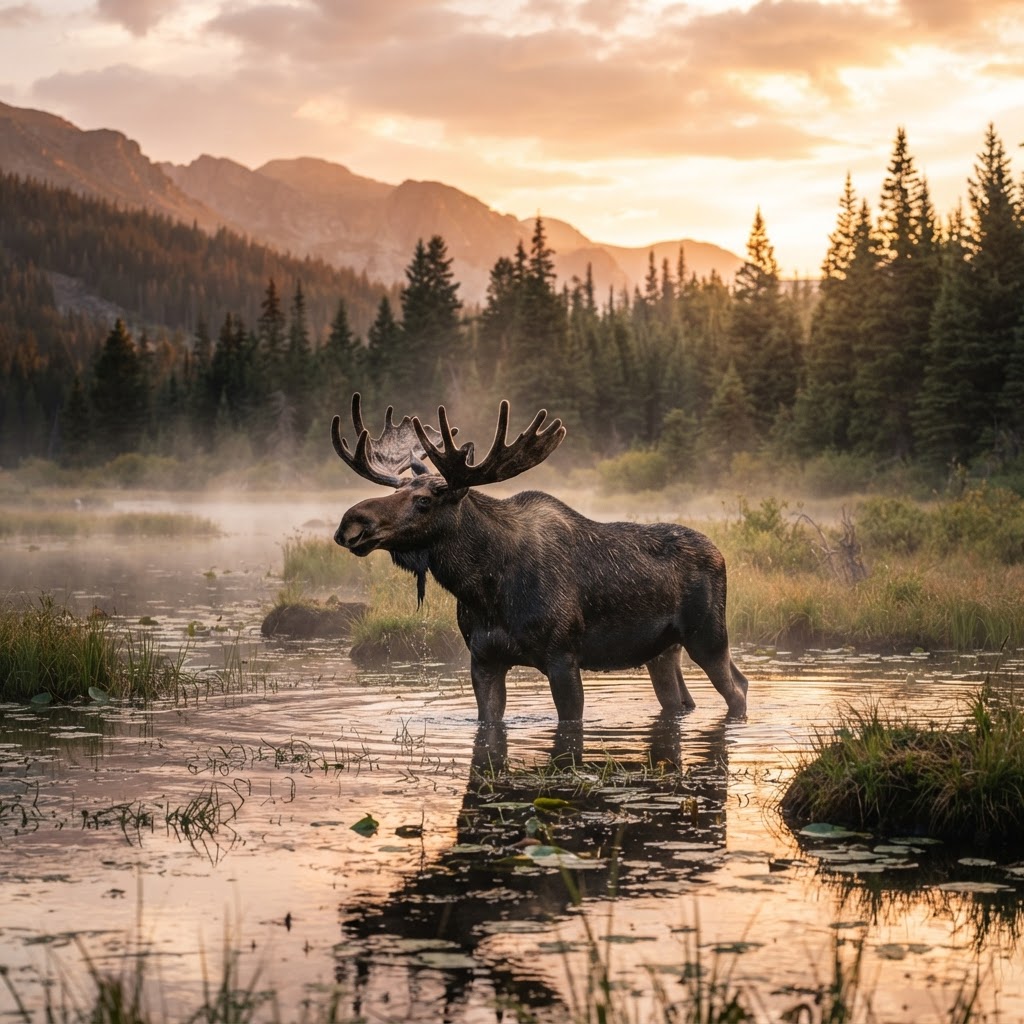
Monarchs of the North: A Strategic Guide to Hunting Alaskan and Rocky Mountain Moose
Pursuing the mighty moose is the pinnacle of North American big game hunting. Master the biology, behavior, and specialized tactics required to successfully track these elusive giants in their rugged habitat.