Mastering the Wood: How to Read Deer Sign Like a Professional
Decoding the Landscape: A Hunter's Guide to Sign
For many hunters, the woods are a chaotic blur of green and brown. However, to the seasoned woodsman, the forest is a living, breathing map filled with stories written in earth and bark. Understanding deer sign—specifically rubs, scrapes, and beds—is the fundamental skill that separates a lucky hunter from one who consistently tags mature deer. At Buckeye Hunter Hub, we believe that reading the land is the highest form of woodsmanship.
Free hunting map, zones & 50-state resources
Save your spots, share zones with your group, and get deer & waterfowl movement forecasts — free.
Rubs: Identifying Travel Corridors
Rubs are the most visible indicator of a buck’s presence. A rub occurs when a buck strips the velvet from his antlers or marks his territory by rubbing his forehead glands against a tree. While many hunters get excited by any rub they see, not all rubs are created equal.
To hunt effectively, you must distinguish between 'random' rubs and 'signpost' rubs. A random rub is often found on smaller saplings scattered throughout the woods. These are incidental; the buck just happened to walk by and decided to clean his antlers. A signpost rub, however, is a large, scarred tree that is revisited year after year. These trees serve as a communication hub. When you find a line of large, heavily worked trees leading toward a pinch point, you have found a primary travel corridor. Using , you can often trace these corridors back to thick bedding cover or forward to a primary food source.
Scrapes: Understanding Social Dynamics
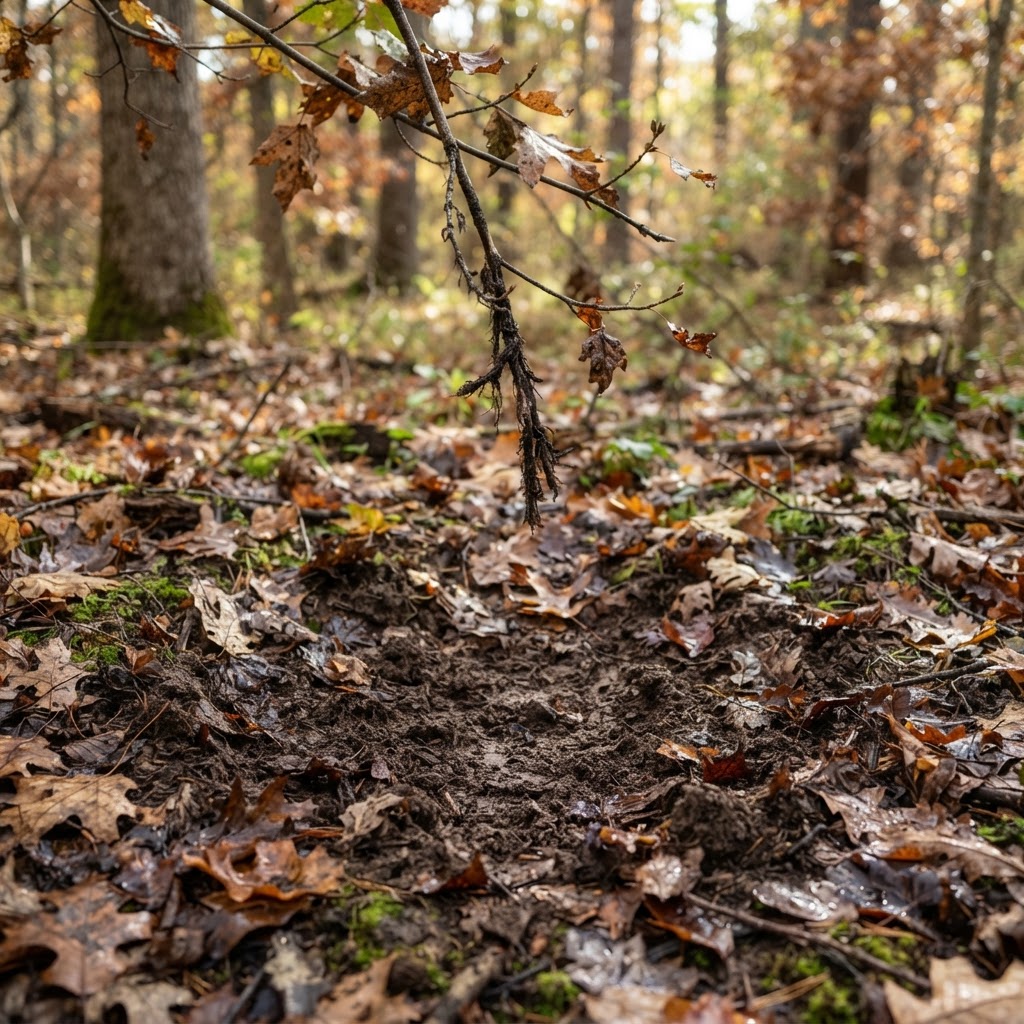
Scrapes are the social centers of the whitetail world. A scrape is a patch of bare earth pawed out by a deer, usually accompanied by an 'overhanging branch' that the deer licks and rubs with its preorbital glands. Contrary to popular belief, scrapes are used by both does and bucks throughout the season.
Early in the season, scrapes are 'community centers' where deer gather information about who is in the area. As the rut approaches, these become primary hunting locations. If you find a scrape line, look for the 'licking branch' overhead. A branch that is frayed and dripping with saliva is a clear indicator of heavy, current use. If you want to dive deeper into the biology behind this, check out to understand why bucks prioritize certain scent-heavy locations during the transition period.
Finding the Bedroom: Locating Bedding Areas
If rubs are the hallway and scrapes are the water cooler, then beds are the living room. Finding a buck’s bedding area is the 'holy grail' of hunting, but it is also the most dangerous area to hunt. Mature bucks are masters of security. They choose beds that allow them to see what is coming from the front, while keeping the wind at their back.
E-Tag States

Harvest Tags
E-check means you supply the tag. Printed with the exact fields your state requires.
3-pack $22.95
When scouting, look for oval-shaped depressions in the leaf litter, often found in thick, high-ground areas that overlook terrain features. A buck will rarely bed in the middle of a flat field; he wants elevation, thermal cover, and multiple escape routes. If you find a series of high-quality beds, do not stomp through the area. Instead, mark the location on your phone and plan an approach strategy that uses the wind to your advantage. If the wind isn't perfect, stay out. Relying on the can help you decide when the conditions are optimal to hunt near these sensitive areas without bumping the local herd.
Putting It All Together
Sign is essentially a trail of breadcrumbs. By connecting the dots between where a buck sleeps (beds), where he stops to interact with other deer (scrapes), and the path he takes to get there (rubs), you can predict his movement.
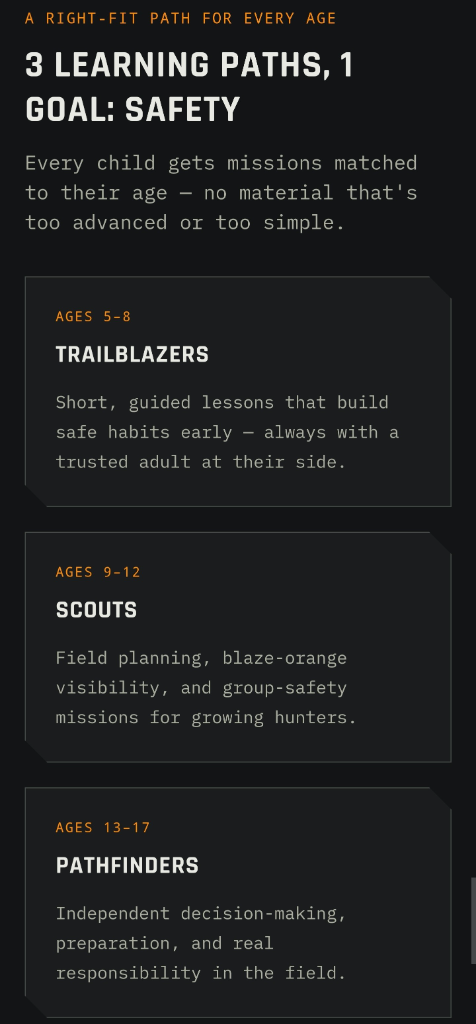
Raise a safe, confident young hunter.
Guide your kids ages 5–17 through interactive hunting safety missions, real decision drills, and earned trophies — all from one free parent account.
Bonus: every $10 you spend in the BHH shop earns a free seat (up to 5). Use them or share them.



However, remember that deer sign is a snapshot in time. A rub from three weeks ago tells you that a buck was there, but it doesn't guarantee he will be there tomorrow. Always evaluate the freshness of the sign. Is the wood on the rub still light-colored and sap-filled, or has it darkened and aged? Is the scrape muddy, or has leaves fallen into it? Fresh sign is your target; old sign is just history.
Ethical Scouting Practices
As you roam your hunting grounds, always remember that your presence alters the environment. Use low-impact scouting tactics: keep your noise down, avoid leaving human scent in core areas, and use technology to help you scout from afar. For those looking for new terrain to apply these skills, you can browse to find your next project. Always check your to ensure you are following local regulations regarding motorized scouting equipment and trail cameras, as these vary significantly across the United States.
By mastering these three indicators, you move from reacting to the woods to anticipating the movement of the game. Take your time, walk slowly, and look past the obvious to find the subtle clues that mature bucks leave behind. The woods are talking—are you listening?
Join 796 hunters and anglers on Buckeye Hunter Hub — free.
Latest from the Community


Everything you need to hunt smarter — free
Buckeye Hunter Hub is a free, nationwide platform. Create an account and unlock the full toolkit:
Free Interactive Hunting Map
Mark stands, cameras, and sign. Draw hunting zones with public land & county overlays across all 50 states.
Zones with Group Sharing
Share zones with your hunting group, split property into sections, assign stands, and check in — all in one place.
50 States of Hunting Resources
Season dates, license links, and DNR regulations for every state, kept current so you never miss an opener.
Deer Movement Forecast
Data-driven daily movement predictions using wind, moon, and pressure — know when to sit before you go.
Waterfowl Movement & Tools
Flight-potential forecasts, migration numbers, decoy spread planner, and a full species field guide.
From the Maker Bench

SE Ohio Outdoors
Euro Mount Hook
Hand-built in the USA · $8.00
Shop the MakerBHH Partner

Firearms, ammo and gear from a local Ohio shop in Grafton. Stop in before the season.
dnaarmory.comShop This

StopBox Pro Ward | Wall-Mounted
$179.00$199.99

StopBox Pro Compact
$159.00$179.99

BHH Speckle Camo Hoodie
$53.36

BHH Blackwood Camo Hoodie
$53.36
E-Tag States
Harvest Tags
E-check means you supply the tag. Printed with the exact fields your state requires.
3-pack $22.95
More Articles
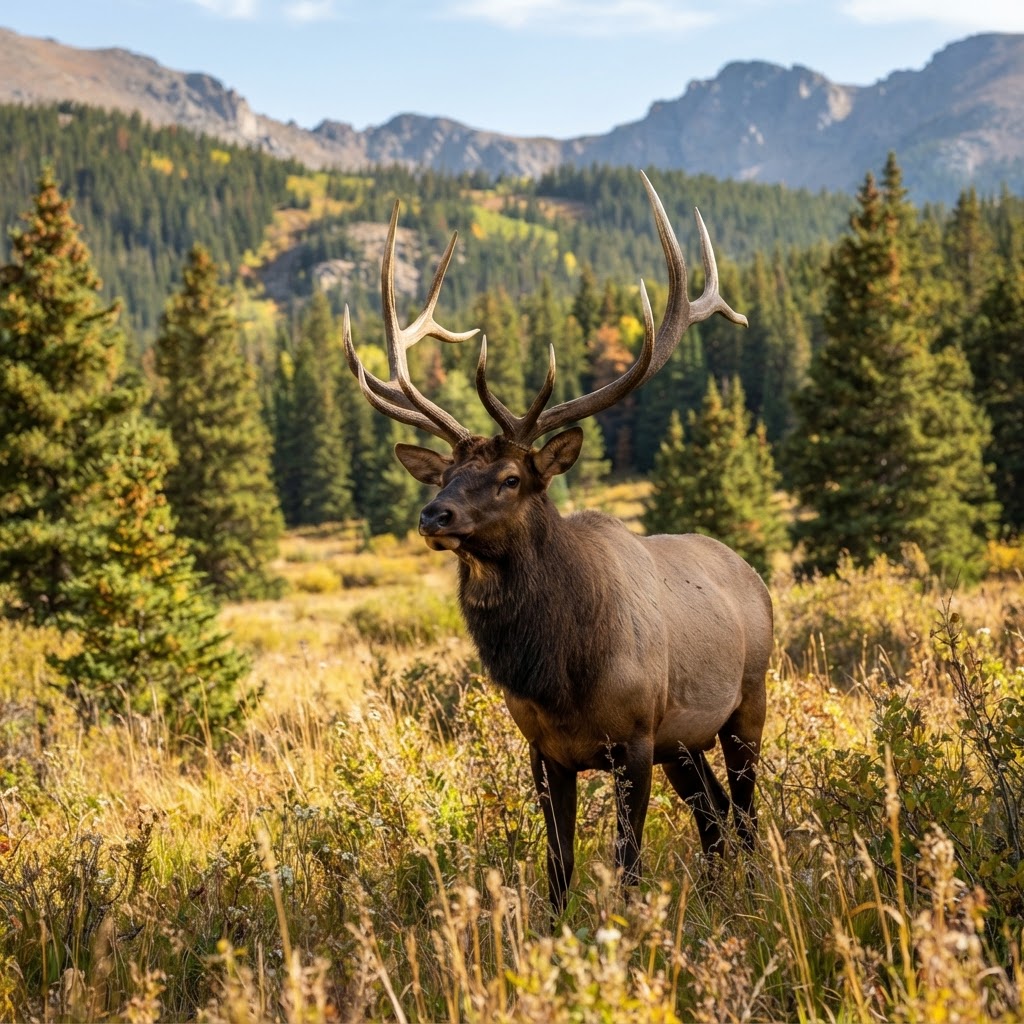
Chasing the Wapiti: A Comprehensive Guide to American Elk Hunting
From the high-alpine basins of the Rockies to the shadowed timber of the Pacific Northwest, hunting elk is the ultimate test for the modern woodsman. Master the biology, behavior, and tactical nuances required to fill your tag on this majestic North American giant.

Golden State Pursuit: Navigating California’s Diverse Hunting Landscape
California offers an overlooked bounty for the persistent hunter. From high-alpine mule deer to coastal wild pig, here is your essential guide to navigating the complex terrain and regulations of the West Coast.

Choosing Your StopBox: Quick-Access Security for Every Hunter
Discover the right StopBox configuration for your lifestyle. From the versatile BOGO bundles to the wall-mounted Ward, we help you find the perfect fit.
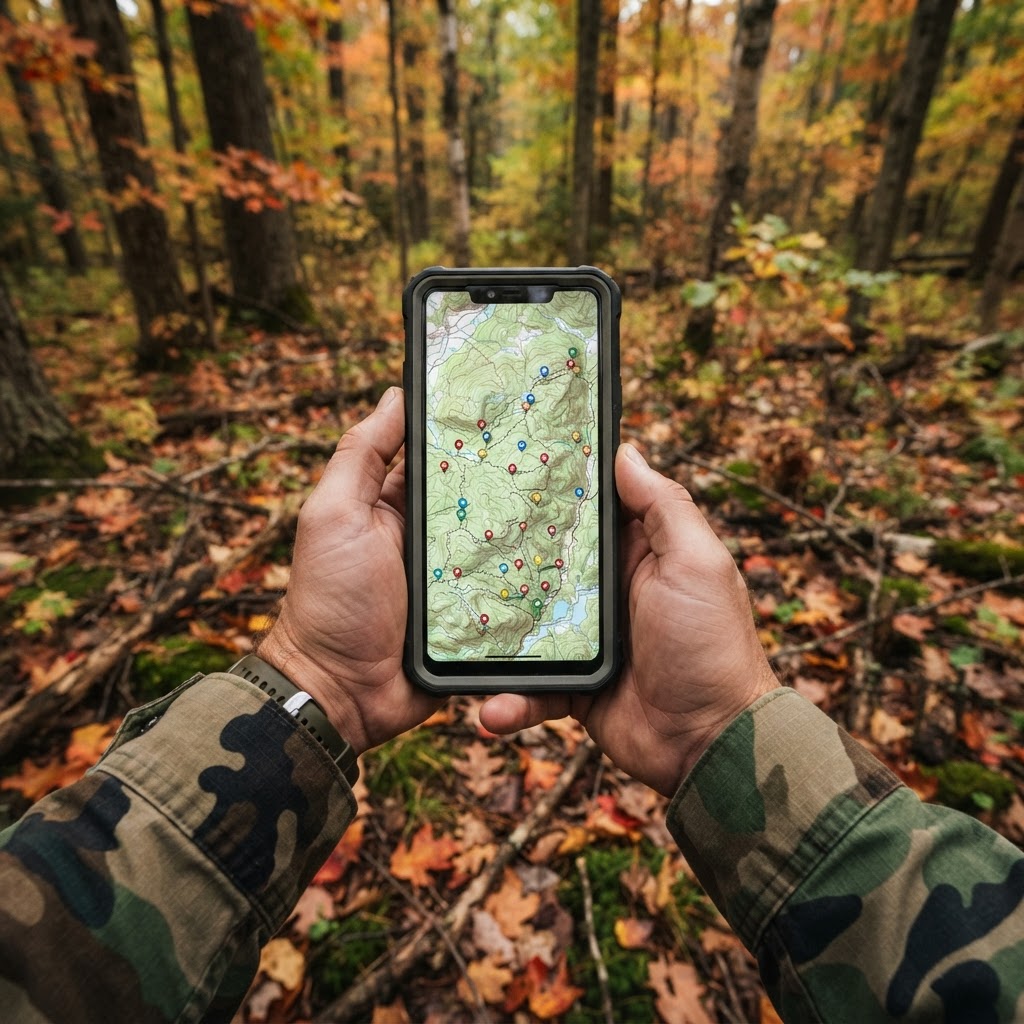
Digital Scouting Efficiency: Organizing Your Field Gear with BHH Interactive Maps
Take the guesswork out of your hunting season by learning how to digitally mark and manage your stands, blinds, and trail cameras using the Buckeye Hunter Hub interactive platform.