
Mastering the Set-Up: A Strategic Guide to Choosing Your Hunting Stand Location
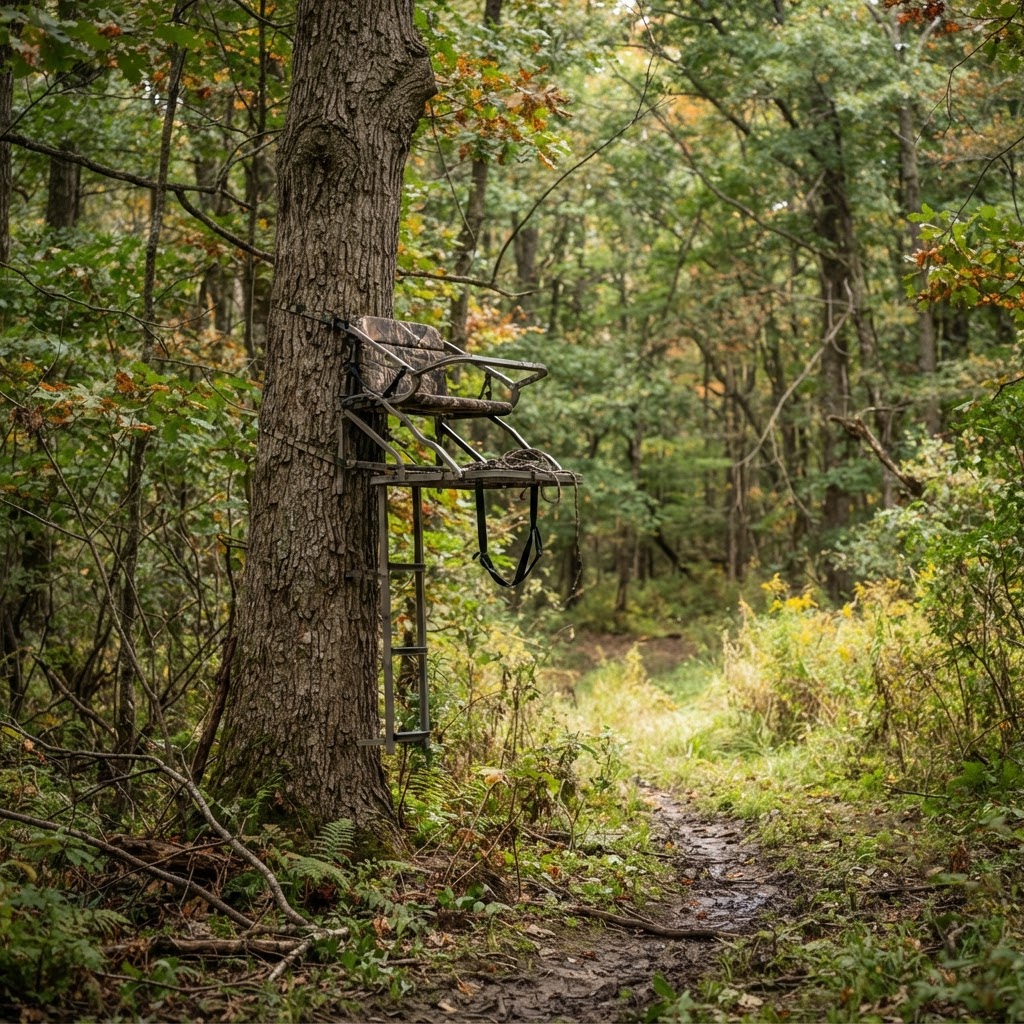
The Foundation of a Successful Hunt
Every seasoned hunter knows that the difference between filling a tag and going home empty-handed often boils down to one critical decision: where to place your stand. At Buckeye Hunter Hub, we believe that strategic planning is the bedrock of consistency. Whether you are hunting the deep timber or the edge of a standing cornfield, your setup is your primary interface with the landscape.
Get the deer movement forecast for your spot, free
See the best days and hours to sit this week, built from your spot's weather, moon, and wind.
Step 1: Pre-Season Scouting and Reconnaissance
Before you even touch your gear, you need data. Start by utilizing to gain a topographical overview of your property. Look for terrain pinch points, funnels, and transition zones where food sources meet bedding cover. These are the geographical features that dictate movement. For those looking to dive deeper into why deer move the way they do, provides the behavioral context necessary to interpret your findings. You can further refine your strategy by checking our Deer Movement Forecast, which helps align your scouting efforts with actual game activity.
Modern hunters have an advantage in technology. Utilizing an AI-powered tool can help you analyze massive amounts of historical weather data and trail camera photos, effectively automating the pattern-recognition process that once took years to master. Supplement this digital scouting with real-world legwork, checking state agency resources like the Ohio Division of Wildlife for local population trends and regulation updates.
Step 2: Evaluating Habitat and Wind Logistics
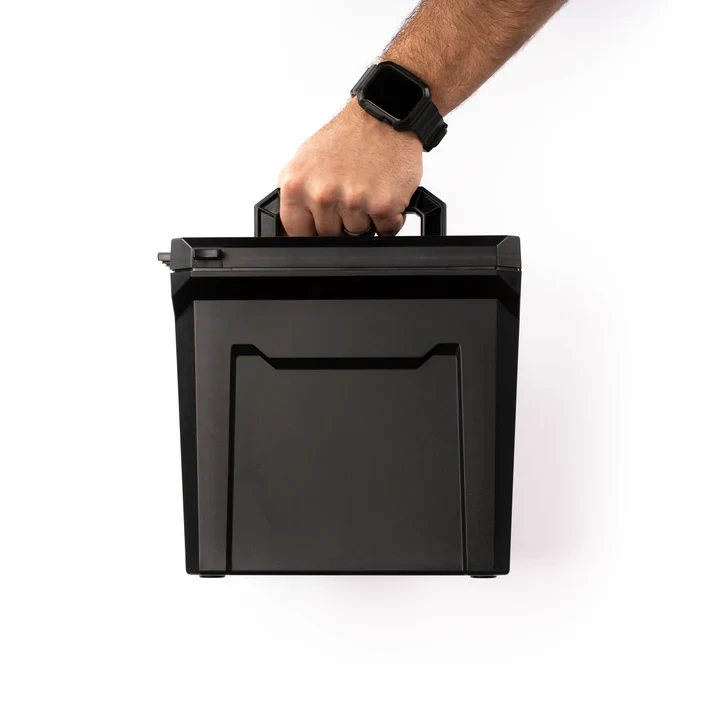
Once you have identified a potential "honey hole," you must evaluate it through the lens of wind direction. A perfect stand location is useless if the deer smell you coming. In the Midwest, prevailing winds are often a major factor. Place your stand downwind of the primary travel corridor. If the wind is inconsistent, consider utilizing a ground blind, which offers better scent containment and concealment.
Before finalizing your location, ask yourself: Does this spot allow for quiet entry and exit? If you have to spook half the deer in the woods just to get into your tree stand, the spot is inherently flawed. For those struggling to find the perfect property, checking our latest property & lease listings might help you secure land that offers better terrain for stand placement.
Step 3: Gear and Safety Considerations

Your equipment is only as good as your commitment to safety. Always perform a thorough inspection of your climbing sticks, platforms, and safety harnesses before the season kicks off. If you are climbing, a high-quality tree tether is non-negotiable. While we focus on strategy, we remind our community that safety is the hallmark of a veteran hunter. For those looking to connect with others to discuss gear setups and safety protocols, our hunting community groups are an excellent place to share knowledge and learn from others' experiences.
Step 4: Timing and Seasonal Adjustments
Deer behavior changes dramatically throughout the year. What worked during the early season will likely fail during the rut. As the season progresses, refer back to the hunting season calendar to ensure you are adjusting your tactics according to the current phase of the rut. Early-season spots should be near food sources, while pre-rut and rut locations should be focused on travel corridors and bedding edges.
E-Tag States

Harvest Tags
E-check means you supply the tag. Printed with the exact fields your state requires.
3-pack $22.95

Youth Hunter Academy
Raise a safe, confident young hunter.
Safety missions for ages 5–17. Free parent account.
Step 5: Finalizing Your Setup
When you finally decide on a tree, clear your shooting lanes with a light hand. Don't create a 'tunnel' that reveals your silhouette; instead, trim just enough to provide a clear view of the anticipated approach. If you are using a ground blind, brush it in thoroughly with natural vegetation from the immediate area to ensure it blends seamlessly into the background. Remember, if you are a multi-species hunter, transitioning from deer to migratory birds requires a shift in mindset; we recommend consulting waterfowl migration patterns and DNR numbers to ensure you are as prepared for your duck setup as you are for your whitetail stand.
By following this framework—scouting, logistics, safety, and timing—you move from being a reactive hunter to a proactive one. Success is about preparation, and at Buckeye Hunter Hub, we are here to ensure you have the tools and knowledge to make every hunt count. For more tips on habitat management and regional tactics, feel free to browse the hunting blog for deeper dives into specific hunting scenarios.
Explore More on Buckeye Hunter Hub
<!-- links-cleaned -->Free every morning
Your Daily Briefing
One morning forecast for the spots you actually hunt and fish: deer movement, waterfowl flights, bite times, wind and shooting light.
See what's in itSet up your briefing
Join free, save a spot on the map, then pick what you hunt and fish and when you want your email.
Join 1,634 hunters and anglers on Buckeye Hunter Hub — free.
Latest from the Community


Everything you need to hunt smarter — free
Buckeye Hunter Hub is a free, nationwide platform. Create an account and unlock the full toolkit:
Free Interactive Hunting Map
Mark stands, cameras, and sign. Draw hunting zones with public land & county overlays across all 50 states.
Zones with Group Sharing
Share zones with your hunting group, split property into sections, assign stands, and check in — all in one place.
50 States of Hunting Resources
Season dates, license links, and DNR regulations for every state, kept current so you never miss an opener.
Deer Movement Forecast
Data-driven daily movement predictions using wind, moon, and pressure — know when to sit before you go.
Waterfowl Movement & Tools
Flight-potential forecasts, migration numbers, decoy spread planner, and a full species field guide.
From the Maker Bench

Taggart Outdoors
Custom Western Belt
Hand-built in the USA · $127.99
Shop the MakerBHH Partner
Thinking about selling a rifle or an old family shotgun? Check up-to-date market pricing by make and model before you sell.
webuyguns.comE-Tag States
Harvest Tags
E-check means you supply the tag. Printed with the exact fields your state requires.
3-pack $22.95
More Articles
Never Miss a Tag: Accessing Official State Hunting Regulations in One Place
Navigating the maze of state-specific hunting regulations can be a headache, but it doesn't have to be. Discover how Buckeye Hunter Hub centralizes official DNR data to keep you legal and ready for the field.
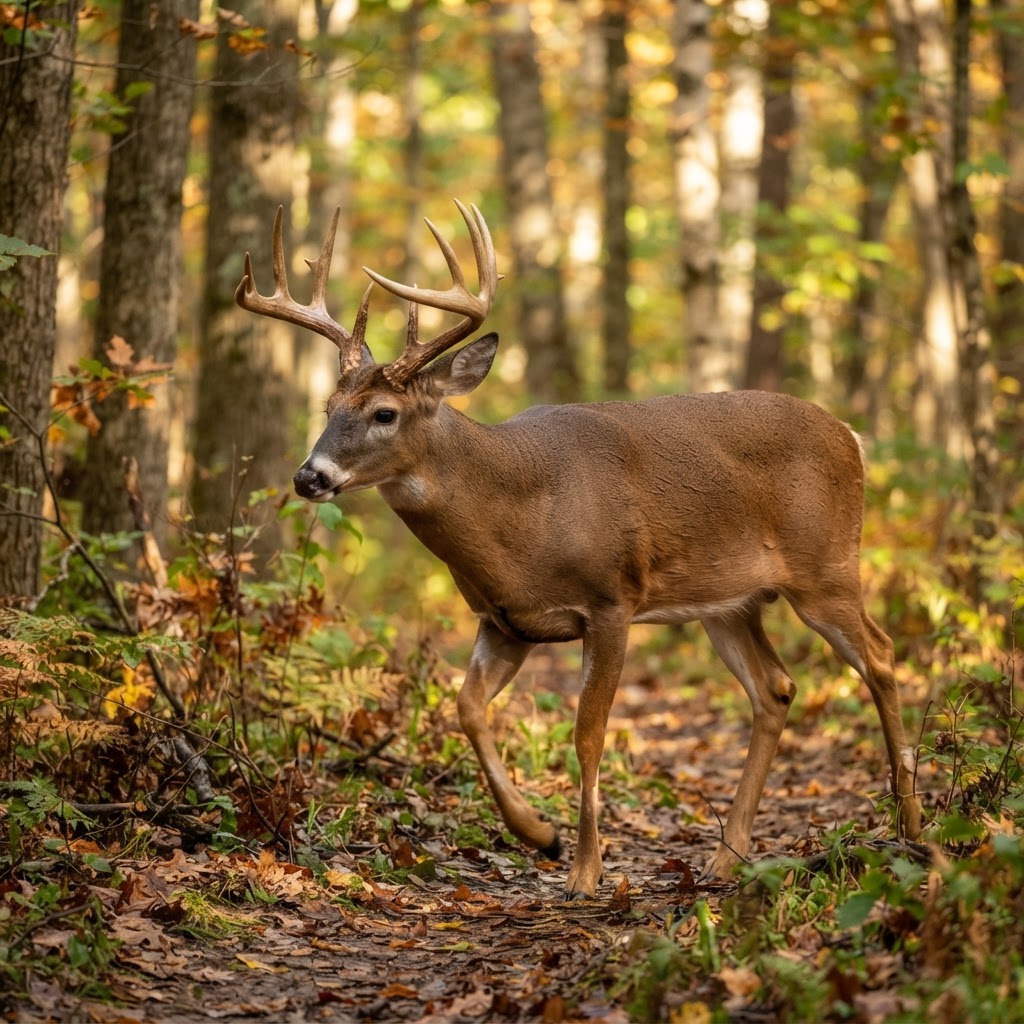
Optimizing Your Scouting: A Practical Approach to AI Trail Camera Photo Analysis
Drowning in thousands of trail camera photos every week? Learn how to stop sorting and start hunting by using AI to categorize bucks, does, and movement trends.
A Free Linktree Alternative Built for Hunters and Anglers
Every Buckeye Hunter Hub member gets a free link in bio page: one address for your socials, videos, photos, trophies and catches, with a QR code to print.
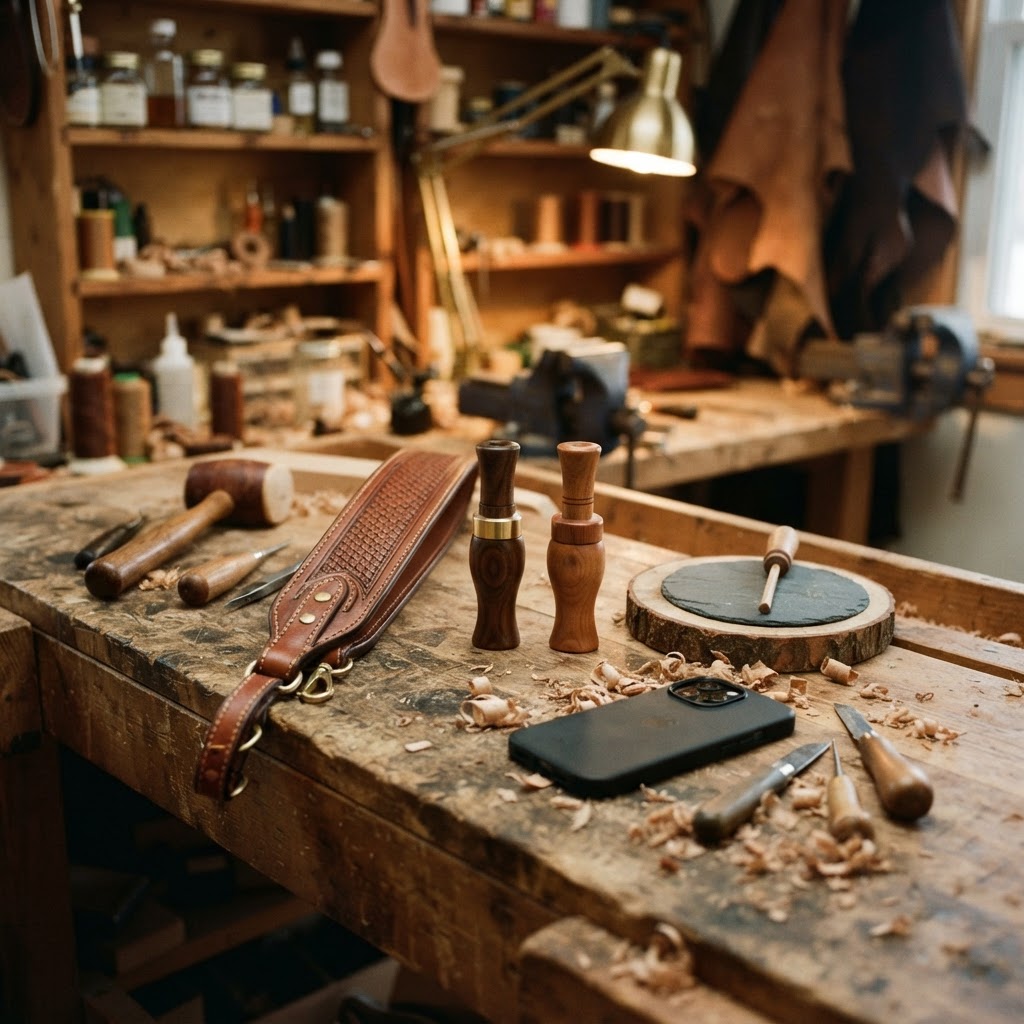
One Link for Makers, Guides and Callers: Put Your Work in Your Bio
Makers, guides, outfitters and callers can put their work, their shop and their channels on one free page, then share it with one link or a printed QR code.