
Mastering the Migration: Strategic Field Tactics for Canada Geese
The Art of the Field Hunt
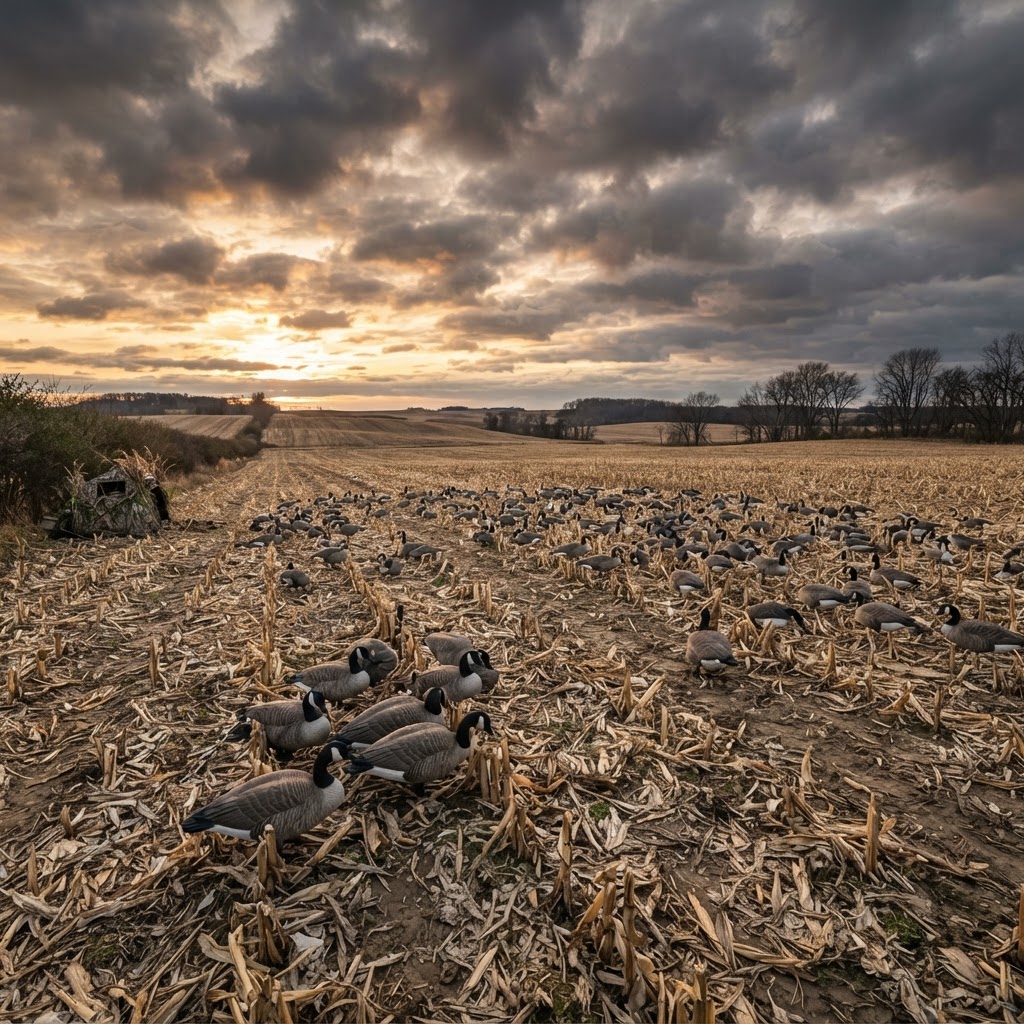
When the northern winds begin to bite and the local water starts to skim with ice, the serious Canada goose hunter knows it is time to shift focus. Field hunting is the ultimate test of patience, preparation, and precision. Unlike water hunts, where you are often working with established flight paths, field hunting requires you to bring the birds to the food. Success relies on your ability to interpret the landscape and the weather conditions that push birds across the flyway.
Get the waterfowl forecast for your area, free
See migration pushes, freeze-ups, and the best days to hunt ducks and geese near you.
Reading the Weather: The Catalyst for Movement
Canada geese are master navigators, but they are also creatures of comfort. A stagnant high-pressure system often leads to stale birds that are uninterested in your setup. To find the best action, you need to watch for the edge of a cold front. As barometric pressure drops, geese sense the incoming shift and become hyper-active, feeding aggressively to build fat reserves before the storm hits.
Ideally, you are looking for winds between 10 and 20 mph. Geese use the wind to lift their heavy frames; a calm day makes landing in a decoy spread feel unnatural to them. In high winds, the birds are forced to work harder and are more likely to commit to a well-placed landing zone. When monitoring these shifts, keep an eye on our to ensure you are in the field when the pressure drops and the birds are on the move.
Decoy Spreads and Motion Mechanics
Many hunters fall into the trap of buying "more gear" when they should be buying "better technique." Your spread design is crucial, but it shouldn't be a random pile of plastic. Use the to visualize how different wind directions dictate your landing zone.
When setting your spread, create a 'landing zone' or 'hole' where you expect the birds to finish. Place your decoys in family groups rather than a single large mass. Geese are social, but they maintain individual space. Incorporate motion—flags are essential, but motion stakes that allow decoys to sway in the wind are even better. The subtle, rhythmic movement of a feeder decoy is often the difference between a bird that commits and one that flares at 40 yards.
Concealment: The Invisible Hunter
If you can see the geese, they can see you. Many hunters invest thousands in decoys only to give themselves away with poor concealment. Your layout blinds should be stubbled with the exact vegetation from the field you are hunting. If you are in a cornfield, use corn stalks. If you are in a winter wheat field, use green grass or wheat clippings.
BHH Partner
Thinking about selling a rifle or an old family shotgun? Check up-to-date market pricing by make and model before you sell.
webuyguns.comDon't forget the 'black hole' effect; if your blind is in the middle of a field, it is a shadow that shouldn't exist. Break up the outline of the blind with extra stubble, and keep your face covered. A common rookie mistake is movement—moving your head to watch the birds before they are in range is the quickest way to flare a flock. Trust your partners, wait for the call to shoot, and keep your eyes down.
Scouting and Flyway Intelligence
Scouting is not just about finding birds; it is about observing their habits. Are they hitting the field in the morning? Are they roosting on a nearby lake or a frozen river? If you are hunting a new area, check local to understand which phase of the migration you are currently in.
E-Tag States

Harvest Tags
E-check means you supply the tag. Printed with the exact fields your state requires.
3-pack $22.95

Youth Hunter Academy
Raise a safe, confident young hunter.
Safety missions for ages 5–17. Free parent account.
Remember that birds will move to where the food is easiest to access. If there is heavy snow, they will target fields where they can dig for corn. If there is a light frost, they may prefer lush, open green fields. Take your time to watch the flight path from the roost to the feed field. Being set up under the flight line is often more effective than being in the field itself if the birds are just passing through to a larger area.
Actionable Takeaways for the Season
- Adapt to the Wind: Always set your spread so the wind is blowing from behind the hunters or directly at their backs to draw birds into the center of the decoys.
- Call Sparingly: Don't overcall. Use simple, rhythmic honks to locate birds, but go quiet once they begin their final descent.
- Clean the Gear: Ensure your decoys are free of mud and frost before each hunt. A bright, shiny decoy in the morning sun can spook warier birds.
- Stay Organized: Use your to track peak migration dates and plan your time off accordingly.
Field hunting Canada geese is an investment in time and physical labor, but the reward of a fully committed flock dropping into your decoys is unmatched in the sporting world. By respecting the weather patterns and focusing on natural-looking concealment, you can turn any field into a hotspot for the season.
Free every morning
Your Daily Briefing
One morning forecast for the spots you actually hunt and fish: deer movement, waterfowl flights, bite times, wind and shooting light.
See what's in itSet up your briefing
Join free, save a spot on the map, then pick what you hunt and fish and when you want your email.
Join 1,532 hunters and anglers on Buckeye Hunter Hub — free.
Latest from the Community



Everything you need to hunt smarter — free
Buckeye Hunter Hub is a free, nationwide platform. Create an account and unlock the full toolkit:
Free Interactive Hunting Map
Mark stands, cameras, and sign. Draw hunting zones with public land & county overlays across all 50 states.
Zones with Group Sharing
Share zones with your hunting group, split property into sections, assign stands, and check in — all in one place.
50 States of Hunting Resources
Season dates, license links, and DNR regulations for every state, kept current so you never miss an opener.
Deer Movement Forecast
Data-driven daily movement predictions using wind, moon, and pressure — know when to sit before you go.
Waterfowl Movement & Tools
Flight-potential forecasts, migration numbers, decoy spread planner, and a full species field guide.
From the Maker Bench

Taggart Outdoors
Custom Western Belt
Hand-built in the USA · $127.99
Shop the MakerBHH Partner
Thinking about selling a rifle or an old family shotgun? Check up-to-date market pricing by make and model before you sell.
webuyguns.comE-Tag States
Harvest Tags
E-check means you supply the tag. Printed with the exact fields your state requires.
3-pack $22.95
More Articles
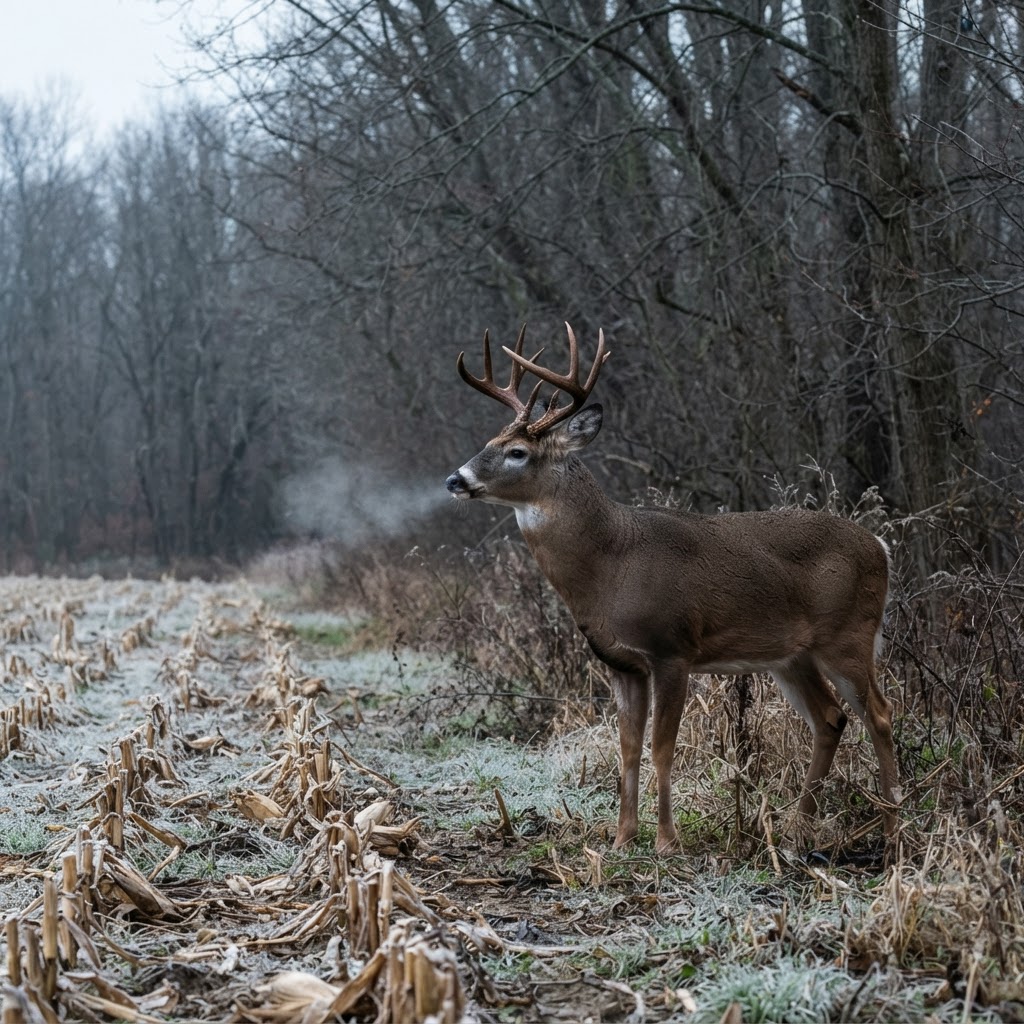
Ohio Deer Gun Season 2026: Essential Dates and Regulations
Ohio's deer gun season opens Monday, November 30, 2026, marking the start of the state's most anticipated hunting period. Hunters should prepare for specific bag limit changes and mandatory CWD sampling requirements in designated areas.
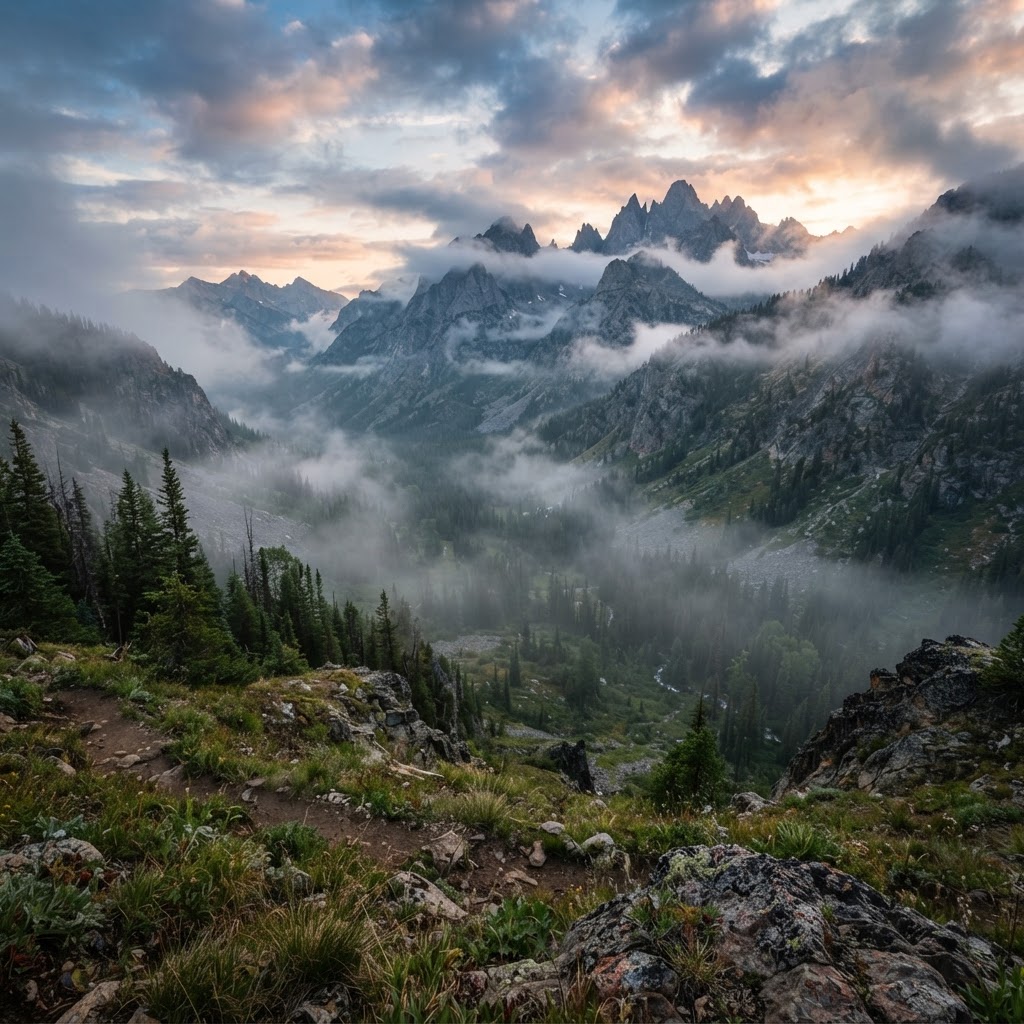
High-Altitude Tactics: Mastering Idaho’s Rugged Big Game Landscapes
From the Sawtooths to the Panhandle, Idaho offers some of the most demanding and rewarding hunting in the West. Learn how to navigate the Gem State's vertical wilderness with these field-tested strategies.
Securing Your Season: A Nationwide Approach to Finding Private Hunting Land
Tired of fighting crowds on public land? Discover how Buckeye Hunter Hub makes finding private hunting leases across the United States easier and more accessible for every hunter.

Why Quick-Access Security Beats a Traditional Safe for Defense
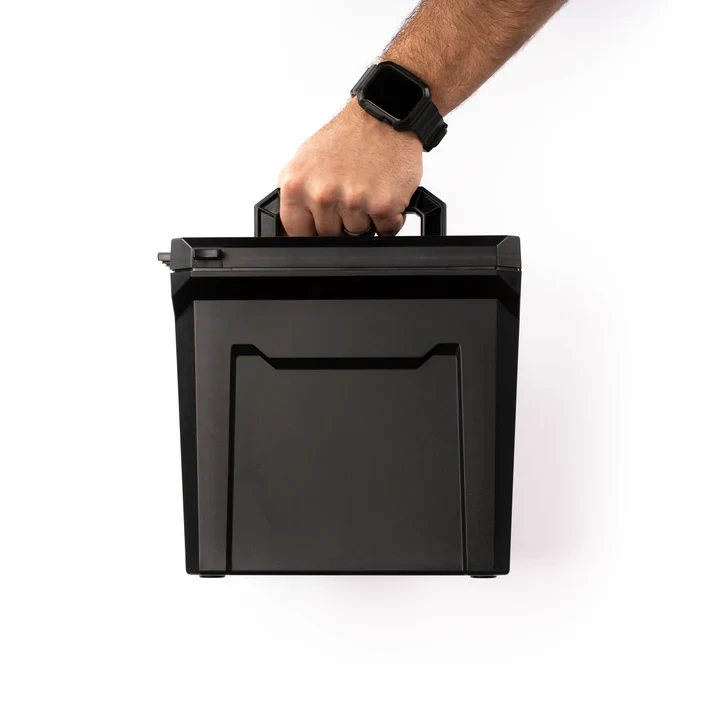
When seconds count, traditional safes can be your biggest hurdle. Discover why the StopBox lineup offers the speed and reliability you need for home defense.