Mastering the Craft: The Ultimate Wild Goose Jerky Recipe
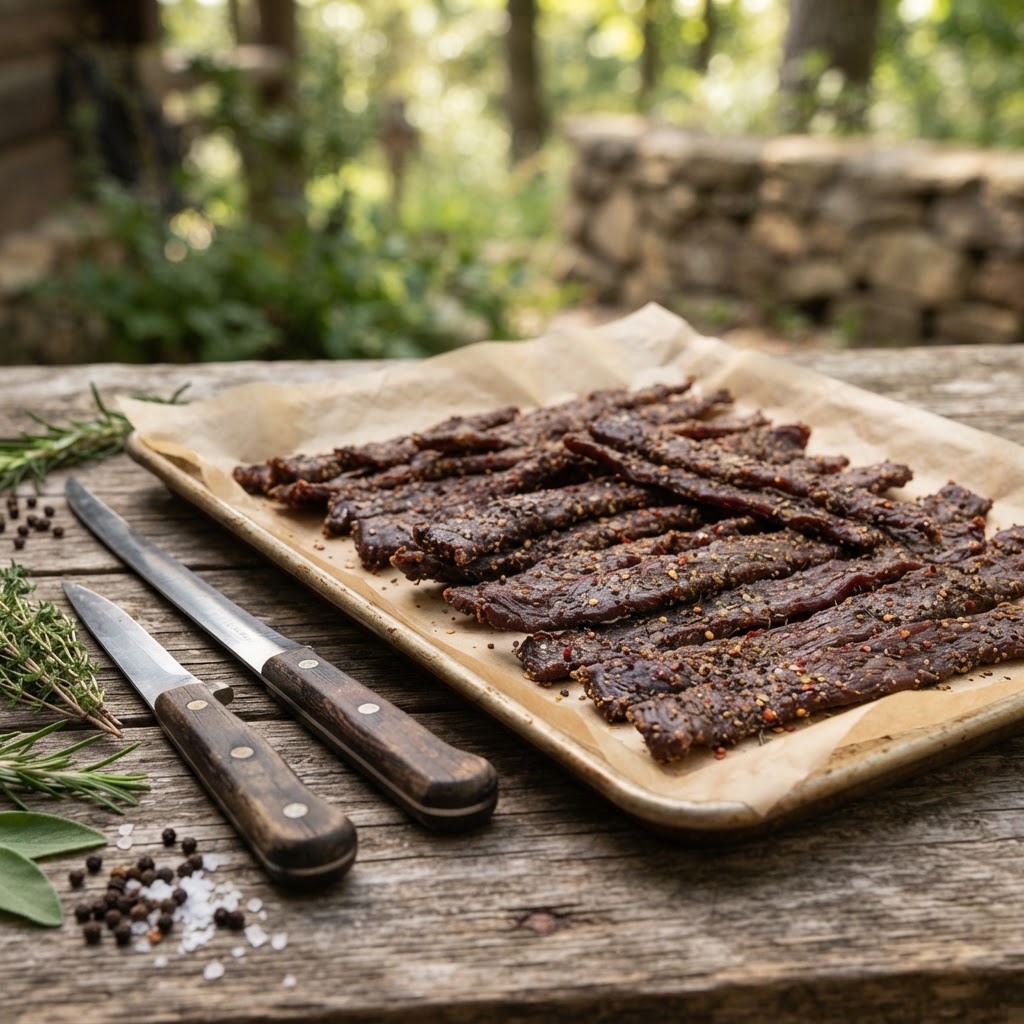
Why Goose Makes the Best Jerky
For many hunters, a successful day in the blind often concludes with a heavy bag of Canada geese. While roast goose is a holiday staple, the lean, dark muscle groups of a goose—specifically the breast meat—are perfectly suited for drying. Because wild goose has significantly less fat than store-bought beef, it makes for an incredibly clean, shelf-stable snack that won't go rancid in your pack. At Buckeye Hunter Hub, we believe that every ounce of the harvest should be respected, and turning those hard-earned birds into jerky is one of the most rewarding ways to extend your hunting season into the kitchen.
Raise a safe, confident young hunter.
Guide your kids ages 5–17 through interactive hunting safety missions, real decision drills, and earned trophies — all from one free parent account.




Understanding the Cut
The breast of a Canada goose is a dense, working muscle. If cooked too quickly at high temperatures, it can become tough and liver-like. However, when sliced against the grain and dehydrated slowly, that density transforms into a satisfying, chewy texture that mimics premium commercial jerky. Before you start, ensure your bird is properly cleaned and chilled. If you are tracking your harvest success, always check to understand how local populations influence your hunting success.
Ingredients for Success
To make approximately two pounds of jerky, gather the following:
- 2 lbs of cleaned goose breast, silver skin removed
- 1/2 cup soy sauce (low sodium recommended)
- 1/4 cup Worcestershire sauce
- 2 tablespoons dark brown sugar
- 1 tablespoon smoked paprika
- 1 teaspoon freshly cracked black pepper
- 1/2 teaspoon garlic powder
- 1/2 teaspoon onion powder
- 1/2 teaspoon liquid smoke (optional, for that campfire aroma)
- 1 teaspoon kosher salt


Harvest Tags
E-tagging means you supply the tag. These weatherproof, write-on tags carry the exact fields your state requires — 3-pack $19.95, free shipping.
Shop Harvest TagsFree hunting map, zones & 50-state resources
Save your spots, share zones with your group, and get deer & waterfowl movement forecasts — free.
Step-by-Step Jerky Instructions
1. Preparation and Slicing
Start by trimming every bit of fat and connective tissue from the goose breasts. Fat is the enemy of jerky; it doesn't dehydrate and will cause the meat to spoil faster. Place the breasts in the freezer for about 45 to 60 minutes until they are firm but not frozen solid. Using a sharp fillet knife, slice the meat against the grain into 1/4-inch thick strips. Consistent thickness is vital for even drying.
2. The Marinade
In a large non-reactive bowl or a gallon-sized freezer bag, combine all ingredients. Whisk thoroughly until the sugar has dissolved. Submerge the goose strips, ensuring every piece is coated. Seal the bag or cover the bowl and refrigerate for at least 12 hours, but no more than 24 hours. The acidity in the soy and Worcestershire sauces will help break down the fibers just enough to ensure the final product is tender.
3. Drying Process
Remove the meat from the marinade and pat each strip dry with paper towels. Excess moisture on the surface will increase drying time. Lay the strips on your dehydrator racks, leaving about a half-inch of space between pieces to allow air to circulate. Set your dehydrator to 160°F. If your dehydrator does not have a temperature setting, aim to use a unit that maintains a steady heat between 145°F and 165°F to ensure food safety.
4. Monitoring and Finishing
Depending on your humidity and the thickness of the strips, jerky typically takes between 4 and 8 hours. Start checking at the 4-hour mark. The jerky is done when it bends and cracks but does not snap completely in half. If you are unsure about the internal state of your harvest, reviewing the can provide insight into the size and quality of the birds you are processing.
Chef Tips for Lean Wild Game
Handling wild waterfowl requires a different mindset than handling domesticated beef. Because goose is incredibly lean, it lacks the intramuscular fat that typically protects meat from drying out.
- Watch the Temp: Always keep your dehydrator at or above 160°F to ensure any pathogens are destroyed during the drying process. Never try to "fast-dry" jerky by turning the heat up to the max; this will sear the outside and leave the inside soft and potentially unsafe.
- The Bend Test: When testing for doneness, remove a piece and let it cool completely for five minutes. Hot jerky will always feel softer than it actually is. If it feels pliable and leathery once cool, it is ready.
- Storage: Store your finished jerky in vacuum-sealed bags or airtight mason jars. If you plan on eating it within a week, a simple zip-top bag in a cool, dark cupboard works fine. For long-term storage, keep it in the freezer.
By following these simple steps, you can turn your next successful hunt into a high-protein fuel source that keeps you going in the field. For more tips on managing your gear and processing your harvest, check out the rest of at Buckeye Hunter Hub.
Everything you need to hunt smarter — free
Buckeye Hunter Hub is a free, nationwide platform. Create an account and unlock the full toolkit:
Free Interactive Hunting Map
Mark stands, cameras, and sign. Draw hunting zones with public land & county overlays across all 50 states.
Zones with Group Sharing
Share zones with your hunting group, split property into sections, assign stands, and check in — all in one place.
50 States of Hunting Resources
Season dates, license links, and DNR regulations for every state, kept current so you never miss an opener.
Deer Movement Forecast
Data-driven daily movement predictions using wind, moon, and pressure — know when to sit before you go.
Waterfowl Movement & Tools
Flight-potential forecasts, migration numbers, decoy spread planner, and a full species field guide.

American Express® Gold Card
Earn big on the things you love—dining, groceries, and travel. Apply through my referral link below.
- Up to 100,000 Membership Rewards® Points after you use your new Card to make $8,000 in purchases in the first 6 months—upon approval.
- 4X Membership Rewards® Points at restaurants worldwide, plus takeout and delivery in the U.S.
- 4X Points at U.S. supermarkets (on up to $25,000 per year, then 1X).
- 3X Points on flights booked directly with airlines or on amextravel.com.
- Up to $120 in annual dining credits at select partners (enrollment required).
Terms apply. Offer subject to approval by American Express. This is a referral link—I may receive Membership Rewards® Points if you are approved.
More Articles
Best Barometric Pressure for Deer Hunting: What the Data Really Says
Is barometric pressure a magic switch for deer activity or just another weather variable? We dive into the telemetry data to separate hunting folklore from scientific reality.

The Wing-Shooter’s Rite of Passage: Mastering Mourning Dove Hunting
Often called the quintessential American pastime, mourning dove hunting is the perfect way to sharpen your aim and welcome the arrival of fall. Discover the tactics, biology, and gear you need to excel in the field this season.

How Wind Direction Dictates Your Waterfowl Blind Placement
Success in the marsh depends on more than just decoys; it hinges on how you position your blind relative to the wind. Master the art of wind-based setup to finish birds at your feet.
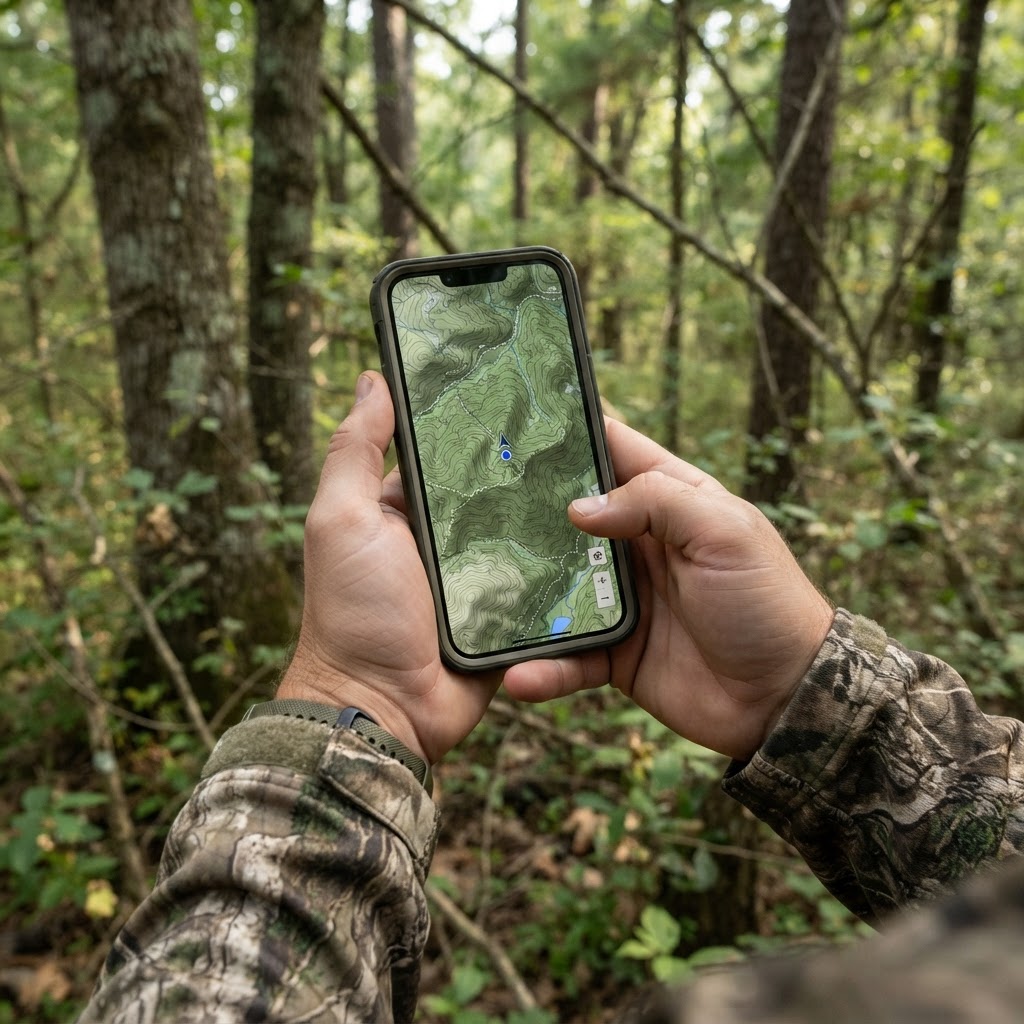
Mapping Success: How to Use Buckeye Hunter Hub to Mark Waypoints
Stop wandering aimlessly through the woods and start hunting with purpose by mastering waypoint marking on your interactive digital map.