
Mastering the Craft: A Complete Guide to Bobcat Hunting in the U.S.
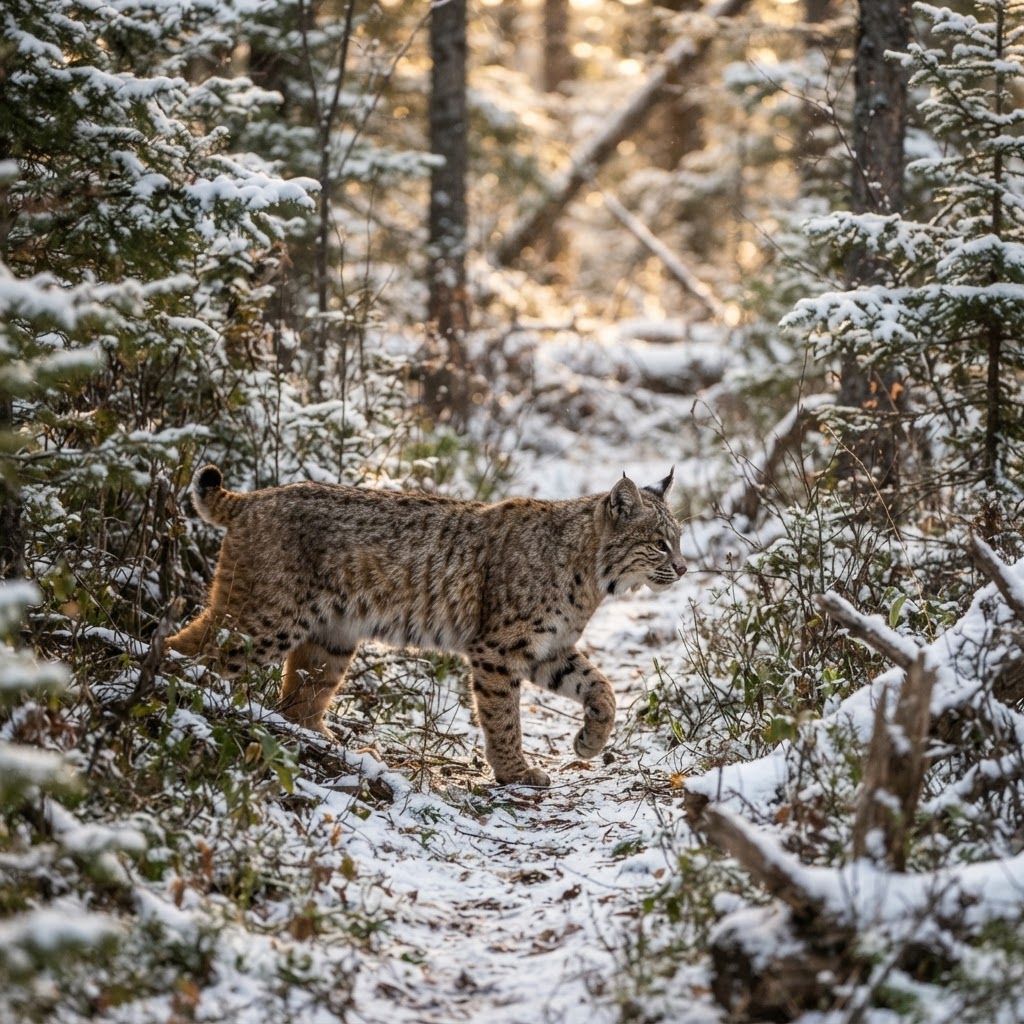
Introduction to Bobcat Hunting
For many hunters, the pursuit of the elusive bobcat (Lynx rufus) represents the pinnacle of predator hunting. These medium-sized wild cats are masters of stealth, intelligence, and patience. Found across nearly every state in the continental United States, the bobcat is a challenging quarry that demands a high level of woodsmanship and a deep understanding of animal behavior. Whether you are a newcomer to predator hunting or a seasoned veteran looking to test your skills, understanding the nuances of the bobcat will change the way you view the woods.
Free hunting map, zones & 50-state resources
Save your spots, share zones with your group, and get deer & waterfowl movement forecasts — free.
Biology and Behavior
The bobcat is a solitary, territorial predator. They are crepuscular, meaning they are most active during the dawn and dusk hours, though they will hunt throughout the day in remote areas. With a diet consisting of rabbits, squirrels, rodents, and occasionally fawns, bobcats rely heavily on their acute hearing and vision rather than scent to track prey. Understanding this biological fact is critical for your setup; unlike coyotes, which might circle downwind to catch your scent, a bobcat will often use its eyes and ears to commit to a call. If you are interested in broader wildlife patterns, you can check out to better understand how other local species navigate the same terrain as these cats.
Habitat and Range
Bobcats are incredibly adaptable. You can find them in everything from the dense swamps of the Southeast and the rugged mountains of the West to the scrublands of the Southwest and even temperate forests of the North. They prefer areas with thick cover—brush piles, rocky outcroppings, and heavy timber—where they can ambush prey. When scouting, look for latrines (piles of scat) and claw marks on trees. Always ensure you are checking the for your specific region, as regulations, bag limits, and season dates vary significantly between states.
Tactical Approaches: Calling and Scouting
Calling is the most effective way to harvest a bobcat. Unlike canines, which may sprint toward a call, bobcats are cautious. They often stop behind brush, watching and listening for several minutes before committing to an opening.
The Setup
E-Tag States

Harvest Tags
E-check means you supply the tag. Printed with the exact fields your state requires.
3-pack $22.95
Always position yourself with a wide field of view, but ensure your backdrop is dark enough to hide your silhouette. Use an electronic caller that offers high-quality distress sounds—cottontail rabbit, bird distress, or rodent squeaks are top-tier choices. Because bobcats are visual predators, adding a motion decoy is highly recommended. The sight of a flickering feather or a spinning tail can be the deciding factor that draws a wary cat out of cover.
Timing the Hunt
Bobcat seasons usually coincide with the winter months when their fur is at its prime. During this period, food sources become scarcer, making them more responsive to distress calls. If you are also planning your season around other pursuits, it is worth referencing to manage your time effectively between predators, deer, and upland game.
Raise a safe, confident young hunter.
Guide your kids ages 5–17 through interactive hunting safety missions, real decision drills, and earned trophies — all from one free parent account.
Bonus: every $10 you spend in the BHH shop earns a free seat (up to 5). Use them or share them.




Essential Gear
- Firearms: A shotgun with a tight-choke (like a full or extra-full turkey choke) loaded with #4 buckshot is the gold standard for bobcat hunting. It provides the necessary pattern density and stopping power at typical calling ranges of 20 to 40 yards.
- Optics: High-quality binoculars are essential for glassing rocky ridges or field edges before you start calling.
- Clothing: Layering is vital. You will spend long, stationary hours sitting in cold temperatures. Ensure your camo pattern matches the transition from late fall to winter.
Tips for Success
- Patience is Key: If you don't see a bobcat within the first 15 minutes of calling, do not pack up immediately. A cat may have heard you from hundreds of yards away and is slowly creeping in. Give each stand at least 30 to 45 minutes.
- Silence: Bobcats have incredible hearing. Keep movement to an absolute minimum, and keep your gear organized so you don't make noise during the call.
- Stay Local: Join in your area to learn about local bobcat densities and habitat preferences. Experienced hunters in these groups can provide invaluable insights on which cover types are producing in your state.
Conservation and Ethics
Ethical hunting is at the heart of the Buckeye Hunter Hub ethos. Always verify that your target is a bobcat before pulling the trigger, and be aware of your state’s harvest reporting requirements. Protecting the habitat and managing predator populations are essential components of modern wildlife conservation. By engaging in responsible hunting, you contribute to the overall health of the ecosystem. For further reading, consult your state's Department of Natural Resources (DNR) website to keep up with the latest biological population surveys and conservation success stories.
Join 543 hunters and anglers on Buckeye Hunter Hub — free.
Latest from the Community


New drop
Fresh Buckeye Hunter Hub tees & hoodies


Everything you need to hunt smarter — free
Buckeye Hunter Hub is a free, nationwide platform. Create an account and unlock the full toolkit:
Free Interactive Hunting Map
Mark stands, cameras, and sign. Draw hunting zones with public land & county overlays across all 50 states.
Zones with Group Sharing
Share zones with your hunting group, split property into sections, assign stands, and check in — all in one place.
50 States of Hunting Resources
Season dates, license links, and DNR regulations for every state, kept current so you never miss an opener.
Deer Movement Forecast
Data-driven daily movement predictions using wind, moon, and pressure — know when to sit before you go.
Waterfowl Movement & Tools
Flight-potential forecasts, migration numbers, decoy spread planner, and a full species field guide.
From the Maker Bench

SE Ohio Outdoors
Euro Mount Hook
Hand-built in the USA · $8.00
Shop the MakerNew drop
Fresh Buckeye Hunter Hub tees & hoodies
Shop This

StopBox Pro Ward | Wall-Mounted
$179.00$199.99

StopBox Pro Compact
$159.00$179.99

BHH Grit Whitetail Tee
$20.55

Buckeye Hunter Hub Hoodie — Woodie
$32.87
E-Tag States
Harvest Tags
E-check means you supply the tag. Printed with the exact fields your state requires.
3-pack $22.95
More Articles
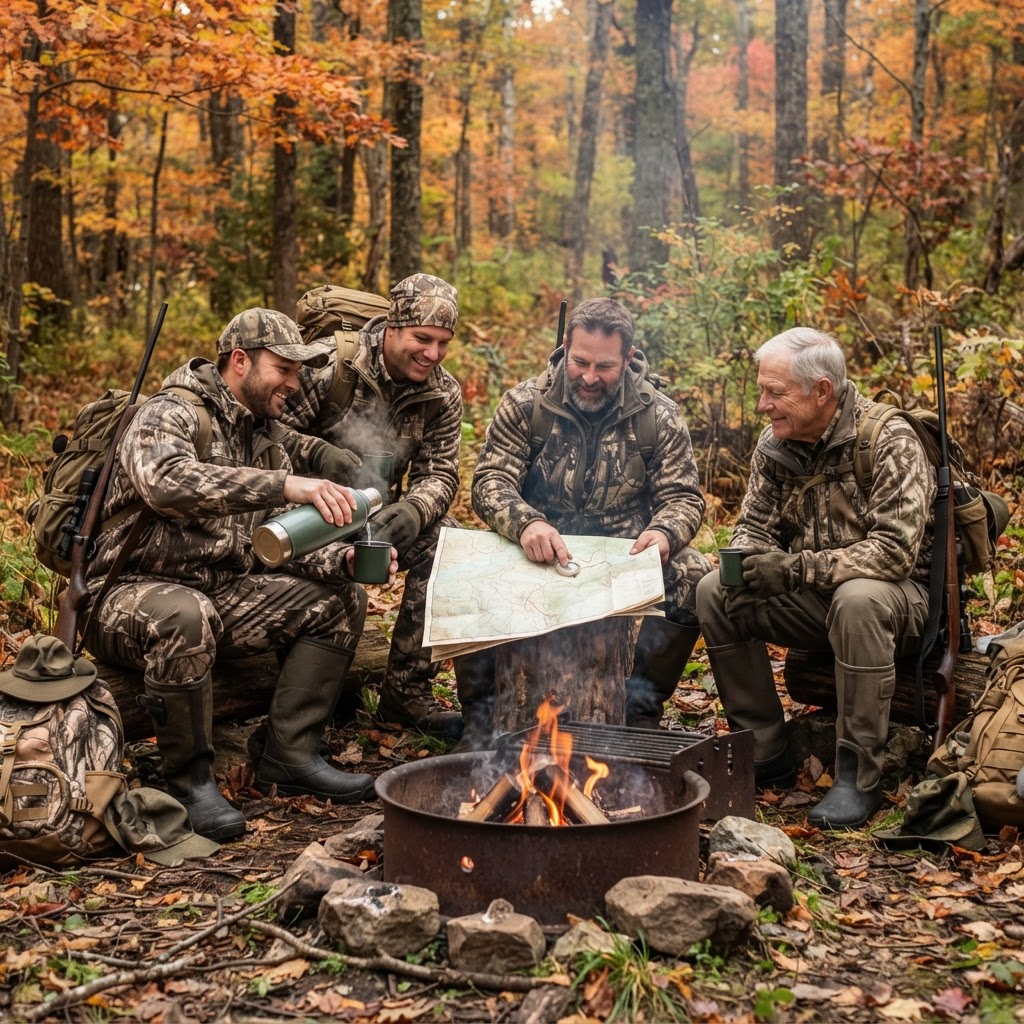
Finding Your Tribe: Maximizing Impact Within the Buckeye Hunter Hub Community
Discover how engaging with specialized hunting groups can sharpen your tactical edge, provide local intel, and connect you with a lifetime of field expertise.
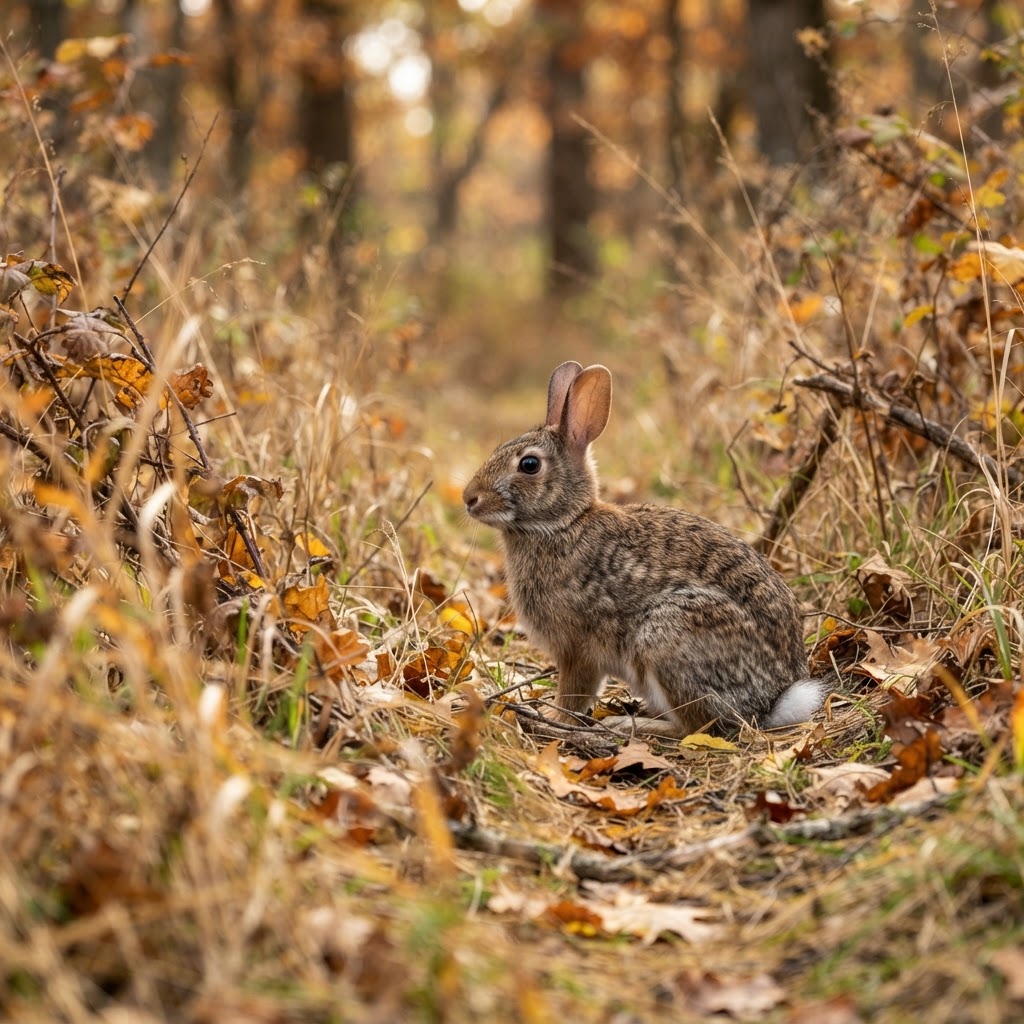
Cottontail Chronicles: Mastering the Art of Small Game Pursuit
Often overlooked in favor of larger game, the cottontail rabbit offers a challenging, fast-paced hunting experience that sharpens your field skills like no other.

Bayou Bound: Navigating Louisiana’s Vast Public Hunting Landscape
From the sprawling bottomland hardwoods to the coastal marshes, discover how to conquer Louisiana’s public lands and find success in the Sportsman's Paradise.
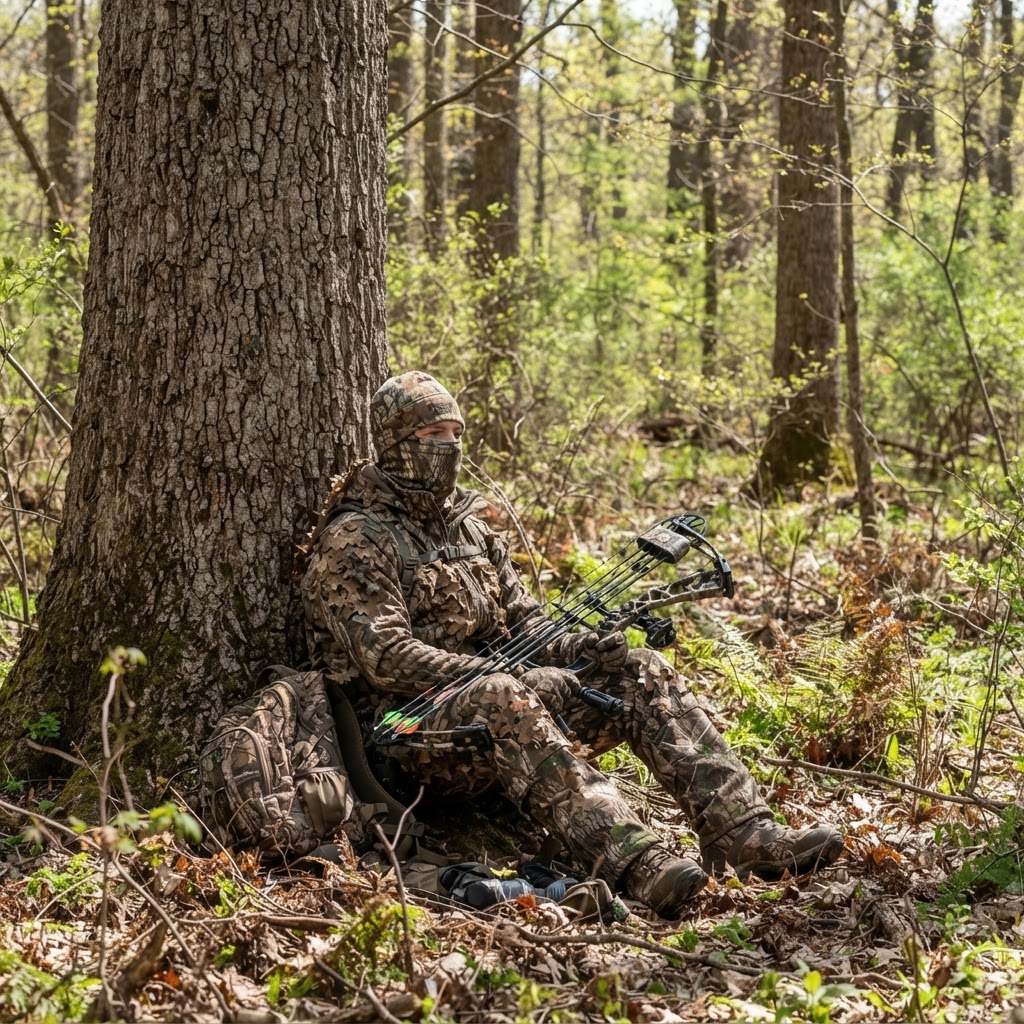
Mastering the Spring Gobbler: A Comprehensive Strategy for Turkey Success
From understanding complex vocalization patterns to mastering the setup, learn how to outsmart the wild turkey and bring home a spring trophy.