Mastering the Art of Reading Deer Sign: Rubs, Scrapes, and Beds
Understanding Deer Sign: Key Indicators for Hunters
Reading deer sign is an essential skill for successful hunters across the United States. Rubs, scrapes, and beds provide critical information about deer behavior and movement patterns. By mastering these signs, you can enhance your chances of a fruitful hunt. In this article, we’ll delve into the details on how to interpret these signs and apply that knowledge in the field.
Free hunting map, zones & 50-state resources
Save your spots, share zones with your group, and get deer & waterfowl movement forecasts — free.
What Are Deer Rubs?
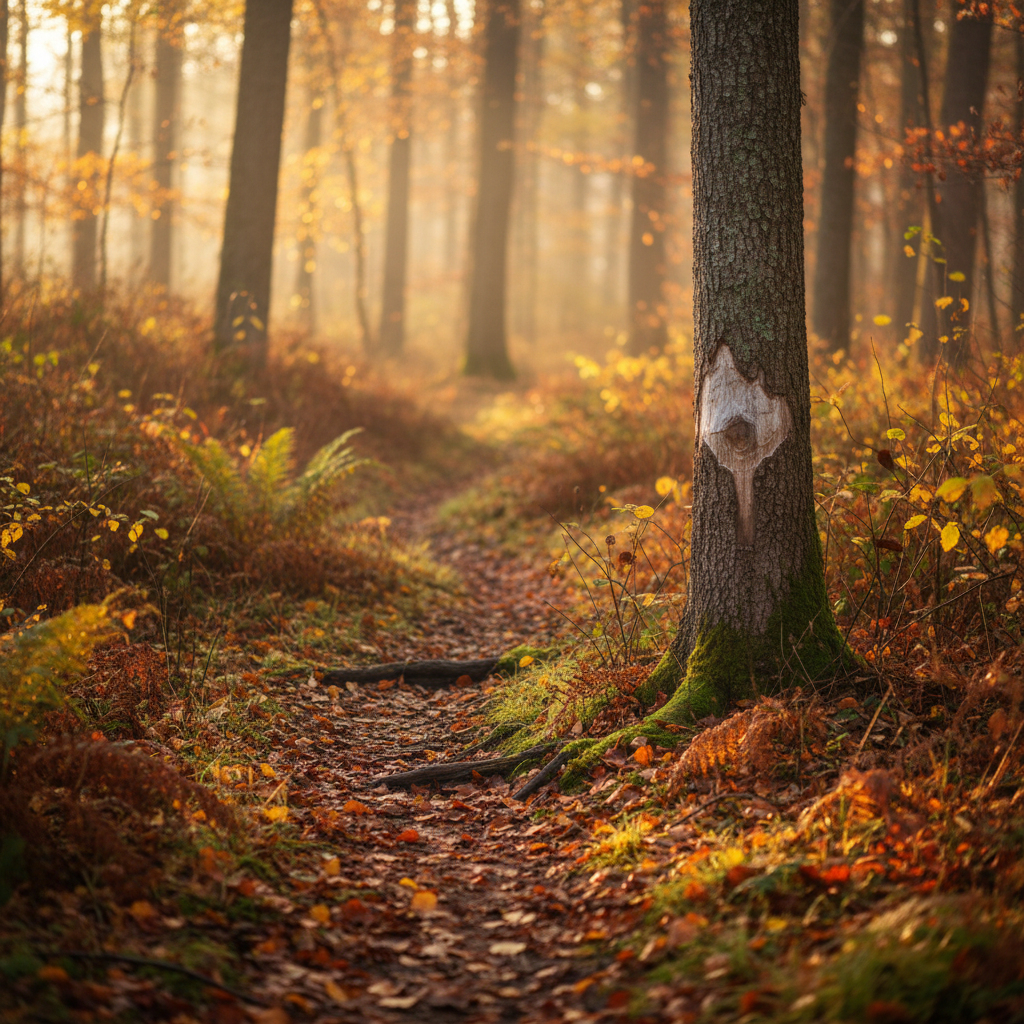
Rubs are marks left on trees or bushes by bucks during the rut (breeding season). They occur when deer scrape their antlers against the bark, leaving behind clear evidence of their presence. Here’s what to look for:
- Height: Rubs are typically found between waist and shoulder height. Higher rubs indicate larger bucks.
- Diameter: The diameter of the tree can give clues to the age of the buck. Bucks aged 2.5 years and older often use larger trees.
- Location: Rubs are often found along travel corridors, near food sources, or close to bedding areas. Pay attention to rub lines; they can suggest deer movement patterns.
To learn more about top locations for deer rubs, check out our for specific insights based on your region.
Scrapes: A Communication Tool
Scrapes are created when a deer paws at the ground and often marks the area with urine. These are used for communication between deer, signaling rutting activity and social hierarchy. Here’s how to identify them:
- Ground Clearing: Look for a clear patch of dirt, usually around the size of a dinner plate, where leaves and debris have been pushed aside.
- Overhead Branch: Most scrapes have overhead branches that bucks will often rub their antlers against. This helps to spread scent from their pre-orbital glands.
- Freshness: Fresh scrapes will show bright white dirt and may still have remnants of debris at the edges. If you see fresh tracks around the scrape, it’s a prime spot to consider setup for your hunt.
For tips on setting up your hunting stand in relation to scrapes, refer to our which offers detailed strategies.
Locating Bedding Areas
E-Tag States

Harvest Tags
E-check means you supply the tag. Printed with the exact fields your state requires.
3-pack $22.95
Bedding areas are crucial for understanding where deer spend their downtime. Knowing where these areas are allows you to strategically plan your hunt. Here’s how to identify bedding zones:
- Cover: Look for thick brush or tall grass that provides cover. Deer prefer to bed down in areas where they can stay hidden from predators.
- Wind Direction: Deer typically bed down nose into the wind. Observing wind patterns can help you locate upwind bedding areas.
- Trails: Pay attention to the well-worn trails leading to and from these areas; they can indicate daily movement patterns.
For a more in-depth look at navigating terrain and identifying effective spots, check out our .
Raise a safe, confident young hunter.
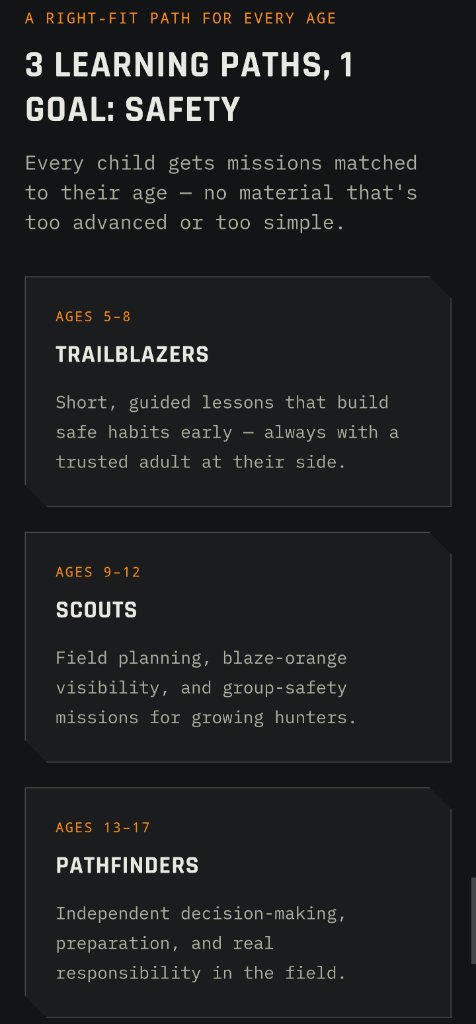
Guide your kids ages 5–17 through interactive hunting safety missions, real decision drills, and earned trophies — all from one free parent account.



Combining Signs for Effective Hunting Strategies
By understanding rubs, scrapes, and bedding areas, you can create a comprehensive hunting strategy. Here’s a step-by-step approach:
- Scout Early: Before the season, take time to scout your hunting area. Note where you find rubs and scrapes, and draw out possible bedding areas on a map.
- Layer Your Knowledge: Combine the evidence of rubs and scrapes with wind direction and typical deer movement to determine the best spots to place your stands.
- Time Your Hunt: Use the rut calendar to time your hunts effectively. The height of the rut often sees increased activity, making it a great time to hunt near scrapes. Check our for your state’s specific dates.
- Be Flexible: Deer movement can change due to various factors. Utilize tools like for weather intel and to stay updated on deer activity.
Final Thoughts
Reading deer sign is an art that every hunter can master with practice and observation. Understanding rubs, scrapes, and beds not only enhances your hunting strategy but also deepens your appreciation for the natural behaviors of these magnificent creatures. For further assistance in connecting with fellow hunters and sharing insights, consider joining our .
Furthermore, refer to reputable external resources such as the National Deer Association and your local state's wildlife agency, such as the Wisconsin DNR for more information on deer hunting regulations and management.
Armed with this knowledge, you’re now ready to hit the field with confidence. Happy hunting!
Join 288 hunters and anglers on Buckeye Hunter Hub — free.
Latest from the Community


New drop
Fresh Buckeye Hunter Hub tees & hoodies


Everything you need to hunt smarter — free
Buckeye Hunter Hub is a free, nationwide platform. Create an account and unlock the full toolkit:
Free Interactive Hunting Map
Mark stands, cameras, and sign. Draw hunting zones with public land & county overlays across all 50 states.
Zones with Group Sharing
Share zones with your hunting group, split property into sections, assign stands, and check in — all in one place.
50 States of Hunting Resources
Season dates, license links, and DNR regulations for every state, kept current so you never miss an opener.
Deer Movement Forecast
Data-driven daily movement predictions using wind, moon, and pressure — know when to sit before you go.
Waterfowl Movement & Tools
Flight-potential forecasts, migration numbers, decoy spread planner, and a full species field guide.
From the Maker Bench

Taggart Outdoors
Padded Rifle Sling
Hand-built in the USA · $134.99
Shop the MakerNew drop
Fresh Buckeye Hunter Hub tees & hoodies
Shop This

StopBox Pro Ward | Wall-Mounted
$179.00$199.99

StopBox Pro Compact
$159.00$179.99

Buckeye Hunter Hub Tee — No Tag Left Behind
$20.55

Buckeye Hunter Hub Hoodie — No Tag Left Behind
$32.87
E-Tag States
Harvest Tags
E-check means you supply the tag. Printed with the exact fields your state requires.
3-pack $22.95
More Articles
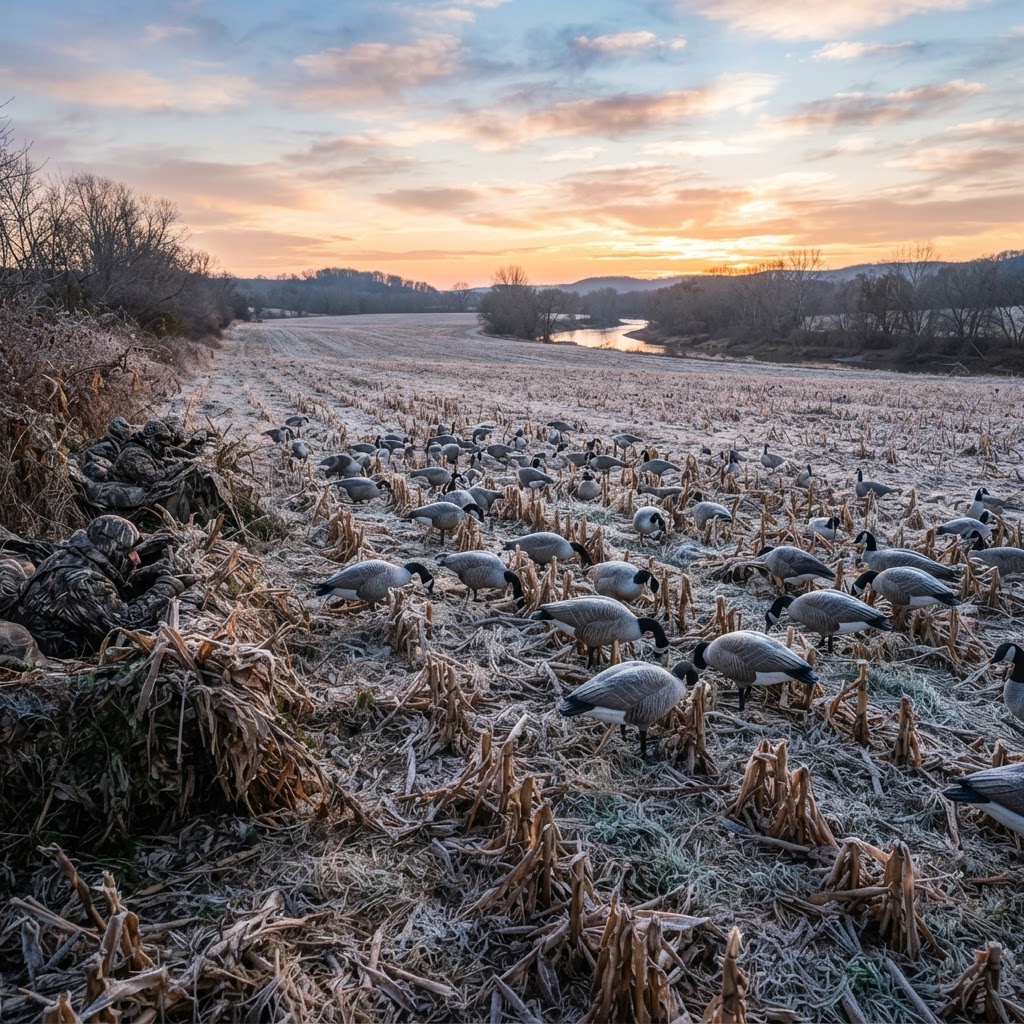
Mastering the Migration: Strategic Canada Goose Tactics for Dry Fields
Success in the dry field hinges on reading the barometer, perfect concealment, and creating a realistic landing pocket. Unlock the secrets to consistent honker harvests with these advanced field tactics.
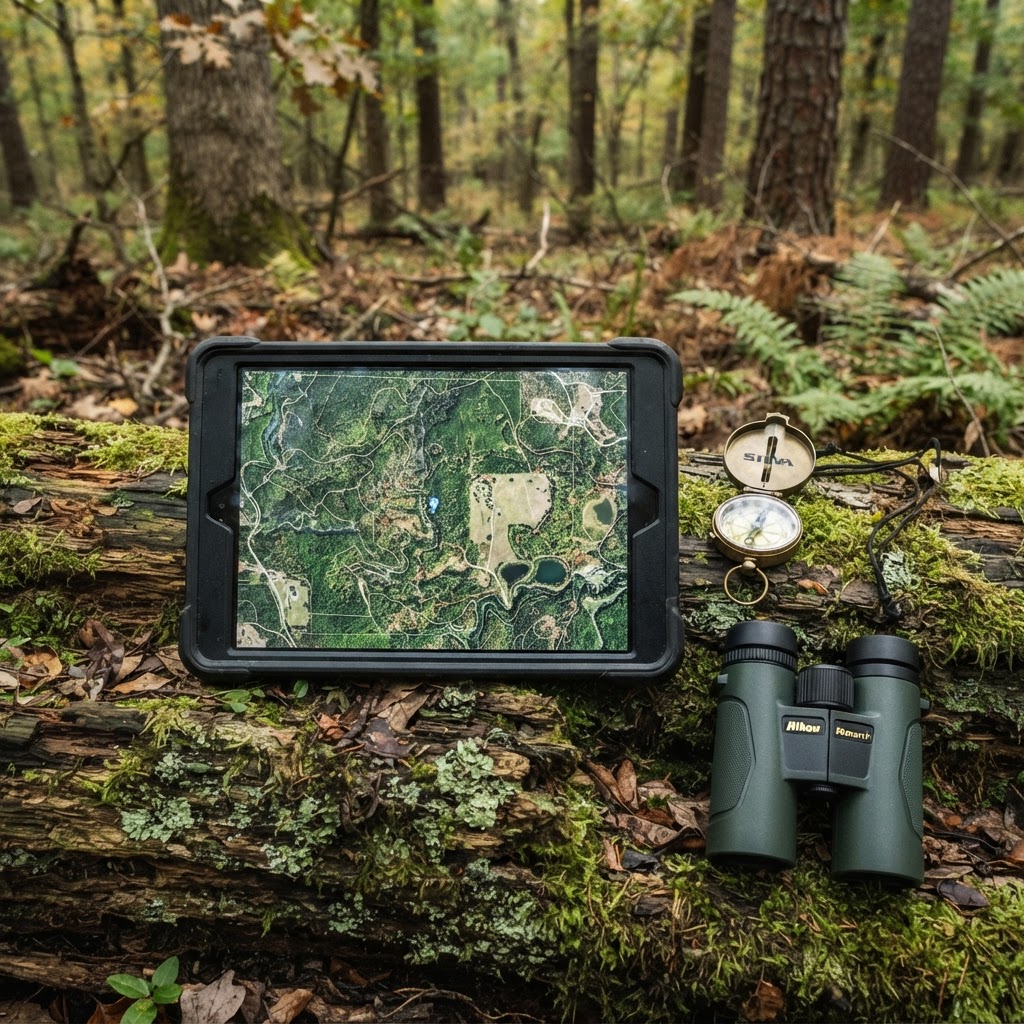
Optimizing Your Scouting: A Practical Approach to Waypoint Management
Transform your chaotic scouting notes into a streamlined digital strategy by mastering the waypoint features of the Buckeye Hunter Hub interactive map. Learn how to pinpoint your next harvest with surgical accuracy.
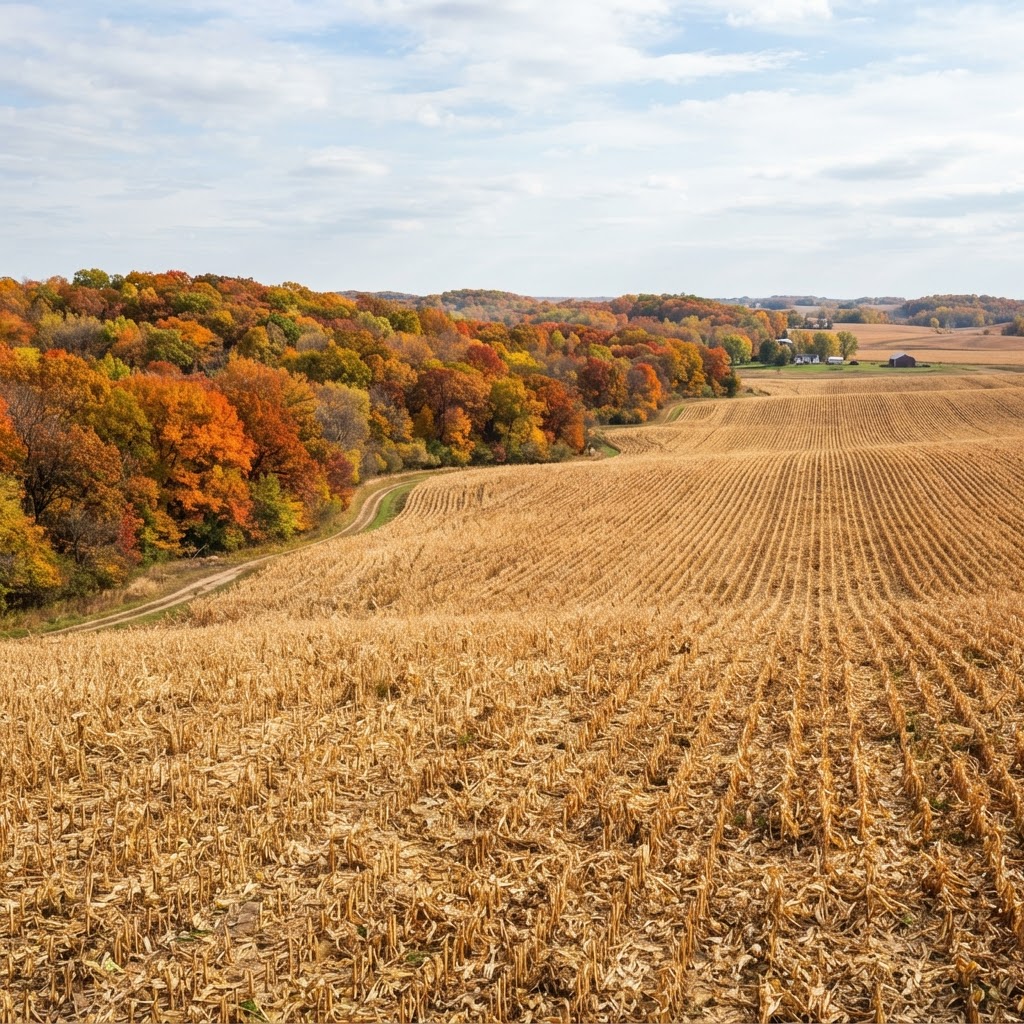
Cornfield Kingdom: Navigating Iowa’s Premier Public Land Opportunities
Iowa is more than just rolling farmland; it is a legendary destination for public land hunters willing to put in the work. Learn how to unlock the Hawkeye State’s best kept secrets.
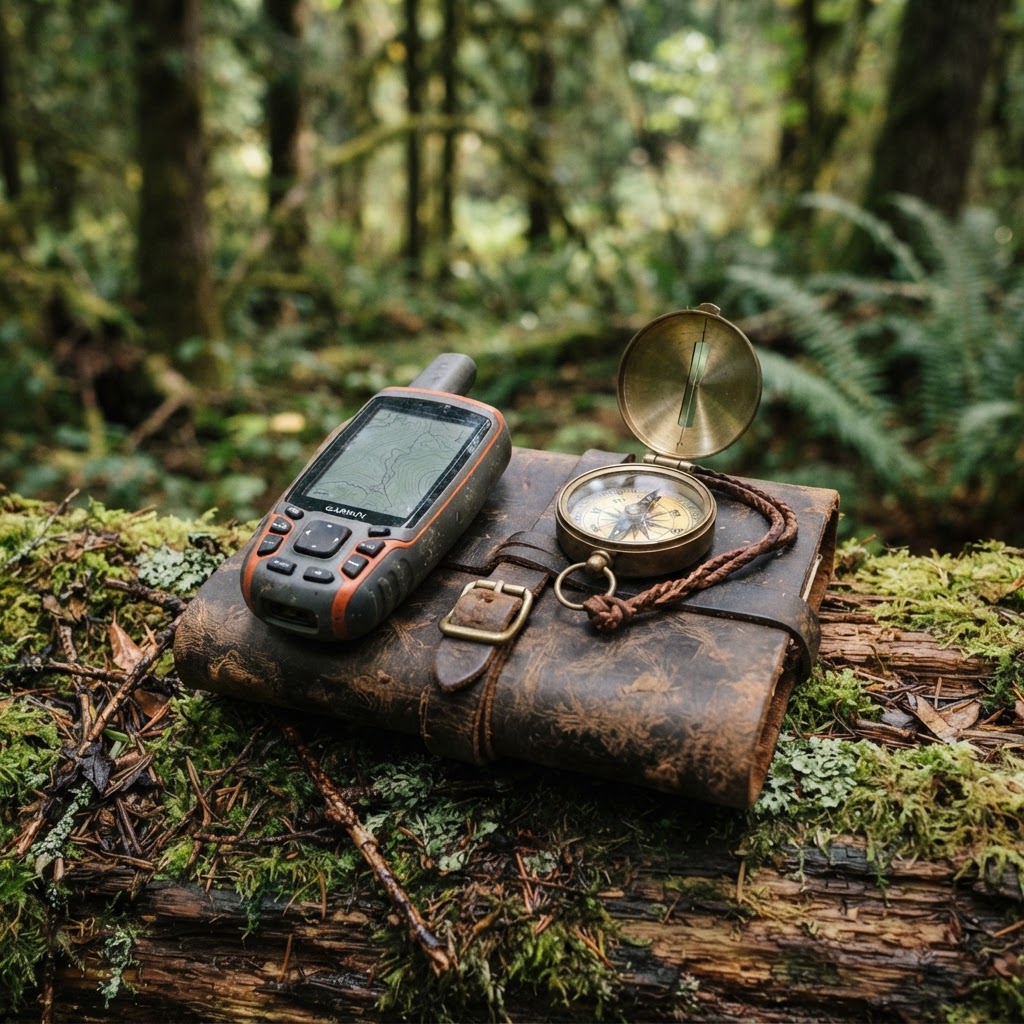
Precision Scouting: Mapping Your Setup for a More Efficient Season
Stop wandering the woods aimlessly and start hunting with purpose by mastering waypoint management for your gear and observations.