
Mapping the Morning: A Practical Guide to Interpreting Whitetail Sign
Decoding the Language of the Whitetail
For the dedicated hunter, the woods are never truly silent. They are filled with a complex, evolving narrative written in broken twigs, disturbed earth, and flattened vegetation. To become a more effective hunter, you must learn to read this shorthand. Understanding the difference between a random mark and a vital piece of movement intelligence is what separates the casual woodsman from the hunter who consistently puts tags on trophy deer. At Buckeye Hunter Hub, we believe that success starts long before you climb into your stand.
Get the deer movement forecast for your spot, free
See the best days and hours to sit this week, built from your spot's weather, moon, and wind.
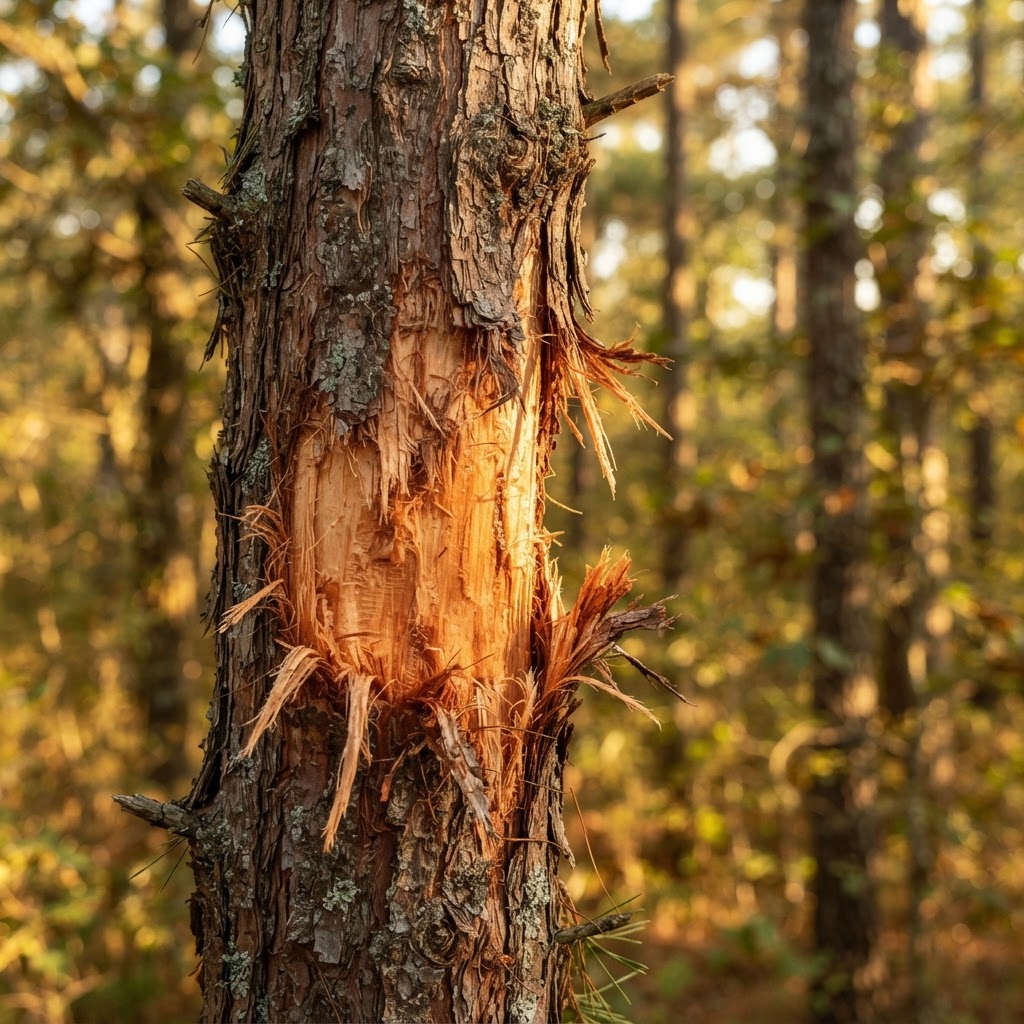
The Anatomy of the Rub
Many hunters view a rub as simply a sign that a buck is in the area. While technically true, a rub is a map if you know how to read it. A rub is a physical indicator of a buck’s confidence and his travel corridor. When you encounter a line of rubs—what we call a 'rub line'—you are looking at a specific travel route the deer uses during the transition between feeding and bedding areas.
Look for the height and the degree of damage. A rub located at chest height, combined with significant scarring on the tree, indicates a mature animal. If the rub is on the side of the tree facing your approach, it is often a sign of travel. If it is on the back side of the tree, it may indicate a buck that is scent-checking the wind as he moves. If you are struggling to identify trends in your own woods, you might consider utilizing to confirm which bucks are creating these marks, allowing you to focus your efforts on the right time of day.

Solving the Mystery of the Scrape
Scrapes are perhaps the most misunderstood sign in the whitetail woods. A scrape is essentially a social billboard. By pawing the ground and marking an overhanging branch with pre-orbital scent, a buck is communicating his presence to other deer in the area. Early in the season, these are often communal, 'mock' scrapes that see infrequent visitation. As the rut approaches, however, these become focal points for breeding activity.
To hunt a scrape effectively, you must understand that mature bucks are nocturnal visitors to these areas during high-pressure times. Don't hunt the scrape itself; hunt the downwind side, typically 20 to 30 yards away, where the buck will pause to check the wind before stepping into the open. Cross-referencing your sightings with our can provide that extra layer of insight into whether your target buck is likely to visit during shooting hours.

Identifying Bedding Sanctuaries
Bedding areas are the true 'home base' of the whitetail. Finding a bed is easy—it’s a depression in the leaves or grass—but interpreting them is an art. If you find deep, oval-shaped indentations in heavy cover or thickets, you have found a core sanctuary. Whitetails, particularly mature bucks, value security above all else. They choose beds that allow them to smell approaching predators while keeping their backs to a solid feature like a ridge or a thick briar patch.
If you find these areas, tread carefully. Pushing a buck out of his core bedding area often causes him to abandon that home range for weeks. Instead of invading the space, scout the edges. Look for the 'staging areas' where deer pause before moving out into fields for the evening feed. These transition zones are often the highest-probability ambush points.
E-Tag States

Harvest Tags
E-check means you supply the tag. Printed with the exact fields your state requires.
3-pack $22.95

Youth Hunter Academy
Raise a safe, confident young hunter.
Safety missions for ages 5–17. Free parent account.
Putting It All Together
Reading sign is about building a mosaic of behavior. One scrape doesn't make a season, but a series of scrapes leading toward a bedding ridge, coupled with a well-defined rub line, provides a clear tactical picture. When you combine these physical clues with the latest data, your scouting becomes much more surgical. Whether you are hunting public land or managing your own lease, the goal is to predict movement rather than reacting to it.
Always ensure your local scouting efforts align with the latest and regulations. Remember that the woods are constantly changing. A trail that was active in October may be completely abandoned by November as the rut shifts the herd's focus. By staying observant and patient, you can decode the subtle hints of the forest to bring a new level of precision to your hunting season. If you find yourself needing to share your findings or learn from others, joining can often provide regional wisdom that is hard to find elsewhere.
Join 1,052 hunters and anglers on Buckeye Hunter Hub — free.
Latest from the Community


Preorder · 5 days left
Buckeye Hunter Hub Camo Trucker Hat — Treeline Logo
Includes 50% off Lifetime Pro
Everything you need to hunt smarter — free
Buckeye Hunter Hub is a free, nationwide platform. Create an account and unlock the full toolkit:
Free Interactive Hunting Map
Mark stands, cameras, and sign. Draw hunting zones with public land & county overlays across all 50 states.
Zones with Group Sharing
Share zones with your hunting group, split property into sections, assign stands, and check in — all in one place.
50 States of Hunting Resources
Season dates, license links, and DNR regulations for every state, kept current so you never miss an opener.
Deer Movement Forecast
Data-driven daily movement predictions using wind, moon, and pressure — know when to sit before you go.
Waterfowl Movement & Tools
Flight-potential forecasts, migration numbers, decoy spread planner, and a full species field guide.
From the Maker Bench

SE Ohio Outdoors
Euro Mount Hook
Hand-built in the USA · $8.00
Shop the MakerBHH Partner
Thinking about selling a rifle or an old family shotgun? Check up-to-date market pricing by make and model before you sell.
webuyguns.comE-Tag States
Harvest Tags
E-check means you supply the tag. Printed with the exact fields your state requires.
3-pack $22.95
More Articles
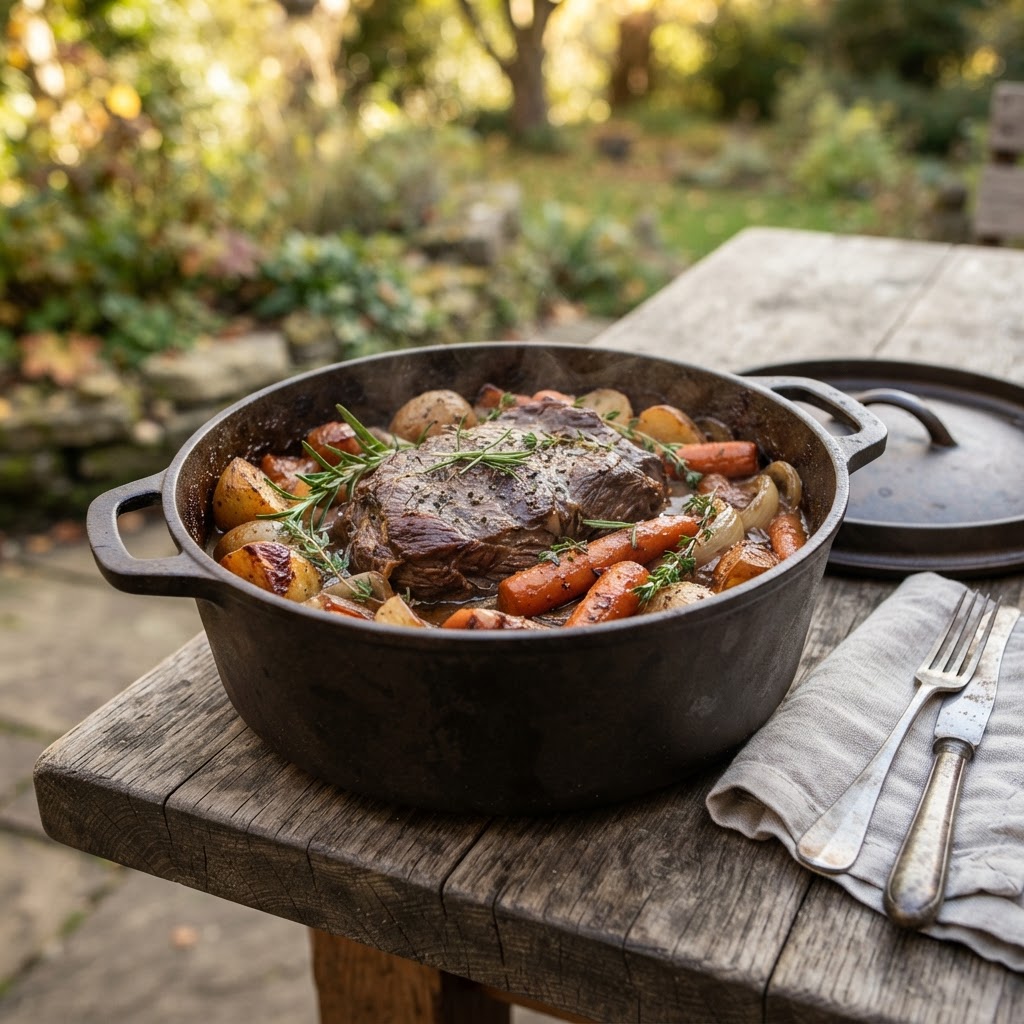
Field to Table: Mastering the Slow-Roasted Black Bear
Transforming a black bear roast into a tender, succulent masterpiece is all about temperature control and patience. Learn the secrets to preparing this rich, flavorful harvest.
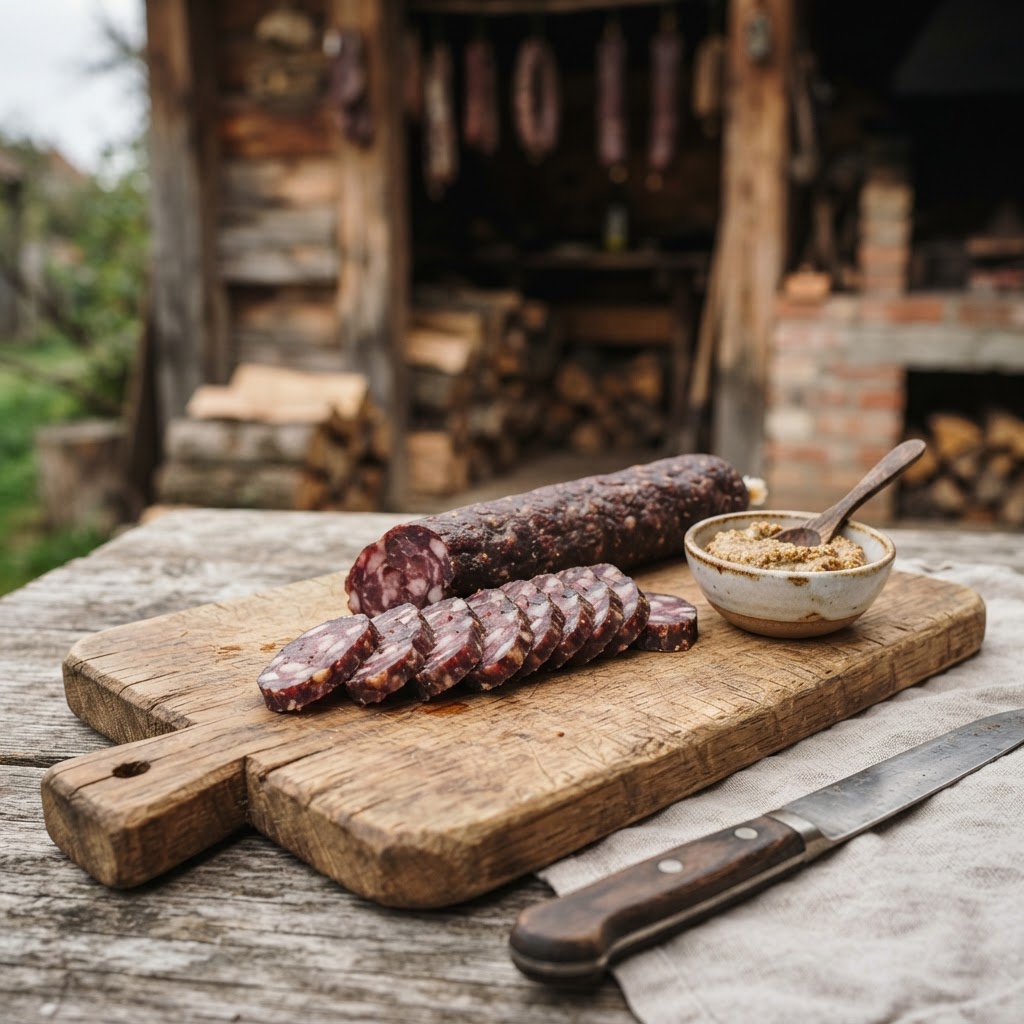
The Charcuterie Craft: Making Venison Summer Sausage at Home
Turn your hard-earned harvest into a shelf-stable snack by mastering the art of homemade venison summer sausage with these foolproof techniques.
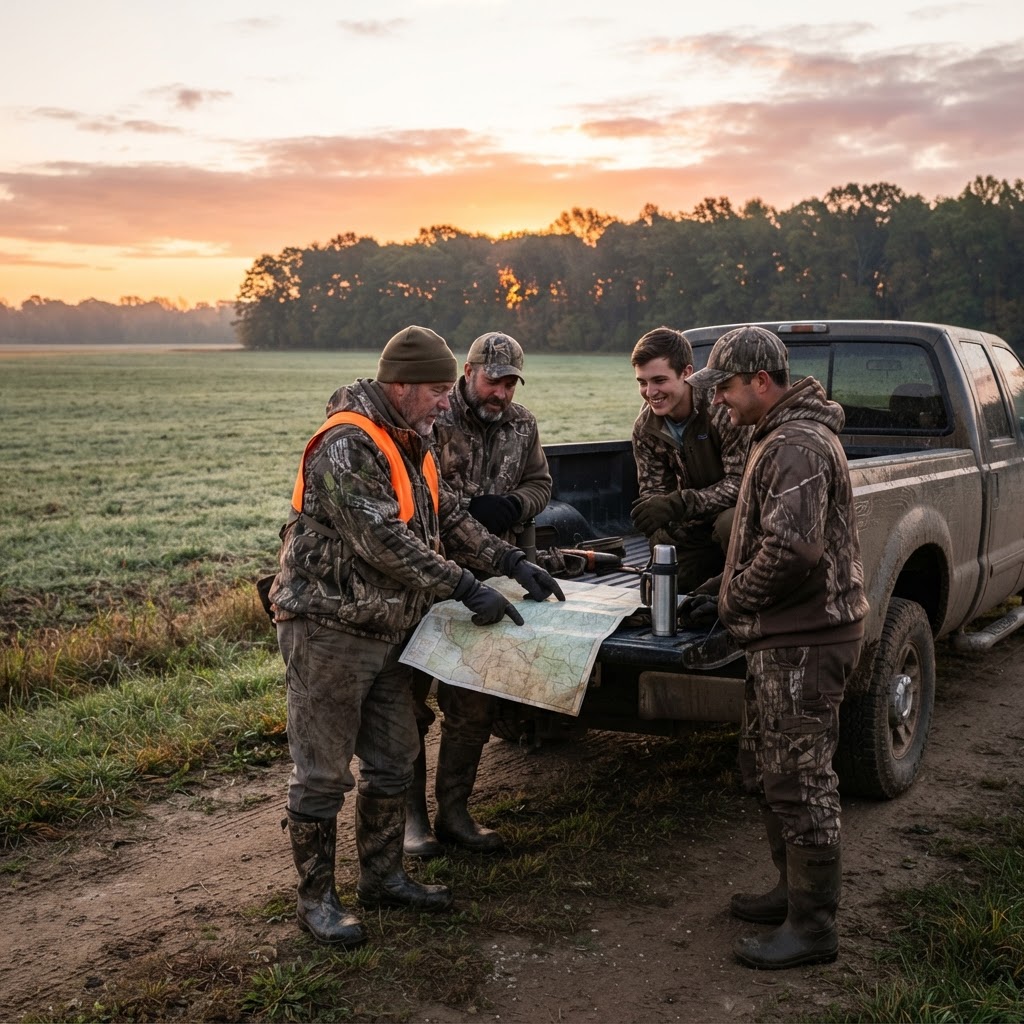
Community Advantage: Elevating Your Pursuit Through Buckeye Hunter Hub Groups
The modern hunter isn't a lone wolf; they are part of a massive, interconnected network. Discover how joining the right Buckeye Hunter Hub groups can transform your field success and broaden your outdoor horizons.
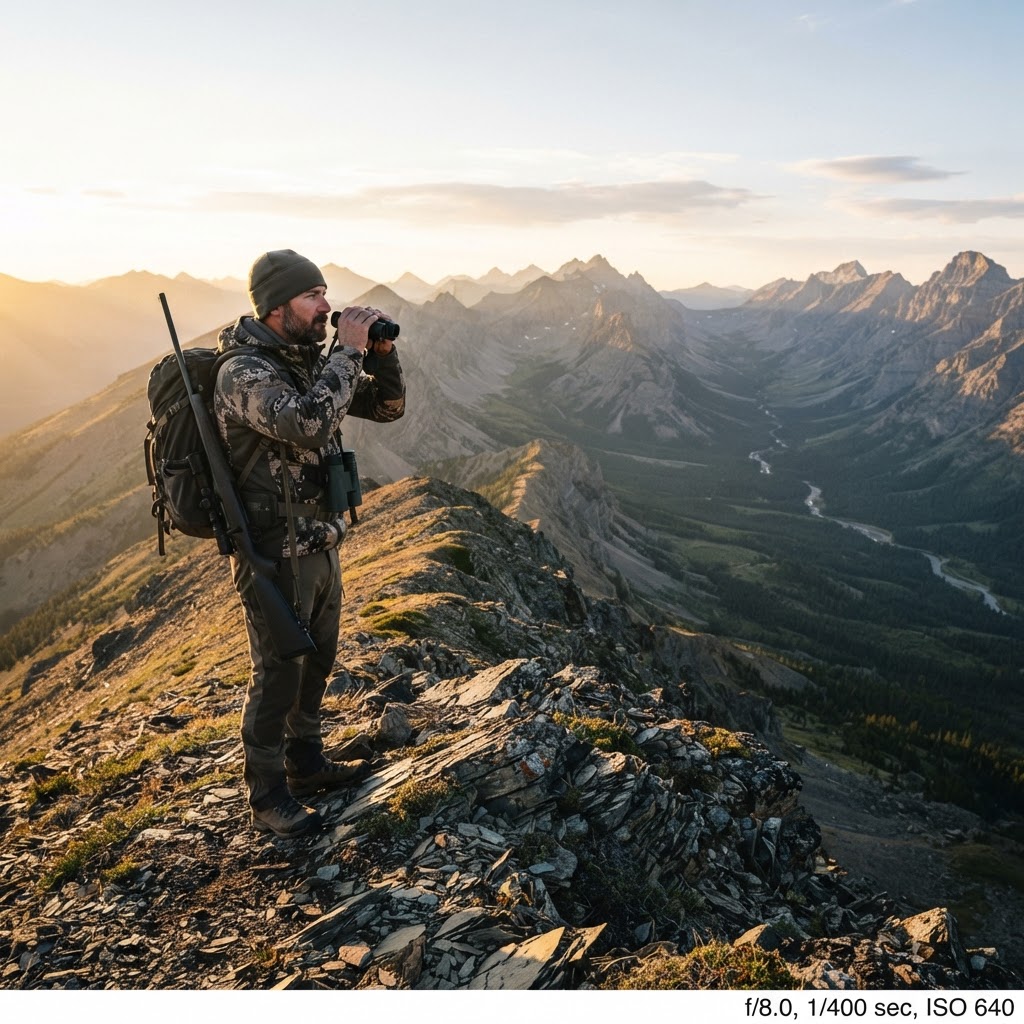
Crossing State Lines: Your Strategic Roadmap for a DIY Out-of-State Hunt
Ready to trade local woods for new horizons? Follow this comprehensive, step-by-step framework to plan your first successful DIY out-of-state hunting expedition.