
How Wind Direction Dicticates Your Waterfowl Blind Placement
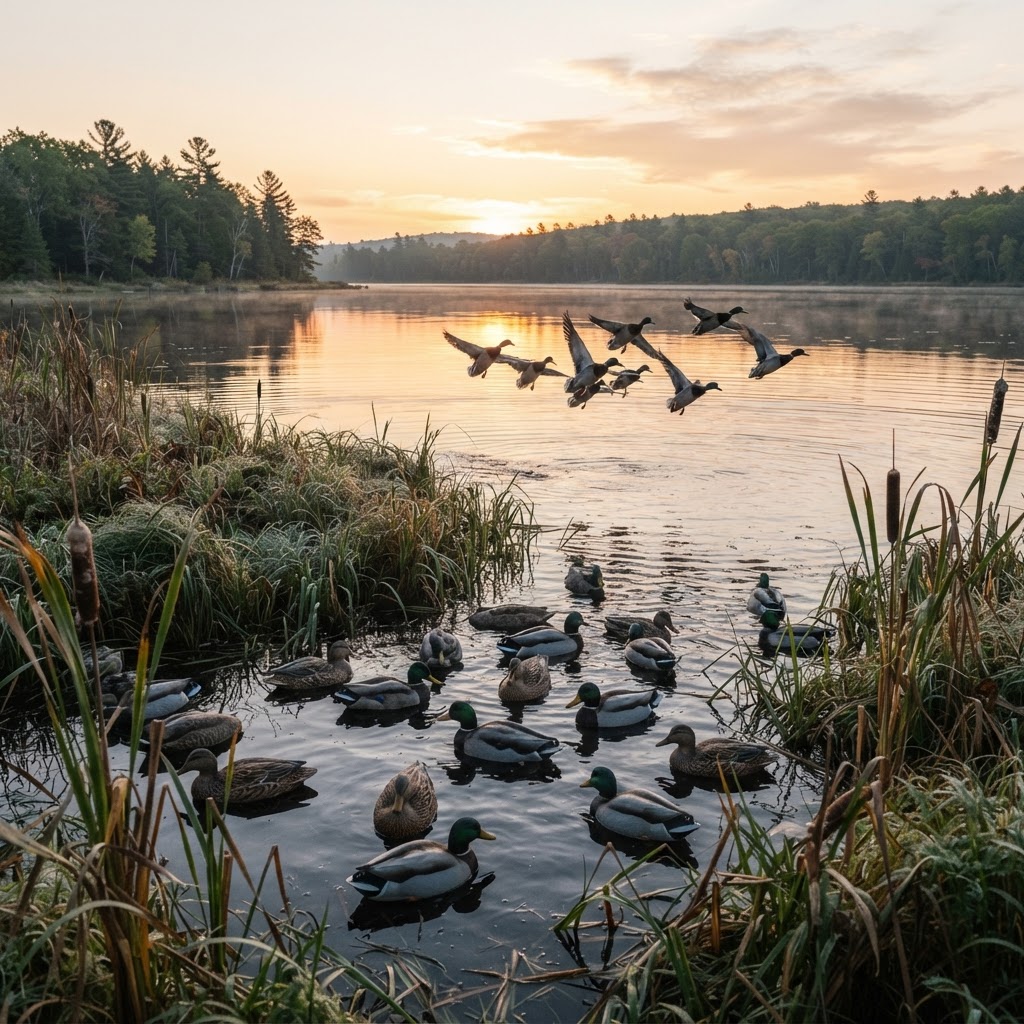
How Wind Direction Dictates Your Waterfowl Blind Placement
When it comes to waterfowl hunting, understanding the intricacies of bird behavior and environmental conditions can make all the difference in your success. Among these factors, wind direction plays a pivotal role that often goes underestimated. As a seasoned hunter, knowing how to position your blind not only enhances your stealth but also aligns with the natural movements of ducks and geese. In this article, we’ll explore the critical relationship between wind direction, waterfowl behavior, and effective hunting tactics.
Free hunting map, zones & 50-state resources
Save your spots, share zones with your group, and get deer & waterfowl movement forecasts — free.
Understanding Waterfowl Behavior
Waterfowl are incredibly attuned to their environment. Key factors such as cold fronts, falling barometric pressure, and the presence of favorable winds significantly influence their movements. Generally, when the wind hits speeds of 10 to 20 mph, it creates ideal flying conditions for ducks and geese. Moreover, a sudden change in weather, such as the passage of a cold front or a drop in temperature that triggers migration, often sends birds on the move, making it essential for hunters to be prepared.
When hunting, observe how cold fronts push birds south, leading them to new feeding grounds. The increased activity during these times often results in more successful hunting days. Combine this knowledge with tools like the to time your outings perfectly.
Wind Direction: The Key to Blind Placement
Perfect Placement
Positioning your blind should take into account wind direction, as waterfowl will seek to land into the wind. If you're hunting on a lake, for instance, observe the natural flight paths of ducks and adjust your blind placement so that birds will approach from downwind. This not only gives you better shots but also enhances your chances of a successful hunt by keeping you concealed.
When setting your blind:
- Ideal Position: Always place your blind downwind of the decoys. Ducks will often fly into the wind, providing a natural landing zone in front of your blind.
- Visibility and Concealment: Place your blind behind natural cover, such as reeds or brush, and use natural materials to strengthen blending — this strategy can be particularly useful when hunting in harriers, marshes, or along rivers.
Practical Decoy Spreads
Your decoy spread should mimic natural waterflow, ensuring that ducks feel comfortable in landing. Here’s a concise breakdown of effective spreads based on wind conditions:
- Light Winds (0 to 5 mph): Create a scattered spread that allows for wandering behavior of birds.
- Moderate Winds (10 to 15 mph): A more compact spread will hold their interest better.
- Strong Winds (15+ mph): Use a tight cluster closer together, mimicking a safe haven for landing.
E-Tag States

Harvest Tags
E-check means you supply the tag. Printed with the exact fields your state requires.
3-pack $22.95
For more on strategizing your decoy setups, check out our .
The Role of Calling
Proper calling complements good blind placement and decoy usage. Wind can carry sounds differently; ensure you are aware of how the wind direction may amplify or distort your calls. When wind tunnels through trees, the echoes can bounce unpredictably, creating confusion. Therefore, it's essential to:
- Match Volume to Conditions: Use soft calls when birds are close and ramp up as they recede or if conditions mute your sounds.
- Vocal Patterns: Use your call to mimic real duck behavior, which may vary depending on the winds and associated pressure changes.
Raise a safe, confident young hunter.
Guide your kids ages 5–17 through interactive hunting safety missions, real decision drills, and earned trophies — all from one free parent account.
Bonus: every $10 you spend in the BHH shop earns a free seat (up to 5). Use them or share them.




Scouting: The Backbone of Success
Effective scouting can’t be overstated. Before heading out, utilize available tools such as interactive hunting maps and data on waterfowl migration patterns and DNR numbers to identify potential hot spots. Keeping an eye on the weather forecast as well enables you to track wind patterns. Consider joining local hunting community groups to exchange insights and gather information about active areas.
While scouting, take the following steps:
- Arrive Early: This allows you to make observations of bird movements before setting up.
- Track Movements: Monitor changes in weather and be adaptable; bird behavior changes with conditions.
Additional Resources and Tools
Advanced technology can complement your scouting and planning efforts by providing real-time weather updates and movement patterns. Leveraging technology in your hunting preparation can significantly impact your success.
Conclusion
Wind direction is a critical factor that every waterfowl hunter must consider when setting their blinds and implementing their calling strategies. By aligning your approach with wind behavior, you’ll not only increase your chances of success but also enjoy the refreshing challenge of understanding the natural dynamics of hunting. Remember to scout your locations diligently, deploy effective decoy spreads, and use the available resources that may lead you to further insights on wildlife activity patterns.
With each hunt, you refine your strategy and grow as a hunter. Make wind direction your ally, and you’ll find yourself more successful than ever in your waterfowl endeavors!
Explore More on Buckeye Hunter Hub
<!-- links-cleaned -->Join 587 hunters and anglers on Buckeye Hunter Hub — free.
Latest from the Community


New drop
Fresh Buckeye Hunter Hub tees & hoodies


Everything you need to hunt smarter — free
Buckeye Hunter Hub is a free, nationwide platform. Create an account and unlock the full toolkit:
Free Interactive Hunting Map
Mark stands, cameras, and sign. Draw hunting zones with public land & county overlays across all 50 states.
Zones with Group Sharing
Share zones with your hunting group, split property into sections, assign stands, and check in — all in one place.
50 States of Hunting Resources
Season dates, license links, and DNR regulations for every state, kept current so you never miss an opener.
Deer Movement Forecast
Data-driven daily movement predictions using wind, moon, and pressure — know when to sit before you go.
Waterfowl Movement & Tools
Flight-potential forecasts, migration numbers, decoy spread planner, and a full species field guide.
From the Maker Bench

SE Ohio Outdoors
Euro Mount Hook
Hand-built in the USA · $8.00
Shop the MakerNew drop
Fresh Buckeye Hunter Hub tees & hoodies
Shop This

StopBox Pro Ward | Wall-Mounted
$179.00$199.99

StopBox Pro Compact
$159.00$179.99

Buckeye Hunter Hub Tee — Walleye After Dark
$20.55

BHH Pintail Pin-Up Tee
$20.55
E-Tag States
Harvest Tags
E-check means you supply the tag. Printed with the exact fields your state requires.
3-pack $22.95
More Articles
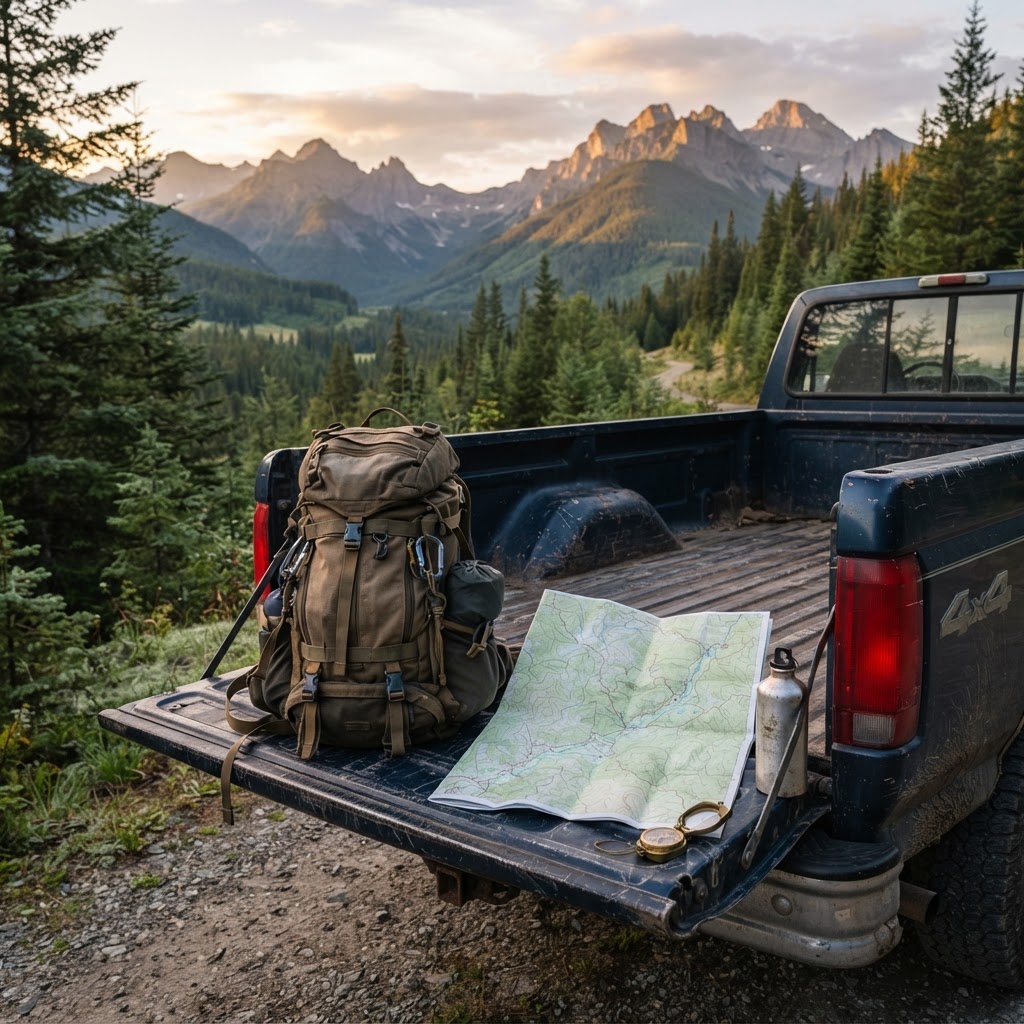
The Nomad’s Ledger: A Financial Blueprint for Out-of-State Hunting
Planning an interstate hunting adventure doesn't have to break the bank. Follow this structured framework to master your budget while maximizing your time in the field.
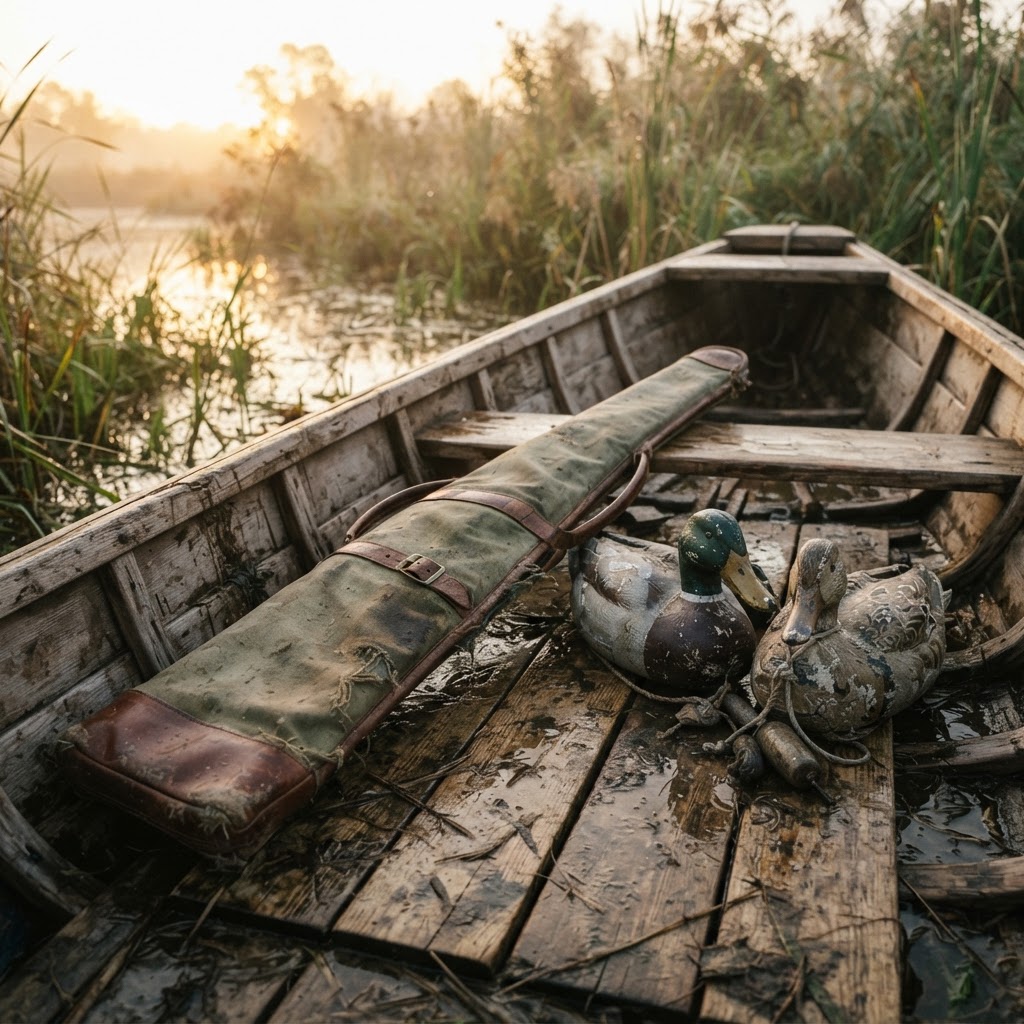
A Tribute to the Skies: Nostalgic Waterfowl Art for Your Digital Devices
Bring the heritage of the wetlands to your phone and desktop with Buckeye Hunter Hub’s retro-inspired digital waterfowl collection.
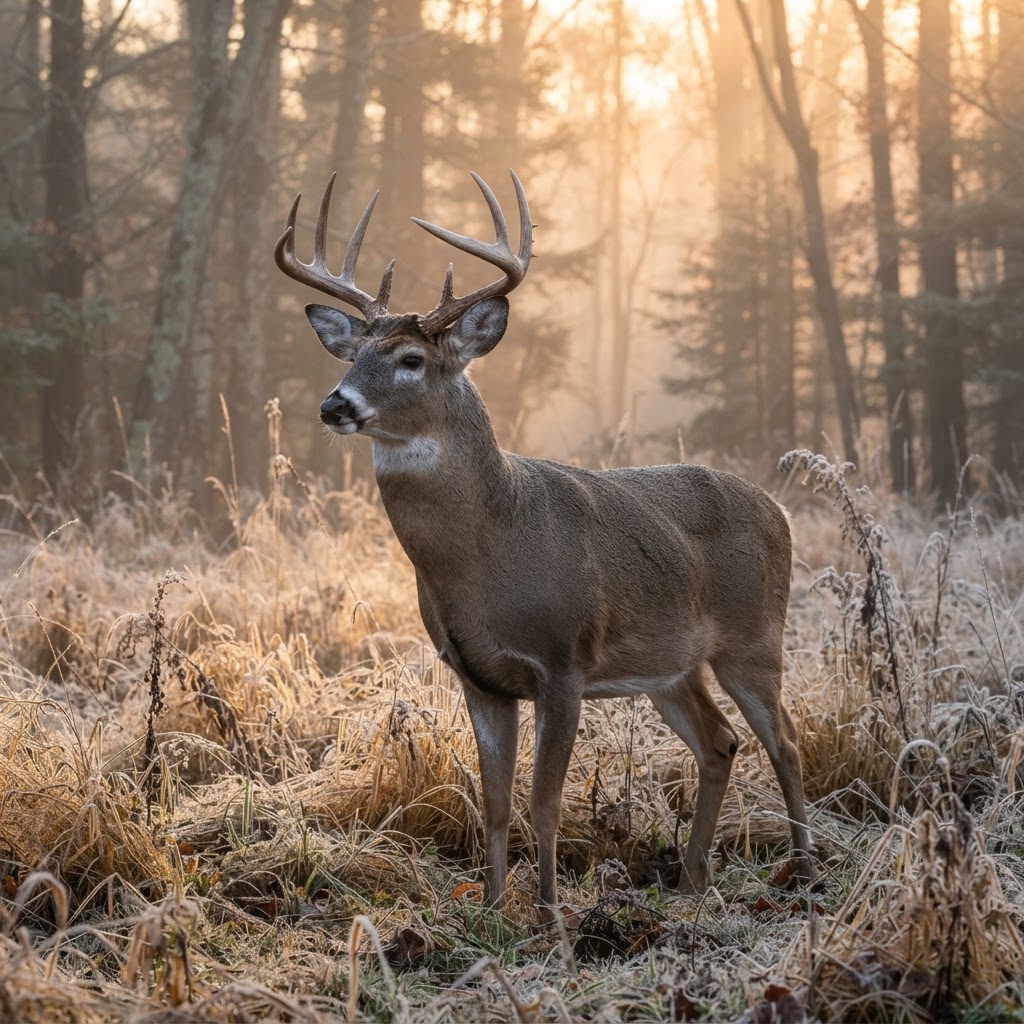
Atmospheric Influence: Data-Driven Insights into Whitetail Activity
Forget the myths of lunar phase and focus on the math. We analyze telemetry data to reveal how barometric shifts truly dictate whitetail movement.

Decoding the Woods: A Tactical Guide to Interpreting Whitetail Sign
Move beyond basic scouting by learning to read the subtle story written on the forest floor. Mastering the interpretation of rubs, scrapes, and bedding areas is the key to closing the gap on a mature buck.