
How to Use a Public Hunting Land Map to Find the Best Spots
How to Use a Public Hunting Land Map to Find the Best Spots
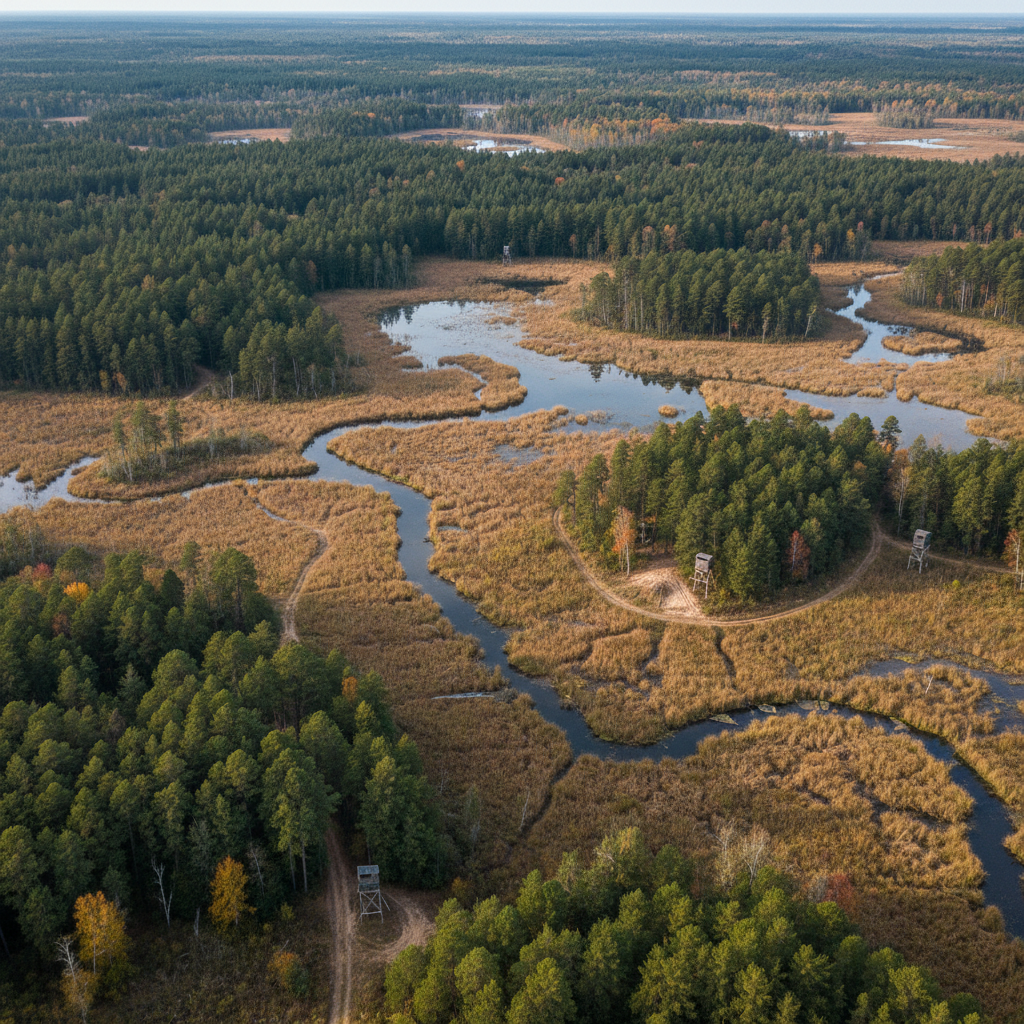
When it comes to hunting, the right location can make all the difference between a successful trip and an empty-handed return. For hunters across the United States, public hunting land maps are invaluable tools that can lead you to the best spots. In this guide, we’ll explore how to effectively utilize these maps to enhance your hunting expeditions while integrating essential resources available through Buckeye Hunter Hub.
Free hunting map, zones & 50-state resources
Save your spots, share zones with your group, and get deer & waterfowl movement forecasts, free.
Understanding Public Hunting Lands
Public hunting lands include a variety of areas, such as state parks, wildlife refuges, and national forests. These lands are open to hunters, but navigating them effectively requires understanding the layout and regulations associated with each area.
Research Local Regulations
Before venturing out to hunt, it's crucial to familiarize yourself with local hunting regulations. Each state has its own laws regarding hunting seasons, licensed areas, and specific game regulations. Check out our for comprehensive information specific to your region.
Utilizing Hunting Land Maps
1. Accessing the Maps
Public land maps can typically be found online through state wildlife agency websites or through platforms like Buckeye Hunter Hub. These maps often provide necessary information, including boundaries, designated hunting areas, and access points. Be sure to download or print a copy of the map before heading out.
2. Identifying Key Features
Pay close attention to the features marked on the map, such as:
- Water Sources: Animals often congregate around lakes, rivers, and ponds.
- Terrain Variations: Valleys, ridges, and dense woods are prime locations for spotting game.
- Access Points: Look for trails, roads, or other access routes to make your trek easier.
3. Marking Potential Spots
As you analyze the map, take the time to mark potential hunting spots. Use symbols or color codes to denote areas where you've had past success or places that seem promising based on the map's key features. If you want to enhance your gear for the hunt, check out our for essential tools and gear.
The Art of Scouting
Once you’ve identified prime hunting locations, it’s beneficial to scout these areas ahead of time. Scouting allows you to assess animal activity, identify trails, and get familiar with the terrain. Here’s how to effectively scout public hunting lands:
1. Timing is Everything
Pick a time to scout that aligns with when you'll be hunting. If you're after deer, for instance, late afternoon is ideal, as this is when they are most active. Check our to stay informed about the best times to hunt specific game species.
2. Use Technology
Leverage technology to enhance your scouting efforts. Utilize mapping apps or GPS devices to keep track of areas that you have scouted. Some apps even allow you to share locations among hunting community groups, which can be a great way to gain insights and tips from fellow hunters. Join our for a more interactive experience with seasoned hunters who can provide advice on the best spots.
E-Tag States

Harvest Tags
E-check means you supply the tag. Printed with the exact fields your state requires.
3-pack $22.95

Youth Hunter Academy
Raise a safe, confident young hunter.
Safety missions for ages 5–17. Free parent account.
Engage with the Hunting Community
Joining a local or national hunting community can be beneficial in many ways. Not only can you share your experiences, but you can also learn from fellow hunters who have extensive knowledge about specific public lands. Engage in discussion boards, attend local events, or participate in social media groups to connect with other hunters.
Always Stay Respectful and Safe
When hunting on public lands, respect the environment and fellow hunters. Follow Leave No Trace principles to preserve the natural beauty of these lands for future generations. And of course, always prioritize safety. Equip yourself with the necessary gear, including proper clothing, a first aid kit, and a map of the area.
Conclusion
Using a public hunting land map effectively can significantly boost your chances of a successful hunt. By understanding local regulations, identifying key features, and engaging with your hunting community, you’ll enhance your outdoor experience. Don’t forget to check out our wide selection of gear at to make sure you’re fully equipped for your next adventure. Happy hunting!
For more tips, tricks, and hunting experiences, explore our for continuous updates and stories from hunters like you.
Free every morning
Your Daily Briefing
One morning forecast for the spots you actually hunt and fish: deer movement, waterfowl flights, bite times, wind and shooting light.
See what's in itSet up your briefing
Join free, save a spot on the map, then pick what you hunt and fish and when you want your email.
Join 1,637 hunters and anglers on Buckeye Hunter Hub — free.
Latest from the Community


Everything you need to hunt smarter — free
Buckeye Hunter Hub is a free, nationwide platform. Create an account and unlock the full toolkit:
Free Interactive Hunting Map
Mark stands, cameras, and sign. Draw hunting zones with public land & county overlays across all 50 states.
Zones with Group Sharing
Share zones with your hunting group, split property into sections, assign stands, and check in — all in one place.
50 States of Hunting Resources
Season dates, license links, and DNR regulations for every state, kept current so you never miss an opener.
Deer Movement Forecast
Data-driven daily movement predictions using wind, moon, and pressure — know when to sit before you go.
Waterfowl Movement & Tools
Flight-potential forecasts, migration numbers, decoy spread planner, and a full species field guide.
From the Maker Bench

Taggart Outdoors
Custom Western Belt
Hand-built in the USA · $127.99
Shop the Maker
BHH Partner
Firearms, ammo and gear from a local Ohio shop in Grafton.
dnaarmory.comE-Tag States
Harvest Tags
E-check means you supply the tag. Printed with the exact fields your state requires.
3-pack $22.95
More Articles
Never Miss a Tag: Accessing Official State Hunting Regulations in One Place
Navigating the maze of state-specific hunting regulations can be a headache, but it doesn't have to be. Discover how Buckeye Hunter Hub centralizes official DNR data to keep you legal and ready for the field.
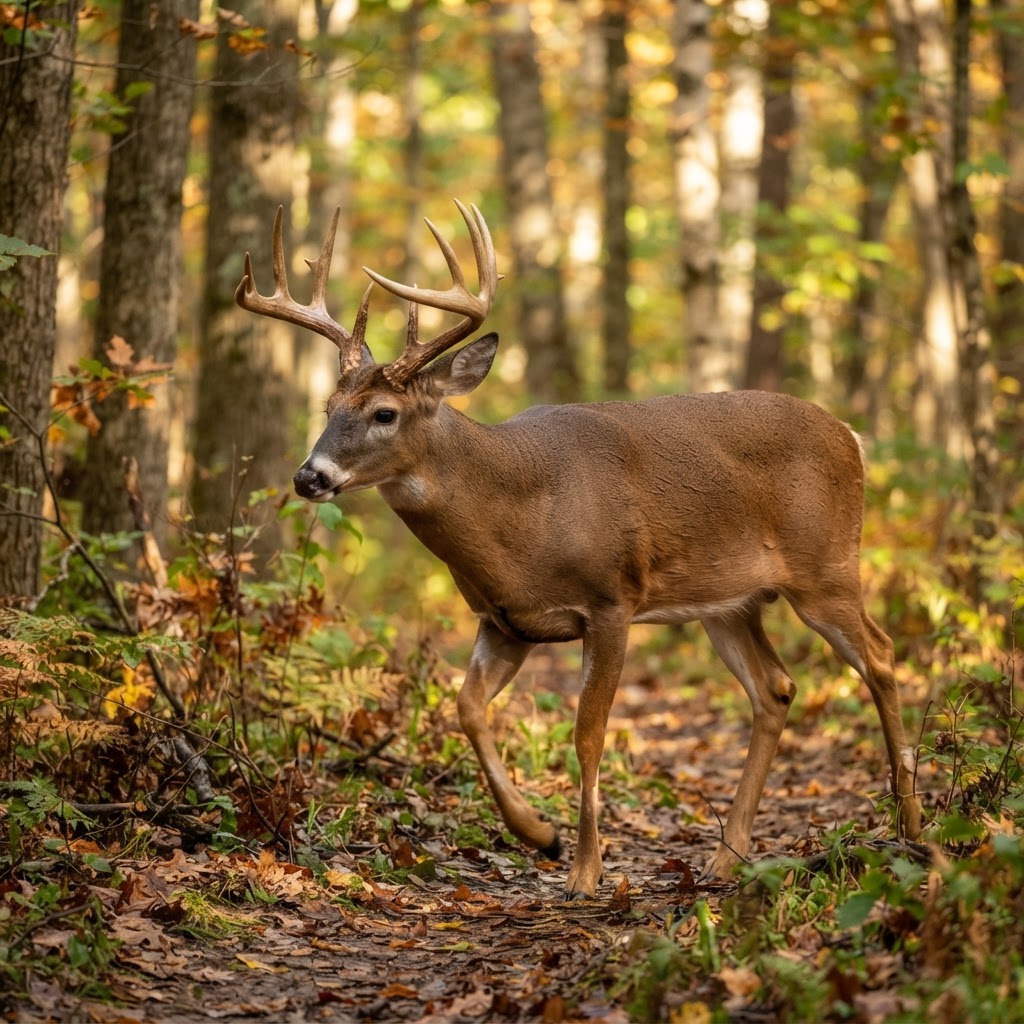
Optimizing Your Scouting: A Practical Approach to AI Trail Camera Photo Analysis
Drowning in thousands of trail camera photos every week? Learn how to stop sorting and start hunting by using AI to categorize bucks, does, and movement trends.
A Free Linktree Alternative Built for Hunters and Anglers
Every Buckeye Hunter Hub member gets a free link in bio page: one address for your socials, videos, photos, trophies and catches, with a QR code to print.

One Link for Makers, Guides and Callers: Put Your Work in Your Bio
Makers, guides, outfitters and callers can put their work, their shop and their channels on one free page, then share it with one link or a printed QR code.