Honker Tactics: Engineering the Perfect Dry Field Setup
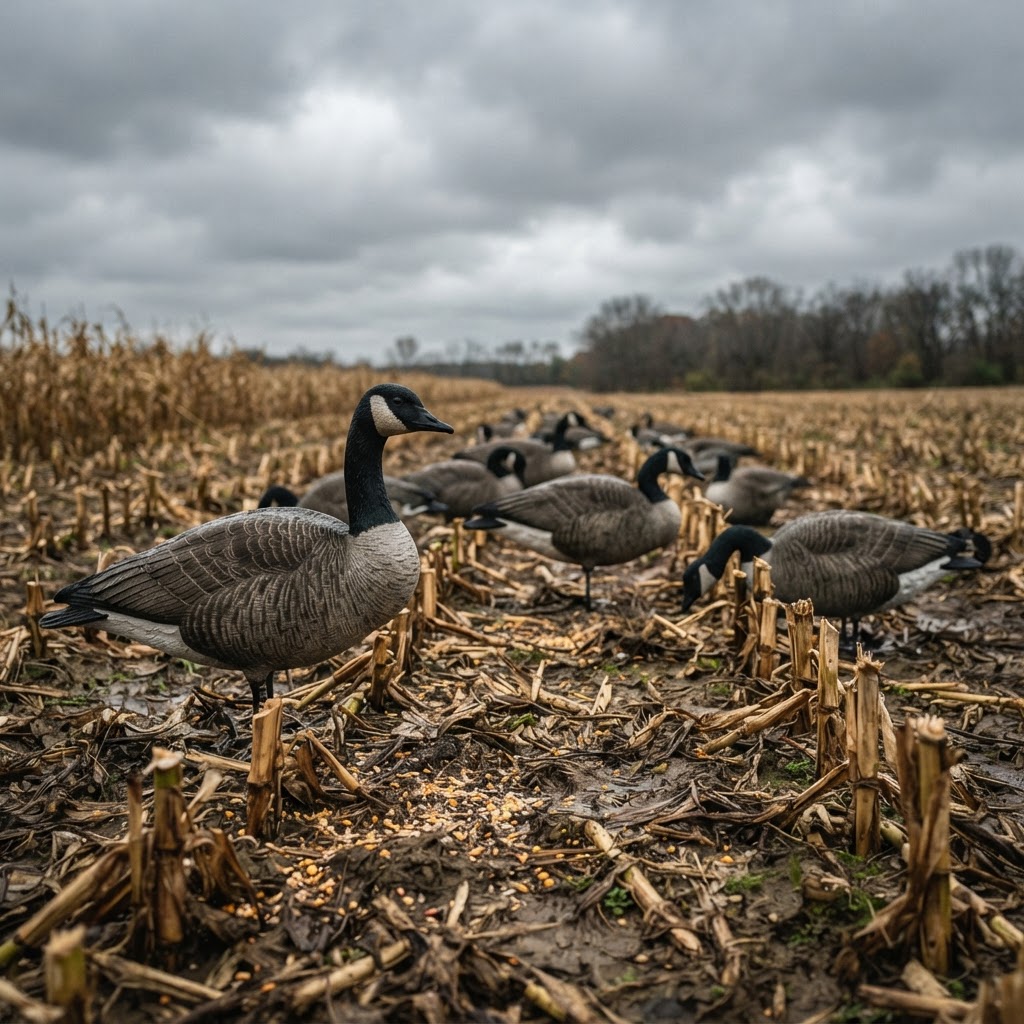
Decoding the Goose Movement Pattern
Success in the dry field begins long before you set your first decoy. Canada geese are creatures of habit, governed by high-calorie requirements and the relentless push of weather systems. As cold fronts descend from the north, barometric pressure drops, signaling a shift in the birds' biological clock. When you see pressure plummeting and the wind howling between 10 and 20 mph, you are looking at prime migration and feeding energy. These gusts provide the lift necessary for geese to travel long distances, and they dictate exactly how a flock will approach your spread.
Free hunting map, zones & 50-state resources
Save your spots, share zones with your group, and get deer & waterfowl movement forecasts — free.
To truly understand why birds are choosing specific fields, you should regularly consult data. By cross-referencing this with local observation, you can predict when a push of new birds is likely to arrive, allowing you to stay two steps ahead of the flock.
The Anatomy of an Effective Spread
Many hunters fall into the trap of over-complicating their rig. While massive spreads look great in photos, the "kill zone" is where the real work happens. Focus on the landing hole. A 'J' or 'U' shape remains the most effective configuration because it naturally funnels birds toward your concealment. Always leave a significant pocket of open space at the downwind edge of your spread. Geese want to land into the wind, and they will consistently target the void you create.
Integration of movement is the bridge between a static display and a lethal setup. Even on windy days, a few motion-based decoys—like flags or wind-activated wing spinners—mimic the social cues of birds feeding on the ground. For those planning their next outing, using a can help you visualize how these patterns interact with prevailing winds before you ever leave the truck.
Concealment: The Invisible Hunter
Concealment is the single most common failure point for goose hunters. If your blind profile stands out against the stubble, the birds will flare at 50 yards every single time. The goal is to break up the hard lines of your layout blind. Do not rely solely on the blind's factory camo; you must use the local vegetation of the specific field you are hunting. If you are in corn, use corn stalks. If you are in winter wheat, gather the surrounding stubble.
E-Tag States

Harvest Tags
E-check means you supply the tag. Printed with the exact fields your state requires.
3-pack $22.95
Before you head out, check the to ensure you are targeting the right zones, as concealment needs will shift from the early season to the late-season freeze-ups. A hunter hidden in a dry, crusty field needs a drastically different concealment approach than someone hunting a green-up field in late summer.
Strategic Calling and Scouting
Calling should be used as a tool to gain the birds' attention, not to force them into a trajectory they don't want to take. Less is often more. Start with a greeting call to snap them to attention, then switch to subtle clucks and moans to keep them locked on. If they are already committed and coming in steady, put the call down.
Raise a safe, confident young hunter.
Guide your kids ages 5–17 through interactive hunting safety missions, real decision drills, and earned trophies — all from one free parent account.



Scouting is the lifeblood of the sport. The most successful hunters I know spend 80% of their time scouting and only 20% hunting. They aren't just looking for birds; they are looking for the 'X'—the precise spot where the geese fed the evening before. If you find yourself struggling to locate productive areas, connecting with others through can offer insights into regional bird patterns that you might have missed.
Adapting to the Freeze
As temperatures drop and water sources begin to harden into ice, the birds' reliance on dry fields increases exponentially. This is when patience is tested. When everything else is frozen, geese will travel miles to find a grain field that is slightly exposed or partially thawed. During these late-season missions, your success will depend entirely on your ability to remain comfortable and focused. It is in these harsh conditions that reliable gear and precise setup execution become the difference between a successful hunt and a long, cold day of watching empty skies.
By layering your approach—scouting the migration, perfecting the spread geometry, and committing to natural concealment—you transform goose hunting from a game of chance into a calculated pursuit. Remember to always check with your to stay updated on current regulations, and focus on the details that others overlook. When you align your tactics with the realities of the migration, the results will follow.
Join 341 hunters and anglers on Buckeye Hunter Hub — free.
Latest from the Community


New drop
Fresh Buckeye Hunter Hub tees & hoodies


Everything you need to hunt smarter — free
Buckeye Hunter Hub is a free, nationwide platform. Create an account and unlock the full toolkit:
Free Interactive Hunting Map
Mark stands, cameras, and sign. Draw hunting zones with public land & county overlays across all 50 states.
Zones with Group Sharing
Share zones with your hunting group, split property into sections, assign stands, and check in — all in one place.
50 States of Hunting Resources
Season dates, license links, and DNR regulations for every state, kept current so you never miss an opener.
Deer Movement Forecast
Data-driven daily movement predictions using wind, moon, and pressure — know when to sit before you go.
Waterfowl Movement & Tools
Flight-potential forecasts, migration numbers, decoy spread planner, and a full species field guide.
From the Maker Bench

Taggart Outdoors
Padded Rifle Sling
Hand-built in the USA · $134.99
Shop the MakerNew drop
Fresh Buckeye Hunter Hub tees & hoodies
Shop This

StopBox Pro Ward | Wall-Mounted
$179.00$199.99

StopBox Pro Compact
$159.00$179.99

Buckeye Hunter Hub Tee — Riding Shotgun
$20.55

Buckeye Hunter Hub Hoodie — Riding Shotgun
$32.87
E-Tag States
Harvest Tags
E-check means you supply the tag. Printed with the exact fields your state requires.
3-pack $22.95
More Articles
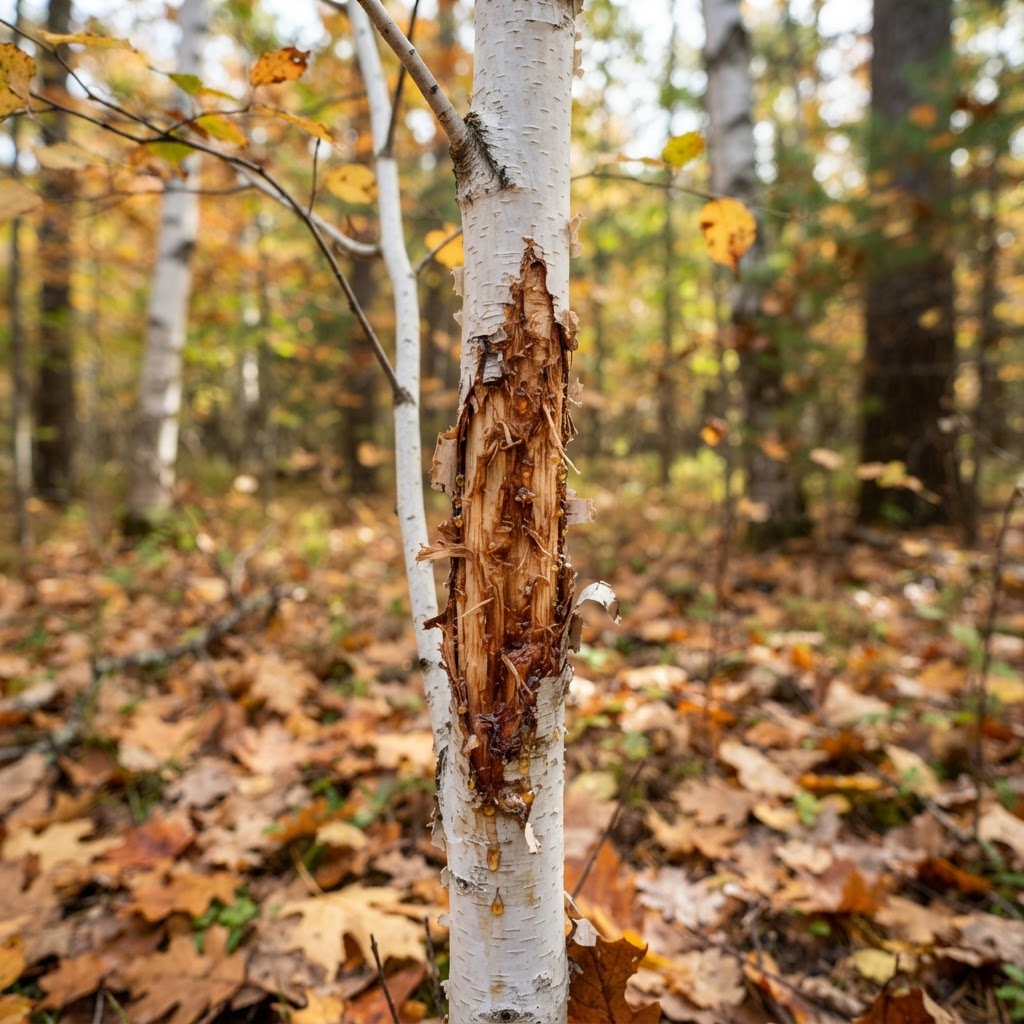
Deciphering the Daily Life of Whitetails: A Practical Guide to Reading Deer Sign
Success in the deer woods isn't just about showing up; it’s about reading the history left behind in the dirt and timber. Learn how to interpret rubs, scrapes, and bedding areas to turn your scouting into a filled tag.
Digital Heritage: Bringing the Marsh and Field to Your Screen with Hunter-Centric Art
Upgrade your digital workspace with our new retro-style wildlife wallpapers, featuring the iconic species that define our time spent in the blind and the timber.
Best Barometric Pressure for Deer Hunting: What the Data Really Says
Move beyond the myths and understand how atmospheric pressure actually influences whitetail movement based on modern telemetry data.
Crafting Perfection: A Guide to Homemade Venison Summer Sausage
Turn your hard-earned harvest into a kitchen staple with this step-by-step guide to making professional-grade venison summer sausage at home.