
Getting the Most Out of Online Hunting Communities: A Guide to Buckeye Hunter Hub Groups
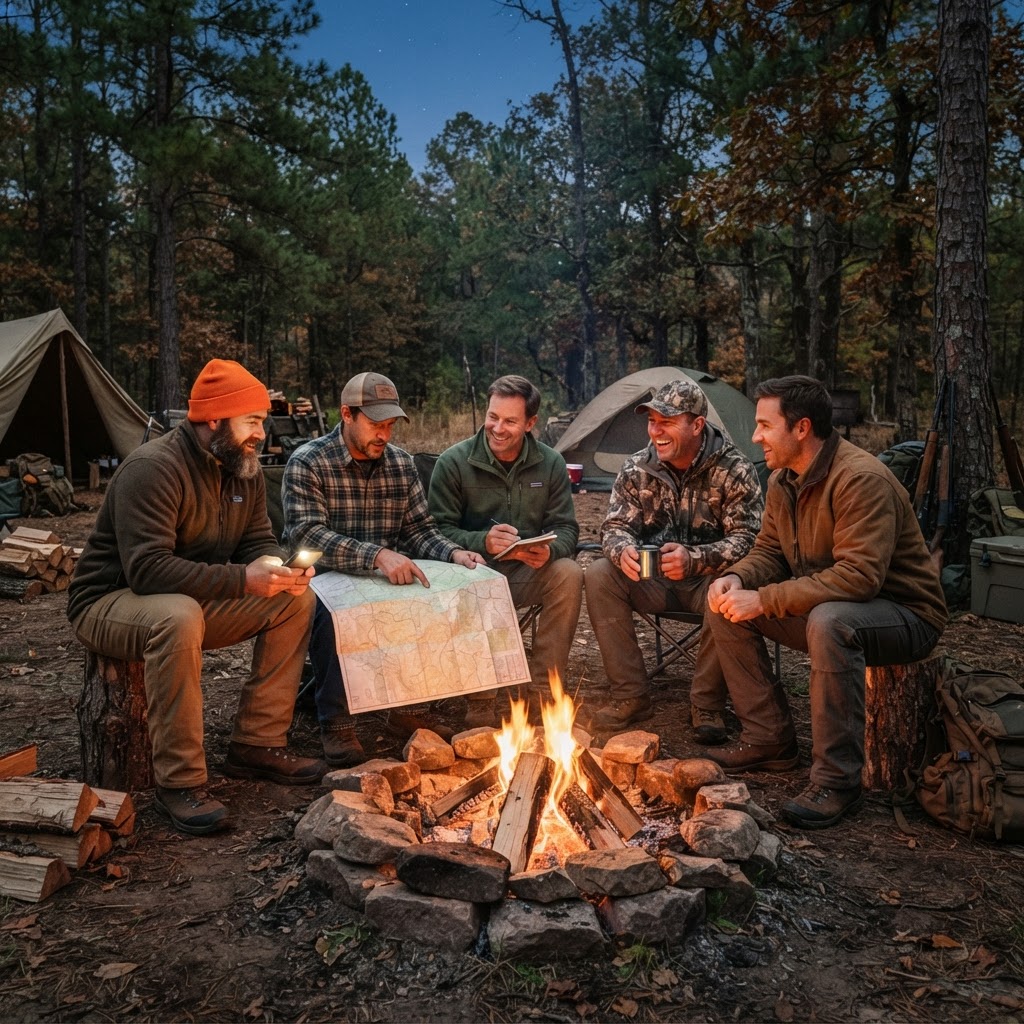
Hunting has always been a community pursuit. Even the most dedicated solo still-hunter learned from a mentor, swapped stories at a campfire, or picked up a tip from an old-timer at the local diner. Today, those campfires have gone digital — and the right online hunting community can sharpen your skills, shorten your learning curve on new ground, and keep you fired up long after the season closes.
At Buckeye Hunter Hub, our are built to do exactly that. Whether you chase whitetails in the Midwest, elk in the Rockies, ducks on the coastal flyways, or hogs in the South, there's a circle of hunters ready to share what they know. Here's how to get the most out of them.
Free hunting map, zones & 50-state resources
Save your spots, share zones with your group, and get deer & waterfowl movement forecasts — free.
Why Online Hunting Communities Matter
Public land is more crowded than ever, seasons are shifting, and information moves fast. A good hunting community lets you tap into collective experience that would take a lifetime to gather on your own. Instead of guessing when the rut kicks off in a new county or wondering how a recent cold front affected bird movement, you can ask people who are in the woods right now.
The key is finding a community that's active, respectful, and grounded in real hunting — not just gear debates and keyboard scouting. That's the standard we aim for across Buckeye Hunter Hub, and it's why our groups continue to grow with hunters from coast to coast.
Finding the Right Group for Your Style
Not every hunting group is a fit for every hunter. Some are heavily regional — think Ohio whitetail crews, Gulf Coast waterfowlers, or Pacific Northwest elk chasers. Others are built around tactics: saddle hunters, public-land bowhunters, predator callers, or first-time hunters looking to learn the ropes.
When you browse the on Buckeye Hunter Hub, take a few minutes to read recent posts before joining. Is the conversation practical? Are members sharing boots-on-the-ground observations, or is it mostly memes and complaints? A group that's posting trail cam updates, discussing access changes, and comparing notes on is a group worth your time.
If you're targeting a specific state or species, also check our page — it pairs well with local group intel and helps you cross-reference season dates, license requirements, and regulations.
Sharing Tips and Trophies
One of the best parts of any hunting community is celebrating success and passing along hard-earned lessons. When you post a trophy photo, include the story — not just the rack measurements. What was the weather doing? Were you hunting a funnel you found on our interactive hunting maps? Did a cold snap line up with the free Deer Movement Forecast you checked the night before? Context turns a photo into a teaching moment.
The same goes for tips. If you figured out a setup that killed it on a public-land food source, share the why, not just the what. Did a specific wind direction matter? Were you running a solo sit or a two-person drive? Did you pack in using gear from our shop selection that made the haul easier? Details help newer hunters connect the dots — and they often come back months later to thank you.
For waterfowlers, group boards are gold for staying on the birds. Members often post real-time reports and link to so you can plan trips around actual flights, not wishful thinking. Pair that intel with our waterfowl resources, dial in your rig with the waterfowl decoy spread planner, and confirm your target species using the waterfowl species field guide — community knowledge plus the right tools is a tough combo to beat.
Learning Local Intel Without Burning Spots
E-Tag States

Harvest Tags
E-check means you supply the tag. Printed with the exact fields your state requires.
3-pack $22.95
The most common tension in any hunting group is how to share intel without giving away a honey hole. The answer: share patterns, not pin drops. Talk about terrain features, wind preferences, seasonal shifts, and access strategies instead of GPS coordinates. A good post might read, "The north-facing draws on that WMA are holding birds once the shallow marshes freeze" — enough to point someone in a productive direction without handing them your tree.
Local groups are also where you learn the unwritten rules of a region: which public areas get hammered on opening weekend, which walk-in areas are underused, how parking works at a popular trailhead, and when the DNR tends to do controlled burns or habitat work. Cross-reference what you hear with official sources like your state wildlife agency — for example, the Ohio Division of Wildlife posts harvest summaries, regulation updates, and habitat news that complements what members share. Nationwide, the U.S. Fish & Wildlife Service is another solid reference for migratory bird frameworks and federal land access.
And if you're planning the year around group conversations, don't forget to sync up with so you never miss an opening day or a deadline.
Raise a safe, confident young hunter.
Guide your kids ages 5–17 through interactive hunting safety missions, real decision drills, and earned trophies — all from one free parent account.
Bonus: every $10 you spend in the BHH shop earns a free seat (up to 5). Use them or share them.




Group Etiquette: Keep the Campfire Warm
Every community has a culture, and the best ones are self-policing. A few unwritten rules go a long way:
- Respect the locals. If you're asking about a new area, lead with what you're willing to contribute — a gear review, a scouting report from your home turf, a helping hand — not just a demand for spots.
- Keep it legal. Never post anything that even hints at trespassing, baiting where prohibited, or unethical shots. It reflects on all of us.
- Be humble. The internet is full of 140-class "experts." The hunters worth listening to are usually the ones asking questions, not just answering them.
- Don't blow up spots. If someone trusts you with a general area, keep it to yourself. Loose lips sink camps.
- Welcome newcomers. We all started somewhere. A little patience with a first-time hunter pays dividends for the whole tradition.
How Community Makes Hunters Better
Hunting is a lifelong learning curve, and community compresses it. A tip from a group member might save you three seasons of trial and error on a new property. A shared observation about acorn crop timing might push you into the timber a week earlier than you'd planned. A gear recommendation might keep you warmer on a late-season sit and extend your effective hunting days.
There's also the accountability factor. When you're part of a group that posts scouting updates, reviews strategies, and sets goals, you tend to put in more reps — more cameras checked, more glassing sessions, more offseason practice. The community becomes a quiet coach.
And if you want to supercharge that coaching, consider pairing group wisdom with a digital scouting assistant. Combining AI-assisted planning with human experience is where modern hunting really levels up.
Start Contributing Today
The best hunting communities aren't built by the loudest voices — they're built by hunters who show up consistently, share what they learn, and lift up the next person. Jump into the on Buckeye Hunter Hub, read more field-tested insight on , and if you're hunting new ground this fall, browse our to find your next spot.
Good hunting is a team sport, even when you're sitting alone in a tree. Get plugged in, give more than you take, and watch how fast you grow.
Explore More on Buckeye Hunter Hub
<!-- links-cleaned -->Join 588 hunters and anglers on Buckeye Hunter Hub — free.
Latest from the Community

Posted
Boss lady blessings!!🥰
Keith Bennett · 2h ago

Trophy
Old 07 PSE Xforce HF can still put em down
Keith Bennett · 2h ago

Posted
Good hunting days In Oklahoma
Keith Bennett · 2h ago

Posted
Scouting The Map For New Spots!
Richard Taggart · 21h ago

Posted
Sent out more Harvest Tags this morning!
Joshua Shoffner · 1d ago
Posted
Splits!
Jeff Cote · 3d ago
New drop
Fresh Buckeye Hunter Hub tees & hoodies


Everything you need to hunt smarter — free
Buckeye Hunter Hub is a free, nationwide platform. Create an account and unlock the full toolkit:
Free Interactive Hunting Map
Mark stands, cameras, and sign. Draw hunting zones with public land & county overlays across all 50 states.
Zones with Group Sharing
Share zones with your hunting group, split property into sections, assign stands, and check in — all in one place.
50 States of Hunting Resources
Season dates, license links, and DNR regulations for every state, kept current so you never miss an opener.
Deer Movement Forecast
Data-driven daily movement predictions using wind, moon, and pressure — know when to sit before you go.
Waterfowl Movement & Tools
Flight-potential forecasts, migration numbers, decoy spread planner, and a full species field guide.
From the Maker Bench

SE Ohio Outdoors
Euro Mount Hook
Hand-built in the USA · $8.00
Shop the MakerNew drop
Fresh Buckeye Hunter Hub tees & hoodies
Shop This

StopBox Pro Ward | Wall-Mounted
$179.00$199.99

StopBox Pro Compact
$159.00$179.99

Buckeye Hunter Hub Tee — Walleye After Dark
$20.55

BHH Pintail Pin-Up Tee
$20.55
E-Tag States
Harvest Tags
E-check means you supply the tag. Printed with the exact fields your state requires.
3-pack $22.95
More Articles
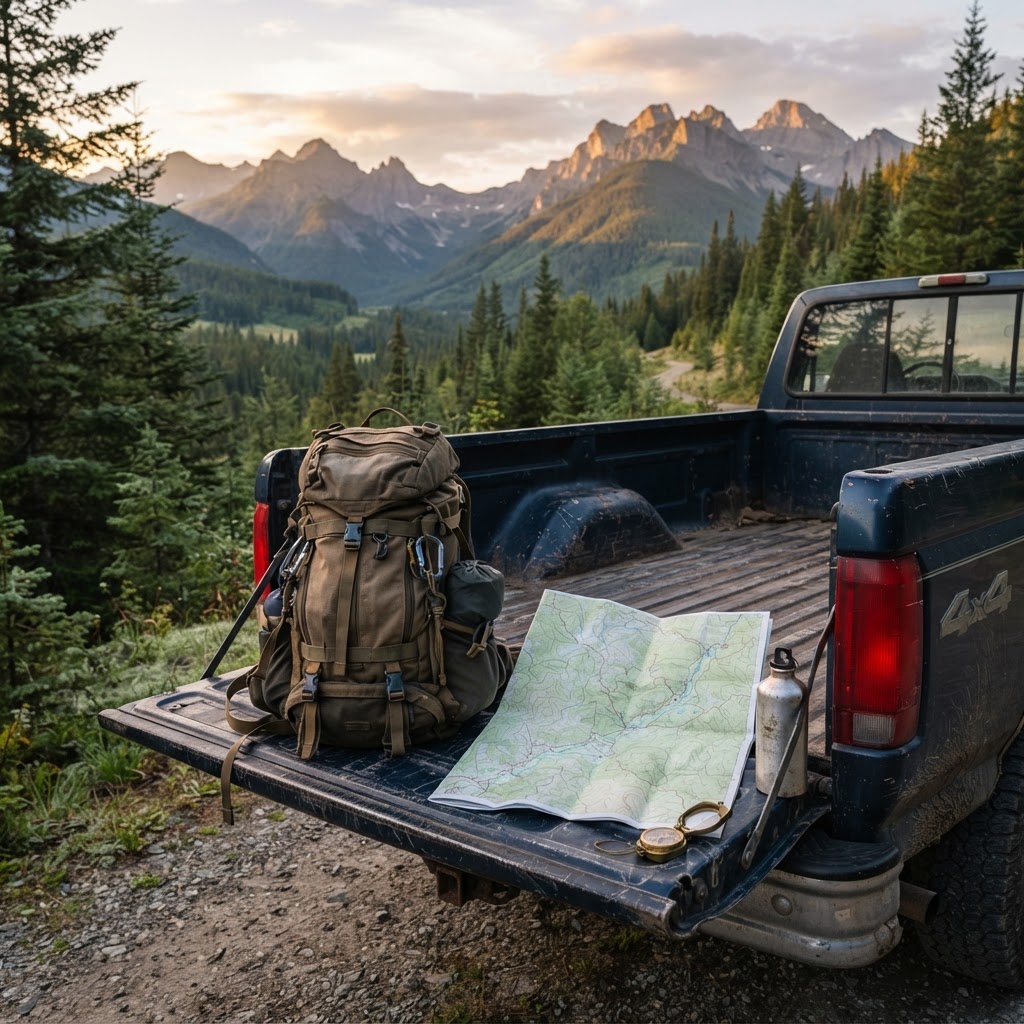
The Nomad’s Ledger: A Financial Blueprint for Out-of-State Hunting
Planning an interstate hunting adventure doesn't have to break the bank. Follow this structured framework to master your budget while maximizing your time in the field.
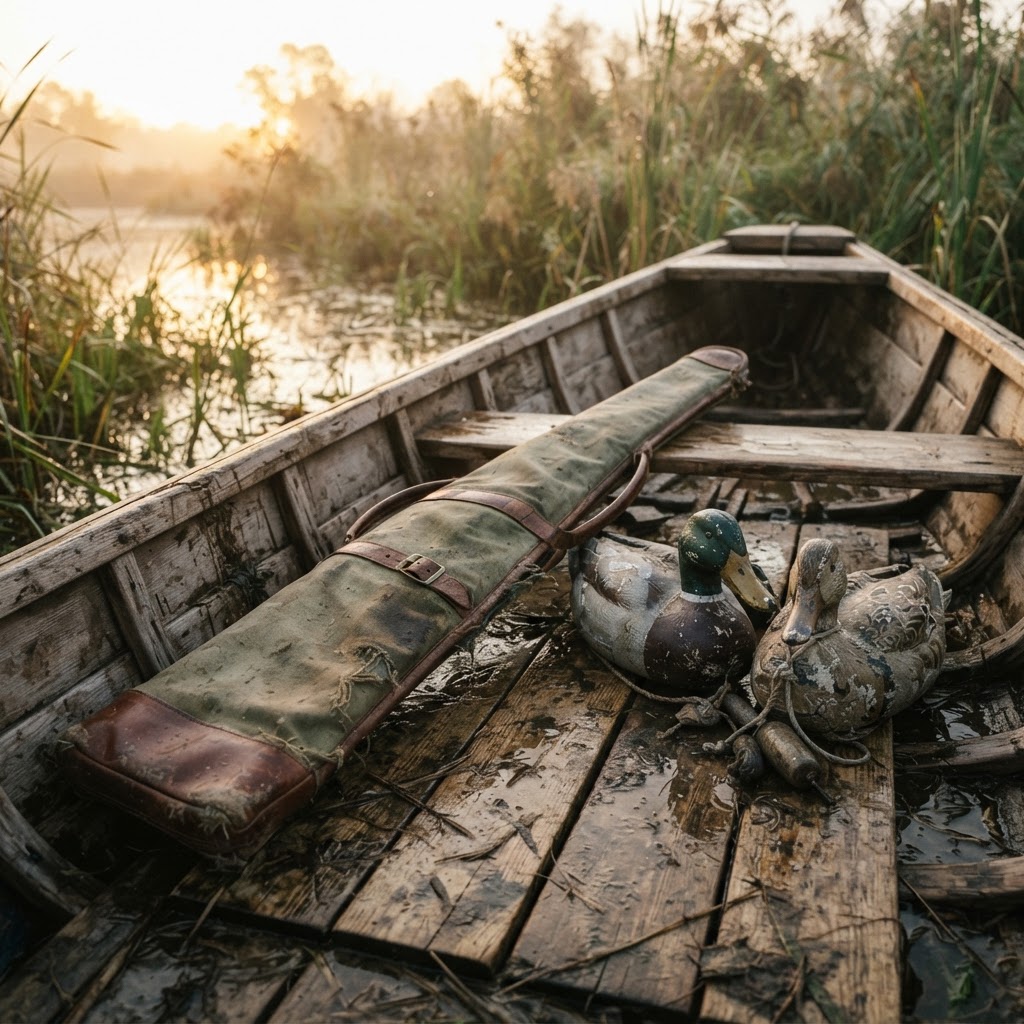
A Tribute to the Skies: Nostalgic Waterfowl Art for Your Digital Devices
Bring the heritage of the wetlands to your phone and desktop with Buckeye Hunter Hub’s retro-inspired digital waterfowl collection.
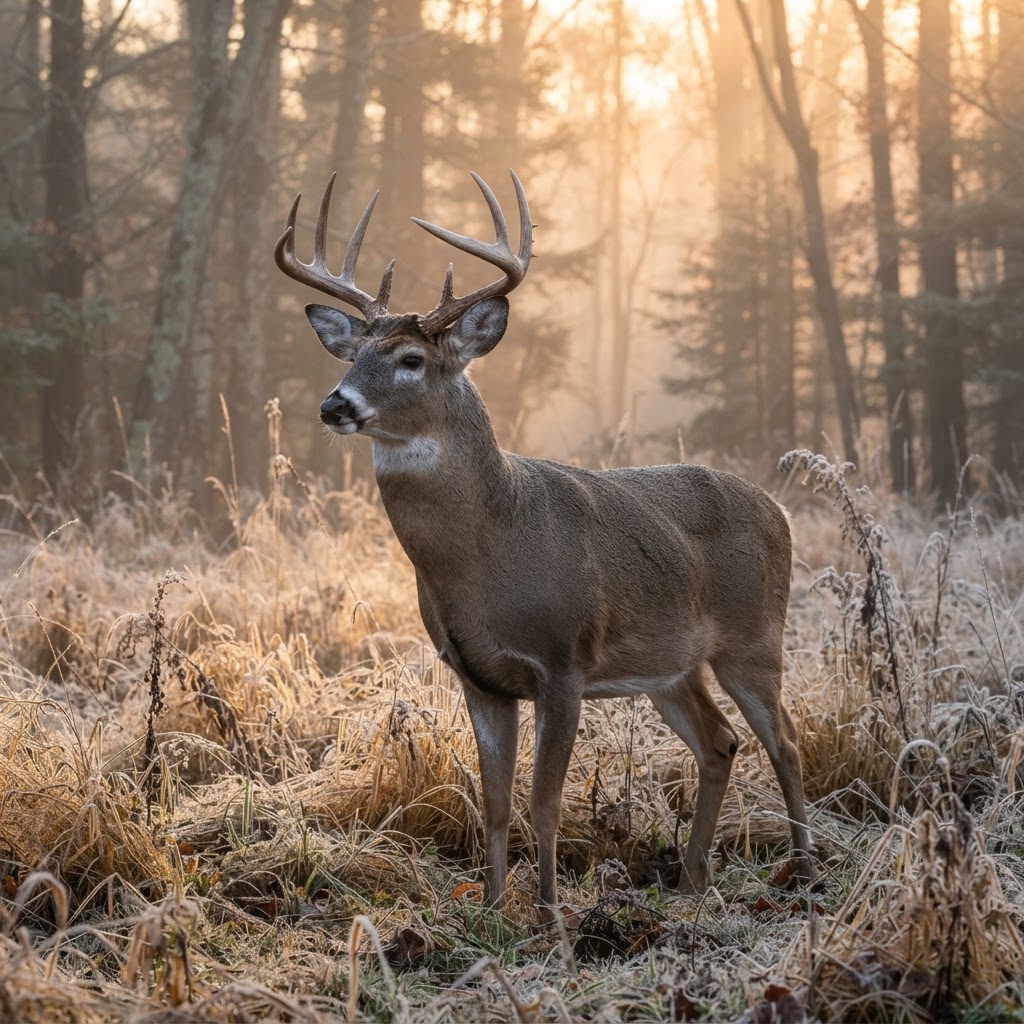
Atmospheric Influence: Data-Driven Insights into Whitetail Activity
Forget the myths of lunar phase and focus on the math. We analyze telemetry data to reveal how barometric shifts truly dictate whitetail movement.
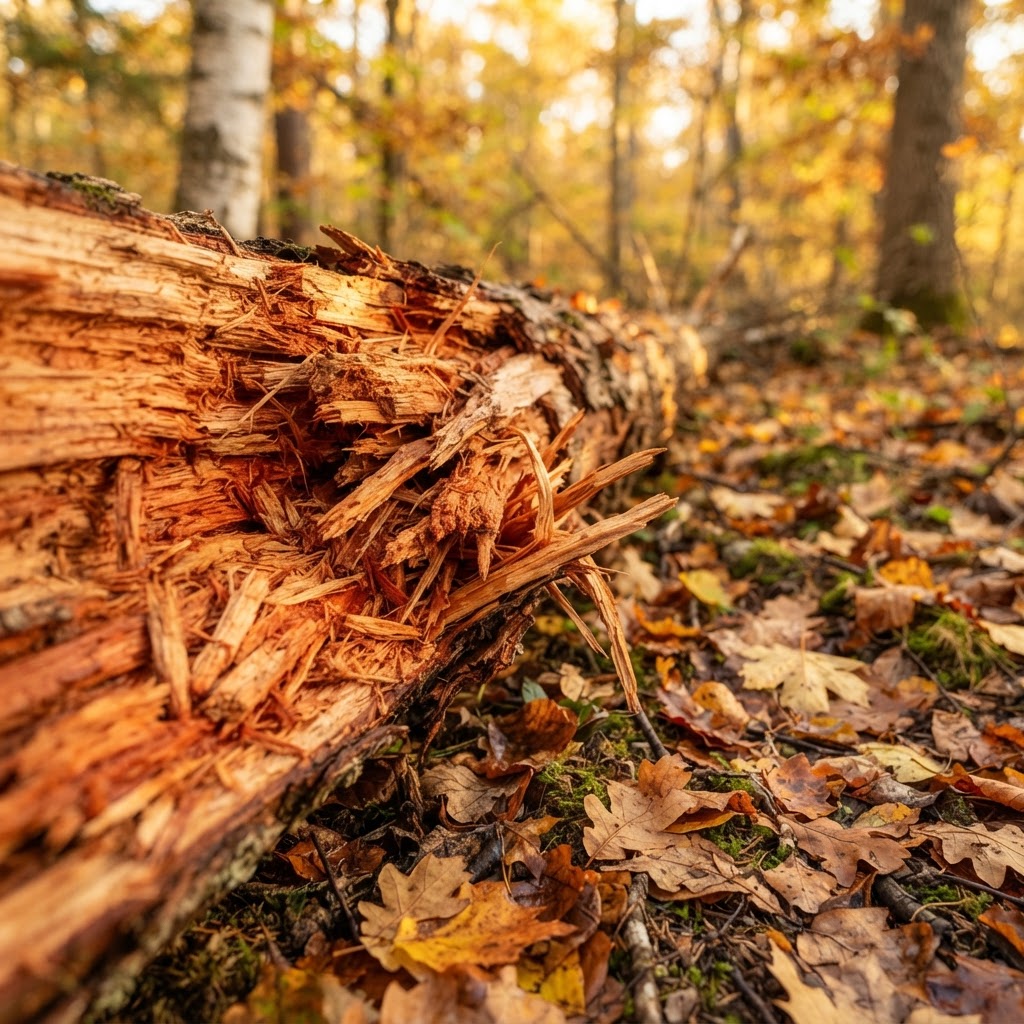
Decoding the Woods: A Tactical Guide to Interpreting Whitetail Sign
Move beyond basic scouting by learning to read the subtle story written on the forest floor. Mastering the interpretation of rubs, scrapes, and bedding areas is the key to closing the gap on a mature buck.