
Field Hunting Canada Geese: Spreads, Motion, and Concealment
Understanding the Goose Mindset
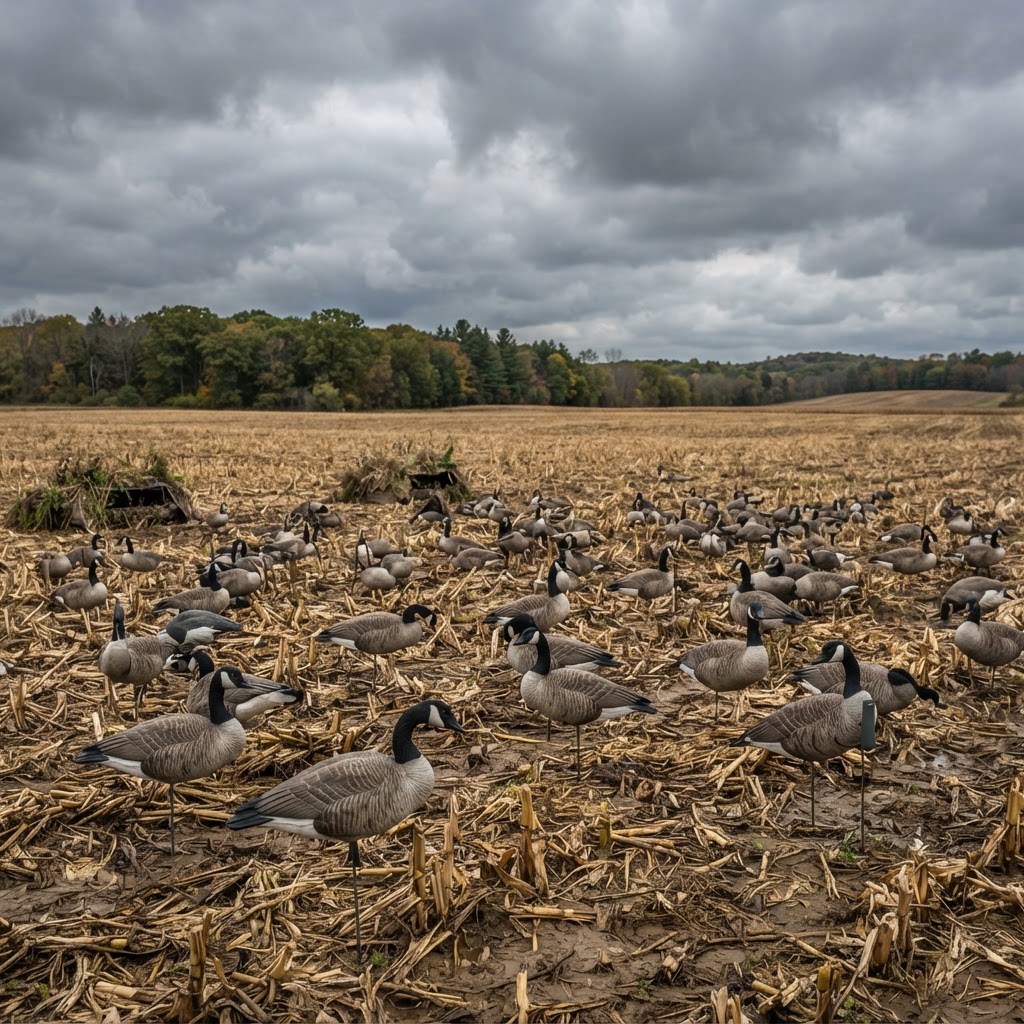
To consistently harvest Canada geese in a field setting, you must move beyond simply throwing out a pile of decoys and hoping for the best. Success in the field is a game of deception that relies heavily on understanding how weather dictates goose movement. Canada geese are opportunistic feeders, but they are also incredibly cautious. When a cold front moves through, bringing falling barometric pressure and a brisk wind of 10–20 mph, geese become restless. This is when the magic happens. A strong wind provides the necessary lift for heavy birds and forces them to work into your decoys head-on, giving you the best shot opportunities. If you are tracking regional flyway progress, checking can help you predict when new birds will arrive in your area.
Get the waterfowl forecast for your area, free
See migration pushes, freeze-ups, and the best days to hunt ducks and geese near you.
The Art of the Spread
Many hunters make the mistake of overcomplicating their decoy spread. In the world of field hunting, the 'landing zone' is king. You want to create a visual vacuum that pulls birds toward a specific spot in your spread. Using a is a great way to visualize how to arrange your layout based on wind direction. Generally, a 'U' or 'V' shape works best, as it naturally funnels incoming geese toward the center.
Motion is non-negotiable. Even on windy days, adding flags or decoys with motorized wings creates the illusion of life. Geese are highly observant, and a static spread looks like a graveyard to them. As the season progresses and birds become 'educated,' your decoy quality becomes even more critical. You want a mix of feeders, sentries, and resters to mimic a natural flock. If you are looking to brush up on identification skills before the hunt, refer to our to ensure you are targeting the right birds during peak migration.
Perfecting Concealment and Blind Placement
Concealment is often the difference between a successful hunt and a frustrated afternoon. Geese have incredible eyesight; if they see a silhouette that doesn't belong or a glimmer of human skin, they will flare out of gun range instantly. The best blind is one that disappears into the terrain. If you are hunting a harvested corn field, use stubble straps to pull actual stalks from the field over your layout blinds.
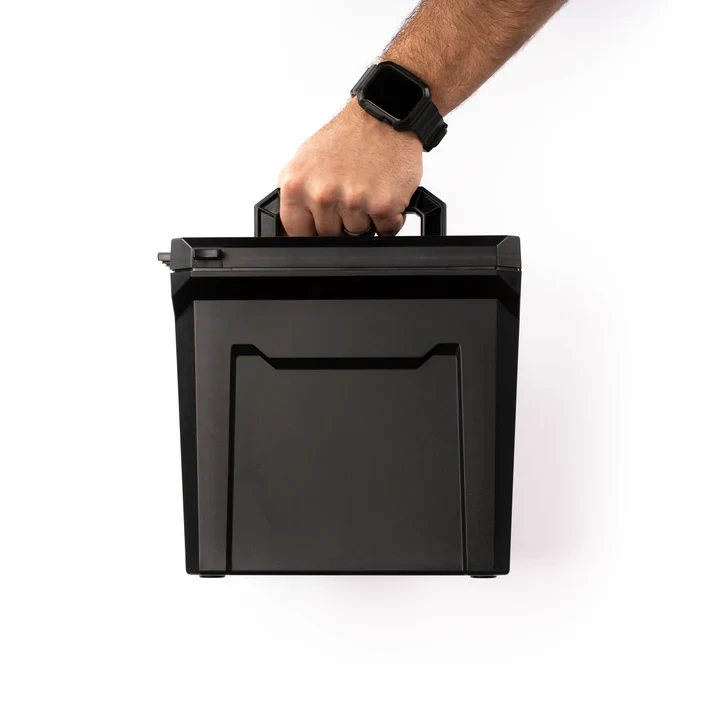
When positioning your blinds, keep them downwind of the landing zone, but keep them tight to the decoys. If the blinds are too far back, you are adding an unnecessary buffer that keeps the birds from fully committing. Always check the sky for glint—any reflective surface on your gear, from watch faces to binocular lenses, can spook a cautious gander. If you are interested in keeping your small essentials secure and out of sight in the field, you can for reliable storage solutions that keep your vehicle or blind organized.
BHH Partner
Thinking about selling a rifle or an old family shotgun? Check up-to-date market pricing by make and model before you sell.
webuyguns.comScouting: The Foundation of Success
No amount of fancy calling or expensive decoys can compensate for a bad location. The most successful hunters spend far more time scouting than they do shooting. You need to be where the birds want to be. Monitor the to identify days where local bird activity is likely to peak.
When scouting, pay close attention to flight paths and landing spots. Don't just look for where they are feeding today; look for where they were yesterday. Geese are creatures of habit, but they are also pressured by hunting intensity. If a field has been heavily hunted, birds will quickly move to the next 'hot' spot. Once you secure a permission-based field, ensure you are utilizing to verify local regulations for bag limits and legal shooting hours. Staying legal is just as important as staying hidden.
E-Tag States

Harvest Tags
E-check means you supply the tag. Printed with the exact fields your state requires.
3-pack $22.95

Youth Hunter Academy
Raise a safe, confident young hunter.
Safety missions for ages 5–17. Free parent account.
Calling and Final Execution
Calling is a tool, not a crutch. In a field scenario, the goal is to get their attention and then use your calling to modulate their speed. As they approach, use soft, feeding chuckles to keep them interested. If they start to turn away, a loud, aggressive greeting call can sometimes snap them back into line. However, resist the urge to over-call. If the birds are locking up and working the spread on their own, stop calling. Your silence will let them focus on the decoys.
Field hunting is a test of patience. Wait for the birds to commit, look for the 'back-pedal' as they prepare to land, and only then take the shot. By combining the right weather conditions with precise concealment and a well-thought-out spread, you will turn more encounters into successful harvests. For further tips, visit for ongoing seasonal advice.
Free every morning
Your Daily Briefing
One morning forecast for the spots you actually hunt and fish: deer movement, waterfowl flights, bite times, wind and shooting light.
See what's in itSet up your briefing
Join free, save a spot on the map, then pick what you hunt and fish and when you want your email.
Join 1,601 hunters and anglers on Buckeye Hunter Hub — free.
Latest from the Community


Everything you need to hunt smarter — free
Buckeye Hunter Hub is a free, nationwide platform. Create an account and unlock the full toolkit:
Free Interactive Hunting Map
Mark stands, cameras, and sign. Draw hunting zones with public land & county overlays across all 50 states.
Zones with Group Sharing
Share zones with your hunting group, split property into sections, assign stands, and check in — all in one place.
50 States of Hunting Resources
Season dates, license links, and DNR regulations for every state, kept current so you never miss an opener.
Deer Movement Forecast
Data-driven daily movement predictions using wind, moon, and pressure — know when to sit before you go.
Waterfowl Movement & Tools
Flight-potential forecasts, migration numbers, decoy spread planner, and a full species field guide.
From the Maker Bench

Taggart Outdoors
Custom Western Belt
Hand-built in the USA · $127.99
Shop the MakerBHH Partner
Thinking about selling a rifle or an old family shotgun? Check up-to-date market pricing by make and model before you sell.
webuyguns.comE-Tag States
Harvest Tags
E-check means you supply the tag. Printed with the exact fields your state requires.
3-pack $22.95
More Articles
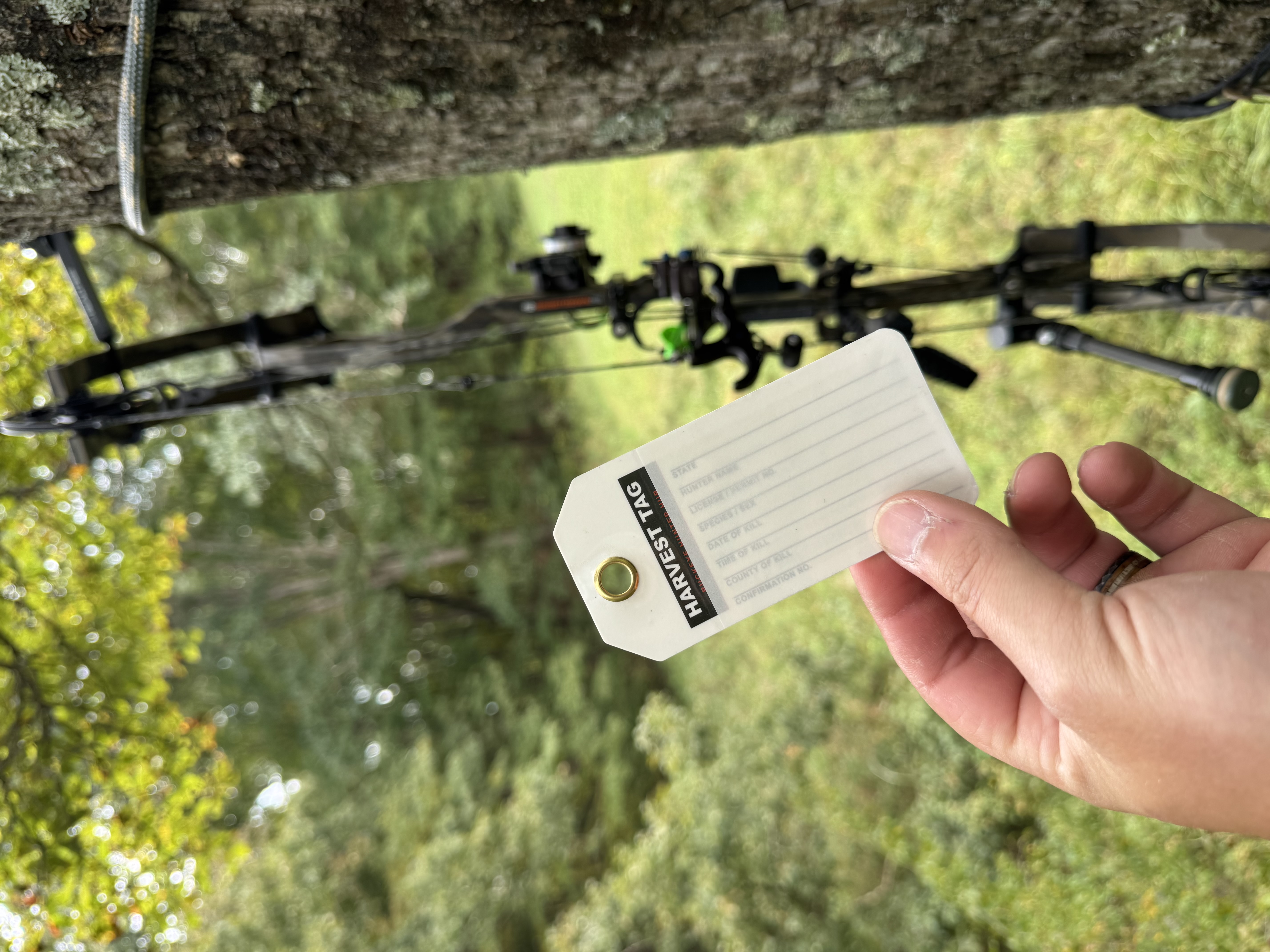
Review: Harvest Tags 5-Pack for the Serious Hunter
Are the Harvest Tags 5-Pack worth the investment for your season? We break down the durability and value of these essential gear-bag additions.
Scaling the Learning Curve: Harnessing Peer-to-Peer Wisdom in Buckeye Hunter Hub Groups
Modern hunting is a solitary pursuit in the field, but your growth doesn't have to be. Learn how tapping into the Buckeye Hunter Hub community can accelerate your skill set and turn every season into a masterclass.
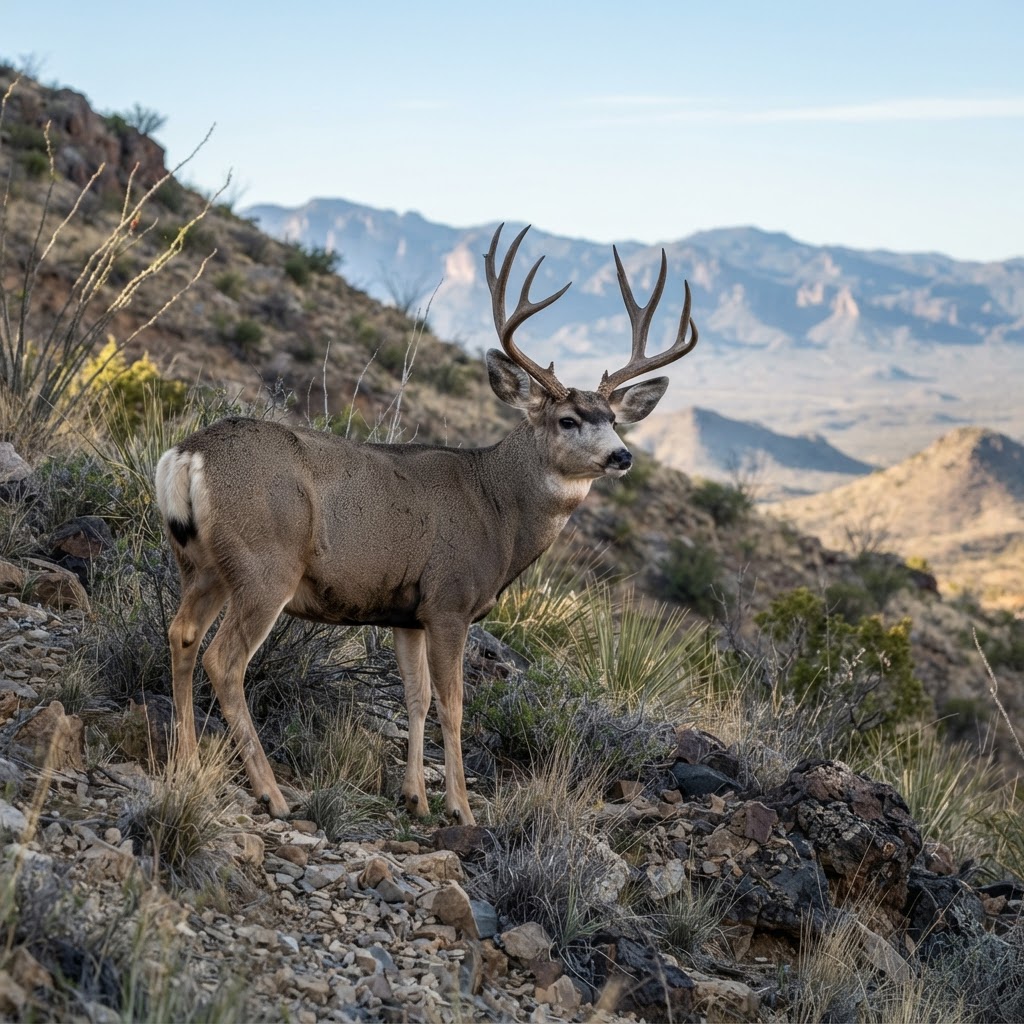
Texas Mule Deer (General Trans-Pecos) General Season 2026
The general mule deer season in the Trans-Pecos opens tomorrow, Friday, November 27, 2026, and runs through Sunday, December 13, 2026. Hunters should prepare for rugged terrain and specific county-based antler restrictions before heading into the field.
Unlocking the Hawkeye State: A Strategic Guide to Iowa Public Land
Iowa is more than just rolling cornfields; it is a premier destination for big-game and upland bird hunters. Discover how to navigate the state's expansive WMA system to find your next harvest.