
Decoy Spread Strategy: Duck and Goose Setups That Actually Work
Understanding Waterfowl Behavior
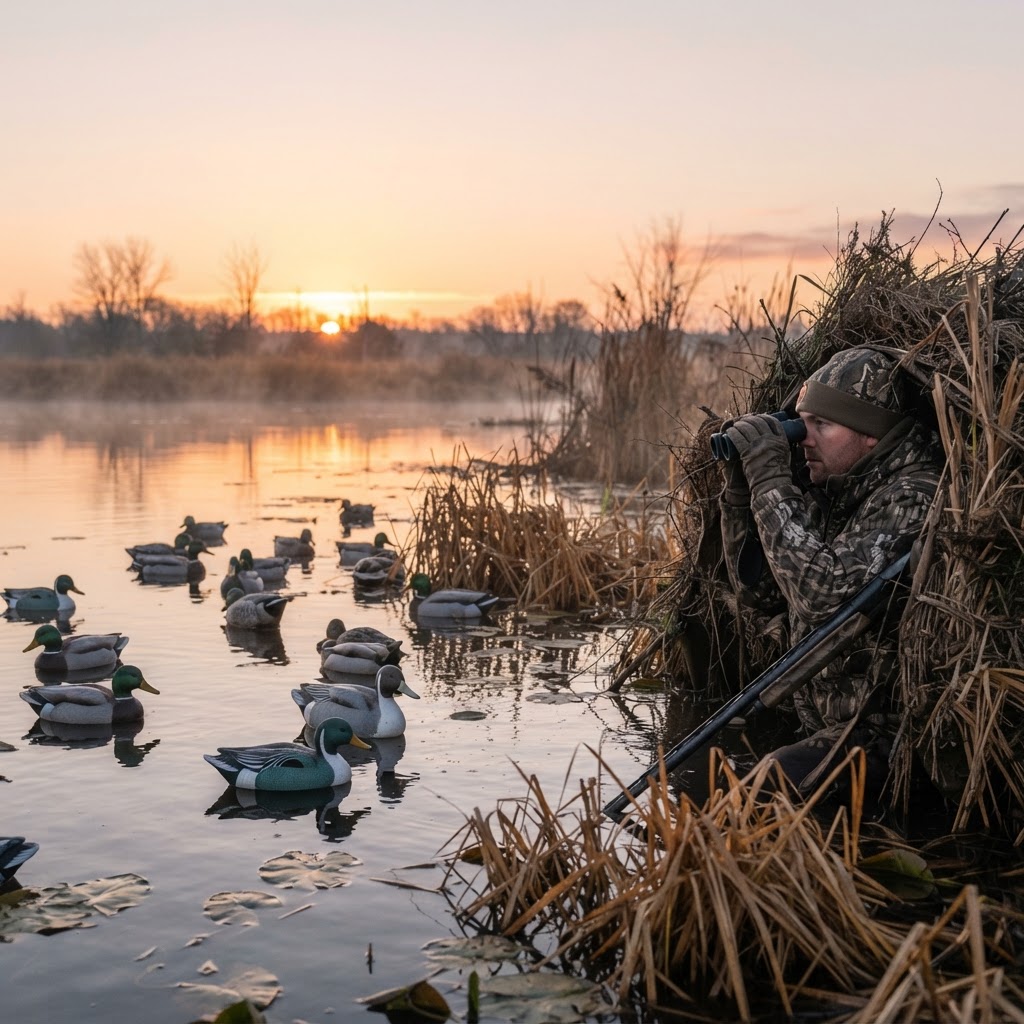
Successful waterfowl hunting hinges on understanding the behavior of ducks and geese. These birds are influenced by various environmental factors such as cold fronts, falling barometric pressure, and wind conditions. Generally, ideal wind speeds of 10-20 mph create optimum flying conditions, encouraging birds to be active during the day. Additionally, as temperatures drop and snow or freeze-ups occur, waterfowl tend to congregate in limited, open water spots, making them easier to target.
Get the waterfowl forecast for your area, free
See migration pushes, freeze-ups, and the best days to hunt ducks and geese near you.
Migratory patterns also play a crucial role; knowing when birds are moving along their flyways can significantly enhance your hunting success. Utilize tools like the to better predict these movements.
Practical Decoy Spreads
Basic Decoy Spread Setup
- Goose Decoy Spread: When hunting geese, aim for a spread that mimics a natural feeding scenario. Place decoys in a 'V' or U shape, focusing on the downwind side. This setup allows approaching geese to sense safety in numbers while providing a clear landing area.
- Duck Decoy Spread: For ducks, a more randomized arrangement mimicking natural feeding or resting behavior is effective. Consider using a combination of duck species decoys to create realism, ensuring that you have a good mix of mallards, pintails, and wood ducks. Spreading these evenly along the shoreline or using a 'J' pattern can attract incoming flocks.
Adjusting to Conditions
It's important to adjust your decoy spread to the current weather and bird movements. In high winds or stormy conditions, consolidate decoys to prevent them from scattering. Alternatively, during calm days, spread them out to create an inviting appearance.
You can utilize tools like the to visualize and plan your spreads for different conditions.
Blind Placement and Concealment
Placement of your hunting blind is a critical aspect of your overall strategy. Key factors to consider include:
- Proximity to Water: Position your blind close to the decoy spread, ideally within shooting range but concealed from birds’ line of sight.
- Natural Cover: Utilize natural vegetation or conditions to make your blind as inconspicuous as possible. Avoid stark contrasts; blend your gear with the surroundings.
- Access Routes: Plan your approach to the blind to minimize disturbances in areas frequented by waterfowl. Ideally, your entry point should be hidden from the birds to keep the area serene.
Calling Techniques
Effective calling can elevate your waterfowl hunting game. Familiarize yourself with different call types, whether for ducks or geese.
- For Ducks: Use a quack for basic communication and a feed call when birds approach.
- For Geese: Employ a honker and cluck call to simulate a flock's language and attract more birds.
E-Tag States

Harvest Tags
E-check means you supply the tag. Printed with the exact fields your state requires.
3-pack $22.95

Youth Hunter Academy
Raise a safe, confident young hunter.
Safety missions for ages 5–17. Free parent account.
Experiment with calling sequences; the best results often come from a mix of sounds that mimic a flock in different scenarios.
Scouting for Success
Proper scouting can make or break a hunting expedition. Look for signs of waterfowl activity such as:
- Feeding and Resting Patterns: Identify local feeding fields and areas with open water.
- Flight Paths: Observing daily movements can provide insight into how and when waterfowl are using the area. This will give you the edge when positioning your spreads.
The importance of scouting cannot be understated if you hope to keep ahead of the migration in your region. Combine physical scouting with tech assistance for enhanced tracking and analysis.
Conclusion
Mastering a successful waterfowl hunt requires a solid understanding of bird behavior, tactful decoy placement, effective calls, and diligent scouting. Always adapt your strategies to current weather and environmental changes for the best possible outcomes. As we navigate through the , applying these principles will lead to more successful hunts and greater enjoyment of your time in the field.
For more insights, visit our or connect with fellow hunters in our . Let’s keep learning and adapting together to make this hunting season a memorable one!
Explore More on Buckeye Hunter Hub
Free every morning
Your Daily Briefing
One morning forecast for the spots you actually hunt and fish: deer movement, waterfowl flights, bite times, wind and shooting light.
See what's in itSet up your briefing
Join free, save a spot on the map, then pick what you hunt and fish and when you want your email.
Join 1,632 hunters and anglers on Buckeye Hunter Hub — free.
Latest from the Community


Everything you need to hunt smarter — free
Buckeye Hunter Hub is a free, nationwide platform. Create an account and unlock the full toolkit:
Free Interactive Hunting Map
Mark stands, cameras, and sign. Draw hunting zones with public land & county overlays across all 50 states.
Zones with Group Sharing
Share zones with your hunting group, split property into sections, assign stands, and check in — all in one place.
50 States of Hunting Resources
Season dates, license links, and DNR regulations for every state, kept current so you never miss an opener.
Deer Movement Forecast
Data-driven daily movement predictions using wind, moon, and pressure — know when to sit before you go.
Waterfowl Movement & Tools
Flight-potential forecasts, migration numbers, decoy spread planner, and a full species field guide.
From the Maker Bench

Taggart Outdoors
Custom Western Belt
Hand-built in the USA · $127.99
Shop the Maker
BHH Partner
Firearms, ammo and gear from a local Ohio shop in Grafton.
dnaarmory.comE-Tag States
Harvest Tags
E-check means you supply the tag. Printed with the exact fields your state requires.
3-pack $22.95
More Articles
Never Miss a Tag: Accessing Official State Hunting Regulations in One Place
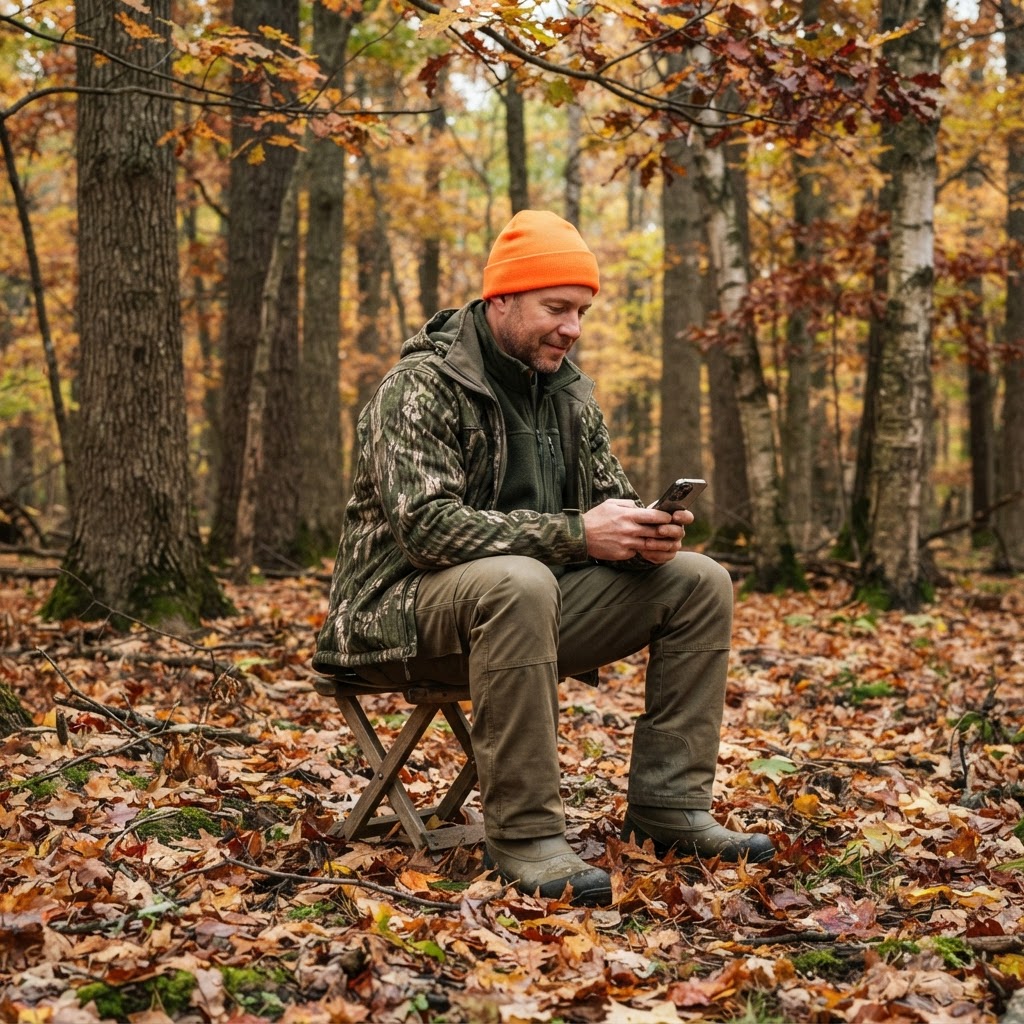
Navigating the maze of state-specific hunting regulations can be a headache, but it doesn't have to be. Discover how Buckeye Hunter Hub centralizes official DNR data to keep you legal and ready for the field.
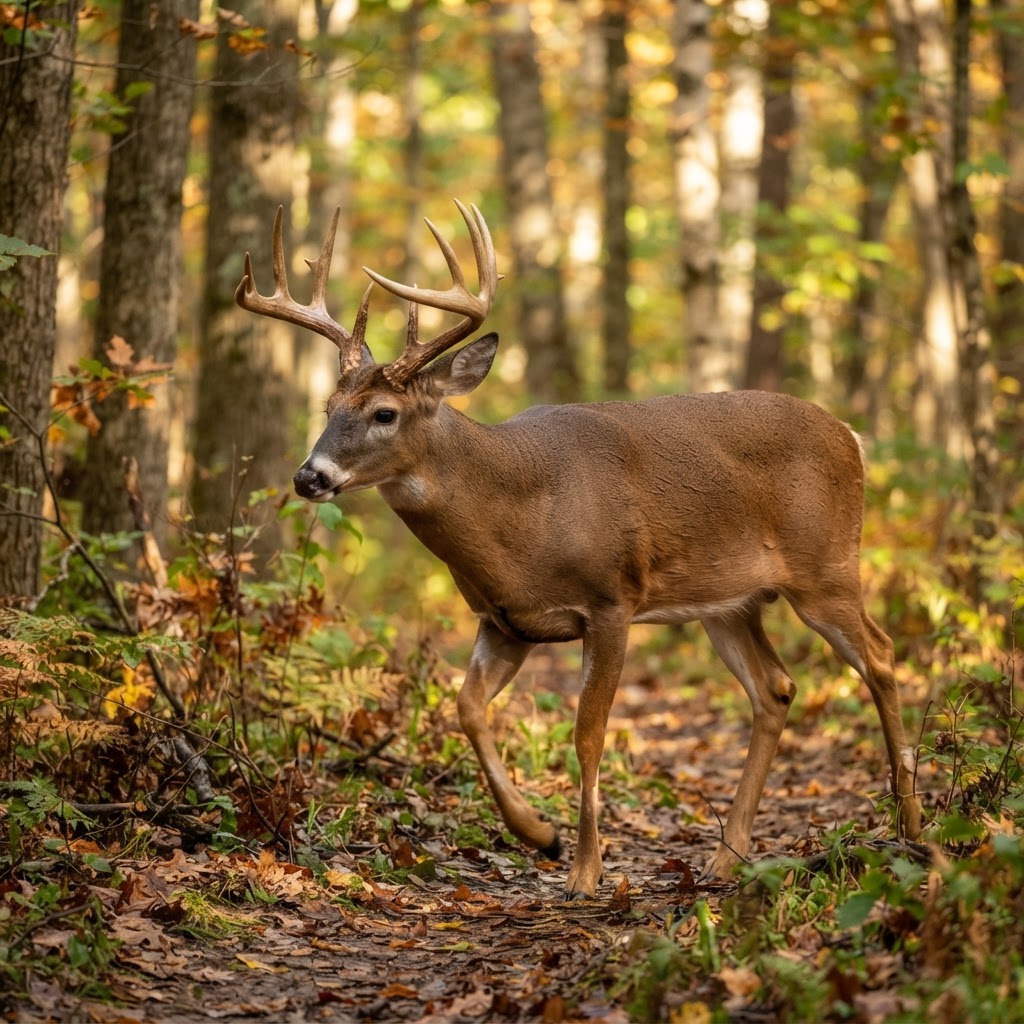
Optimizing Your Scouting: A Practical Approach to AI Trail Camera Photo Analysis
Drowning in thousands of trail camera photos every week? Learn how to stop sorting and start hunting by using AI to categorize bucks, does, and movement trends.
A Free Linktree Alternative Built for Hunters and Anglers
Every Buckeye Hunter Hub member gets a free link in bio page: one address for your socials, videos, photos, trophies and catches, with a QR code to print.

One Link for Makers, Guides and Callers: Put Your Work in Your Bio
Makers, guides, outfitters and callers can put their work, their shop and their channels on one free page, then share it with one link or a printed QR code.