Deciphering the Daily Life of Whitetails: A Practical Guide to Reading Deer Sign
Introduction to Sign Reading
For many hunters, the forest is a chaotic jumble of trees, brush, and leaves. To the seasoned woodsman, however, it is a legible map of deer activity. Every broken twig, scraped tree, and depressed patch of grass tells a story about where a deer has been, what it was doing, and where it intends to go. Becoming a master of reading sign is the ultimate equalizer in the woods, allowing you to move beyond luck and into the realm of calculated, high-percentage hunting. At Buckeye Hunter Hub, we believe that understanding the nuances of deer sign is the most valuable tool in your pack.
Free hunting map, zones & 50-state resources
Save your spots, share zones with your group, and get deer & waterfowl movement forecasts — free.
The Language of Rubs: Identifying Dominance and Travel Corridors
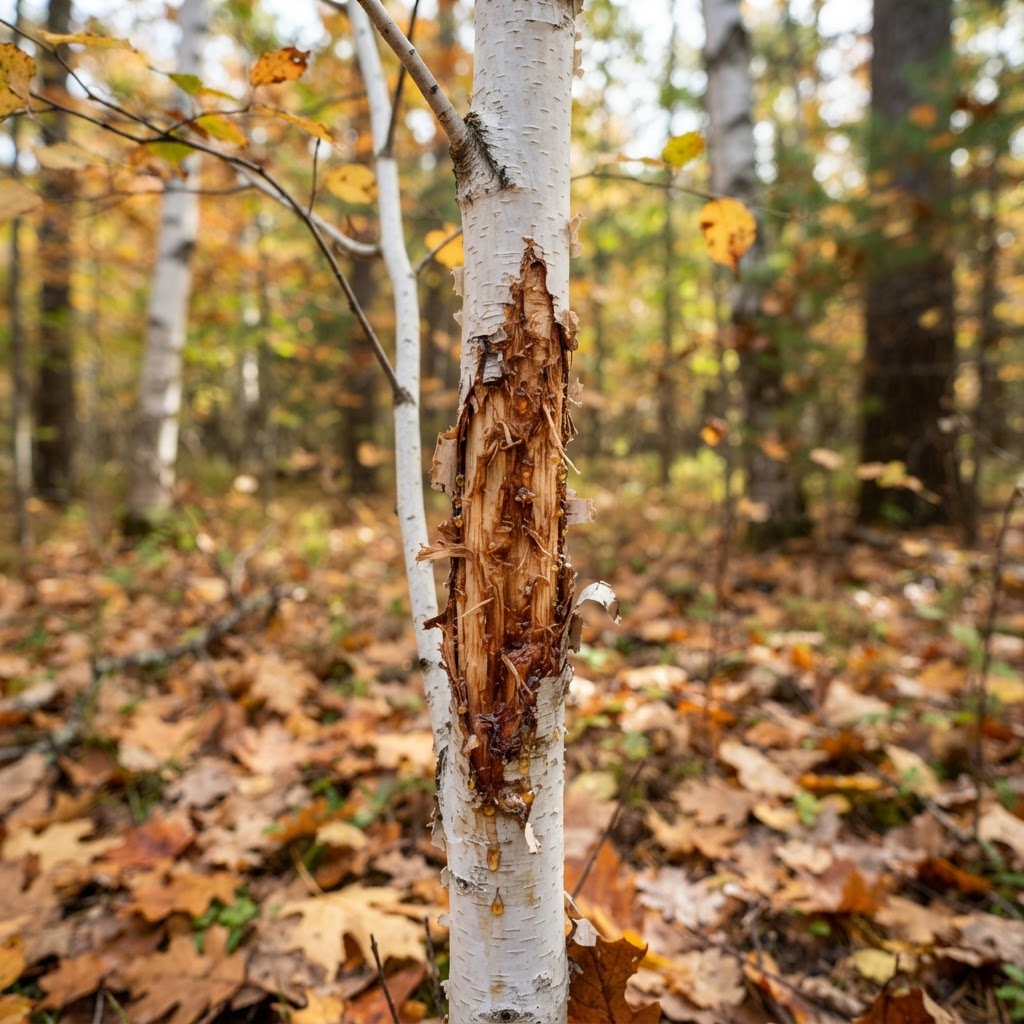
Most beginners look at a rubbed tree and see a sign of a buck; experts look at a rub line and see a highway. A lone, small rub might simply be an opportunistic encounter, but a series of rubs—a 'rub line'—indicates a consistent travel corridor. When scouting, focus on the height and the degree of damage. A rub at shoulder height on a thick trunk often signals a mature buck exerting dominance within his core area.
Look for these lines along transition zones, such as the edge of a thicket where it meets an open hardwood ridge. If you are struggling to identify how these travel patterns correlate to your specific area, using can help you confirm if your suspected 'highway' is being used during daylight hours or exclusively at night. Remember, a fresh, sap-oozing rub is your best indicator that the buck is actively using that specific corridor right now.
Unlocking the Mystery of Scrapes
Scrapes are the social centers of the deer world, serving as the primary communication hub for deer throughout the pre-rut and rut. A scrape is more than just a pawed-out patch of dirt; it is an olfactory billboard. To read them effectively, look for the licking branch hanging above the scrape. Deer will rub their forehead glands on this branch, leaving scent behind that lets other deer know exactly who has been there.
During the early season, you will often find 'community scrapes' in open areas, such as field edges or intersections of logging roads. These are frequently visited by multiple deer. As the season progresses, focus your efforts on the hidden 'interior' scrapes located in tighter cover. These are the spots where the mature, wary bucks interact. If you are trying to piece together a larger seasonal pattern, it helps to cross-reference your scrape findings with to understand the physiological drivers behind this social behavior.
Identifying and Approaching Bedding Areas
Washington · E-Tag State

Washington Harvest Tags
E-check means you supply the tag. Printed with the exact fields Washington requires.
3-pack $22.95
Perhaps the most elusive piece of the puzzle is finding where deer sleep. A buck’s bed is his sanctuary; it is where he feels safe enough to lower his guard. You can identify these areas by looking for small, oval-shaped depressions in the leaf litter, often backed against an immovable object like a fallen log or a steep embankment. Mature bucks prefer bedding in areas with 'two-way' visibility, meaning they can see danger coming from one direction while having an escape route out the back door.
One common mistake hunters make is pushing too deep into bedding areas. Instead of stomping through the heart of the sanctuary, look for the 'staging areas.' These are thick, protected zones about 50 to 100 yards outside of the bed where deer pause to feed or transition as evening approaches. Setting up on the downwind side of these staging areas is often more effective than sitting directly on the bed, as it keeps your scent out of the immediate danger zone.
Putting It All Together
Raise a safe, confident young hunter.
Guide your kids ages 5–17 through interactive hunting safety missions, real decision drills, and earned trophies — all from one free parent account.



Reading sign is not a one-time event; it is an ongoing practice of observation. When you find a cluster of sign—a heavy bedding area near a well-used rub line that leads to a series of active scrapes—you have found the 'X.' Take your time to map these points, and if you are ever unsure about how local environmental factors are influencing these patterns, checking can provide the missing context needed to finalize your game plan.
Remember, your presence in the woods should be as invisible as possible. The goal is to hunt the sign, not the deer themselves. By interpreting these messages from the woods correctly, you stop guessing and start hunting with purpose. Whether you are hunting public land or your own managed acreage, these foundational skills remain the bedrock of a successful season. Keep documenting your findings, share your successes on , and continue to sharpen your woodsmanship every time you step into the timber.
Join 336 hunters and anglers on Buckeye Hunter Hub — free.
Latest from the Community
The hunt
Posted
The hunt
Jesse O · 8h ago

Trophy
2021 Spring Turkey
Richard Taggart · 12h ago

Trophy
2025 Spring Turkey
Richard Taggart · 16h ago

Trophy
2025 Buck… A Buck named King
fsufootball55 · 17h ago

Posted
Western hunting units map layer
Admin Josh · 17h ago

Posted
Rifle Slings and Leather Goods
Richard Taggart · 20h ago
New drop
Fresh Buckeye Hunter Hub tees & hoodies


Everything you need to hunt smarter — free
Buckeye Hunter Hub is a free, nationwide platform. Create an account and unlock the full toolkit:
Free Interactive Hunting Map
Mark stands, cameras, and sign. Draw hunting zones with public land & county overlays across all 50 states.
Zones with Group Sharing
Share zones with your hunting group, split property into sections, assign stands, and check in — all in one place.
50 States of Hunting Resources
Season dates, license links, and DNR regulations for every state, kept current so you never miss an opener.
Deer Movement Forecast
Data-driven daily movement predictions using wind, moon, and pressure — know when to sit before you go.
Waterfowl Movement & Tools
Flight-potential forecasts, migration numbers, decoy spread planner, and a full species field guide.
From the Maker Bench

Taggart Outdoors
Padded Rifle Sling
Hand-built in the USA · $134.99
Shop the MakerNew drop
Fresh Buckeye Hunter Hub tees & hoodies
Shop This

StopBox Pro Ward | Wall-Mounted
$179.00$199.99

StopBox Pro Compact
$159.00$179.99

Buckeye Hunter Hub Tee — Riding Shotgun
$20.55

Buckeye Hunter Hub Hoodie — Riding Shotgun
$32.87
E-Tag States

Harvest Tags
E-check means you supply the tag. Printed with the exact fields your state requires.
3-pack $22.95
More Articles
Digital Heritage: Bringing the Marsh and Field to Your Screen with Hunter-Centric Art
Upgrade your digital workspace with our new retro-style wildlife wallpapers, featuring the iconic species that define our time spent in the blind and the timber.
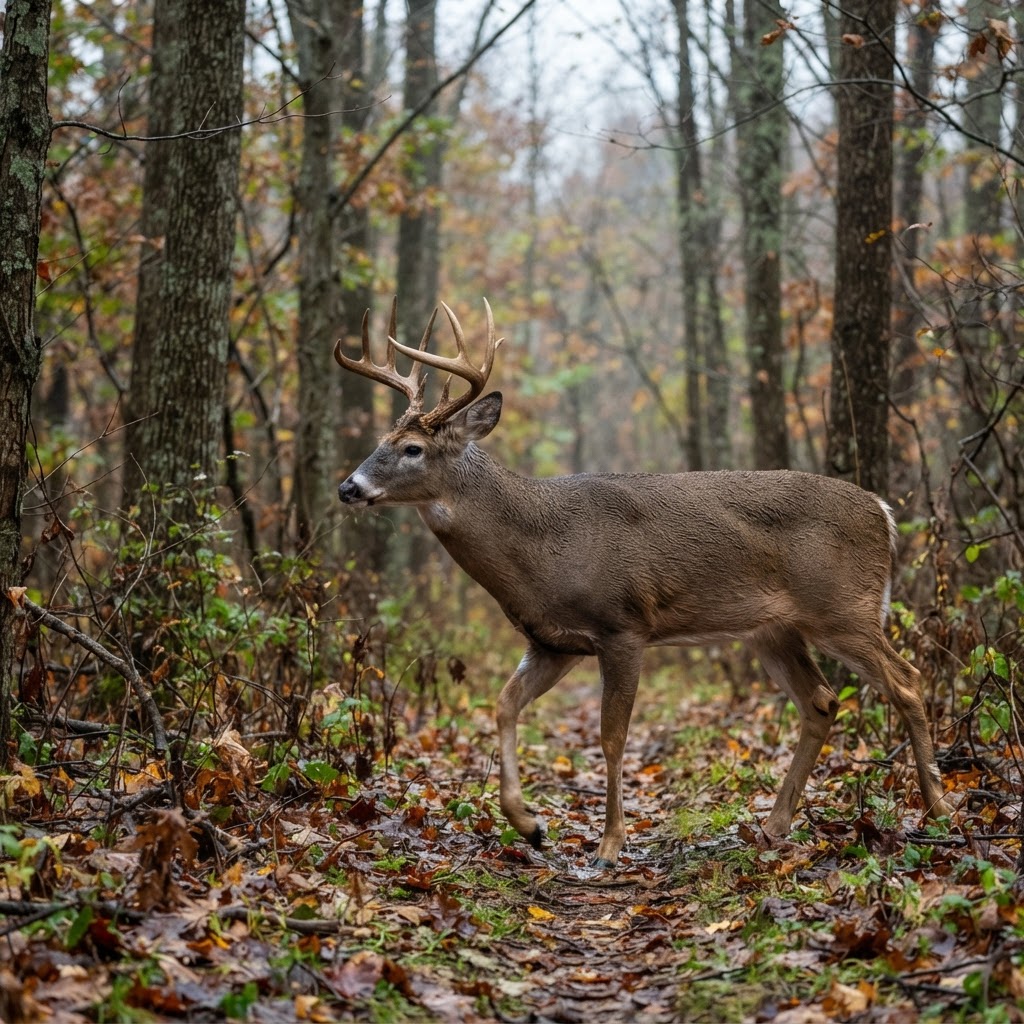
Best Barometric Pressure for Deer Hunting: What the Data Really Says
Move beyond the myths and understand how atmospheric pressure actually influences whitetail movement based on modern telemetry data.
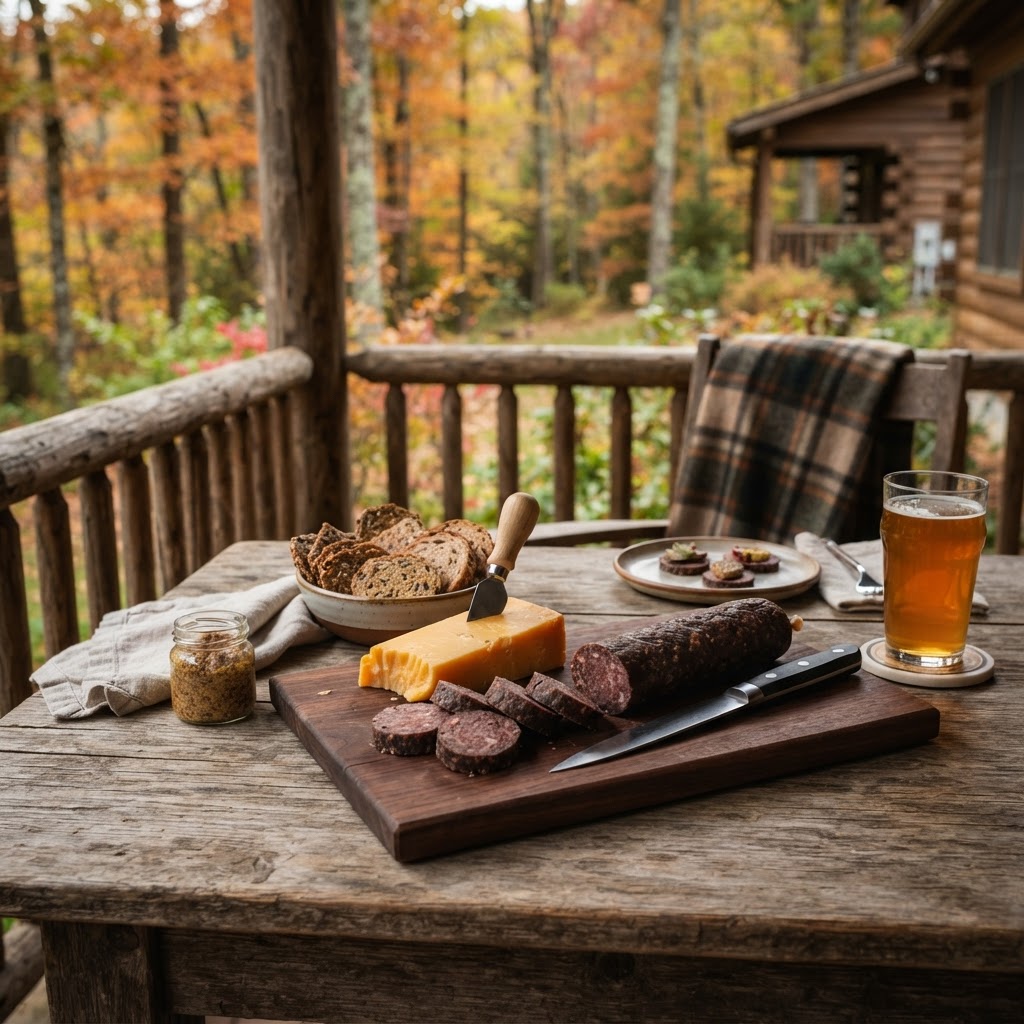
Crafting Perfection: A Guide to Homemade Venison Summer Sausage
Turn your hard-earned harvest into a kitchen staple with this step-by-step guide to making professional-grade venison summer sausage at home.

Lessons From My First Ram: A Big Game Hunting Memoir
Looking back on my first ram hunt in Colorado, I share the challenges of my youth and the lessons that defined my path as a hunter.