Chasing the Speed Goat: The Ultimate Guide to Pronghorn Antelope Hunting
Introduction to the Pronghorn
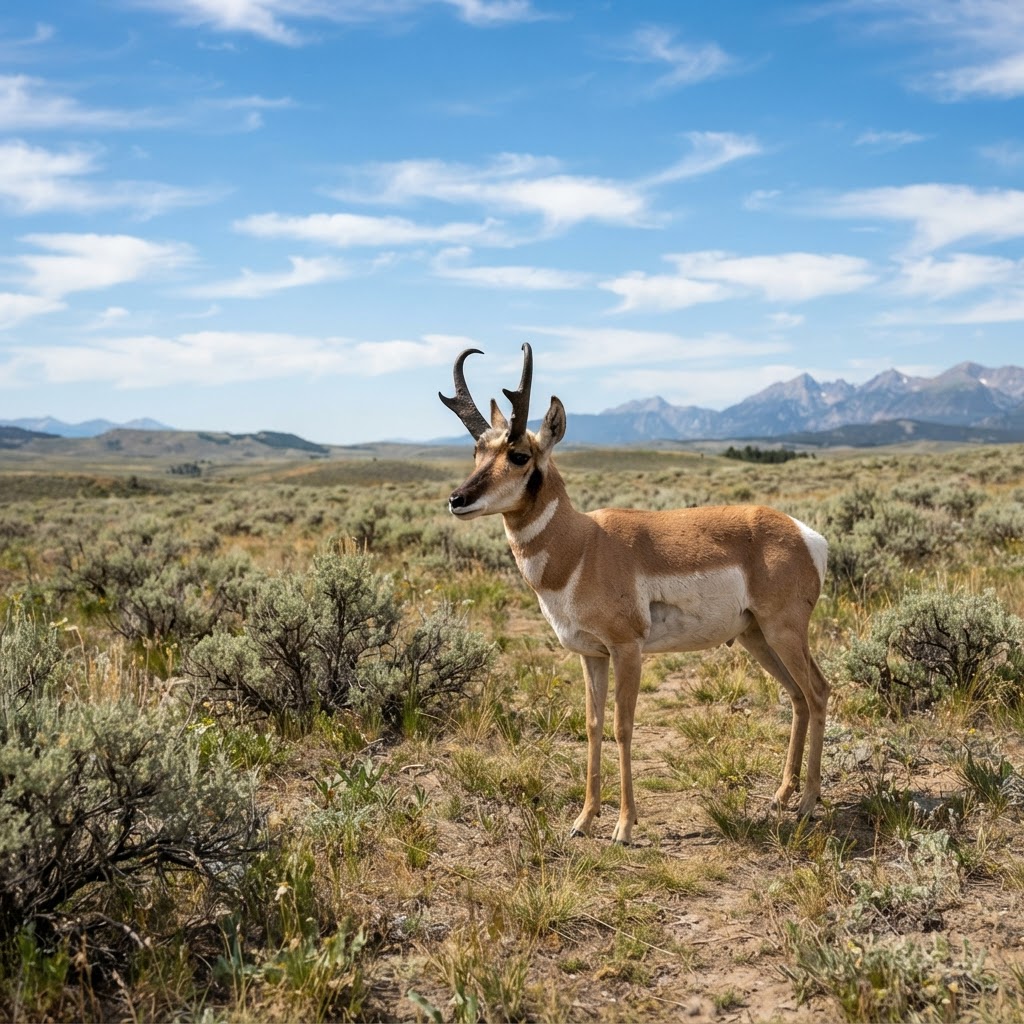
The American pronghorn (Antilocapra americana) is not a true antelope; it is a unique species endemic to North America, holding the title of the fastest land mammal on the continent. For the hunter, they represent a high-stakes chess match played out across the vast, arid landscapes of the American West. At Buckeye Hunter Hub, we believe that understanding the biology and behavior of this iconic animal is the first step toward a successful harvest.
Biology and Behavior: The Plains Survivor
Pronghorn possess incredible eyesight, capable of detecting movement from several miles away. They rely on their keen vision and unmatched speed—up to 60 miles per hour—to outrun predators. Understanding that a pronghorn's defense is its vision allows hunters to adopt better strategies, specifically prioritizing concealment and terrain utilization. Unlike elk or deer, they are creatures of the open sagebrush. While they do have predictable behaviors, such as using specific fence crossings or water sources, they are highly mobile and constantly on the move.
Habitat and Range
Pronghorn inhabit the expansive, open grasslands, sagebrush deserts, and semi-arid plains of the Western United States. Major populations are found in Wyoming, Montana, New Mexico, and Arizona. Because their habitat is often fragmented, it is essential to utilize to identify public land corridors and ensure you are within legal boundaries. Always consult before setting out to confirm tag allocations and specific unit boundaries, as these can change annually.
Tactical Approaches: How to Outsmart the Speed Goat
Spot and Stalk
The most traditional method for hunting pronghorn is the spot-and-stalk approach. Use high-quality optics to scan hillsides from a distance. Once a buck is located, analyze the terrain. Can you get within bow range? Use the folds in the landscape, dry creek beds, or rolling sagebrush to hide your approach. If you are spotted, stop immediately—they are naturally curious and may stay put if you don't move.
Waterhole Ambush
In the heat of the early season, pronghorn must drink regularly. Setting up a ground blind near a remote water source is an incredibly effective tactic, especially for archery hunters. When choosing a location, look for tracks and droppings to ensure the water source is active. Be prepared for long, hot hours of waiting, but the payoff can be a close-range shot at a trophy buck.
Decoying
During the rut, which typically occurs in late August and September, bucks become highly territorial. Using a pop-up decoy can trigger a challenge response in a dominant buck, causing him to charge toward you in an attempt to defend his harem. This is an adrenaline-fueled method that offers some of the most exciting hunting experiences in the West.
E-Tag States

Harvest Tags
E-check means you supply the tag. Printed with the exact fields your state requires.
3-pack $19.95
Gear Selection and Preparation
Precision is key when hunting the plains. Because shots are frequently long, a flat-shooting rifle cartridge like the .243 Winchester, 6.5 Creedmoor, or .270 Winchester is ideal. Pair your rifle with high-quality, long-range optics; in the open plains, your binoculars are your most important tool. For the archery hunter, a reliable rangefinder is non-negotiable, as judging distance in the flat, featureless desert can be notoriously difficult. Always ensure your gear is ready well before kicks off.
Timing Your Hunt
Pronghorn seasons often begin in mid-August in some states and extend through October. The early season is best for waterhole hunting when temperatures are high. As September approaches, the rut begins, offering the best chance to decoy bucks and observe the peak of their activity. If you prefer a cooler, more relaxed hunt, later season dates in October are excellent, though the bucks may have moved deeper into private lands, making a potential consideration for serious trophy hunters.
Tips for Success
- Respect the Range: Don't push your limits. Practice shooting from prone and tripod positions to prepare for the reality of long-distance shots.
- Stay Hydrated: The high plains are deceptive; the air is dry and the sun is intense. Carry more water than you think you need.
- Engage the Community: If you are new to western hunting, consider connecting with to learn more about specific unit nuances and terrain challenges from those who have walked the ground before.
- Focus on Quality: Pronghorn meat is often misunderstood. Proper field care is critical. Skin the animal immediately and cool the meat down as quickly as possible to ensure the best flavor.
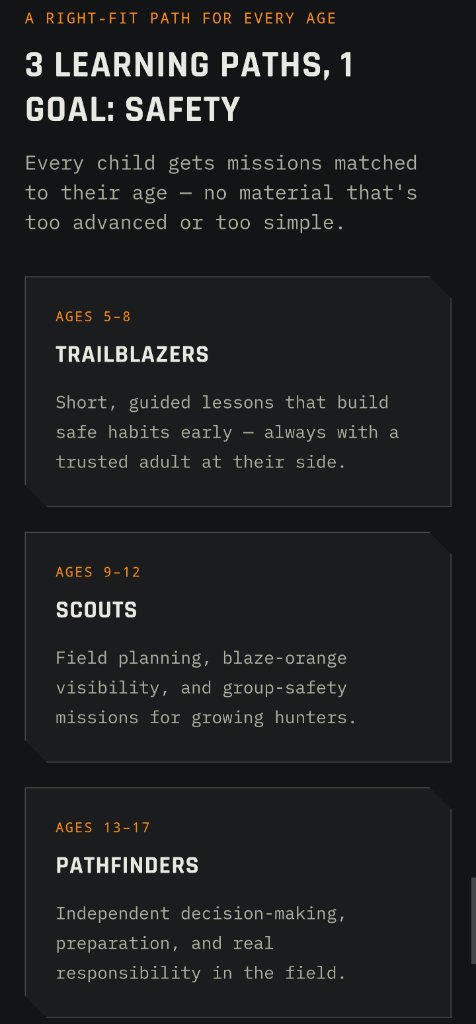
Raise a safe, confident young hunter.
Guide your kids ages 5–17 through interactive hunting safety missions, real decision drills, and earned trophies — all from one free parent account.



Conclusion
Hunting pronghorn is a rite of passage for many western hunters and a bucket-list adventure for those from the Midwest and beyond. It requires patience, physical stamina, and the ability to adapt to a changing environment. Whether you are stalking through the sagebrush or waiting patiently at a water hole, the experience of being in the high plains is unparalleled. For more tips on field craft and gear preparation, be sure to visit for deeper dives into North American big game tactics.
Free hunting map, zones & 50-state resources
Save your spots, share zones with your group, and get deer & waterfowl movement forecasts — free.
Join 236 hunters and anglers on Buckeye Hunter Hub — free.
Latest from the Community



New drop
Fresh Buckeye Hunter Hub tees & hoodies


Everything you need to hunt smarter — free
Buckeye Hunter Hub is a free, nationwide platform. Create an account and unlock the full toolkit:
Free Interactive Hunting Map
Mark stands, cameras, and sign. Draw hunting zones with public land & county overlays across all 50 states.
Zones with Group Sharing
Share zones with your hunting group, split property into sections, assign stands, and check in — all in one place.
50 States of Hunting Resources
Season dates, license links, and DNR regulations for every state, kept current so you never miss an opener.
Deer Movement Forecast
Data-driven daily movement predictions using wind, moon, and pressure — know when to sit before you go.
Waterfowl Movement & Tools
Flight-potential forecasts, migration numbers, decoy spread planner, and a full species field guide.
From the Maker Bench

Taggart Outdoors
Padded Rifle Sling
Hand-built in the USA · $134.99
Shop the MakerNew drop
Fresh Buckeye Hunter Hub tees & hoodies
Shop This

StopBox Pro Ward | Wall-Mounted
$179.00$199.99

StopBox Pro Compact
$159.00$179.99

Buckeye Hunter Hub Tee — No Tag Left Behind
$20.55

Buckeye Hunter Hub Hoodie — No Tag Left Behind
$32.87
E-Tag States
Harvest Tags
E-check means you supply the tag. Printed with the exact fields your state requires.
3-pack $19.95
More Articles
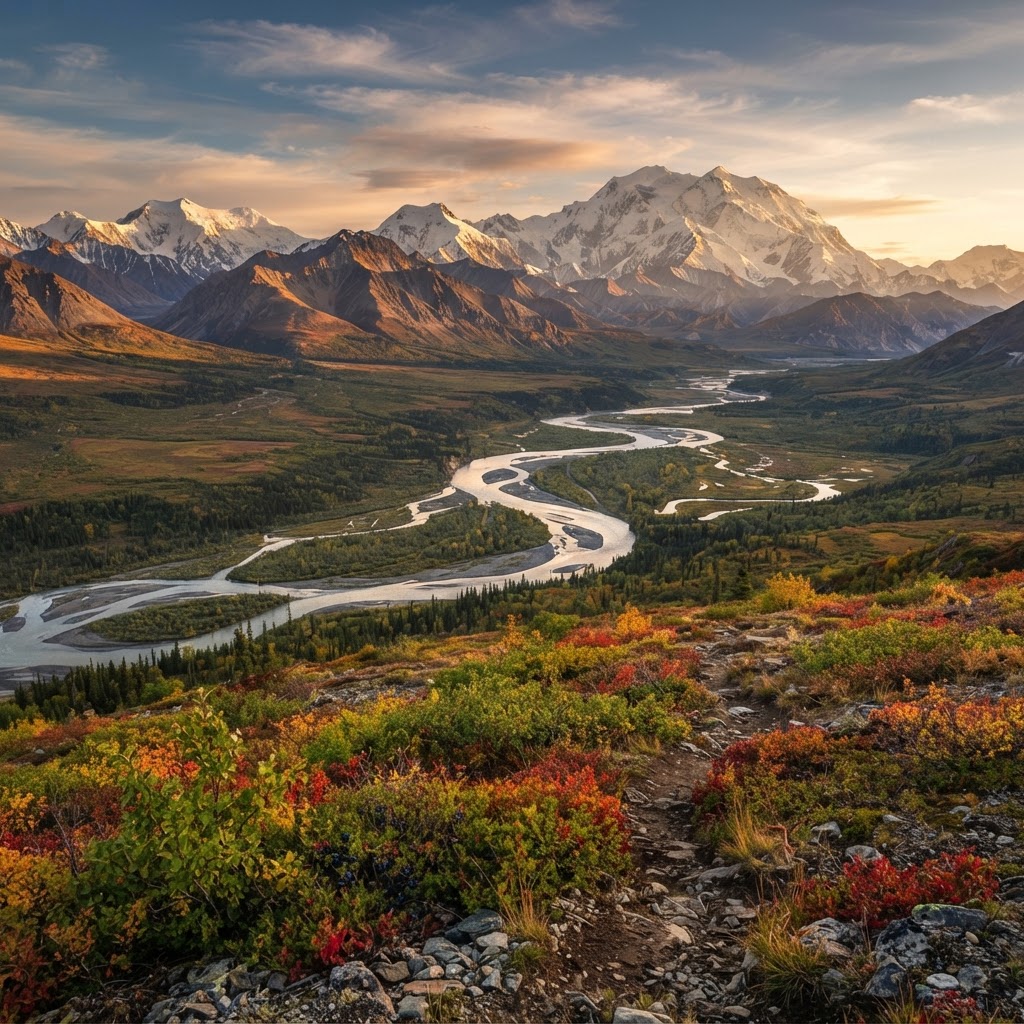
The Last Frontier: A Strategic Guide to Alaskan Big Game Hunting
Alaska offers the ultimate challenge for the American sportsman, combining vast wilderness with unmatched species diversity. From planning your logistics to understanding the unique terrain, here is how to navigate the complexities of hunting the Last Frontier.

Gear Up for the Field: Introducing the New Little Brown Duck Dog Hoodie
Meet your new favorite layer for the duck blind and beyond: the Buckeye Hunter Hub Little Brown Duck Dog hoodie is here to keep you warm and looking sharp.

Make a Statement: Introducing the Buckeye Hunter Hub Hoodie — Whoa.
Meet the ultimate addition to your outdoor wardrobe: the Buckeye Hunter Hub Hoodie — Whoa., designed for those who live for the pursuit and value a bit of personality in their gear.

Introducing the Little Brown Duck Dog Tee: Your New Favorite Hunting Apparel
Meet the latest addition to the Buckeye Hunter Hub gear lineup, designed for those who live for the marsh and the field.