
Chasing Roosters: The Complete Guide to Pheasant Hunting in the U.S.
Introduction to Pheasant Hunting
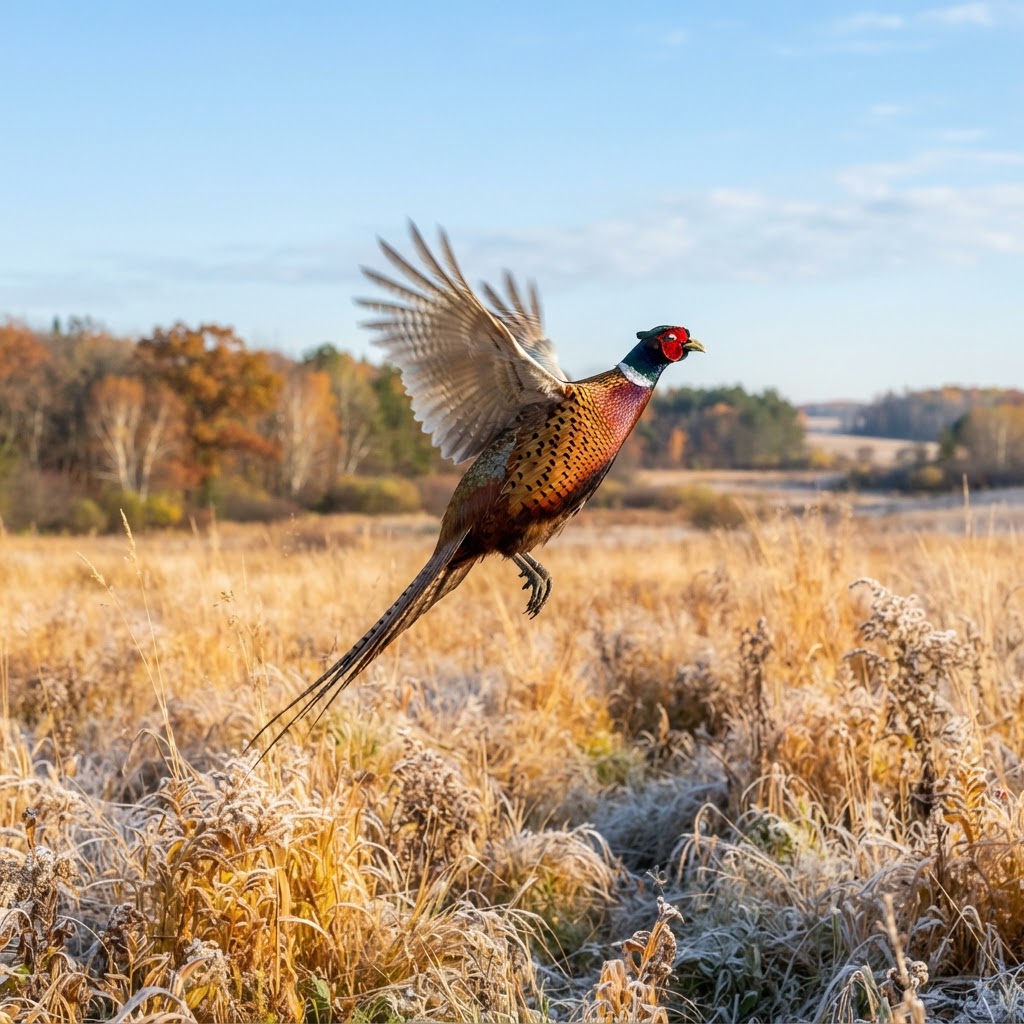
The ring-necked pheasant is perhaps the most iconic upland game bird in North America. Known for their explosive flush, vibrant plumage, and challenging flight patterns, these birds offer an adrenaline-filled experience for both novice and veteran wingshooters. At Buckeye Hunter Hub, we believe that understanding the biology and behavior of the pheasant is the first step toward a successful day in the field.
Free hunting map, zones & 50-state resources
Save your spots, share zones with your group, and get deer & waterfowl movement forecasts, free.
Biology and Behavior
Unlike native grouse or quail, the ring-necked pheasant (Phasianus colchicus) was introduced to the United States from Asia in the late 19th century. They are hardy, ground-dwelling birds that rely heavily on their speed and camouflage. Roosters are distinguished by their iridescent colors, white neck rings, and long, pointed tail feathers, while hens are a mottled brown, providing excellent protection while nesting in tall grass.
Pheasants are creatures of habit. They prefer to run rather than fly when threatened, which often leads to the 'flushing' frustration that makes them so challenging. They rely on their strong legs to put distance between themselves and a hunter, only taking to the air as a last resort.
Habitat and Range
Pheasants thrive in a 'mosaic' landscape. They require a mix of nesting cover, brood-rearing cover, and winter cover. In the U.S., the primary range extends across the Great Plains and the Midwest, with strong populations in states like South Dakota, Iowa, Kansas, and Nebraska.
Finding the right habitat is critical. Look for areas with a mix of CRP (Conservation Reserve Program) grasses, cattail sloughs, shelterbelts, and unharvested crop edges. If you are struggling to identify public access areas in these states, check our to find the latest management maps and regulations for your target region.

Essential Gear and Tactics
Success in the field comes down to three things: a reliable shotgun, a skilled bird dog, and the right approach.
Shotguns and Loads
BHH Partner
Thinking about selling a rifle or an old family shotgun? Check up-to-date market pricing by make and model before you sell.
webuyguns.comMost pheasant hunters prefer a 12-gauge or 20-gauge shotgun. Because roosters are large, tough birds, shot selection is vital. Use high-brass loads with shot sizes ranging from 4 to 6. This provides the density and knockdown power necessary to penetrate through feathers and ensure an ethical harvest.
The Role of the Dog
While it is possible to hunt pheasants without a dog, it is significantly more difficult. Pointers and flushers like Labradors, German Shorthairs, or English Setters are invaluable. They locate the birds, hold them in the cover, and retrieve the roosters once they have fallen. If you are just starting your journey into bird hunting, consider joining to connect with experienced handlers who can offer advice on training and field etiquette.
E-Tag States

Harvest Tags
E-check means you supply the tag. Printed with the exact fields your state requires.
3-pack $22.95

Youth Hunter Academy
Raise a safe, confident young hunter.
Safety missions for ages 5–17. Free parent account.
Tactical Hunting Strategies
- Blocking: This is one of the most effective tactics. Position one or two members of your party at the end of a field (the 'blockers') while the 'drivers' walk slowly toward them. This forces the birds to either hold or flush within range of the blockers.
- Walking the Edges: Pheasants often sit at the transition zone between heavy cover and open fields, especially during the early morning and late evening hours when they are feeding.
- Patience: If you are hunting with a dog and they go on point, take your time. Move in slowly, keeping your shotgun at the ready. Most hunters miss because they rush their shot as soon as the bird takes flight.
Best Times of Year
Pheasant seasons typically run from late fall through early winter. The best hunting often occurs after a light dusting of snow, which makes the birds easier to spot and tracks easier to follow. Before heading out, ensure you are up to date on the latest season dates by consulting .
Tips for All Skill Levels
For beginners, the most important advice is to focus on safety and identification. Remember that only roosters are legal game in most states. Observe the bird's head color and tail length before pulling the trigger.
For the experienced hunter, success often comes from scouting. Don't rely on the same spots every year. Use your to look for newly opened public land or neglected corners of private fields that others might overlook. Pheasants are adaptive, and moving to where the pressure is lower will often yield better results.
Conservation is the bedrock of our sport. Organizations like Pheasants Forever play a massive role in preserving habitat across the country. We encourage all hunters to stay informed on local habitat initiatives and to practice ethical hunting standards to ensure these iconic birds continue to thrive for generations to come.
Free every morning
Your Daily Briefing
One morning forecast for the spots you actually hunt and fish: deer movement, waterfowl flights, bite times, wind and shooting light.
See what's in itSet up your briefing
Join free, save a spot on the map, then pick what you hunt and fish and when you want your email.
Join 1,633 hunters and anglers on Buckeye Hunter Hub — free.
Latest from the Community


Everything you need to hunt smarter — free
Buckeye Hunter Hub is a free, nationwide platform. Create an account and unlock the full toolkit:
Free Interactive Hunting Map
Mark stands, cameras, and sign. Draw hunting zones with public land & county overlays across all 50 states.
Zones with Group Sharing
Share zones with your hunting group, split property into sections, assign stands, and check in — all in one place.
50 States of Hunting Resources
Season dates, license links, and DNR regulations for every state, kept current so you never miss an opener.
Deer Movement Forecast
Data-driven daily movement predictions using wind, moon, and pressure — know when to sit before you go.
Waterfowl Movement & Tools
Flight-potential forecasts, migration numbers, decoy spread planner, and a full species field guide.
From the Maker Bench

Taggart Outdoors
Custom Western Belt
Hand-built in the USA · $127.99
Shop the MakerBHH Partner
Thinking about selling a rifle or an old family shotgun? Check up-to-date market pricing by make and model before you sell.
webuyguns.comE-Tag States
Harvest Tags
E-check means you supply the tag. Printed with the exact fields your state requires.
3-pack $22.95
More Articles
Never Miss a Tag: Accessing Official State Hunting Regulations in One Place
Navigating the maze of state-specific hunting regulations can be a headache, but it doesn't have to be. Discover how Buckeye Hunter Hub centralizes official DNR data to keep you legal and ready for the field.
Optimizing Your Scouting: A Practical Approach to AI Trail Camera Photo Analysis
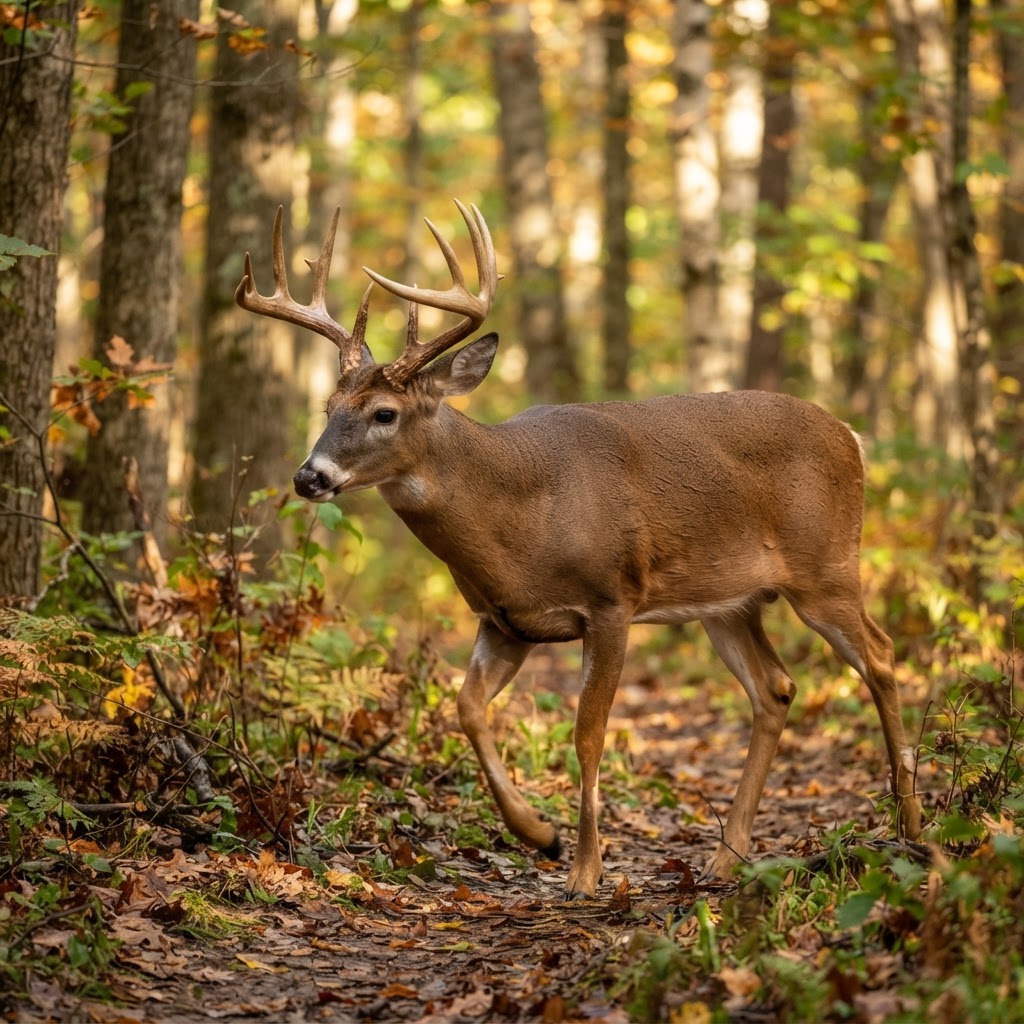
Drowning in thousands of trail camera photos every week? Learn how to stop sorting and start hunting by using AI to categorize bucks, does, and movement trends.
A Free Linktree Alternative Built for Hunters and Anglers
Every Buckeye Hunter Hub member gets a free link in bio page: one address for your socials, videos, photos, trophies and catches, with a QR code to print.

One Link for Makers, Guides and Callers: Put Your Work in Your Bio
Makers, guides, outfitters and callers can put their work, their shop and their channels on one free page, then share it with one link or a printed QR code.