Best Barometric Pressure for Deer Hunting: What the Data Really Says
Understanding the Pressure-Movement Myth
For decades, deer hunters have carried barometers into the woods like holy relics, convinced that a specific pressure reading triggers a frenzy of movement. But what does the data actually say? When we look at long-term GPS-collar studies and peer-reviewed telemetry, the reality is more nuanced than a simple 'high vs. low' pressure chart. At Buckeye Hunter Hub, we believe that understanding is the key to consistent success, and that means prioritizing physiological necessity over hunting folklore.
Free hunting map, zones & 50-state resources
Save your spots, share zones with your group, and get deer & waterfowl movement forecasts — free.
The Physiology of Barometric Pressure
Barometric pressure—the weight of the atmosphere pressing down on the earth—does influence deer, but primarily through its role as a precursor to weather changes. Whitetails are highly sensitive to their environment because their survival depends on anticipating shifts in thermal regulation and food availability.
When a high-pressure system dominates, skies are typically clear, and air is stable. Conversely, a falling barometer indicates an approaching low-pressure system, often accompanied by cloud cover, precipitation, and thermal instability. Telemetry data shows that deer movement peaks not just because the 'pressure is low,' but because that pressure change signals an impending shift in the immediate environment. Deer need to feed heavily before these shifts to maintain their metabolic requirements.
The Hierarchy of Movement Drivers
If you want to master the woods, you must prioritize the factors that actually dictate whitetail behavior. Our analysis suggests a clear hierarchy of drivers:
1. Photoperiod and the Rut
Nothing overrides biological clock signals. Regardless of the pressure, the photoperiod—the amount of daylight—is the primary driver for breeding behavior. During the peak of the rut, bucks will move even in unfavorable weather because the drive to find estrous does outweighs the drive to conserve energy.
2. Thermal Comfort and Temperature
Deer are thermal regulators. A deer's 'thermal neutral zone' is relatively narrow. When ambient temperatures swing rapidly—either due to a cold front or a sudden heat spike—deer adjust their movement patterns to maintain homeostasis. A cold front often causes a spike in daytime activity as deer seek calories to fuel their internal furnace. This is why checking our is more effective than watching a barometer alone.
3. Barometric Pressure as a Secondary Catalyst
Pressure serves as a barometer (literally) for the likelihood of those thermal changes. It is a secondary factor, often functioning as a warning system for deer to hit the feed trough before weather deteriorates.
Washington · E-Tag State

Washington Harvest Tags
E-check means you supply the tag. Printed with the exact fields Washington requires.
3-pack $22.95
4. The Moon Phase Myth
If you look at the research, moon phase ranks very low on the list of factors affecting deer movement. While many hunters swear by the moon, GPS telemetry rarely shows a direct correlation between lunar cycles and peak daylight movement. It is often a case of confirmation bias; hunters are simply more likely to remember a 'big buck' encounter that happened during a full moon than a quiet sit on a random Tuesday.
Applying the Data to Your Hunt
So, what does this mean for your time in the stand? Rather than obsessing over a static number on a gauge, focus on the trend.
Raise a safe, confident young hunter.
Guide your kids ages 5–17 through interactive hunting safety missions, real decision drills, and earned trophies — all from one free parent account.
Bonus: every $10 you spend in the BHH shop earns a free seat (up to 5). Use them or share them.



- The Approach: The best time to be in the stand is during the 24-hour window preceding a significant barometric drop. This usually indicates an approaching front. Deer are hyper-aware of the falling pressure and will feed aggressively to fill their rumens before seeking cover to wait out the storm.
- The Frontal Passage: During the actual passage of a low-pressure system (heavy rain or high winds), deer movement typically drops to near zero. They are bedded down, conserving energy.
- The Post-Frontal Spike: Once the front clears and the pressure begins to rise rapidly, movement often picks up again. The sky turns clear, the air gets crisp, and deer emerge to resume feeding.
Tactical Takeaways
To be an elite hunter, stop looking for a 'magic number.' Instead, look for the 'delta.' A stable pressure reading, even if it is 'low,' usually leads to predictable, routine movement. A rapidly changing reading—in either direction—is the trigger you are looking for.
If you are planning your vacation days based on the , don't just pick the dates. Pick the windows of instability. Look for cold fronts, significant temperature dips, and rapid pressure fluctuations. By aligning your hunting pressure with the natural shifts in atmospheric conditions, you stop guessing and start hunting with purpose.
Remember, science is a tool, not a guarantee. Use these data points to refine your approach, scout smarter, and spend your time in the stand when the biological imperatives—not just the weather—are in your favor.
Join 833 hunters and anglers on Buckeye Hunter Hub — free.
Latest from the Community


Everything you need to hunt smarter — free
Buckeye Hunter Hub is a free, nationwide platform. Create an account and unlock the full toolkit:
Free Interactive Hunting Map
Mark stands, cameras, and sign. Draw hunting zones with public land & county overlays across all 50 states.
Zones with Group Sharing
Share zones with your hunting group, split property into sections, assign stands, and check in — all in one place.
50 States of Hunting Resources
Season dates, license links, and DNR regulations for every state, kept current so you never miss an opener.
Deer Movement Forecast
Data-driven daily movement predictions using wind, moon, and pressure — know when to sit before you go.
Waterfowl Movement & Tools
Flight-potential forecasts, migration numbers, decoy spread planner, and a full species field guide.
From the Maker Bench

SE Ohio Outdoors
Euro Mount Hook
Hand-built in the USA · $8.00
Shop the MakerFriend of BHH
Thinking about selling a rifle or an old family shotgun? Check up-to-date market pricing by make and model before you sell.
webuyguns.comShop This

StopBox Pro Ward | Wall-Mounted
$179.00$199.99

StopBox Pro Compact
$159.00$179.99

BHH Speckle Camo Hoodie
$53.36

BHH Blackwood Camo Hoodie
$53.36
Washington · E-Tag State
Washington Harvest Tags
E-check means you supply the tag. Printed with the exact fields Washington requires.
3-pack $22.95
More Articles
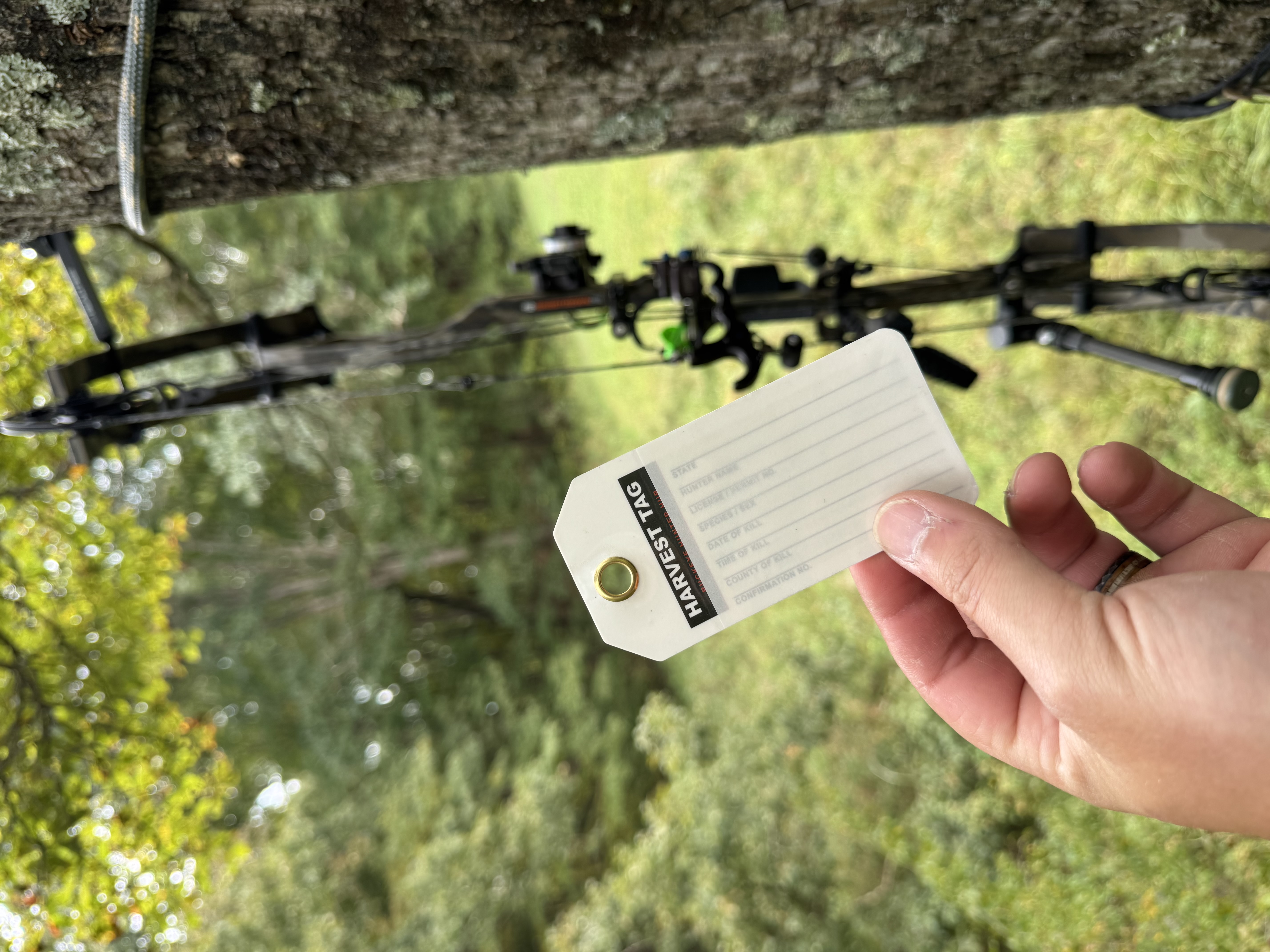
Harvest Tags — Single Tag Review: Reliable Gear for Hunters
Is the Harvest Tags — Single Tag the right choice for your next hunt? We break down its durability and value in this in-depth Buckeye Hunter Hub review.
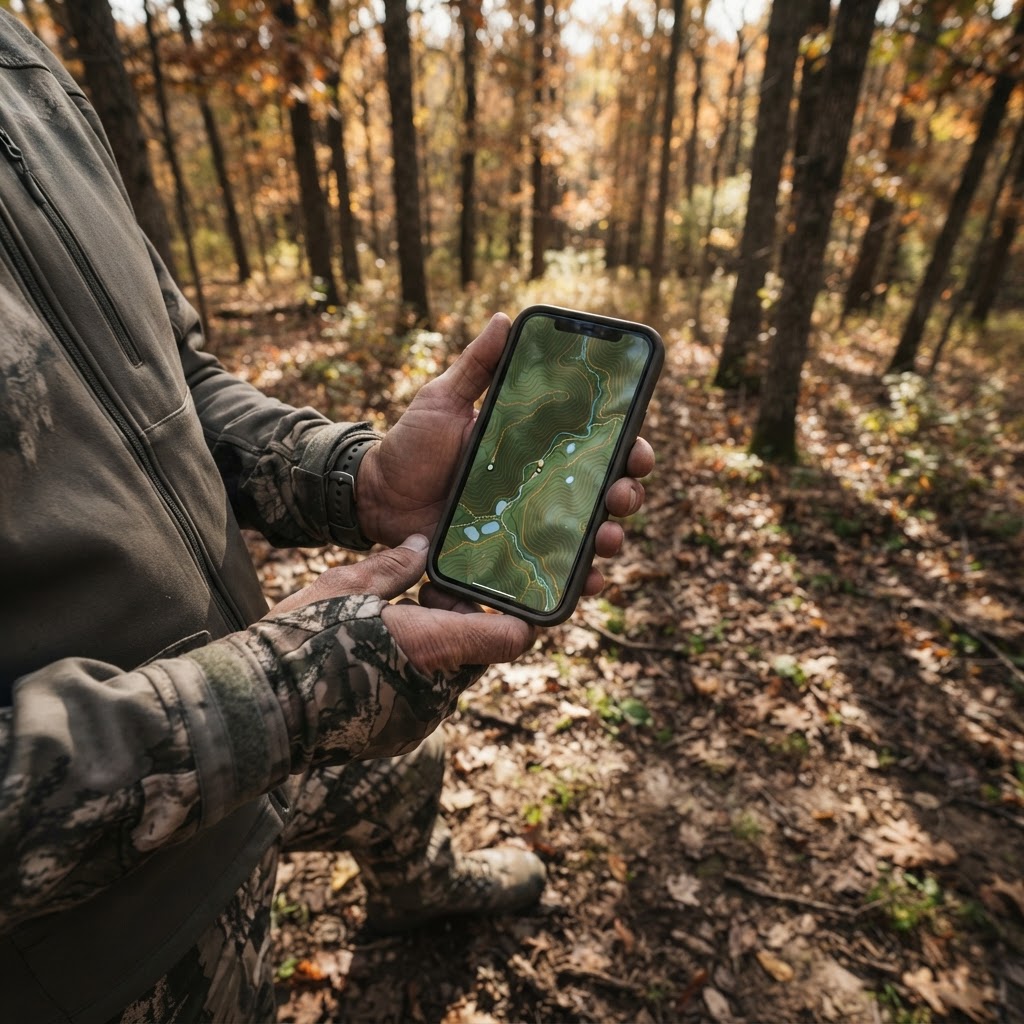
Mastering Your Terrain: A Guide to Precision Waypoint Management on the Buckeye Hunter Hub
Transform how you scout and hunt by learning to accurately mark stands, blinds, and trail cameras on your interactive map. Discover how digital precision leads to more consistent results in the field.
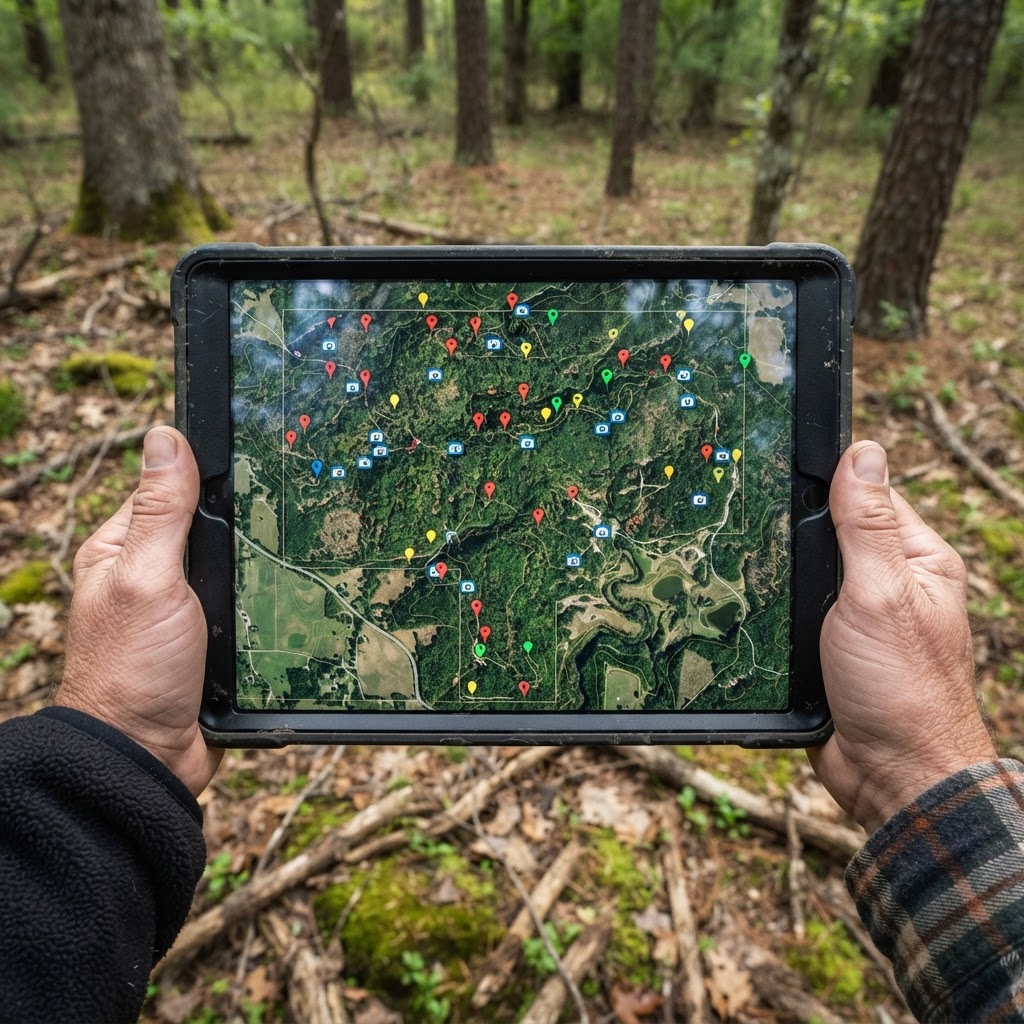
Visualizing Your Success: A Practical Approach to Digital Waypoint Management
Stop guessing where your best setups are located. Learn how to leverage digital waypoints to build a high-resolution mental map of your hunting property.

Beyond the Screen: The Revival of Retro Wildlife Art in Digital Spaces
There is a quiet movement bringing the nostalgia of classic screen-print wildlife art to our modern devices. Discover how Buckeye Hunter Hub is blending heritage hunting aesthetics with the thrill of digital collecting.