Best Barometric Pressure for Deer Hunting: What the Data Really Says
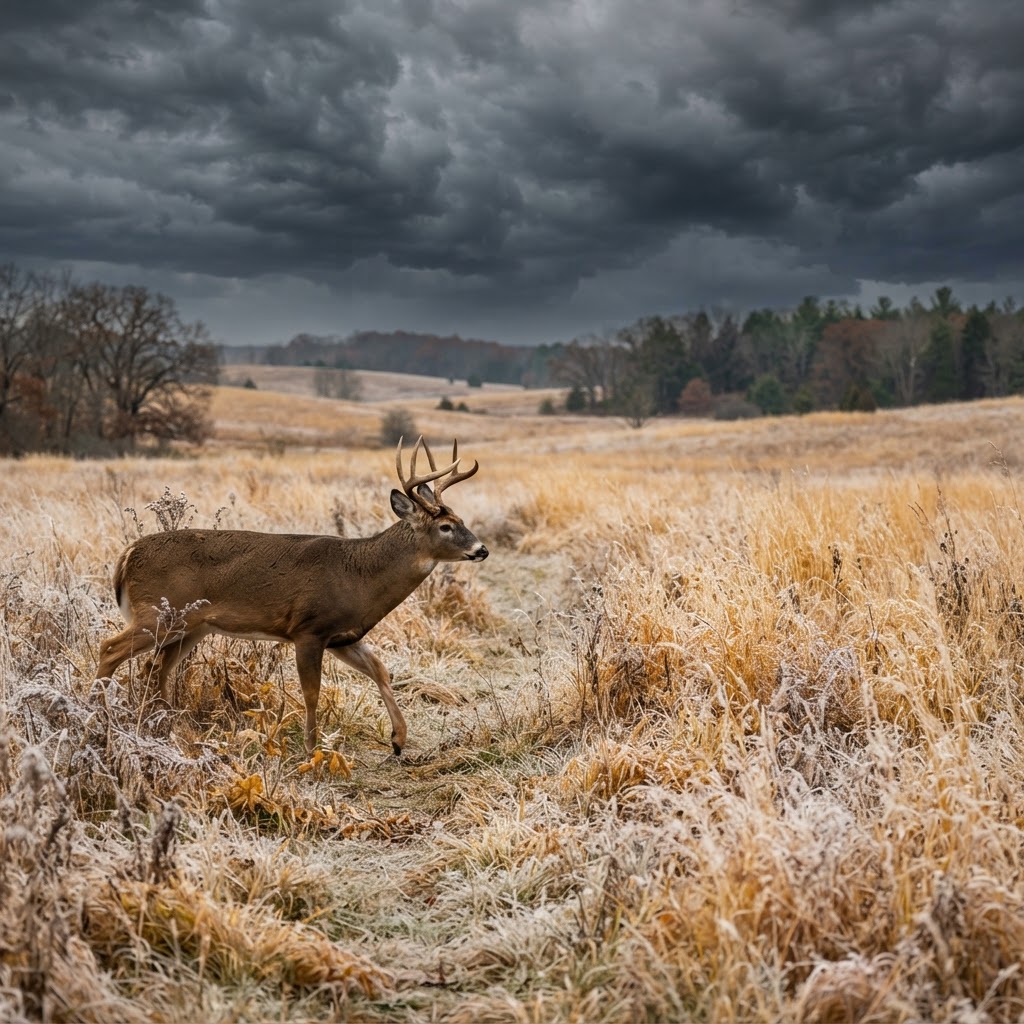
Understanding the Barometric Variable
For decades, deer hunters have obsessed over solunar tables, moon phases, and the rise and fall of the mercury in their barometers. While local lore is often passed down with great conviction, the intersection of meteorology and whitetail biology is where true hunting mastery begins. At Buckeye Hunter Hub, we believe in prioritizing over anecdotal superstitions. If you want to increase your odds in the stand, you need to understand how barometric pressure actually functions as a trigger for biological behavior.
Free hunting map, zones & 50-state resources
Save your spots, share zones with your group, and get deer & waterfowl movement forecasts — free.
The Science of Pressure and Wildlife
Barometric pressure is the measurement of the weight of the air pressing down on the earth. A 'high' pressure system is generally associated with clear, cool, stable skies, while a 'low' pressure system typically brings cloud cover, precipitation, and thermal instability. Whitetails are highly sensitive to these shifts. Telemetry studies, particularly those utilizing long-term GPS-collar data across the Midwest and Southeast, suggest that deer are most active during the transitional periods immediately preceding or following a significant shift in pressure.
When a low-pressure front approaches, the drop in pressure often signals an impending weather event. Deer, being masters of their environment, exhibit a distinct spike in movement during this 'pre-frontal' window. They are instinctively reacting to the need to feed before the coming storm makes foraging difficult. This is when you should be in the stand. Conversely, during the eye of a high-pressure system, deer movement often plateaus; they hunker down and prioritize thermal regulation over active feeding.
The Hierarchy of Movement Drivers
It is vital for the modern hunter to recognize that barometric pressure is just one piece of a much larger, more complex puzzle. Understanding where pressure fits in the hierarchy of movement drivers will save you from spending wasted hours in the woods.
1. Photoperiod and the Rut
The absolute primary driver for whitetail movement is the photoperiod—the length of daylight. Nothing shifts the behavior of a mature buck more reliably than the onset of the rut, triggered by the reduction of daylight hours. No amount of barometric pressure can override the biological urge to breed during the peak rut.
2. Temperature Swings and Cold Fronts
Temperature is a secondary driver that often works in tandem with barometric pressure. A dramatic drop in temperature during the early and mid-season serves as a powerful stimulus. When a cold front moves through, it creates an 'energy deficit' for the deer. To maintain their core body temperature, they must consume more calories, forcing them to move during daylight hours. When this drop in temperature aligns with a sharp rise in barometric pressure—the post-frontal window—you are looking at one of the most productive hunting windows of the year.
E-Tag States

Harvest Tags
E-check means you supply the tag. Printed with the exact fields your state requires.
3-pack $22.95
3. The Moon Phase Myth
We often get asked about the moon, and the data is clear: moon phase is a weak, secondary factor at best. While some studies suggest minor lunar influence on nocturnal movement, its impact pales in comparison to weather events and photoperiod. If you are choosing your vacation days based on the moon instead of the incoming cold fronts on our , you are likely missing out on prime action.
Actionable Thresholds for the Stand
So, what numbers should you be looking for? Rather than staring at a static number, focus on the 'delta'—the rate of change.
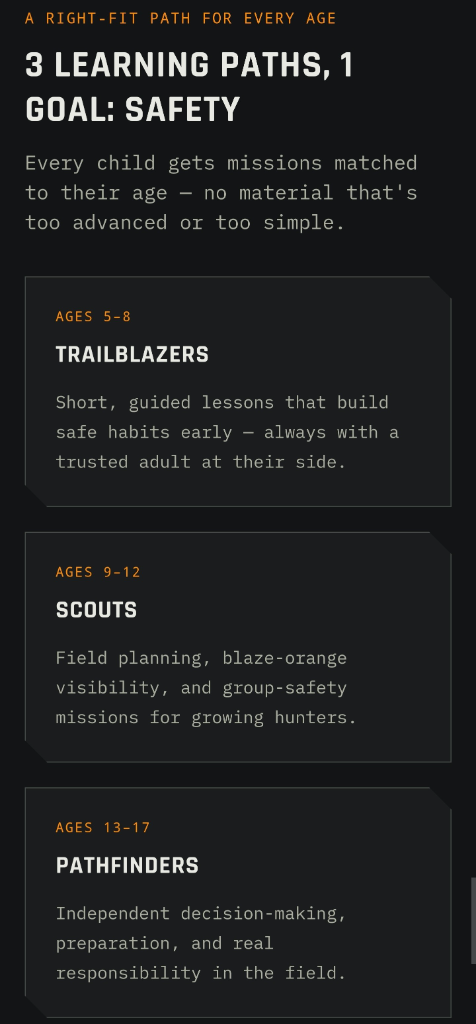
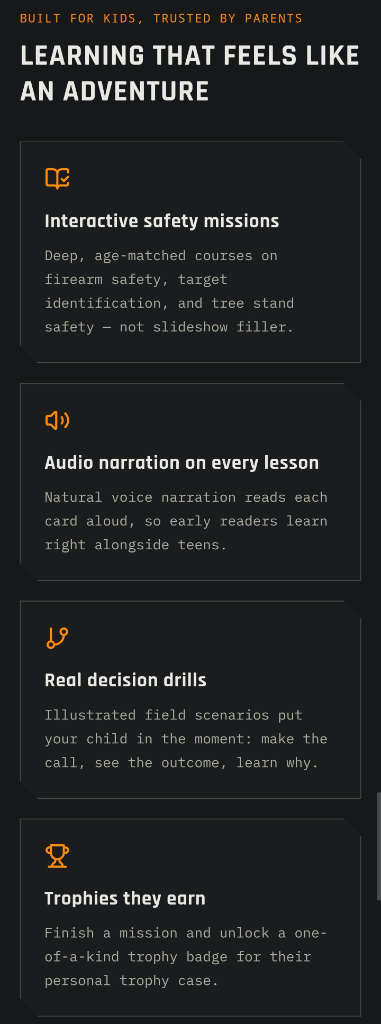
Raise a safe, confident young hunter.
Guide your kids ages 5–17 through interactive hunting safety missions, real decision drills, and earned trophies — all from one free parent account.
Bonus: every $10 you spend in the BHH shop earns a free seat (up to 5). Use them or share them.


- The Pre-Frontal Surge: When you see a rapid drop in barometric pressure (a change of .10 inches of mercury or more within a 6-hour window), plan to be on stand. This indicates a storm or significant front is pushing through. Deer will be on their feet feeding aggressively to 'beat the weather.'
- The Post-Frontal Lock: The most challenging time to hunt is often the middle of a high-pressure system that has sat over the area for 48 hours. If the pressure is high and stable, and the wind is stagnant, prioritize your to find the thickest, most secluded bedding areas rather than open food sources, as deer will be conserving energy.
Integrating Data into Your Strategy
To be an effective hunter, you must look at the convergence of factors. The best hunts occur when the photoperiod (the rut) aligns with a sharp barometric shift and a temperature drop. If you have a day where the barometer is falling rapidly, the temperature is dropping, and you are in the thick of the mid-November rut, ignore the lunar charts. Get to your stand early and stay late.
Always remember to check your to ensure you are following local regulations regarding specific season dates. While the biology remains consistent, the timing of the rut can shift slightly based on latitude. By combining the data-driven approach to weather with a deep understanding of your local terrain, you transform hunting from a guessing game into a calculated pursuit. Keep your gear ready, watch the pressure trends, and trust the science of the movement.
Join 796 hunters and anglers on Buckeye Hunter Hub — free.
Latest from the Community


Everything you need to hunt smarter — free
Buckeye Hunter Hub is a free, nationwide platform. Create an account and unlock the full toolkit:
Free Interactive Hunting Map
Mark stands, cameras, and sign. Draw hunting zones with public land & county overlays across all 50 states.
Zones with Group Sharing
Share zones with your hunting group, split property into sections, assign stands, and check in — all in one place.
50 States of Hunting Resources
Season dates, license links, and DNR regulations for every state, kept current so you never miss an opener.
Deer Movement Forecast
Data-driven daily movement predictions using wind, moon, and pressure — know when to sit before you go.
Waterfowl Movement & Tools
Flight-potential forecasts, migration numbers, decoy spread planner, and a full species field guide.
From the Maker Bench

SE Ohio Outdoors
Euro Mount Hook
Hand-built in the USA · $8.00
Shop the MakerFriend of BHH
Thinking about selling a rifle or an old family shotgun? Check up-to-date market pricing by make and model before you sell.
webuyguns.comShop This

StopBox Pro Ward | Wall-Mounted
$179.00$199.99

StopBox Pro Compact
$159.00$179.99

BHH Speckle Camo Hoodie
$53.36

BHH Blackwood Camo Hoodie
$53.36
E-Tag States
Harvest Tags
E-check means you supply the tag. Printed with the exact fields your state requires.
3-pack $22.95
More Articles
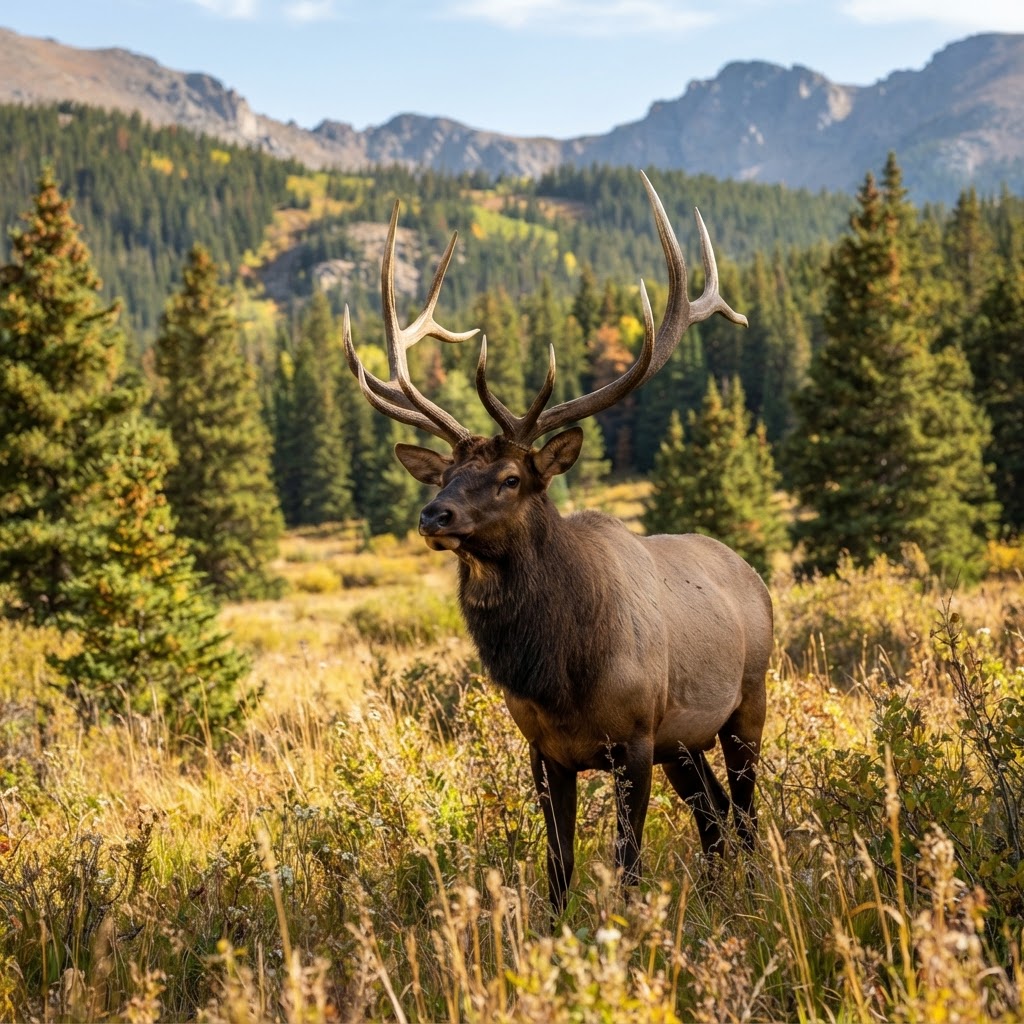
Chasing the Wapiti: A Comprehensive Guide to American Elk Hunting
From the high-alpine basins of the Rockies to the shadowed timber of the Pacific Northwest, hunting elk is the ultimate test for the modern woodsman. Master the biology, behavior, and tactical nuances required to fill your tag on this majestic North American giant.
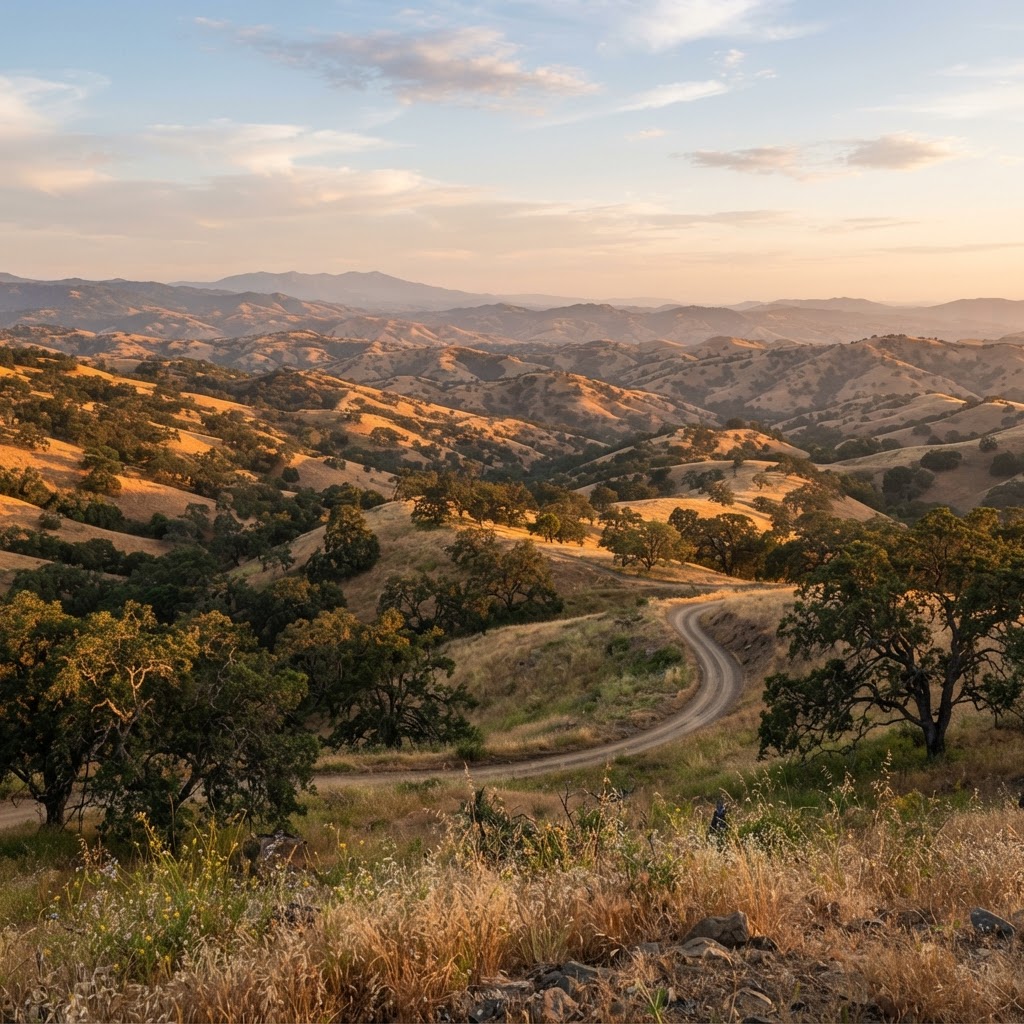
Golden State Pursuit: Navigating California’s Diverse Hunting Landscape
California offers an overlooked bounty for the persistent hunter. From high-alpine mule deer to coastal wild pig, here is your essential guide to navigating the complex terrain and regulations of the West Coast.

Choosing Your StopBox: Quick-Access Security for Every Hunter
Discover the right StopBox configuration for your lifestyle. From the versatile BOGO bundles to the wall-mounted Ward, we help you find the perfect fit.
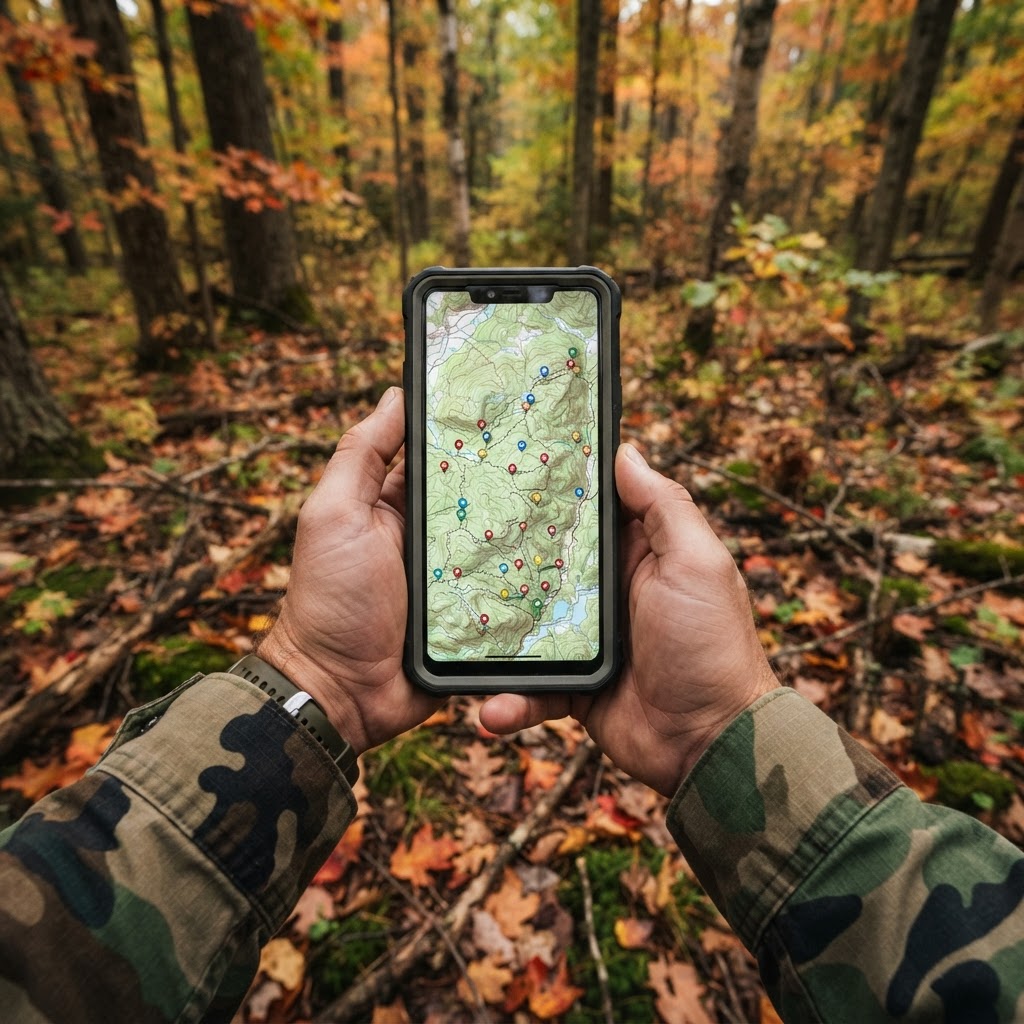
Digital Scouting Efficiency: Organizing Your Field Gear with BHH Interactive Maps
Take the guesswork out of your hunting season by learning how to digitally mark and manage your stands, blinds, and trail cameras using the Buckeye Hunter Hub interactive platform.