Best Barometric Pressure for Deer Hunting: What the Data Really Says
Understanding the Pressure Puzzle
For decades, hunters have obsessed over the barometer. You have likely heard the old adage: 'High pressure, high deer activity.' But does the data support this, or is it another classic piece of hunting folklore? At Buckeye Hunter Hub, we believe in basing our tactics on empirical data rather than campfire rumors. By looking at long-term GPS-collar studies and deer telemetry, we can finally define exactly how atmospheric pressure influences whitetail behavior.
Free hunting map, zones & 50-state resources
Save your spots, share zones with your group, and get deer & waterfowl movement forecasts — free.
The Science of Barometric Pressure
Barometric pressure is simply the weight of the atmosphere pressing down on the earth. Changes in this pressure are almost always tied to weather systems. High-pressure systems generally bring stable, clear, and cool air, while low-pressure systems typically signal incoming storms, rain, and warmer, unstable air.
Deer, like many mammals, are extremely sensitive to these shifts. Their internal equilibrium is tuned to changes in ambient conditions. When a significant drop in pressure occurs—often signaling an approaching cold front—whitetails sense the change in the air's density and the incoming weather. This is where the myth of 'deer move before a storm' originates. The reality, as revealed by , is that deer are reacting to the impending shift in weather, not the barometer reading itself.
The Truth About Cold Fronts and Movement
Telemetry data consistently shows that the most significant spikes in deer movement occur during the transition of a weather system rather than the steady state of a high-pressure system. A classic 'cold front' involves a rapid drop in barometric pressure followed by a sharp rise.
During this transition, deer often increase their forage intake to compensate for the metabolic demands of the pending weather shift. If you are sitting in the stand when the pressure is rapidly climbing behind a front, you are likely to see increased activity. However, once the pressure stabilizes at a very high point for several days, movement often reverts to a standard pattern—limited to dawn and dusk—rather than the 'all-day movement' hunters hope for.
Why Moon Phase Matters Less
There is a common misconception that the moon phase dictates movement. While some hunters swear by the lunar cycle, GPS telemetry suggests that moon phase is a weak, secondary factor compared to weather. While the moon does influence light levels, weather systems—specifically temperature and barometric shifts—act as much stronger catalysts. If you are planning your vacation around the rut, prioritize your dates based on photoperiod and historical data rather than lunar cycles. Weather is the final variable that turns a good day into a great one.
E-Tag States

Harvest Tags
E-check means you supply the tag. Printed with the exact fields your state requires.
3-pack $22.95
Actionable Thresholds for Hunters
So, what numbers should you watch? Research suggests that the most intense deer activity occurs when pressure is in the 30.00 to 30.40 inches of mercury range, specifically when that pressure is trending upward after a cold front.
- The Dip: When pressure drops significantly (below 29.80), activity often hits a lull as deer bed down to wait out the storm.
- The Rise: As the front clears and the needle moves from 29.90 back toward 30.20, that is your 'golden hour' for all-day activity.
- The Stability: Extremely high pressure (above 30.50) can sometimes suppress movement, as the stillness and clear skies can make deer feel more exposed during daylight hours.
Raise a safe, confident young hunter.
Guide your kids ages 5–17 through interactive hunting safety missions, real decision drills, and earned trophies — all from one free parent account.



Integrating Data into Your Hunt
Instead of checking the barometer in isolation, view it as part of a holistic environmental profile. Temperature swings are equally critical. A 20-degree drop in temperature is a much more reliable indicator of increased movement than a minor swing in pressure. When you combine a cooling trend with a rising barometer, you have the recipe for a high-odds hunt.
If you want to stay ahead of the game, check our to see how these localized weather patterns correlate with regional herd behavior. Remember, no amount of data can replace time in the field, but using these indicators will ensure that when you are in the stand, you are there when the data says the odds are in your favor.
Final Thoughts on Environmental Drivers
Ultimately, barometric pressure is just one piece of the complex puzzle that determines whitetail movement. Biology—driven by photoperiod and the biological urge to breed during the rut—will always supersede weather. However, in the early and late seasons, or during the 'lull' of the rut, weather patterns are the primary drivers of daylight movement.
Be patient, watch the trends, and focus on the fronts. If you find yourself needing to plan your next trip, consult to ensure you are up to date on your local regulations. By focusing on how deer interact with their environment rather than chasing superstitious indicators, you will become a more effective and consistent hunter.
Join 281 hunters and anglers on Buckeye Hunter Hub — free.
Latest from the Community


New drop
Fresh Buckeye Hunter Hub tees & hoodies


Everything you need to hunt smarter — free
Buckeye Hunter Hub is a free, nationwide platform. Create an account and unlock the full toolkit:
Free Interactive Hunting Map
Mark stands, cameras, and sign. Draw hunting zones with public land & county overlays across all 50 states.
Zones with Group Sharing
Share zones with your hunting group, split property into sections, assign stands, and check in — all in one place.
50 States of Hunting Resources
Season dates, license links, and DNR regulations for every state, kept current so you never miss an opener.
Deer Movement Forecast
Data-driven daily movement predictions using wind, moon, and pressure — know when to sit before you go.
Waterfowl Movement & Tools
Flight-potential forecasts, migration numbers, decoy spread planner, and a full species field guide.
From the Maker Bench

Taggart Outdoors
Padded Rifle Sling
Hand-built in the USA · $134.99
Shop the MakerNew drop
Fresh Buckeye Hunter Hub tees & hoodies
Shop This

StopBox Pro Ward | Wall-Mounted
$179.00$199.99

StopBox Pro Compact
$159.00$179.99

Buckeye Hunter Hub Tee — No Tag Left Behind
$20.55

Buckeye Hunter Hub Hoodie — No Tag Left Behind
$32.87
E-Tag States
Harvest Tags
E-check means you supply the tag. Printed with the exact fields your state requires.
3-pack $22.95
More Articles
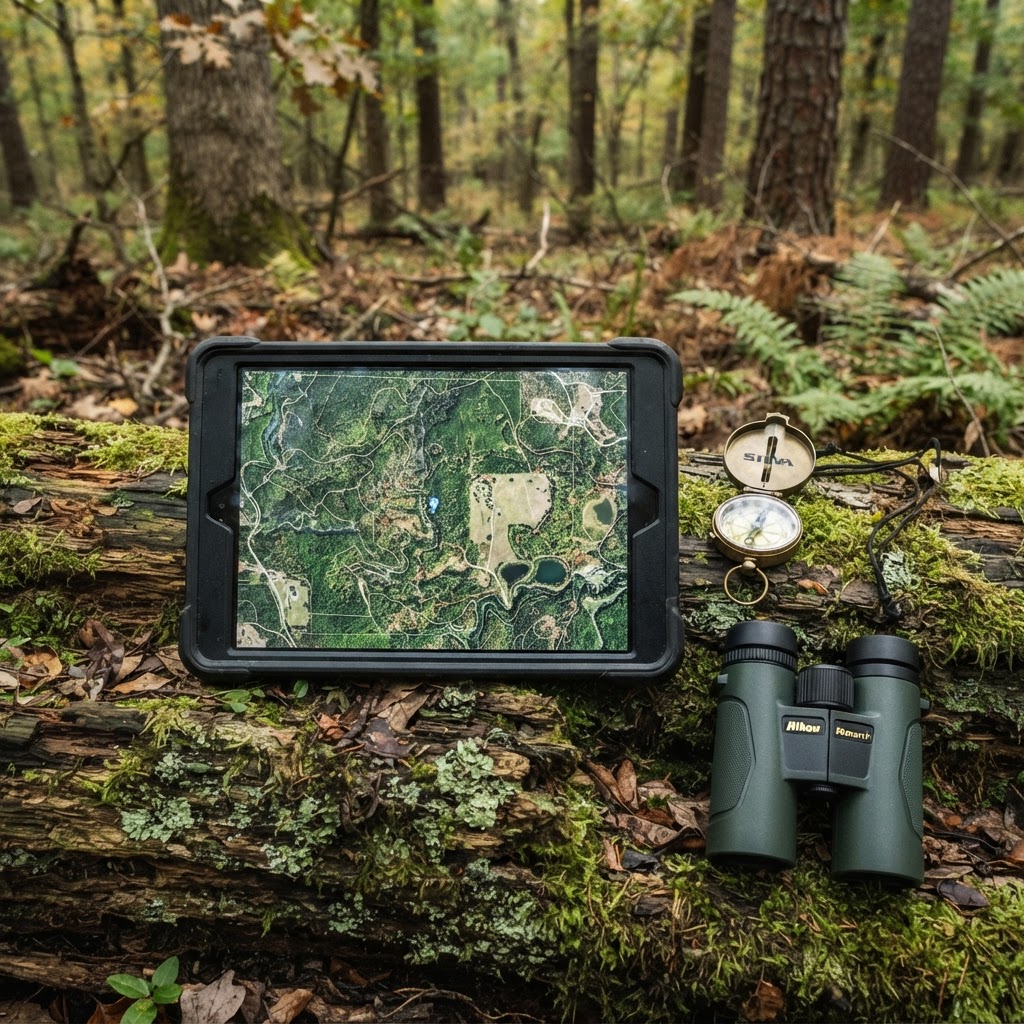
Optimizing Your Scouting: A Practical Approach to Waypoint Management
Transform your chaotic scouting notes into a streamlined digital strategy by mastering the waypoint features of the Buckeye Hunter Hub interactive map. Learn how to pinpoint your next harvest with surgical accuracy.
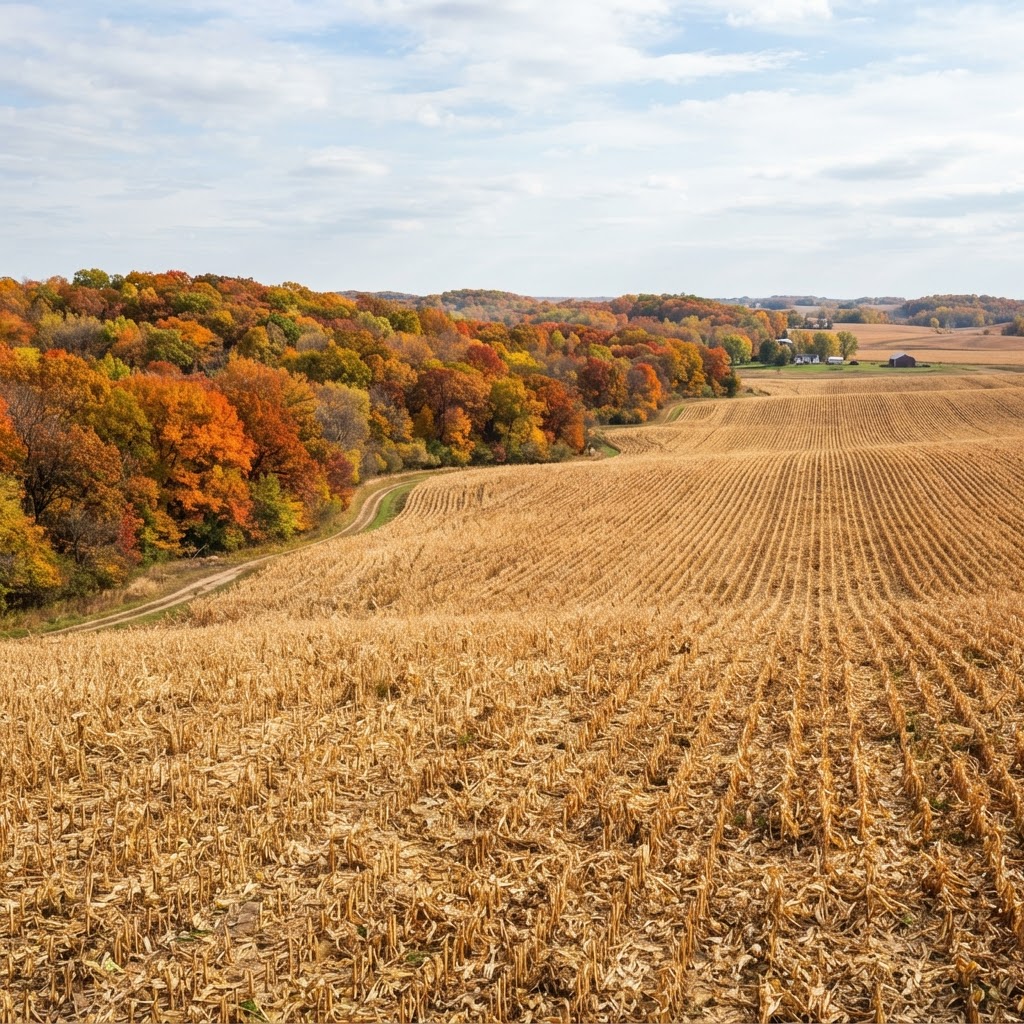
Cornfield Kingdom: Navigating Iowa’s Premier Public Land Opportunities
Iowa is more than just rolling farmland; it is a legendary destination for public land hunters willing to put in the work. Learn how to unlock the Hawkeye State’s best kept secrets.
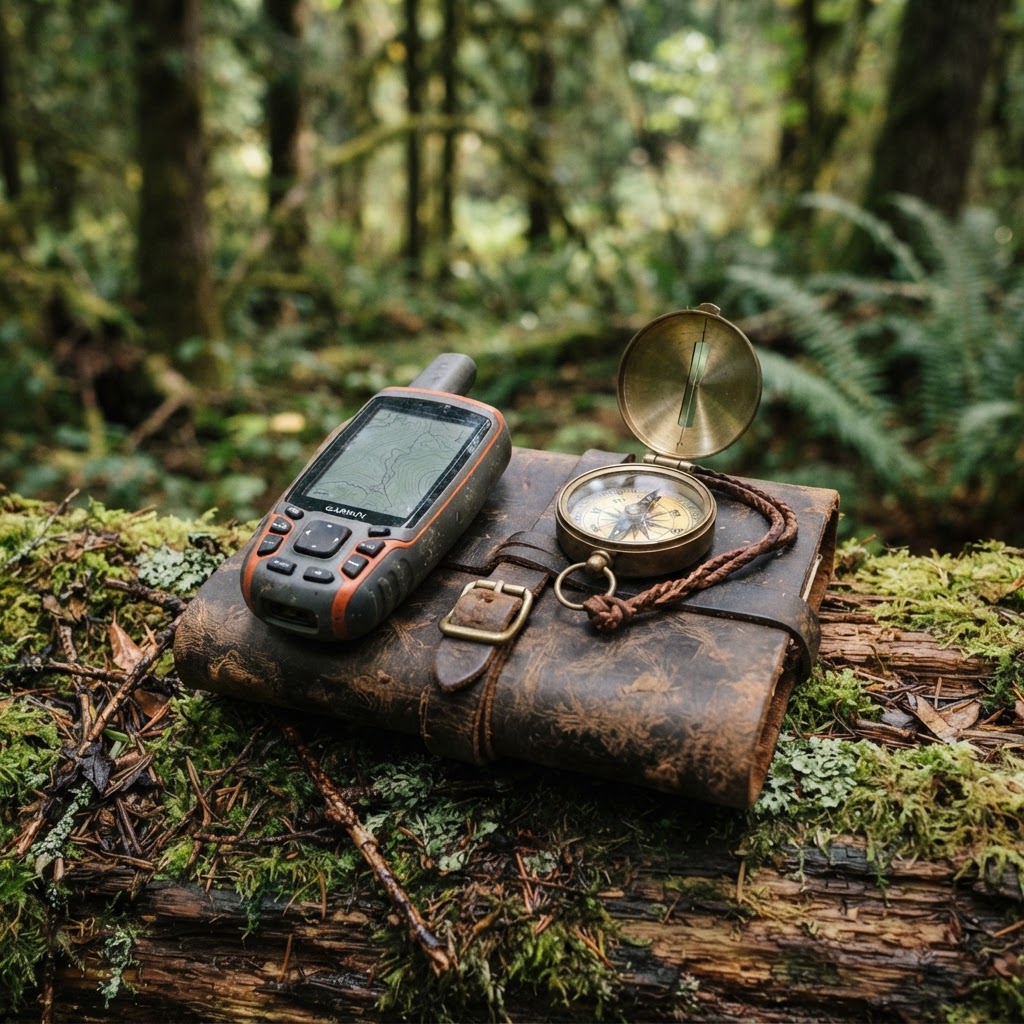
Precision Scouting: Mapping Your Setup for a More Efficient Season
Stop wandering the woods aimlessly and start hunting with purpose by mastering waypoint management for your gear and observations.
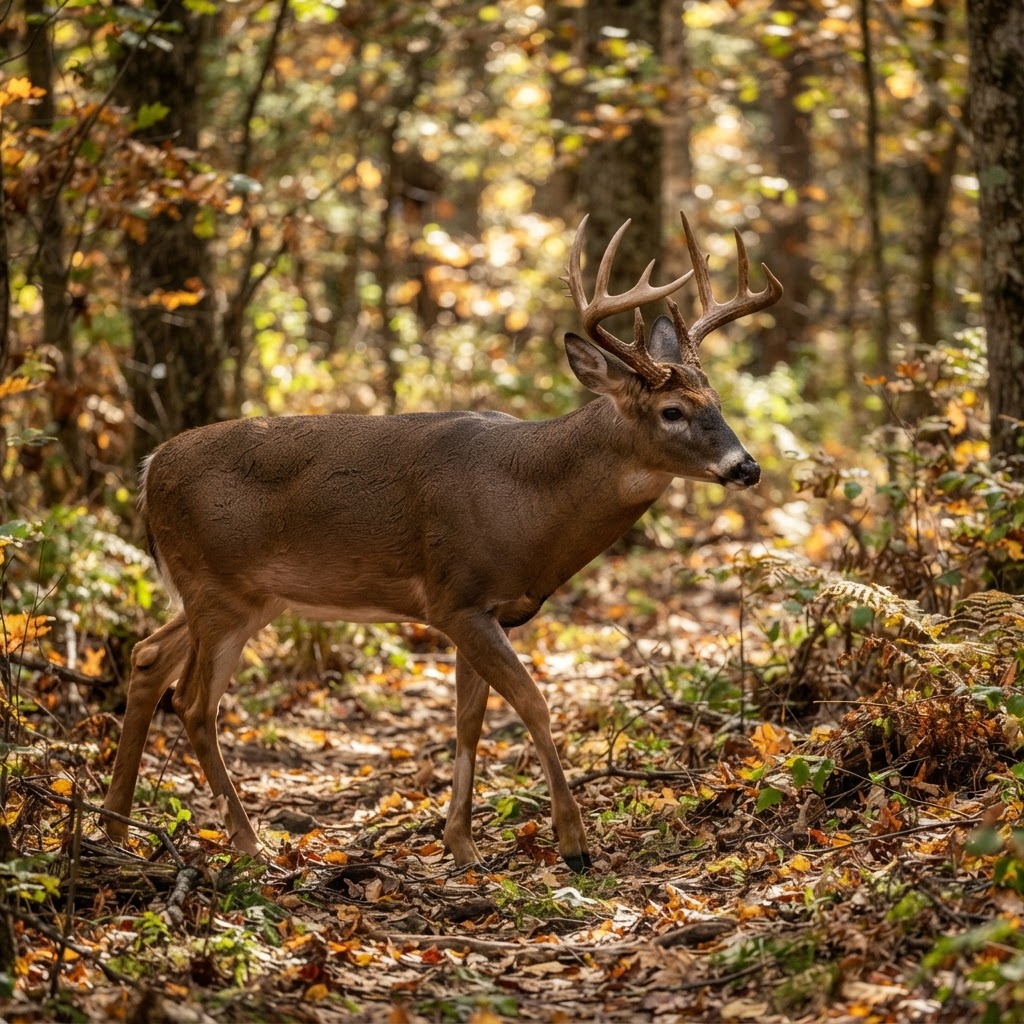
Data-Driven Scouting: Leveraging AI for Intelligent Deer Analysis
Tired of sorting through thousands of empty trail camera frames? Discover how to use automated AI analysis to pinpoint deer movement, categorize bucks, and reclaim your scouting time.