Best Barometric Pressure for Deer Hunting: What the Data Really Says

Decoding the Barometric Pressure Myth
For decades, hunters have sworn by the 'golden rule' of deer movement: when the barometer rises, the deer rise. But does modern telemetry data support this, or is it just another piece of deer camp lore? As hunters, we are constantly searching for the 'silver bullet'—the one metric that predicts exactly when a buck will step out of the brush. While barometric pressure is undeniably a factor, it is only a single gear in a much larger, complex machine.
Free hunting map, zones & 50-state resources
Save your spots, share zones with your group, and get deer & waterfowl movement forecasts — free.
At Buckeye Hunter Hub, we believe in basing our tactics on evidence. When you look at , you realize that deer aren't 'weather stations' reacting solely to the weight of the air. Instead, they are reactionary survivors responding to immediate physiological stressors and environmental shifts.
Understanding Barometric Pressure
Barometric pressure is the measurement of the weight of the atmosphere. Standard pressure is roughly 29.92 inches of mercury. When a high-pressure system moves in, skies typically clear, and temperatures drop—conditions that we often associate with increased movement. Conversely, a low-pressure system is usually accompanied by clouds, precipitation, and warmer temperatures.
From a biological standpoint, deer are sensitive to these changes because they herald the arrival of new weather. However, the data suggests that deer movement is more strongly correlated with the transition between these pressure systems rather than the static number on your gauge. When a cold front pushes a low-pressure system out and brings in a high-pressure ridge, the resulting 'pressure drop' and subsequent stabilization is when you see the highest spikes in activity. This is the classic post-frontal movement that seasoned hunters cherish.
The Hierarchy of Movement Drivers
If barometric pressure is a factor, where does it rank? To hunt effectively, you must prioritize your planning based on the hierarchy of survival:
- Photoperiod & Rut Timing: Nothing trumps the biological clock. The photoperiod (the amount of daylight) is the primary trigger for the rut. Regardless of whether the pressure is high or low, a buck in the middle of the rut will move.
- Temperature Swings: Deer are ruminants. They are sensitive to thermal regulation. A rapid drop in temperature is a much stronger driver than a steady pressure reading because it signals a need to feed to maintain metabolic heat.
- Wind Speed & Direction: Deer rely on their nose above all else. High winds make them feel vulnerable because their primary defense mechanism—their hearing—is compromised.
- Barometric Pressure: A secondary trigger that serves as a precursor to weather changes.
- Moon Phase: Often discussed, but telemetry studies consistently show it is a weak indicator at best. A hunter who ignores the weather to hunt based solely on the moon is doing themselves a disservice.
E-Tag States

Harvest Tags
E-check means you supply the tag. Printed with the exact fields your state requires.
3-pack $22.95
Actionable Thresholds for Your Next Hunt
Instead of staring at a static barometric number, look for the 'pressure trend.' Your goal is to identify the 'active window,' which typically occurs in the 24-48 hours immediately following the passage of a front. When the barometer is on a steady, rapid rise, that is your green light.
Furthermore, utilize our to synthesize these variables. We look at the interplay of temperature, wind, and pressure to provide a more holistic view of when deer are likely to be on their feet.
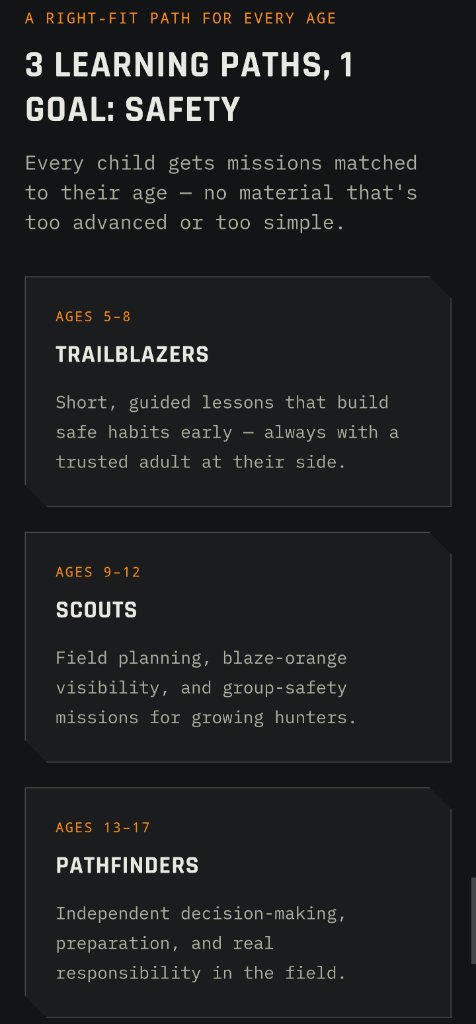
Raise a safe, confident young hunter.
Guide your kids ages 5–17 through interactive hunting safety missions, real decision drills, and earned trophies — all from one free parent account.



The Rut vs. Non-Rut Context
It is important to remember that 'best' is contextual. During the early season, movement is dictated by food and water; during the rut, it is dictated by search-and-chase behavior. A high-pressure system in October might result in excellent evening movement as deer feed to prepare for the coming cold. During the rut, however, a low-pressure system right before a major cold snap can trigger a 'pre-frontal' feeding frenzy that hunters should never miss.
Final Thoughts: Focus on the Fundamentals
Weather and barometric pressure are excellent tools for narrowing down your time in the stand, but they cannot replace time spent scouting and understanding your local terrain. Use the pressure trends to decide which day to hunt, but use your and field observations to decide where to hunt.
Stop looking for a magic number and start looking for the convergence of variables. When the pressure is rising, the temperature is falling, and the rut is approaching its peak, you don't need a barometer to tell you it's time to be in the woods—the intensity of the season will speak for itself.
Join 331 hunters and anglers on Buckeye Hunter Hub — free.
Latest from the Community
The hunt
Posted
The hunt
Jesse O · 2h ago

Trophy
2021 Spring Turkey
Richard Taggart · 6h ago

Trophy
2025 Spring Turkey
Richard Taggart · 10h ago

Trophy
2025 Buck… A Buck named King
fsufootball55 · 10h ago

Posted
Western hunting units map layer
Admin Josh · 11h ago

Posted
Rifle Slings and Leather Goods
Richard Taggart · 14h ago
New drop
Fresh Buckeye Hunter Hub tees & hoodies


Everything you need to hunt smarter — free
Buckeye Hunter Hub is a free, nationwide platform. Create an account and unlock the full toolkit:
Free Interactive Hunting Map
Mark stands, cameras, and sign. Draw hunting zones with public land & county overlays across all 50 states.
Zones with Group Sharing
Share zones with your hunting group, split property into sections, assign stands, and check in — all in one place.
50 States of Hunting Resources
Season dates, license links, and DNR regulations for every state, kept current so you never miss an opener.
Deer Movement Forecast
Data-driven daily movement predictions using wind, moon, and pressure — know when to sit before you go.
Waterfowl Movement & Tools
Flight-potential forecasts, migration numbers, decoy spread planner, and a full species field guide.
From the Maker Bench

Taggart Outdoors
Padded Rifle Sling
Hand-built in the USA · $134.99
Shop the MakerNew drop
Fresh Buckeye Hunter Hub tees & hoodies
Shop This

StopBox Pro Ward | Wall-Mounted
$179.00$199.99

StopBox Pro Compact
$159.00$179.99

Buckeye Hunter Hub Tee — Riding Shotgun
$20.55

Buckeye Hunter Hub Hoodie — Riding Shotgun
$32.87
E-Tag States
Harvest Tags
E-check means you supply the tag. Printed with the exact fields your state requires.
3-pack $22.95
More Articles
Digital Heritage: Bringing the Marsh and Field to Your Screen with Hunter-Centric Art
Upgrade your digital workspace with our new retro-style wildlife wallpapers, featuring the iconic species that define our time spent in the blind and the timber.
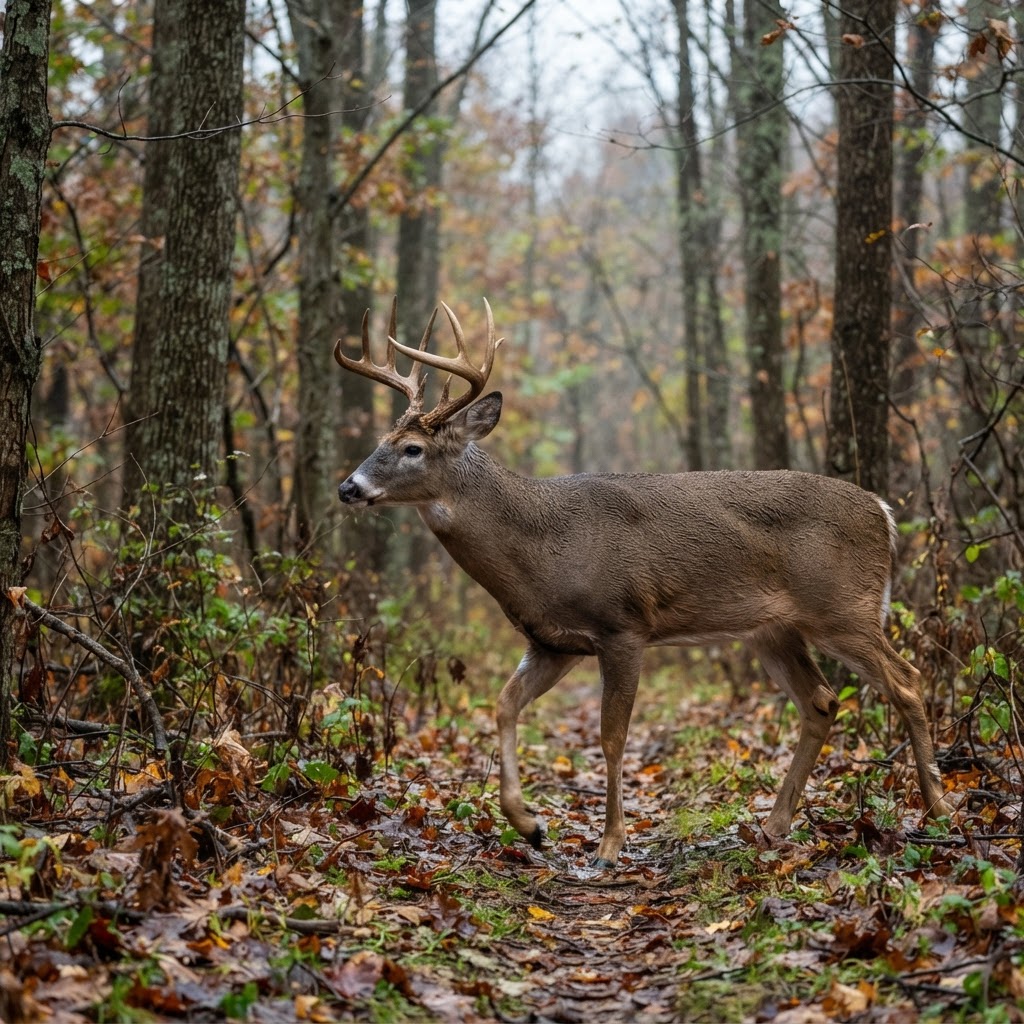
Best Barometric Pressure for Deer Hunting: What the Data Really Says
Move beyond the myths and understand how atmospheric pressure actually influences whitetail movement based on modern telemetry data.
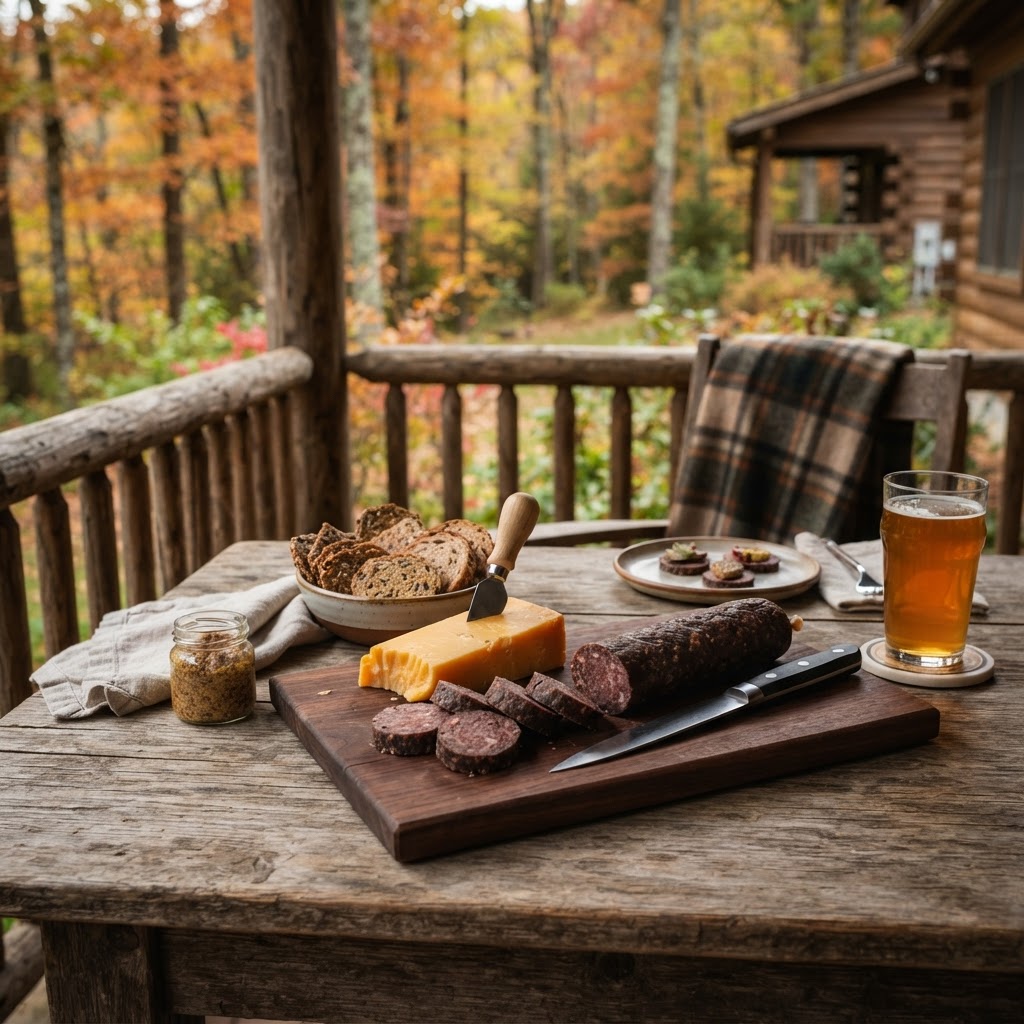
Crafting Perfection: A Guide to Homemade Venison Summer Sausage
Turn your hard-earned harvest into a kitchen staple with this step-by-step guide to making professional-grade venison summer sausage at home.

Lessons From My First Ram: A Big Game Hunting Memoir
Looking back on my first ram hunt in Colorado, I share the challenges of my youth and the lessons that defined my path as a hunter.