Best Barometric Pressure for Deer Hunting: What the Data Really Says
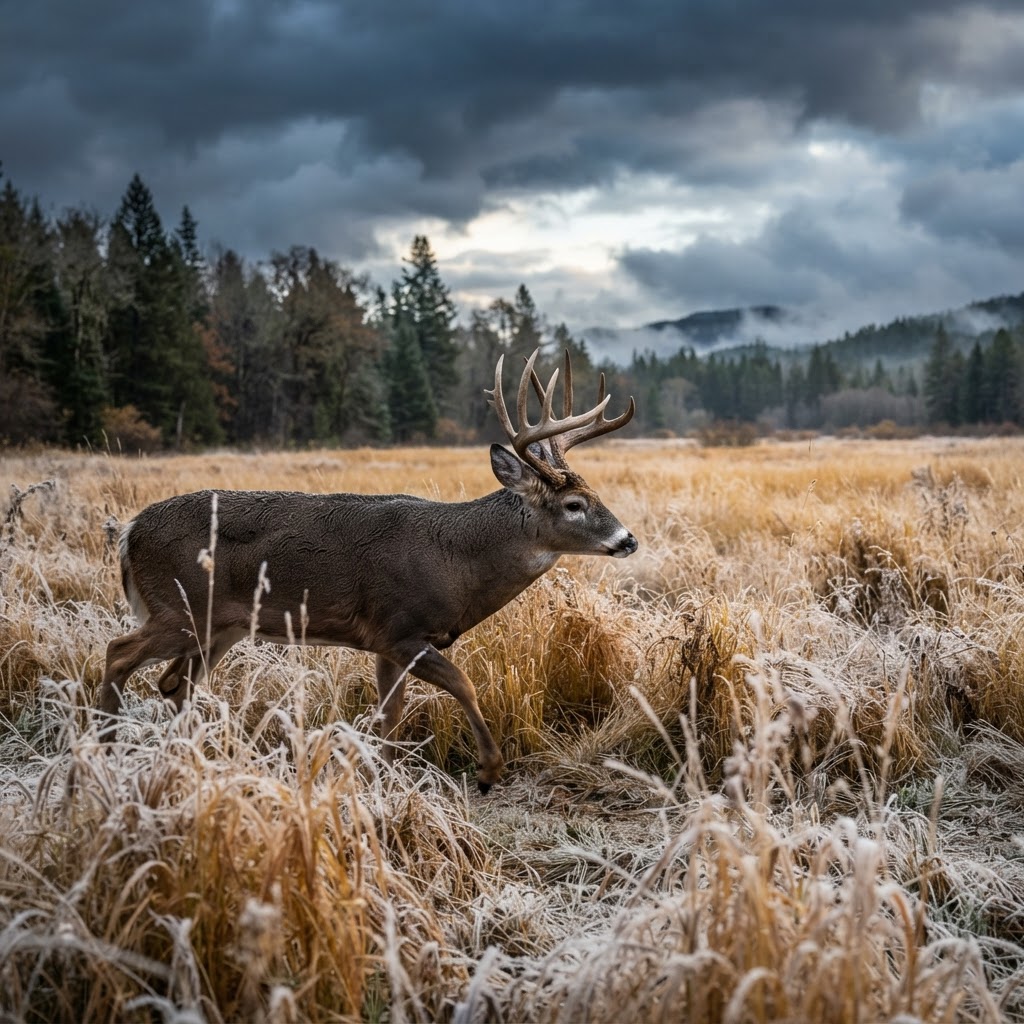
Understanding the Pressure Equation
For decades, hunters have obsessed over the barometer. The age-old adage suggests that deer move best when the pressure is falling or rising rapidly, typically associated with the passage of a cold front. But does the data support this, or is it just another piece of hunting folklore? At Buckeye Hunter Hub, we believe in prioritizing over anecdotal superstitions. By analyzing telemetry data from GPS-collared whitetails across the U.S., we can finally put the 'barometric pressure' debate into a factual framework.
Free hunting map, zones & 50-state resources
Save your spots, share zones with your group, and get deer & waterfowl movement forecasts — free.
The Biology of Barometric Pressure
Barometric pressure is essentially the weight of the atmosphere pressing down on the earth. Whitetails, like many ungulates, possess a heightened sensitivity to these atmospheric changes. Research indicates that deer are highly attuned to weather shifts because their survival depends on anticipating environmental stress. A significant drop in pressure often signals an incoming storm system, prompting deer to feed heavily before hunkering down to survive the inclement weather. Conversely, as a high-pressure system settles in post-front, deer movement often spikes as they resume normal foraging patterns after being bedded for extended periods.
However, it is crucial to understand that pressure is just one variable. When you view movement patterns through our , you see that while pressure acts as a trigger, it rarely operates in a vacuum.
The Hierarchy of Movement Drivers
If barometric pressure is a dial, then photoperiod and temperature are the foundation. Telemetry studies confirm that whitetail movement is driven by a hierarchy of needs:
- Photoperiod (The Rut): Nothing influences movement more than the changing length of daylight. During the rut, hormonal changes override almost every weather variable. A deer will chase a doe through a mid-day heat wave if the breeding drive is strong enough.
- Temperature: Deer are highly thermoregulatory-sensitive. When temperatures deviate significantly from the seasonal norm, you will see a corresponding spike in daytime movement. In early season, this means looking for the cool of the evening; in late season, it means hunting the peak warmth of the afternoon sun.
- Barometric Pressure & Weather Fronts: This is the 'modifier.' A falling barometer ahead of a cold front is the ideal scenario for the hunter, as it pushes deer to pack on calories before the drop in temperature hits.
Debunking the Moon Phase Myth
One of the most persistent myths in the whitetail woods is the obsession with moon phase. While many hunters structure their entire year around the solunar tables, peer-reviewed telemetry data shows a negligible correlation between lunar cycles and deer movement. While minor crepuscular feeding spikes occur, they are far more influenced by light intensity and cloud cover than by the moon's gravitational pull. If you are choosing your vacation days solely based on the moon, you are likely missing out on the better opportunities provided by cold fronts and seasonal temperature swings.
Washington · E-Tag State

Washington Harvest Tags
E-check means you supply the tag. Printed with the exact fields Washington requires.
3-pack $22.95
Actionable Thresholds for the Modern Hunter
To effectively use barometric pressure, stop looking for a 'magic number' and start looking for 'delta'—the rate of change. A stable barometric pressure of 30.00 inHg often results in standard, predictable behavior. However, a rapid drop of 0.10 to 0.20 inHg over a six-hour period is a distinct biological cue.
How to Hunt the Pressure
Raise a safe, confident young hunter.
Guide your kids ages 5–17 through interactive hunting safety missions, real decision drills, and earned trophies — all from one free parent account.


- The Pre-Front Spike: When the barometer begins to slide, head to high-calorie food sources. The deer know the weather is turning and will prioritize gut-filling before the front arrives.
- The Post-Front Clear-Out: Once the front has passed and the barometer starts to climb, wait for the winds to shift. The air becomes crisp, and the clearing skies provide the perfect environment for deer to move through their transition zones to re-establish their patterns.
- Temperature Swings: Always cross-reference your pressure data with the regional forecast. A drop in pressure combined with a 15-degree dip in temperature is the 'Holy Grail' of whitetail hunting conditions.
Conclusion: Focus on the Big Picture
Data-driven hunting requires us to be more clinical in our approach. While tracking the barometer can give you an edge in timing your sits, it should never replace sound scouting and an understanding of local habitat. When you combine your knowledge of weather triggers with , you can pinpoint exactly where those deer are heading when the pressure shifts. Remember, the best hunter isn't the one who waits for the 'perfect' barometer reading; it’s the one who understands how to hunt the conditions, whatever they may be. For more deep dives into the mechanics of whitetail behavior, explore .
Join 292 hunters and anglers on Buckeye Hunter Hub — free.
Latest from the Community


New drop
Fresh Buckeye Hunter Hub tees & hoodies


Everything you need to hunt smarter — free
Buckeye Hunter Hub is a free, nationwide platform. Create an account and unlock the full toolkit:
Free Interactive Hunting Map
Mark stands, cameras, and sign. Draw hunting zones with public land & county overlays across all 50 states.
Zones with Group Sharing
Share zones with your hunting group, split property into sections, assign stands, and check in — all in one place.
50 States of Hunting Resources
Season dates, license links, and DNR regulations for every state, kept current so you never miss an opener.
Deer Movement Forecast
Data-driven daily movement predictions using wind, moon, and pressure — know when to sit before you go.
Waterfowl Movement & Tools
Flight-potential forecasts, migration numbers, decoy spread planner, and a full species field guide.
From the Maker Bench

Taggart Outdoors
Padded Rifle Sling
Hand-built in the USA · $134.99
Shop the MakerNew drop
Fresh Buckeye Hunter Hub tees & hoodies
Shop This

StopBox Pro Ward | Wall-Mounted
$179.00$199.99

StopBox Pro Compact
$159.00$179.99

Buckeye Hunter Hub Tee — No Tag Left Behind
$20.55

Buckeye Hunter Hub Hoodie — No Tag Left Behind
$32.87
E-Tag States

Harvest Tags
E-check means you supply the tag. Printed with the exact fields your state requires.
3-pack $22.95
More Articles
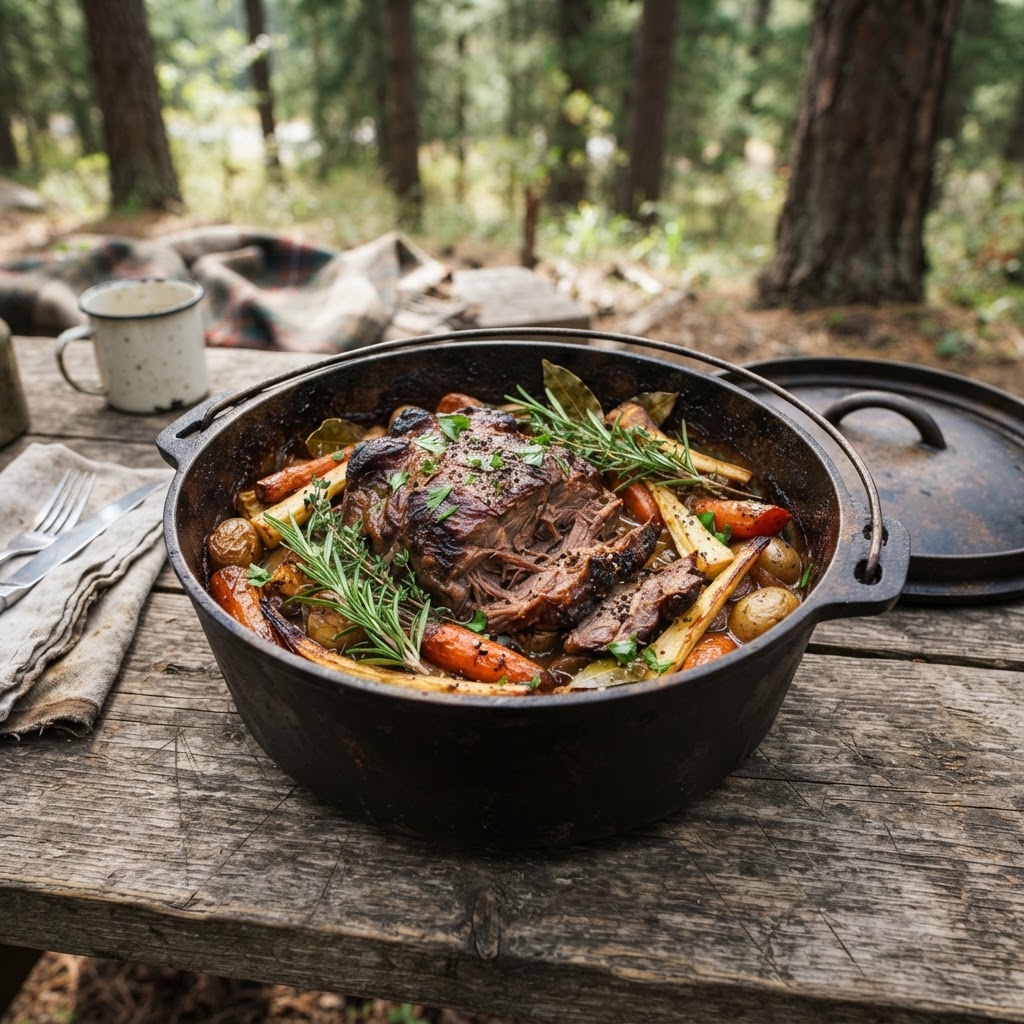
Field to Table: Mastering the Slow-Roasted Bear and Root Vegetables
Transform your fall harvest into a rustic masterpiece with this foolproof bear roast recipe that highlights the richness of wild-harvested meat.
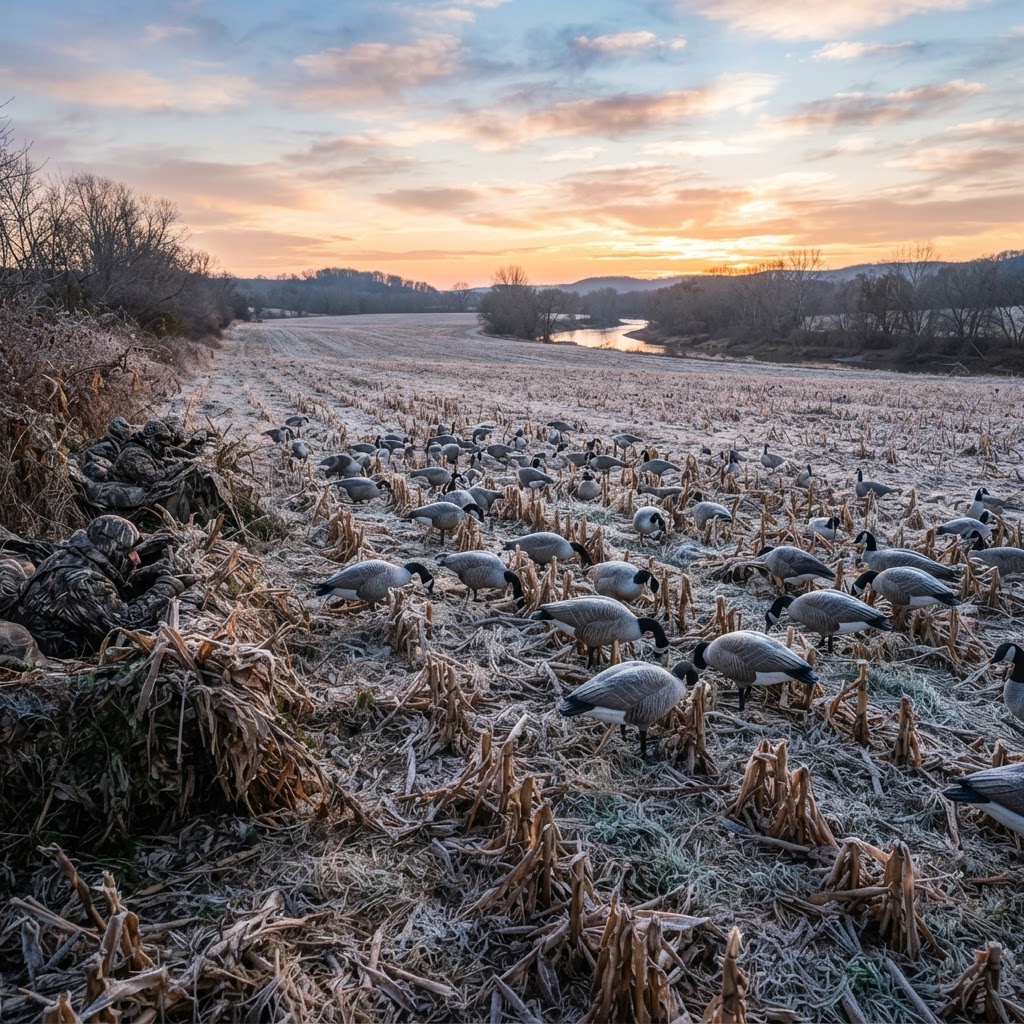
Mastering the Migration: Strategic Canada Goose Tactics for Dry Fields
Success in the dry field hinges on reading the barometer, perfect concealment, and creating a realistic landing pocket. Unlock the secrets to consistent honker harvests with these advanced field tactics.
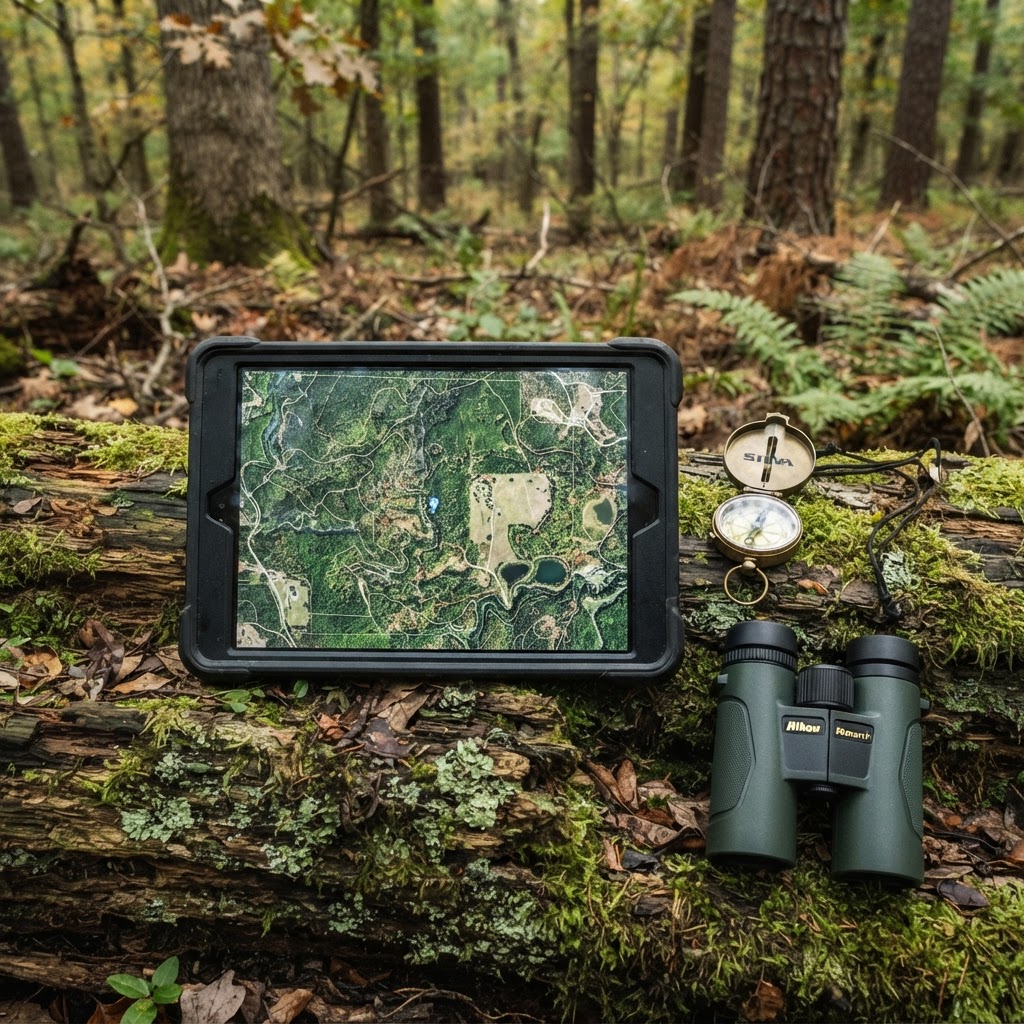
Optimizing Your Scouting: A Practical Approach to Waypoint Management
Transform your chaotic scouting notes into a streamlined digital strategy by mastering the waypoint features of the Buckeye Hunter Hub interactive map. Learn how to pinpoint your next harvest with surgical accuracy.
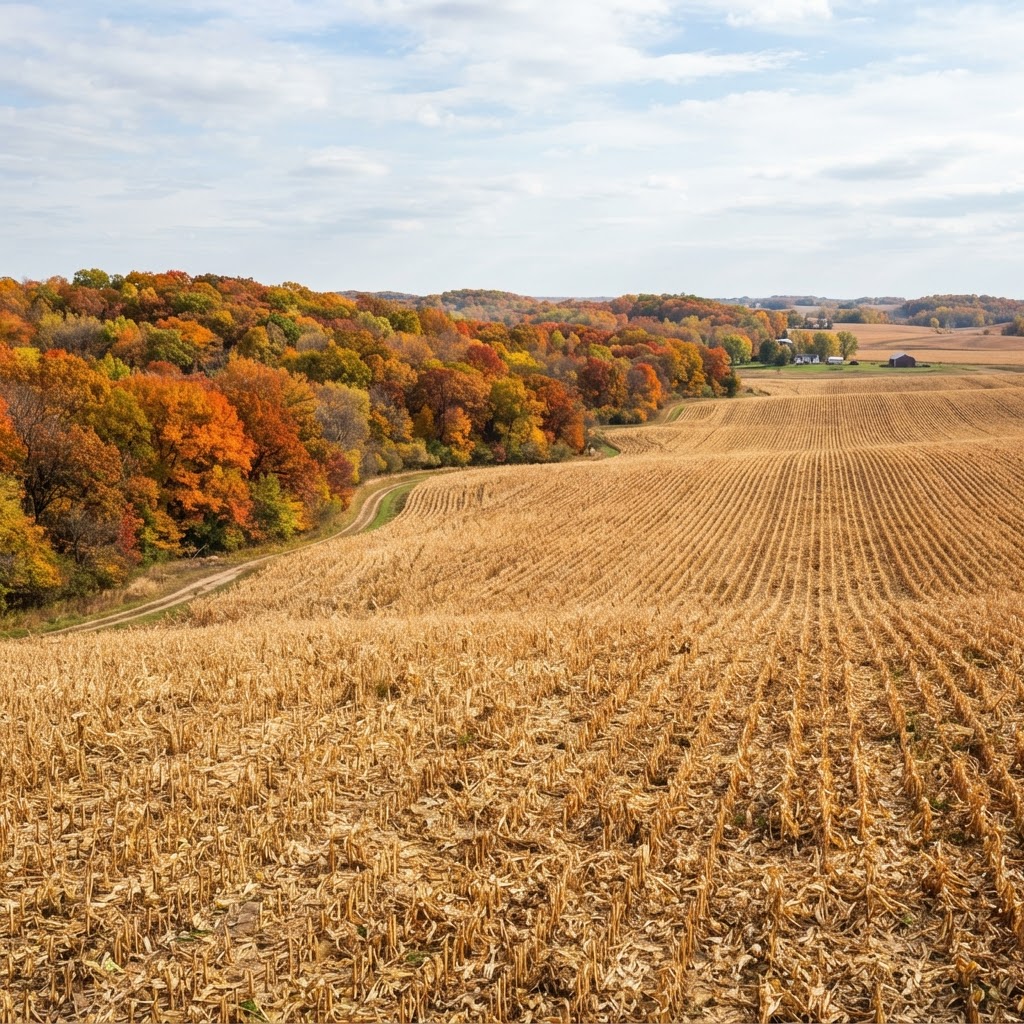
Cornfield Kingdom: Navigating Iowa’s Premier Public Land Opportunities
Iowa is more than just rolling farmland; it is a legendary destination for public land hunters willing to put in the work. Learn how to unlock the Hawkeye State’s best kept secrets.