Best Barometric Pressure for Deer Hunting: What the Data Really Says
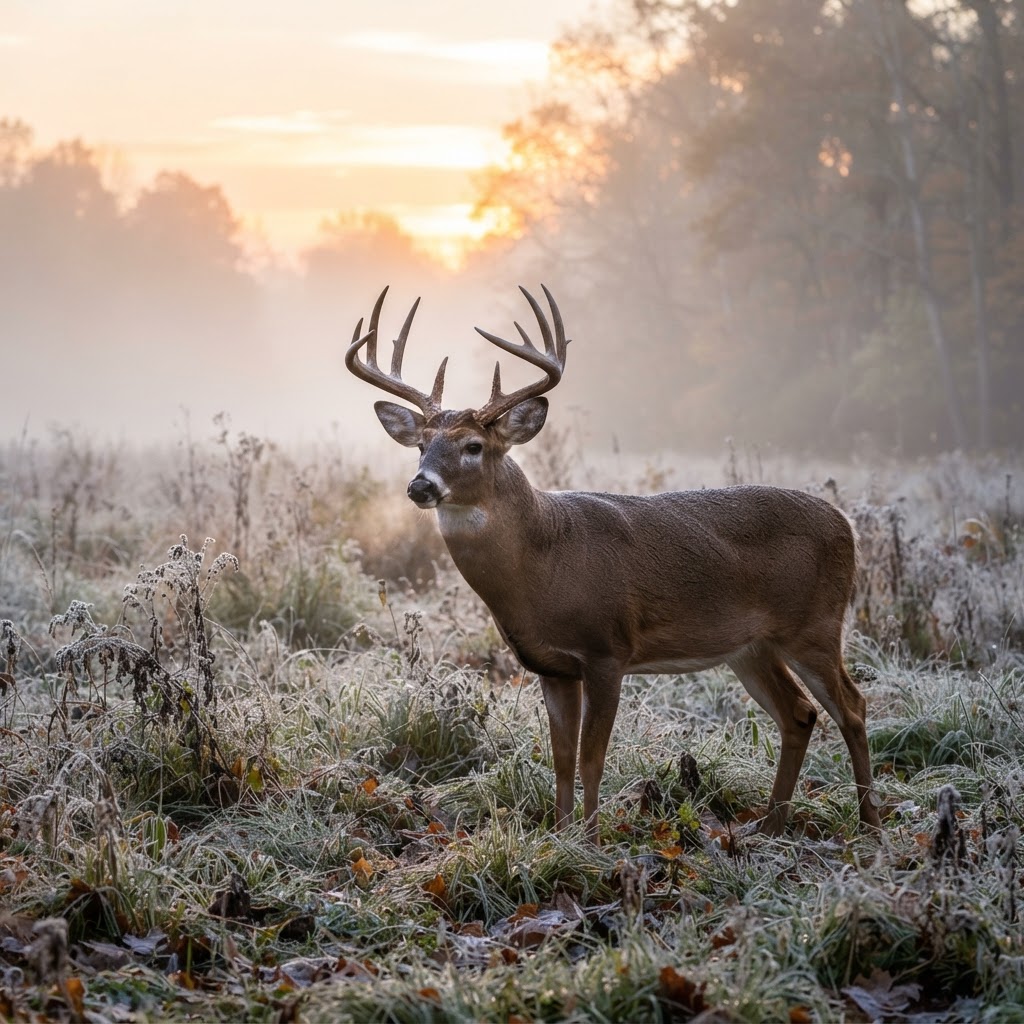
The Science of Pressure: Why Deer Respond to the Barometer
For decades, veteran hunters have sworn by the barometer. You have heard the old adage: 'High and rising, deer are rising.' But does modern science actually support the idea that barometric pressure triggers whitetail movement, or is it merely a byproduct of the weather systems that actually drive them? When we analyze telemetry data from GPS-collared deer, the reality is far more nuanced than simple anecdotal wisdom.
Free hunting map, zones & 50-state resources
Save your spots, share zones with your group, and get deer & waterfowl movement forecasts — free.
Barometric pressure is essentially the weight of the air pressing down on the earth. Deer, like many mammals, are acutely sensitive to shifts in this pressure because it serves as an early warning system for incoming weather fronts. When pressure drops rapidly—often preceding a cold front—it signals an atmospheric shift that deer have evolved to interpret as an impending change in environmental conditions. Understanding how this correlates with movement is a foundational element of .
The Role of Cold Fronts vs. Static Pressure
It is critical to distinguish between a specific millibar reading and the change in pressure. Deer are creatures of habit, but they are also creatures of survival. Their movement is driven by the need for caloric intake and reproductive necessity, both of which are heavily mediated by thermal regulation.
When a strong cold front approaches, we see a distinct 'pre-frontal' movement window. As the barometer begins to fall, deer often become more active, feeding heavily before the impending storm. Once the front hits and the pressure begins to bottom out, movement often stalls. However, the 'post-frontal' period—where the pressure is rapidly rising and the air clears—is historically the most productive window for hunters. This is because the clearing sky and rising pressure often coincide with a drop in temperature, forcing deer to move to replenish energy stores spent during the wind and precipitation of the storm.
The Hierarchy of Movement Drivers
If you want to be a more efficient hunter, you must understand where barometric pressure fits in the hierarchy of movement drivers. It is rarely the primary mover. Instead, consider this hierarchy:
E-Tag States

Harvest Tags
E-check means you supply the tag. Printed with the exact fields your state requires.
3-pack $22.95
- Photoperiod & Rut Timing: Nothing overrides the biological clock. The rut is the singular biggest driver of daylight activity, regardless of the weather.
- Thermal Regulation: If it is 75 degrees in November, deer movement will be suppressed regardless of what the barometer says. Deer move when they can stay within their comfort zone.
- Weather Shifts (Fronts): This is where pressure comes in. Fronts drive shifts in temperature and wind, which force deer to adapt.
- Moon Phase: Despite popular belief, peer-reviewed telemetry studies consistently show that the moon phase is a negligible, secondary factor at best. Do not let the 'moon chart' dictate your vacation days.
Actionable Takeaways for Your Hunt
So, how do you apply this to your time in the stand? First, stop chasing a 'magic number.' A barometric pressure of 30.00 inHg isn't inherently better than 29.80 inHg. Instead, focus on the trend. You are looking for the 'rebound' period after a low-pressure system passes. When the barometer starts to tick upward and the winds shift from the south to the north or northwest, that is your window of opportunity.
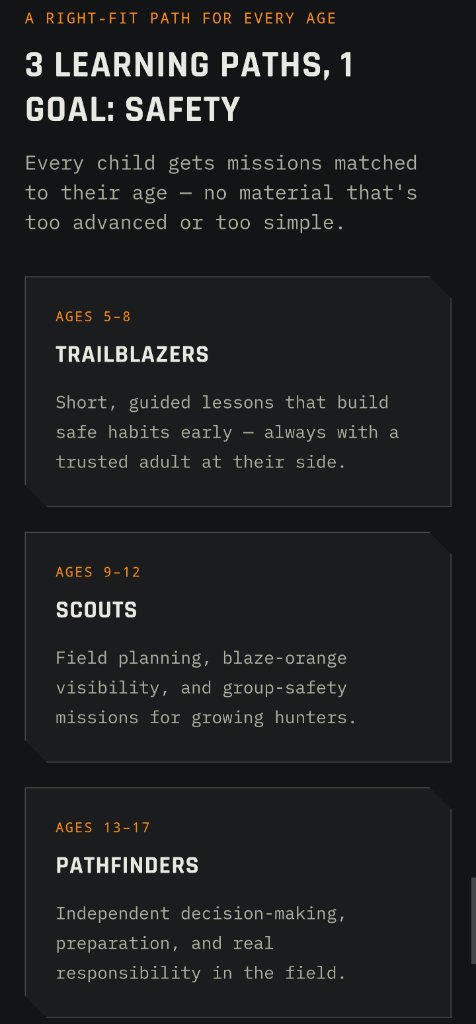
Raise a safe, confident young hunter.
Guide your kids ages 5–17 through interactive hunting safety missions, real decision drills, and earned trophies — all from one free parent account.



Furthermore, use our to synthesize these variables. We pull localized weather data to help you determine if the incoming front is strong enough to suppress or stimulate local activity. Pair this with a check of to ensure you are hunting during the peak of the rut for your region, as no amount of barometric pressure will overcome a late-season lethargic deer during the winter slump.
Final Thoughts on Weather-Driven Hunting
While the barometer is a powerful tool in your analytical arsenal, it should never be the sole reason you decide to stay home or head to the woods. The best time to hunt is almost always when you have the time to hunt. However, if you are looking to maximize your limited time in the field, prioritizing the 24-to-48-hour window following a cold front remains the highest-percentage strategy based on modern wildlife biology. Keep your equipment ready, stay flexible with your stand locations based on wind, and let the data be your guide.
Join 327 hunters and anglers on Buckeye Hunter Hub — free.
Latest from the Community

Trophy
2025 Spring Turkey
Richard Taggart · 5h ago

Trophy
2025 Buck… A Buck named King
fsufootball55 · 5h ago

Posted
Western hunting units map layer
Admin Josh · 5h ago

Posted
Rifle Slings and Leather Goods
Richard Taggart · 8h ago
Fort Sill Oklahoma On post hunting Rules and bag limits
Posted
Fort Sill Oklahoma On post hunting Rules and bag limits
Keith Bennett · 16h ago
scouting
Posted
scouting
Josh · 18h ago
New drop
Fresh Buckeye Hunter Hub tees & hoodies


Everything you need to hunt smarter — free
Buckeye Hunter Hub is a free, nationwide platform. Create an account and unlock the full toolkit:
Free Interactive Hunting Map
Mark stands, cameras, and sign. Draw hunting zones with public land & county overlays across all 50 states.
Zones with Group Sharing
Share zones with your hunting group, split property into sections, assign stands, and check in — all in one place.
50 States of Hunting Resources
Season dates, license links, and DNR regulations for every state, kept current so you never miss an opener.
Deer Movement Forecast
Data-driven daily movement predictions using wind, moon, and pressure — know when to sit before you go.
Waterfowl Movement & Tools
Flight-potential forecasts, migration numbers, decoy spread planner, and a full species field guide.
From the Maker Bench

Taggart Outdoors
Padded Rifle Sling
Hand-built in the USA · $134.99
Shop the MakerNew drop
Fresh Buckeye Hunter Hub tees & hoodies
Shop This

StopBox Pro Ward | Wall-Mounted
$179.00$199.99

StopBox Pro Compact
$159.00$179.99

Buckeye Hunter Hub Tee — Riding Shotgun
$20.55

Buckeye Hunter Hub Hoodie — Riding Shotgun
$32.87
E-Tag States
Harvest Tags
E-check means you supply the tag. Printed with the exact fields your state requires.
3-pack $22.95
More Articles
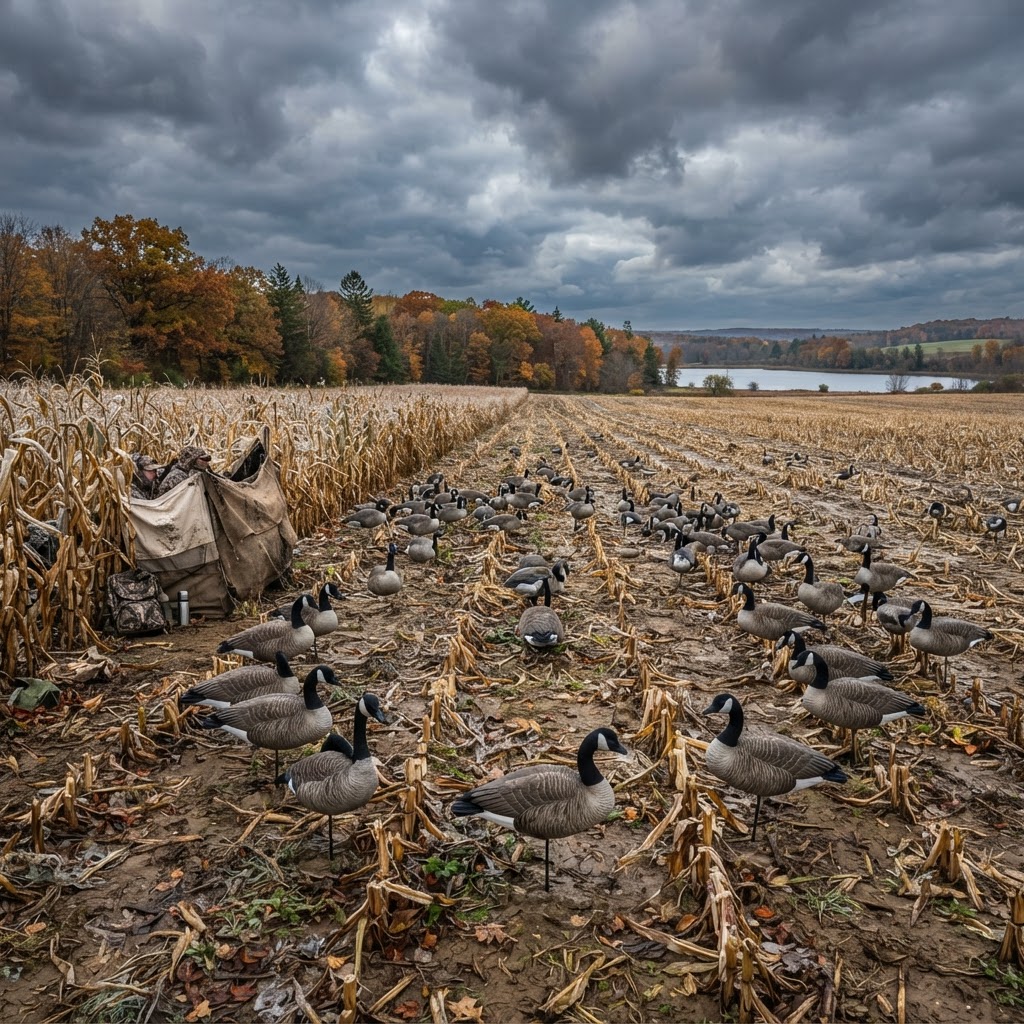
Chasing Honkers: Atmospheric Triggers and Tactical Field Setups
When the mercury drops and the north wind howls, it is time to get serious about Canada geese. Learn how to leverage migration triggers and precision field tactics for a successful hunt.
How to Master Evening Thermals for Deer Hunting
Learn how evening thermals flow like water to better position your stand. Use these expert tips to stop getting winded by deer.
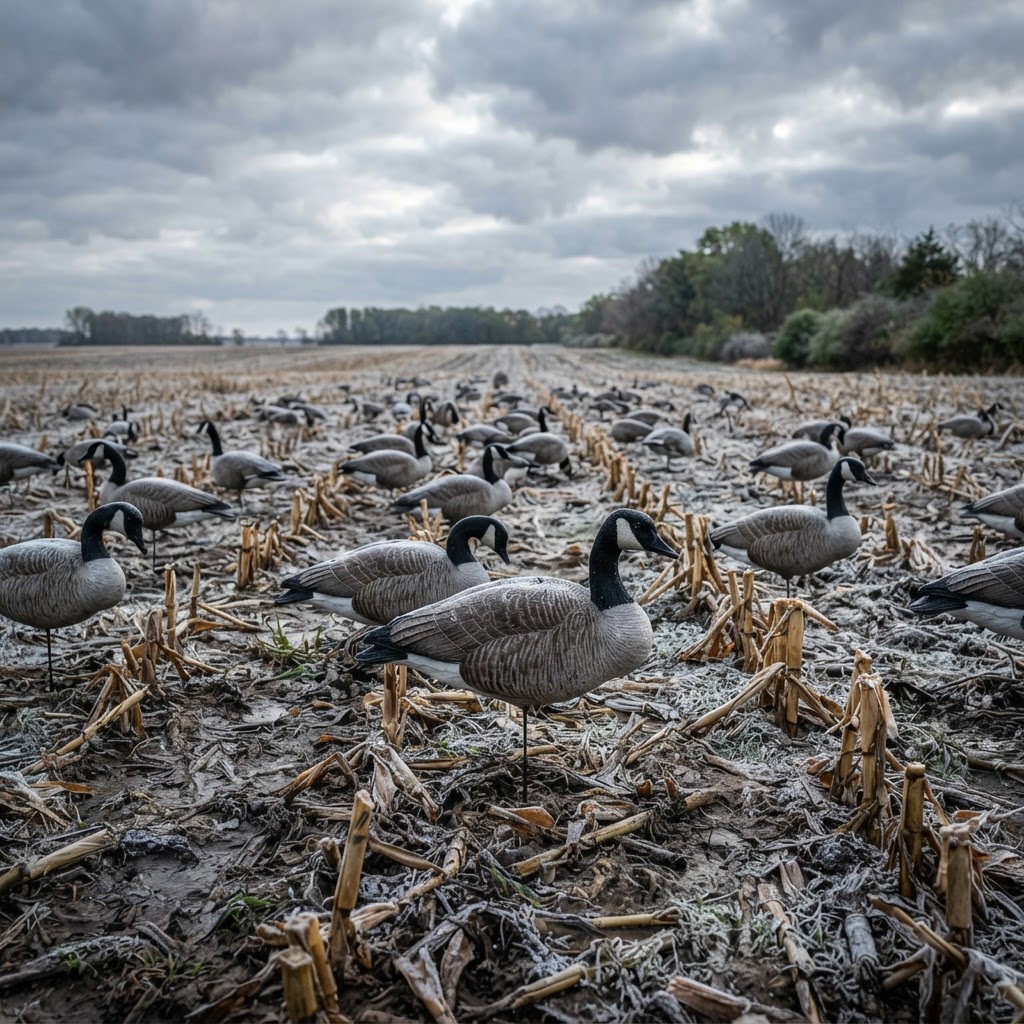
Field Hunting Canada Geese: Spreads, Motion, and Concealment
Master the art of the dry field hunt by leveraging barometric pressure and wind dynamics to put massive flocks of Canada geese at your fingertips.

Unveiling the Buckeye Hunter Hub Tee: A New Look for the Field and Beyond
Meet the Buckeye Hunter Hub Tee — Two Kinds of Camo Shield, the ultimate outdoor apparel designed for those who live life between the woods and the water.