
Best Barometric Pressure for Deer Hunting: What the Data Really Says
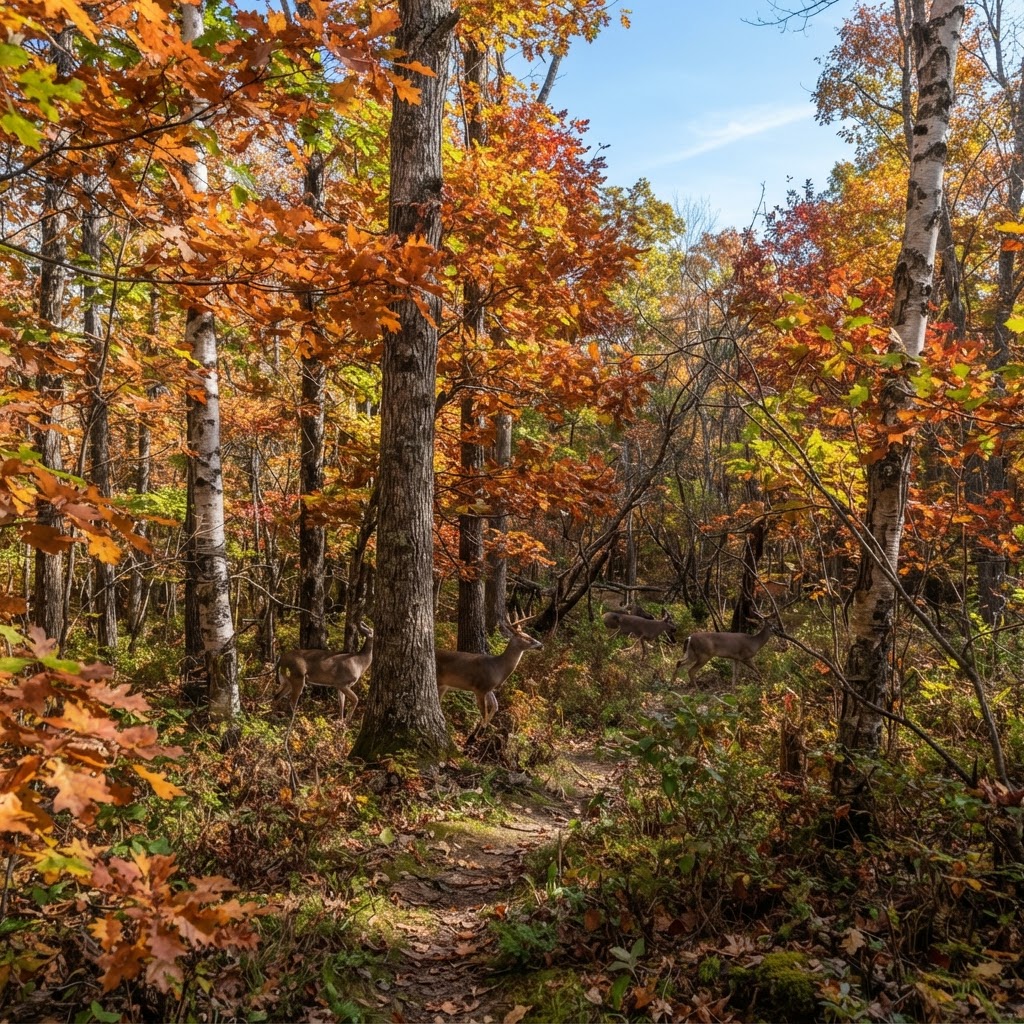
Understanding Barometric Pressure and Its Role in Deer Hunting
Barometric pressure is a key environmental factor that affects deer behavior. Simply put, barometric pressure refers to the weight of the air above us, which changes with weather systems. As hunters, understanding these fluctuations and their implications on deer movement can significantly enhance your chances during hunting season.
Free hunting map, zones & 50-state resources
Save your spots, share zones with your group, and get deer & waterfowl movement forecasts — free.
The Science Behind Deer Biology
Deer are highly sensitive to environmental changes, including barometric pressure. Numerous studies have shown that their movement and feeding patterns adjust in response to these changes. For instance, telemetry studies utilizing long-term GPS collars have outlined specific behavioral patterns related to weather, emphasizing that clear pressure drops often precede increased deer activity.
Research published by the Quality Deer Management Association shows that whitetails actively seek food sources more aggressively during specific barometric conditions, particularly when the pressure is falling. This information can help you set your hunting schedule more effectively, particularly in tandem with other variables like temperature and wind.
Barometric Pressure Thresholds for Movement
So, what barometric pressures should you look for? Here are some actionable thresholds:
- Normal Pressure Conditions: Ideal hunting occurs when the barometric pressure is in the range of 29.70 to 30.20 inches (Hg). In this range, deer exhibit normal behavior, feeding actively during the day.
- Falling Pressure: A noticeable drop, particularly below 29.70 inches, signals an incoming storm or warming trend. Deer tend to feed more extensively in this period, making it prime time to get out into the field.
- Rising Pressure: When pressure begins to rise again sharply, deer activity typically declines, signaling a return to normalcy and reducing their movement.
Temperature Swings and Deer Movement
Temperature is another crucial factor affecting deer behavior. Dramatic swings can trigger increased activity levels. When temperatures drop, especially during the rut phase, deer become more active as they search for mates. Conversely, during warmer spells, they may retreat to cooler areas, slowing their movement. Monitoring temperature alongside barometric pressure can enhance your understanding of deer activity.
Wind Direction and Deer Behavior
Wind also plays a significant role. Deer have incredibly sensitive olfactory senses, so understanding wind direction relative to your positioning is crucial. Favorable wind—where the deer cannot smell you—ensures a higher success rate. Coupled with falling barometric pressures, windy conditions that drive down temperatures can lead deer to forage more actively, making for a productive hunt.
E-Tag States

Harvest Tags
E-check means you supply the tag. Printed with the exact fields your state requires.
3-pack $22.95
Cold Fronts and Rut Timing
Cold fronts trigger heightened deer activity, particularly during the rut (the reproductive season). Rut timing is strongly influenced by photoperiod; as days shorten, mating behavior begins to increase. Studies have indicated that the best days for deer activity align with cold fronts that drop temperatures, creating ideal conditions for increased movement.
Additionally, the interplay between these factors—barometric pressure, wind, and temperature—provides a broader context for predicting deer behavior more accurately. Staying informed can help provide real-time insights on deer activity based on weather data.
Raise a safe, confident young hunter.
Guide your kids ages 5–17 through interactive hunting safety missions, real decision drills, and earned trophies — all from one free parent account.




Moon Phase: The Secondary Factor
While many hunters swear by lunar cycles, research suggests that moon phase is a secondary factor at best. Studies have indicated that the barometric pressure, wind, and temperature overwhelmingly govern deer movement compared to lunar positioning. Therefore, while it’s instructive to consider moon phase in your planning, priority should be given to these more influential environmental factors.
Putting It All Together
To maximize your hunting success:
- Track Barometric Pressure: Use local weather forecasts or apps to monitor real-time pressure changes. Keep a log to identify patterns around your hunting areas.
- Plan for Cold Fronts: Schedule hunts just before and during a cold front, particularly when you notice sharp drops in temperatures.
- Optimize Wind Direction: Always approach your hunting terrain considering wind direction to ensure you remain undetected.
- Stay Updated: Use available technology to remain informed about weather conditions and other relevant hunting intel.
- Observe: Out in the field, take notes and observe deer behavior under varying conditions to refine your understanding.
Deer hunting is as much a science as it is an art. By leveraging data-driven insights on barometric pressure and accompanying environmental factors, you can dramatically increase your effectiveness in the field. For more in-depth studies related to deer behavior, visit our comprehensive guide on .
Conclusion
Understanding the best barometric pressure for deer hunting, integrated with temperature swings, wind patterns, and seasonal timing, equips you for greater success. Focus primarily on these factors, and you'll find yourself adapting and thriving in the evolving wilderness. Join the greater conversation in the hunting community to share insights and strategies with fellow hunters!
Happy hunting and don't forget to check in with local state hunting resources for regulations and tips specific to your area!
Explore More on Buckeye Hunter Hub
<!-- links-cleaned -->Join 289 hunters and anglers on Buckeye Hunter Hub — free.
Latest from the Community


New drop
Fresh Buckeye Hunter Hub tees & hoodies


Everything you need to hunt smarter — free
Buckeye Hunter Hub is a free, nationwide platform. Create an account and unlock the full toolkit:
Free Interactive Hunting Map
Mark stands, cameras, and sign. Draw hunting zones with public land & county overlays across all 50 states.
Zones with Group Sharing
Share zones with your hunting group, split property into sections, assign stands, and check in — all in one place.
50 States of Hunting Resources
Season dates, license links, and DNR regulations for every state, kept current so you never miss an opener.
Deer Movement Forecast
Data-driven daily movement predictions using wind, moon, and pressure — know when to sit before you go.
Waterfowl Movement & Tools
Flight-potential forecasts, migration numbers, decoy spread planner, and a full species field guide.
From the Maker Bench

Taggart Outdoors
Padded Rifle Sling
Hand-built in the USA · $134.99
Shop the MakerNew drop
Fresh Buckeye Hunter Hub tees & hoodies
Shop This

StopBox Pro Ward | Wall-Mounted
$179.00$199.99

StopBox Pro Compact
$159.00$179.99

Buckeye Hunter Hub Tee — No Tag Left Behind
$20.55

Buckeye Hunter Hub Hoodie — No Tag Left Behind
$32.87
E-Tag States
Harvest Tags
E-check means you supply the tag. Printed with the exact fields your state requires.
3-pack $22.95
More Articles
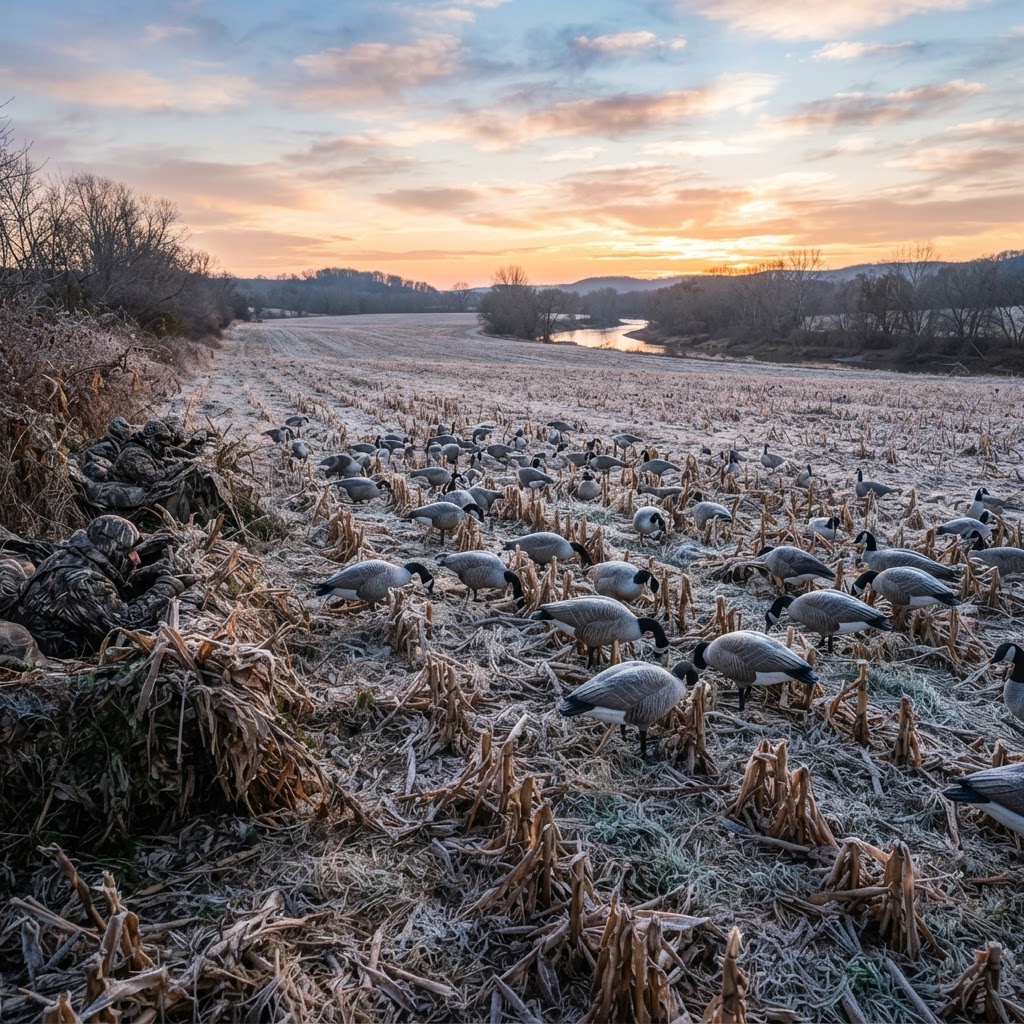
Mastering the Migration: Strategic Canada Goose Tactics for Dry Fields
Success in the dry field hinges on reading the barometer, perfect concealment, and creating a realistic landing pocket. Unlock the secrets to consistent honker harvests with these advanced field tactics.
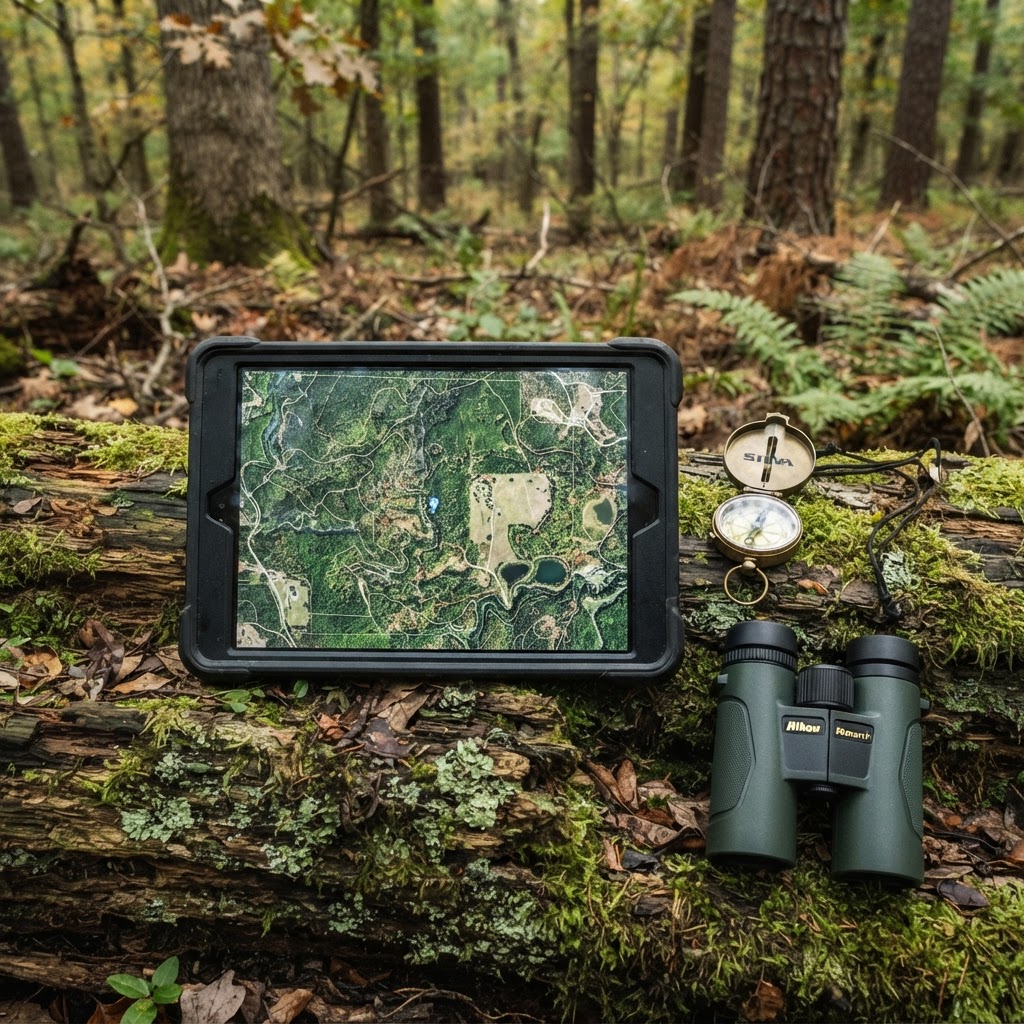
Optimizing Your Scouting: A Practical Approach to Waypoint Management
Transform your chaotic scouting notes into a streamlined digital strategy by mastering the waypoint features of the Buckeye Hunter Hub interactive map. Learn how to pinpoint your next harvest with surgical accuracy.
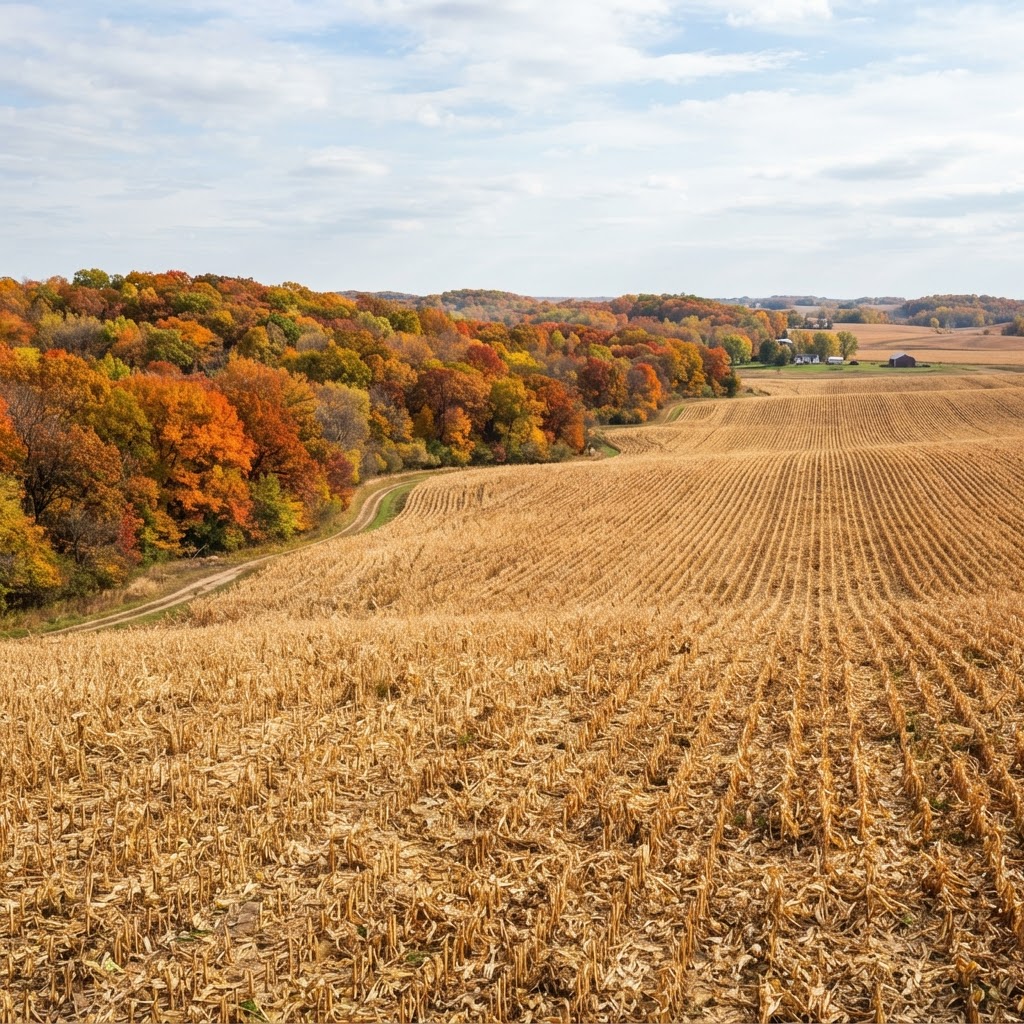
Cornfield Kingdom: Navigating Iowa’s Premier Public Land Opportunities
Iowa is more than just rolling farmland; it is a legendary destination for public land hunters willing to put in the work. Learn how to unlock the Hawkeye State’s best kept secrets.
Precision Scouting: Mapping Your Setup for a More Efficient Season
Stop wandering the woods aimlessly and start hunting with purpose by mastering waypoint management for your gear and observations.