92 Million Acres Just Opened: Inside the Largest Hunting & Fishing Expansion in FWS History
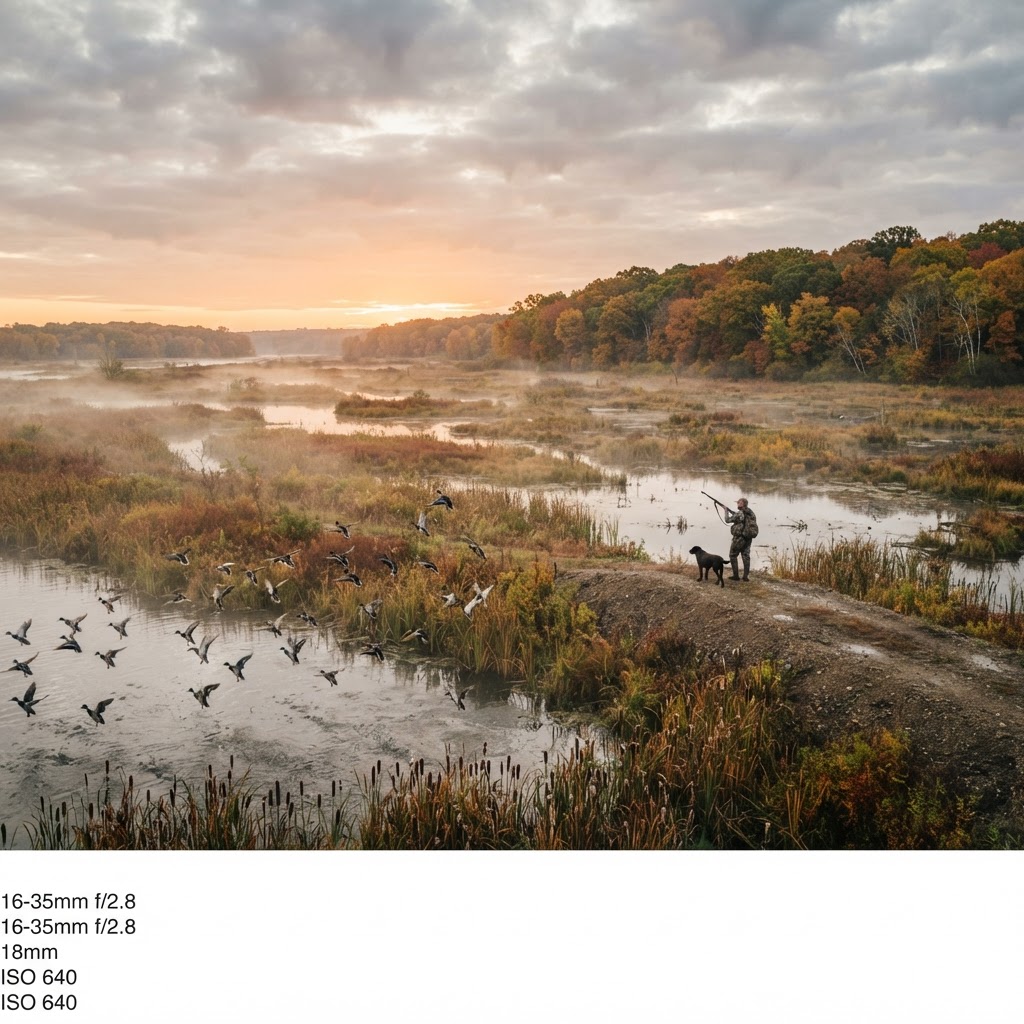
The Biggest Public-Land Access Win in Federal History
On August 13, 2026, the U.S. Department of the Interior finalized what is, by any measure, the largest expansion of hunting and sport-fishing access in the 123-year history of the U.S. Fish and Wildlife Service. Interior Secretary Doug Burgum announced that more than 92 million acres — over 95% of all National Wildlife Refuge System land — is now available for hunting, with the final rule landing just in time for the fall seasons.
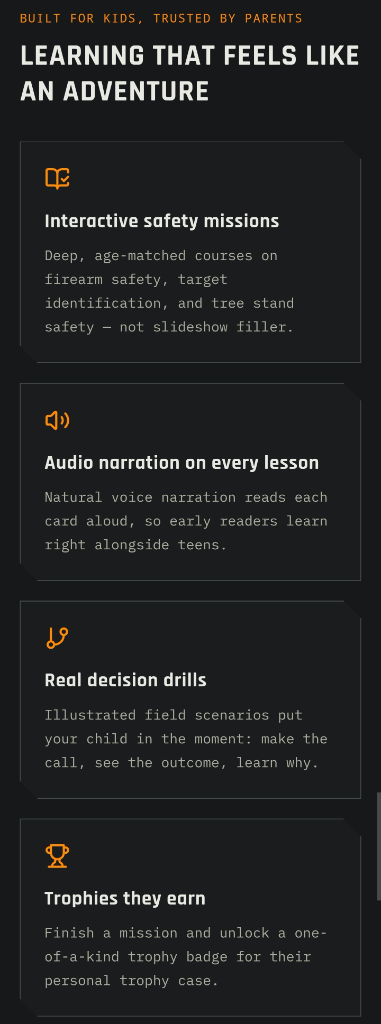
Raise a safe, confident young hunter.
Guide your kids ages 5–17 through interactive hunting safety missions, real decision drills, and earned trophies — all from one free parent account.

The headline numbers are staggering:
- 1,488 new hunting and sport-fishing opportunities. An "opportunity" means the ability to pursue a specific species at a specific location — so opening deer and turkey at one refuge counts as two.
- 111 federal field stations affected: 107 national wildlife refuges and 4 national fish hatcheries.
- 32 states gain new or expanded access.
- 14 refuges and 3 fish hatcheries open to hunting or fishing for the first time ever.
- More than 1,000 redundant federal restrictions eliminated to align refuge rules with state fish and wildlife law.
"America's hunters and anglers now have something significant to look forward to in the fall," Burgum said in the announcement. FWS Director Brian Nesvik added that the new opportunities will "better align with state regulations, help promote healthy wildlife habitats and boost local recreation economies."
The rule implements Secretarial Order 3447, signed in January 2026, which flipped the default question on Interior lands: instead of asking whether hunting should be allowed on a parcel, agencies must now show a clear, legally defensible reason to close it.
The First-Ever Openings
These refuges and hatcheries have never hosted public hunting or fishing until now:
- Grass Lake NWR (Montana) — opens to migratory bird, upland game, and big game hunting
- Karl E. Mundt NWR (South Dakota) — famous bald eagle wintering ground along the Missouri River, opens to big game
- Rocky Flats NWR (Colorado) — opens to big game hunting
- Theodore Roosevelt NWR (Mississippi) — first-ever hunting and fishing, a fitting nod to the man who founded the refuge system in 1903
- Florence Lake, McLean, Stewart Lake, and White Lake NWRs (North Dakota) — first-ever hunting across the prairie pothole country
- Guadalupe-Nipomo Dunes NWR (California), Grays Lake NWR (Idaho), Sevilleta NWR (New Mexico), Neal Smith NWR (Iowa), and Kankakee NWR (Illinois) — first-time sport fishing
- Craig Brook and Green Lake National Fish Hatcheries (Maine) and Pendills Creek NFH (Michigan) — hatchery grounds open to hunting for the first time
Where the New Land Is: State-by-State Highlights
Ohio — Buckeye hunters take note: Cedar Point NWR and Ottawa NWR along the Lake Erie marshes add new species and expand both hunting and fishing access. These are already two of the best waterfowl grounds in the state, and the expanded footprint is a genuine opportunity for the 2026-2027 duck season. Check the and plan your setup with the .
Harvest Tags
E-tagging means you supply the tag. These weatherproof, write-on tags carry the exact fields your state requires — 3-pack $19.95, free shipping.
Shop Harvest TagsFree hunting map, zones & 50-state resources
Save your spots, share zones with your group, and get deer & waterfowl movement forecasts — free.
North Dakota — the single biggest winner with 15 stations: first-ever hunting at four refuges plus added upland and big game at Arrowwood, Audubon, Des Lacs, J. Clark Salyer, Lake Alice, Lake Nettie, Long Lake, Lostwood, Slade, Tewaukon, and Upper Souris NWRs.
Louisiana — ten stations including Atchafalaya, Bayou Cocodrie, Big Branch Marsh, Bogue Chitto, Cat Island, D'Arbonne, Delta, Red River, and Upper Ouachita NWRs.
Illinois — ten stations, including Chautauqua, Crab Orchard, Cypress Creek, Two Rivers, and several multi-state Mississippi River refuges.
Mississippi — nine stations, led by first-ever access at Theodore Roosevelt NWR plus expansions at Panther Swamp, Yazoo, St. Catherine Creek, and others.
Oregon — nine stations including Malheur, Hart Mountain, Umatilla, and the Klamath Basin refuges, mostly migratory bird and upland expansions.
Washington — seven stations including Billy Frank Jr. Nisqually, Ridgefield, Turnbull, and Willapa NWRs.
Minnesota — six stations: Agassiz, Big Stone, Glacial Ridge, Minnesota Valley, Rydell, and Northern Tallgrass Prairie.
Virginia — five stations around the Chesapeake and James River corridor add upland and big game.
Other states with meaningful gains include Arkansas (Cache River, Felsenthal, Holla Bend), Idaho (Grays Lake, Bear Lake, Kootenai, Minidoka), Texas (Balcones Canyonlands, Laguna Atascosa, Neches River), Wyoming (Bamforth, Cokeville Meadows, Seedskadee), Montana (Grass Lake, Hailstone, Medicine Lake), Maryland (Blackwater), Michigan (Shiawassee, Detroit River), Indiana (Patoka River), Nebraska (Crescent Lake), Oklahoma (Deep Fork), and Alabama (Cahaba, Grand Bay).
Cutting the Red Tape
Anyone who has hunted a refuge knows the frustration: shooting hours that differ from state regs by fifteen minutes, shot restrictions that only apply on one side of a levee, bag limits that contradict the state booklet. The final rule makes more than 1,000 modifications to station-specific regulations, deleting rules that duplicated or contradicted state law without a clear conservation purpose.
The practical result: on most refuge land, the rules you already know from your state regulations booklet are now the rules that apply. The rule also rescinds previously finalized non-lead ammunition and tackle phase-outs at nine refuges — a controversial piece worth knowing about whichever side of the lead debate you're on.
How the Conservation Community Is Reacting
Reactions across the sporting-conservation world have been largely positive, with one important caveat.
Theodore Roosevelt Conservation Partnership (TRCP) applauded the final rule, noting it directly addresses lack of access — the number-one reason sportsmen and women stop hunting. When surveys ask why hunters hang it up, "nowhere to go" consistently tops the list, and 92 million acres is a serious answer.
Safari Club International celebrated the removal of bureaucratic barriers that have historically kept hunters off public lands, calling the regulatory streamlining long overdue.
Backcountry Hunters & Anglers (BHA) welcomed the expanded access but sounded a note of caution that deserves attention: access must be matched by investment in the people who manage it. Budget cuts to federal land managers, biologists, and game wardens mean the refuges absorbing new hunting programs are doing so with thinner staff than ever. Opening a refuge on paper is one thing; managing hunter density, enforcing regulations, and monitoring wildlife populations safely is another. BHA's position: celebrate the access, but hold Washington accountable for funding the boots on the ground.
It's a fair point. The refuge system spans 573 refuges and 38 wetland management districts, and the same rule that opens 92 million acres also leans harder on state agencies as the primary managers of fish and wildlife — a structure that only works if both federal and state programs stay funded.
What You Should Do Before Opening Day
- Look up your refuge on FWS.gov. Every station's hunt page lists open units, maps, permit requirements, and species. Some new hunts are draw-only or have unit-specific closures (James River NWR in Virginia, for example, closed 160 acres near housing for safety).
- Read the Federal Register notice (2026-2027 Station-Specific Hunting and Sport Fishing Regulations) and search for your state — each entry lists exactly which species and methods opened.
- Verify against your state regulations. The whole point of the rule is that state law now governs most refuge hunting — so your state's seasons, bag limits, and license requirements are the framework.
- Scout before you commit. New land means new pressure patterns. Use our to drop waypoints, mark access points, and build your zone before the crowds figure it out.
- Check the season calendar. Our and keep the key dates in one place.
The Bottom Line
Whether you see this as a historic win for the hunting heritage, a deregulation push that needs a funding match, or both — 92 million acres of federal public land are now open the way Theodore Roosevelt arguably intended when he set aside three-acre Pelican Island in 1903. The access problem that pushes more hunters out of the field than any other just got its biggest answer in a century. Now it's on all of us to use it well, follow the rules, and prove that hunters remain the best stewards these lands have.
Frequently Asked Questions
Join 92 hunters and anglers on Buckeye Hunter Hub — free.
Everything you need to hunt smarter — free
Buckeye Hunter Hub is a free, nationwide platform. Create an account and unlock the full toolkit:
Free Interactive Hunting Map
Mark stands, cameras, and sign. Draw hunting zones with public land & county overlays across all 50 states.
Zones with Group Sharing
Share zones with your hunting group, split property into sections, assign stands, and check in — all in one place.
50 States of Hunting Resources
Season dates, license links, and DNR regulations for every state, kept current so you never miss an opener.
Deer Movement Forecast
Data-driven daily movement predictions using wind, moon, and pressure — know when to sit before you go.
Waterfowl Movement & Tools
Flight-potential forecasts, migration numbers, decoy spread planner, and a full species field guide.

American Express® Gold Card
Earn big on the things you love—dining, groceries, and travel. Apply through my referral link below.
- Up to 100,000 Membership Rewards® Points after you use your new Card to make $8,000 in purchases in the first 6 months—upon approval.
- 4X Membership Rewards® Points at restaurants worldwide, plus takeout and delivery in the U.S.
- 4X Points at U.S. supermarkets (on up to $25,000 per year, then 1X).
- 3X Points on flights booked directly with airlines or on amextravel.com.
- Up to $120 in annual dining credits at select partners (enrollment required).
Terms apply. Offer subject to approval by American Express. This is a referral link—I may receive Membership Rewards® Points if you are approved.
Shop This

StopBox Pro Ward | Wall-Mounted
$179.00$199.99

StopBox Pro Compact
$159.00$179.99

Night Marsh Women's Athletic Shorts
$46.99

Night Marsh Socks
$19.99
Harvest Tags
E-tagging means you supply the tag. These weatherproof, write-on tags carry the exact fields your state requires — 3-pack $19.95, free shipping.
Shop Harvest TagsMore Articles

Mastering the Open-Sight Rifle Hunt in Utah
Switching to open sights for a Utah deer hunt changed everything about my approach. Here is how I closed the gap on a 70-yard shot in the Cache County sagebrush.
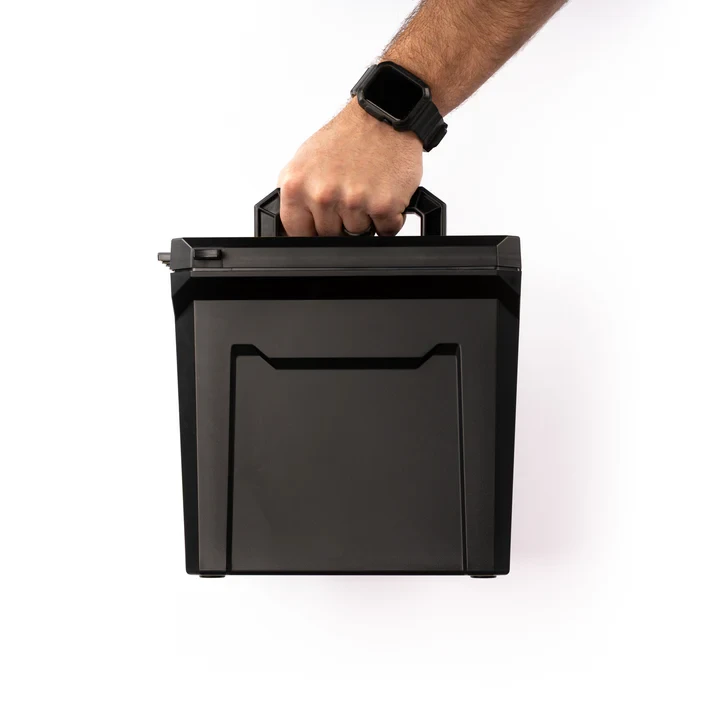
StopBox U-Can Review: The Ultimate Range Companion
Is the StopBox U-Can worth the investment for your gear storage? We break down its rugged build, organization features, and how it performs in the field.
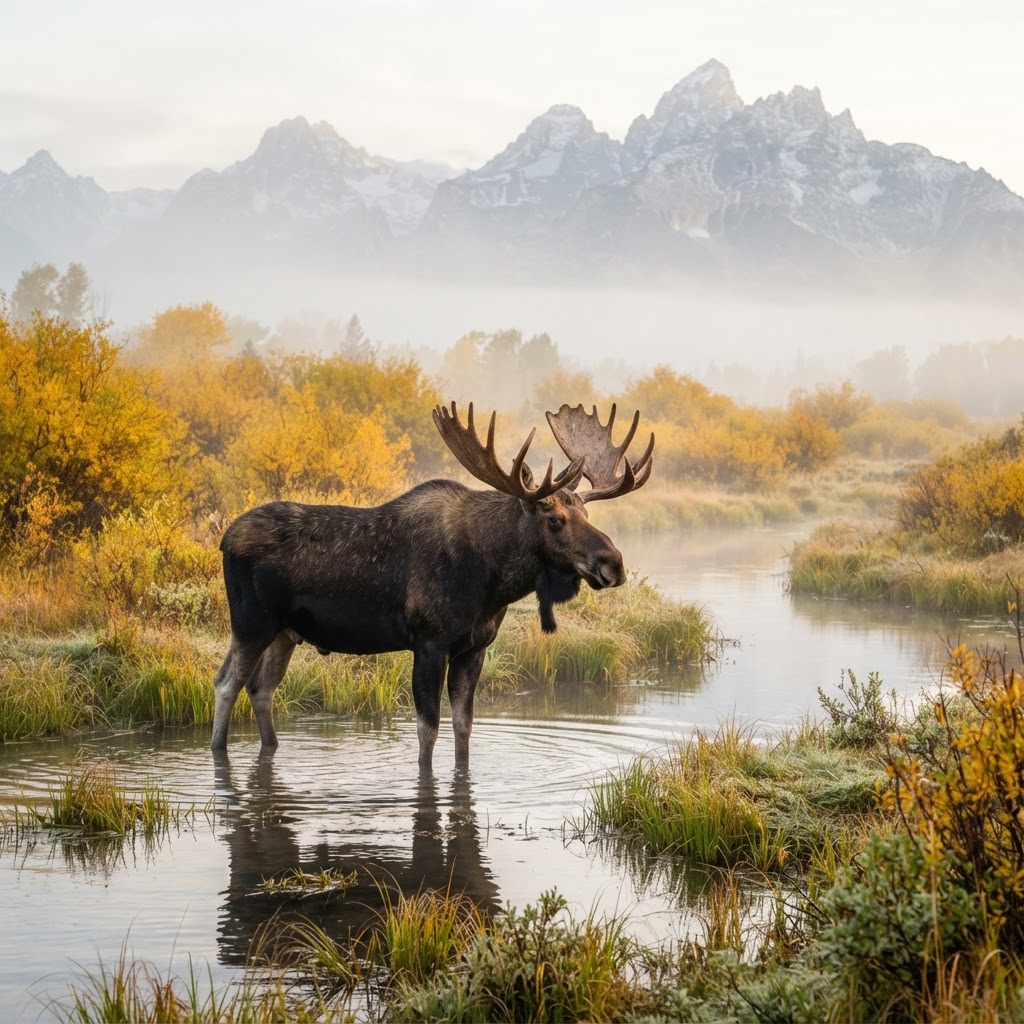
King of the North: A Comprehensive Guide to Moose Hunting in the U.S.
Pursuing the majestic moose is the pinnacle of the North American hunting experience. From biology to effective field tactics, here is everything you need to know for your next big-game adventure.
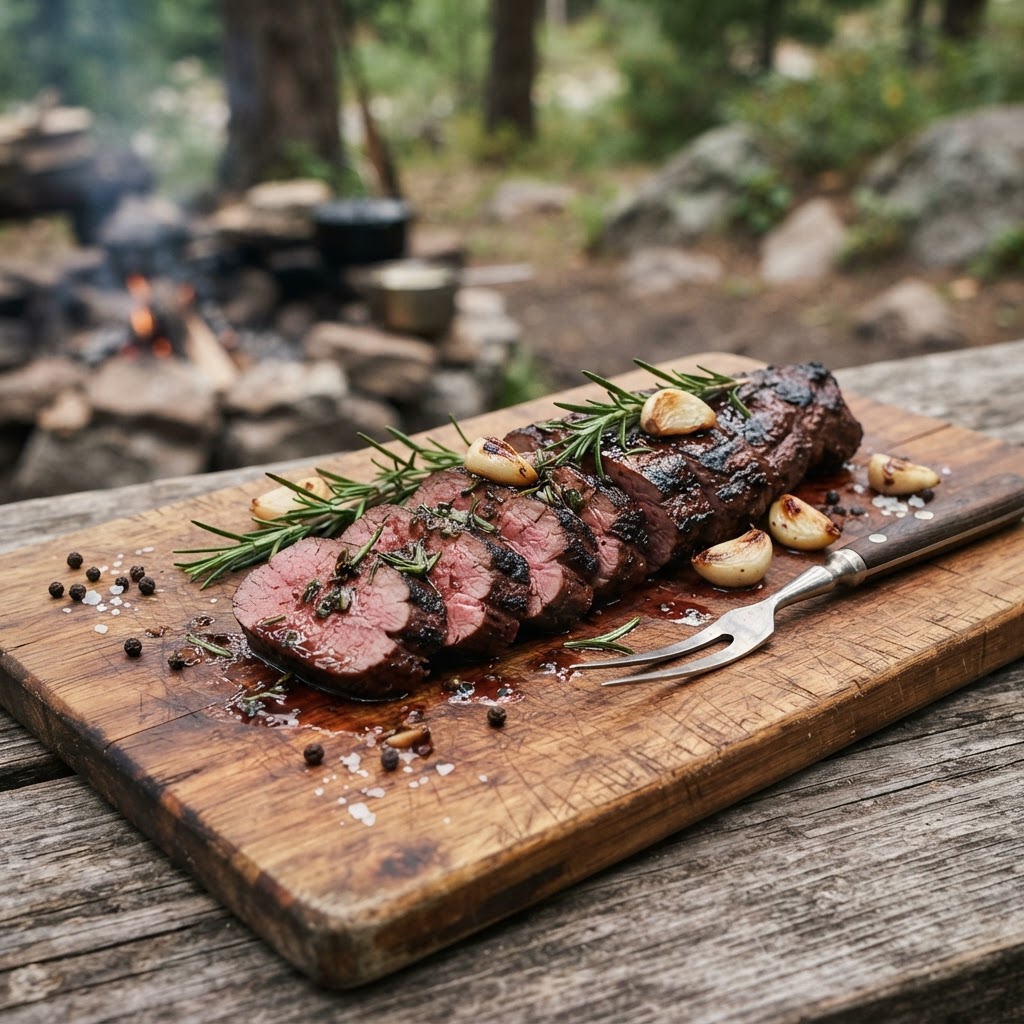
Mastering the Venison Backstrap: A Red Wine Reduction Guide
Elevate your harvest with the perfect pan-seared venison backstrap, finished with a rich, velvety red wine reduction that highlights the meat's natural flavor.