
Herbs & Wildcrafting
Woodland Guardians: Navigating the Stewardship of Our Native Herbs
BHH Outdoors Nov 22, 2026 7 min read
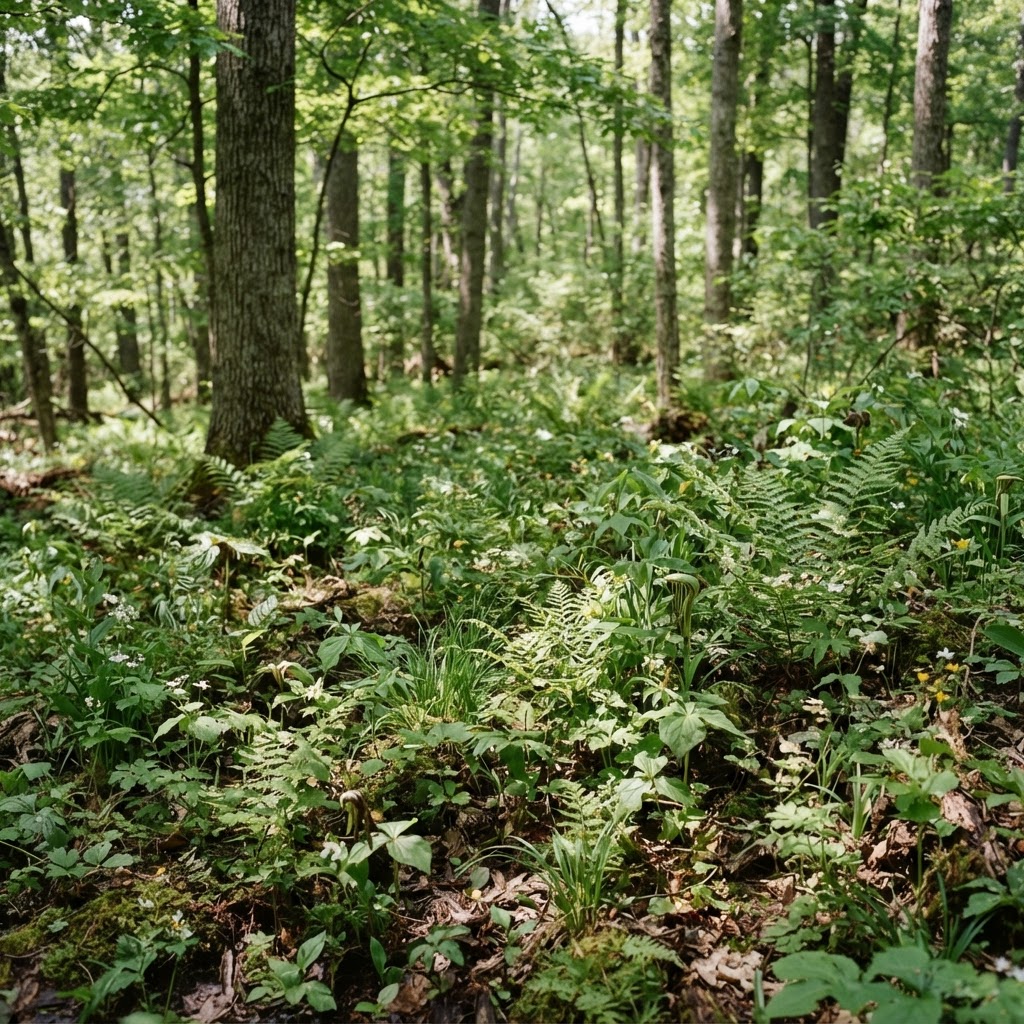
Discovering the Forest Floor As we head out on the trails at BHH Outdoors, we often focus on the big picture
We watch for warblers in the canopy, search for targets with our metal detectors, or navigate terrain on our off-road vehicles. However, some of the most fascinating life exists right beneath our boots. In many parts of the country, especially in the Appalachian and Midwestern regions, the forest understory is home to specific native herbs that hold significant ecological value.
Among these are ginseng, goldenseal, black cohosh, and bloodroot. These plants are more than just botanical curiosities. They are part of a delicate web of life that has thrived for centuries.
Because their populations have faced pressure from habitat loss and over-harvesting, many of these species are now considered at-risk. As hikers, riders, and outdoor enthusiasts, we have a unique opportunity to act as guardians for these woodland treasures.
Understanding the At-Risk Species When you look at the herbs map, you start to see where these species thrive
Ginseng is perhaps the most famous of these woodland residents, known for its slow growth and specific requirements for shade and soil moisture. Goldenseal is another plant that loves the rich, damp soil of deciduous forests. Black cohosh stands tall with its dramatic spikes of white flowers in late summer, while the bright white flowers of bloodroot are often among the first signs of spring.
Identification is the first step in stewardship. Never assume you know what a plant is based on a quick glance. Many plants have look-alikes that can be dangerous or even toxic.
For example, bloodroot has distinctive lobed leaves that might be mistaken for other woodland plants by an untrained eye. You must always confirm identification using a trusted regional field guide or by consulting with a local botanical expert. If you are ever in doubt, the best policy is to leave the plant exactly where you found it.
Furthermore, please speak with a doctor or pharmacist before using any herb for any purpose. We do not provide medical advice, and no plant should be used as a remedy or cure without professional guidance.
The Ethics of the Wild Stewardship starts with the understanding that we are visitors in the home of these plants
The most important rule of the woods is respect for the land and its owners. Before you consider interacting with any flora, you must have the landowner's permission. If you are on private land, bring along a printable permission slip to ensure you have clear documentation of your access.
When it comes to collecting, we encourage a 'look but don't take' philosophy for at-risk species. Because ginseng, goldenseal, black cohosh, and bloodroot are currently under pressure, many states have enacted specific regulations to protect them. These laws vary significantly depending on where you are and whether you are on public or private land.
You should always research your state's rules and agency links before heading out. For instance, the [US Forest Service](https://www.fs.
usda.gov/) often has specific policies regarding the collection of special forest products, and these rules change depending on the specific national forest you are visiting.
Protecting Your Local Ecosystem Even if a plant is not strictly regulated in your area, consider the impact of your actions
A small patch of wild herbs can take decades to reach maturity. Taking even a few plants can destabilize a colony. If you are in a situation where foraging is permitted, take only a tiny fraction of a patch and always leave enough for the population to reproduce and thrive.
Consider it an investment in the future of the woods. By leaving these plants undisturbed, you help ensure that future generations of explorers—whether they are birders or off-road enthusiasts—get to see the same beauty you see today. When we document our findings on the BHH Outdoors blog, we focus on the joy of observation rather than extraction.
There is a profound sense of accomplishment in finding a patch of black cohosh, taking a photo, and moving on without leaving a single trace behind. That is the true spirit of the outdoor community.
How You Can Help Stewardship is not just about what you do not do
It is about actively protecting the landscape. Stay on marked trails to avoid trampling delicate understory plants. When riding off-road vehicles, ensure you are staying within designated areas to prevent the erosion and soil compaction that can destroy the habitats where these herbs grow.
If you notice invasive species taking over a local area, report them to your local department of natural resources. These invaders often outcompete our native herbs, leading to a loss of biodiversity. By being observant, following the rules, and advocating for the health of our forests, you become an essential part of the conservation process.
Remember that the woods belong to all of us, but they also belong to the creatures and plants that live there. Let us tread lightly and keep our woodland heritage intact for years to come.
Mark it on your own map
Drop private herbs pins, record your route and come back to the spot next season.
Open the herbs map →