
Hiking & Camping
Stay Hydrated: A Field Guide to Sourcing and Purifying Trail Water
BHH Outdoors Nov 20, 2026 6 min read
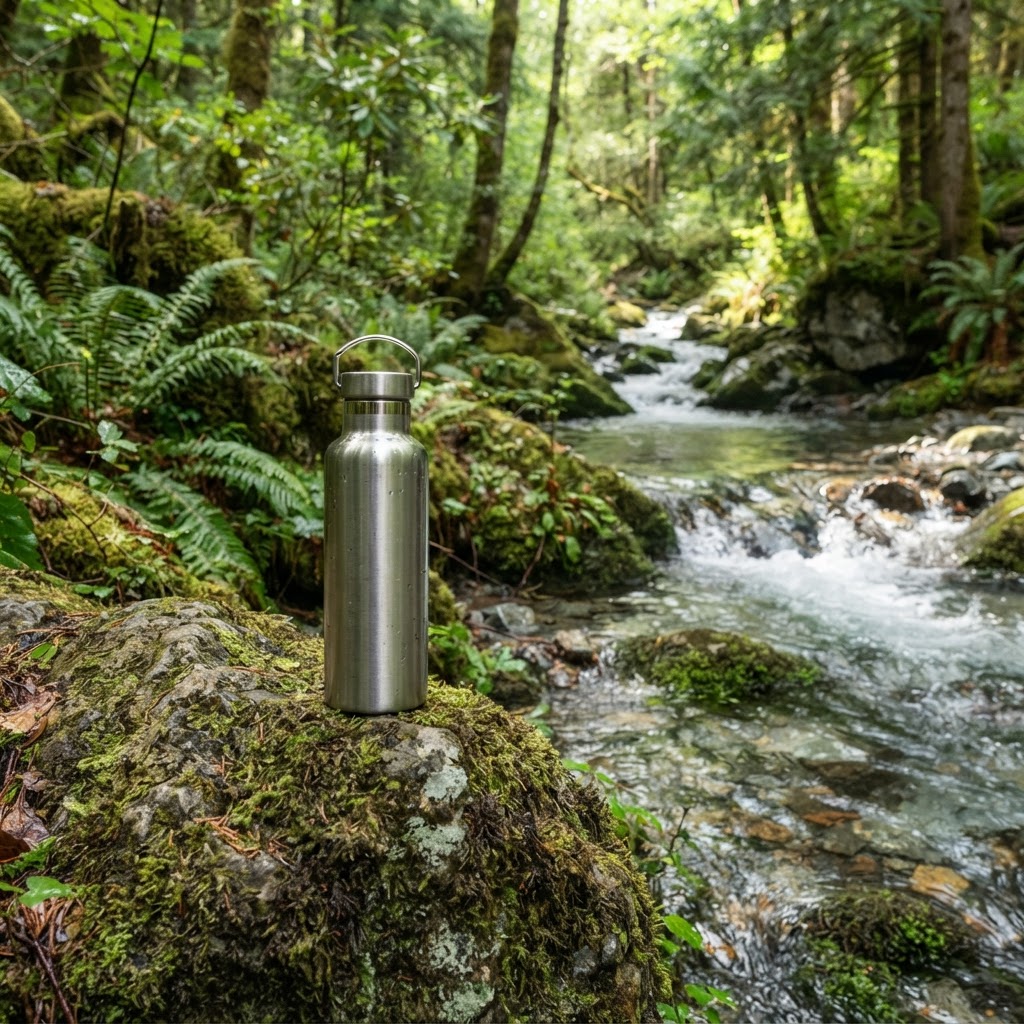
Sourcing Water Safely in the Backcountry
Water is the lifeblood of every adventure, whether you are scanning the trees for migrating birds or heading deep into the woods to metal detect. When you are miles from the trailhead, you cannot rely solely on what you carry in your pack. Finding sustainable water sources is a vital skill for anyone venturing into the wilderness, but it requires caution and preparation.
Locating Reliable Water Sources
Before you even step out the door, check the hiking map to identify potential blue lines or lakes. However, keep in mind that maps are not always up to date. A creek that flowed strongly last season might be a dry bed today. If you are scouting an area for foraging or remote camping, always verify current conditions with the local land manager. Whether you are operating on National Forest land or state property, visit your state's rules and agency links to find the most accurate information regarding water availability and local restrictions.
When you are in the field, look for indicators of water. Lush vegetation, moss-covered stones, or a change in terrain slope often suggest water is nearby. If you are riding off-road, use your stops to listen for the sound of running water, but never assume a source is clean just because it is moving. High-altitude snowmelt might seem pristine, but it can harbor microscopic parasites like Giardia or Cryptosporidium.
The Golden Rule: Treat Everything
Never drink directly from a stream, pond, or lake without treatment, no matter how clear it looks. Wildlife and livestock can contaminate water sources upstream. At BHH Outdoors, we emphasize that clear water does not mean clean water. Your best defense is a multi-step approach: filtration followed by purification.
For most hikers, a portable hollow-fiber filter is the gold standard. These devices physically remove bacteria and protozoa. If you are concerned about viruses or chemical contaminants, consider adding a chemical purification tablet or a UV light device to your kit. The US Forest Service often provides excellent guidance on water safety for the specific regions they manage, so it is always worth checking their website before heading out.
Practical Tips for Gathering
When you find a source, think about how you will collect the water. A wide-mouth bottle or a collapsible bladder works best. If the stream is shallow, you might need a dedicated collection cup to scoop water into your filter system without stirring up silt. Always collect your water from an area with minimal stagnant debris. If you are in a high-traffic area, be mindful of hunting season dates as these periods can bring more people into the woods, increasing the potential for localized water contamination near popular access points.
Avoid collecting water near heavy recreational use areas, such as campgrounds or parking lots, where human waste and runoff are more common. If you have to collect from a slower-moving source, pick a spot where the water is moving over gravel rather than mud.
Managing Your Hydration Kit
Your water setup should be easy to access and simple to maintain. If your filter freezes in the winter, it can crack, rendering it useless. Keep your filter inside your jacket or in your sleeping bag on cold nights. Regularly backflushing your filter in the field ensures that your flow rate stays high, preventing frustration during long days of trekking or scouting for wild herbs.
Remember that while gear is essential, the human element is what keeps you safe. Keep an eye on your consumption and plan your routes to pass by at least one backup water source. If you feel dehydrated, you have already waited too long to drink. Stay ahead of your thirst, and keep your equipment clean to ensure you can continue to enjoy the vast wilderness areas we all cherish.
For more tips on how to prepare for your next trip, check out the archives on the BHH Outdoors blog. We are constantly updating our content to help you make the most of your time at BHH Outdoors. Staying informed is the best way to keep your adventures enjoyable and safe for years to come.
Mark it on your own map
Drop private hiking pins, record your route and come back to the spot next season.
Open the hiking map →