
Foraging
Signs of Spring: Identifying Morel Conditions and Habitats
BHH Outdoors Nov 21, 2026 6 min read
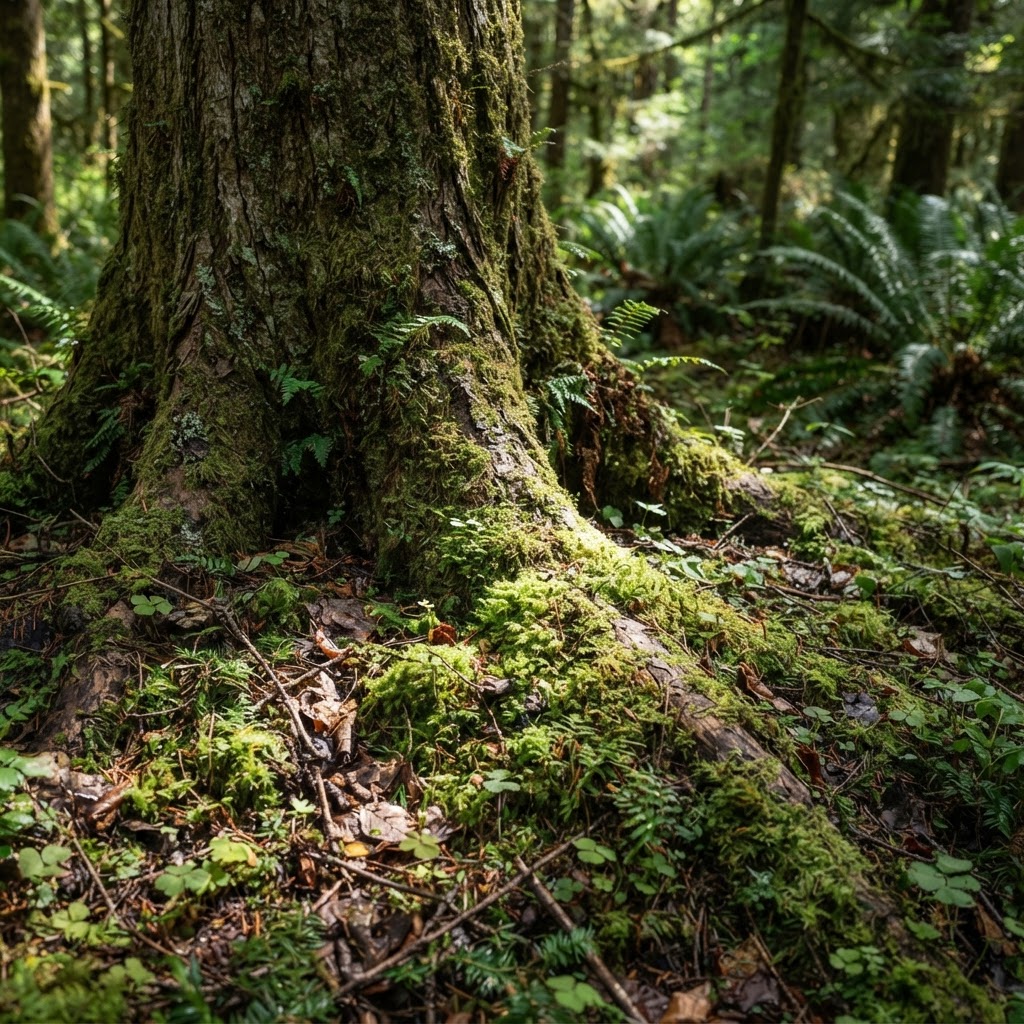
Watching the Woods for Morel Clues
For many of us at BHH Outdoors, the arrival of spring brings a specific focus to our outdoor explorations. As the soil warms and the canopy begins to turn green, attention shifts toward the forest floor. Finding morel mushrooms is often described as a treasure hunt, and while there is no magic formula, observing natural indicators can certainly help you narrow down your search area. Understanding the intersection of biology and climate is the first step in being a successful observer of these elusive fungi.
The Role of Soil Temperature
While air temperatures fluctuate wildly during the spring, soil temperature is a more consistent marker. Many seasoned observers look for the soil to reach the range of 50 to 55 degrees Fahrenheit at a depth of a few inches. You do not need expensive equipment to track this. Simple soil thermometers are widely available, or you can watch for natural phenological signs. For instance, some folks note that when the oak leaves reach the size of a mouse ear, or when certain woodland wildflowers begin to bloom, it serves as a reliable indicator that the ground is warming up enough for potential growth.
It is important to note that microclimates play a huge role. South-facing slopes, which receive more direct sunlight, will often warm up faster than northern slopes or deeply shaded valleys. Checking the foraging map can help you visualize these terrain features as you plan your scouting trips.
Tree Associations and Symbiotic Relationships
Morels are often associated with specific tree species, which can act as helpful guideposts during your hike. In many parts of the country, you might find these mushrooms near the root systems of dead or dying elm trees. Ash, apple, and tulip poplar trees are also frequent companions. It is not just about the species of the tree, but the health of the environment surrounding it. A dying tree may indicate a change in soil chemistry or a shift in the local ecosystem that creates favorable conditions for fungi to thrive.
While these associations are helpful, they are not guarantees. Nature is unpredictable, and you might find morels in places that defy these common patterns. Always maintain a keen eye for the overall health and diversity of the woodland area you are exploring through BHH Outdoors.
Safety and Identification
Before you consider harvesting anything from the wild, you must prioritize your safety. Never assume a wild mushroom is safe to eat based on a photograph or a description. Some look-alikes, such as the false morel, can be extremely dangerous or toxic. It is essential that you confirm your identification using a trusted regional field guide or by consulting with a local mycological expert. If there is any doubt about the identity of the mushroom, leave it where you found it.
Remember that foraging regulations vary significantly by location. What is permitted on one trail might be prohibited in a nearby nature preserve. You are responsible for knowing your state's rules and agency links before you head out. Check with the US Forest Service or your local state wildlife agency to understand the specific permits and harvest limitations in your area. Laws regarding the quantity of mushrooms you can collect, the methods allowed, and even the type of container used can change from one jurisdiction to another.
Ethical Gathering Practices
When you are out in the field, remember that you are a visitor in a fragile ecosystem. Leave no trace, tread lightly on the soil to avoid compacting root systems, and respect the land manager's rules. If you find a patch, take only what you need and leave enough to ensure the fungus can continue to propagate. The more we respect these areas, the better the experience remains for everyone who values the BHH Outdoors blog for its commitment to responsible exploration.
Scouting and Persistence
Persistence is often the most important tool in an explorer’s kit. You might spend several outings walking through ideal conditions without finding a single specimen, only to discover a patch in an unexpected location on your next trip. Use these opportunities to study the terrain, the soil composition, and the tree species. Keeping a log of when and where you see signs of growth can help you refine your approach over time. By focusing on the environmental cues and respecting the legal frameworks of the land you traverse, you can turn a simple walk in the woods into a rewarding educational experience. Always remember that the value of the trip is not just in what you find, but in the time spent observing the changing landscape.
Mark it on your own map
Drop private foraging pins, record your route and come back to the spot next season.
Open the foraging map →