Northern Pike
Esox lucius
The apex freshwater ambush predator known for its explosive strikes and brutal, line-peeling fights.
Typical Size
5-15 lbs is typical, with trophy class ranging from 20-30+ lbs.
Prime Seasons
Late spring post-spawn and mid-autumn pre-winter.
Overview
The Northern Pike is a voracious predator characterized by its elongated body and razor-sharp teeth, making it a bucket-list species for many freshwater anglers. Renowned for their aggressive behavior, pike often strike with a 'hit-and-run' intensity that provides some of the most exciting topwater and sub-surface action available in the northern hemisphere. Anglers target them not only for their fighting prowess but also for their status as a trophy species in many Midwestern, Canadian, and Alaskan waters.
Beyond their reputation as a fighter, pike are critical components of their ecosystems, keeping panfish and sucker populations in check. Because they are sight-feeders and highly territorial, they are predictable in their search for ambushing spots, allowing skilled anglers to target specific structure with precision casts and heavy-duty tackle.
Identification
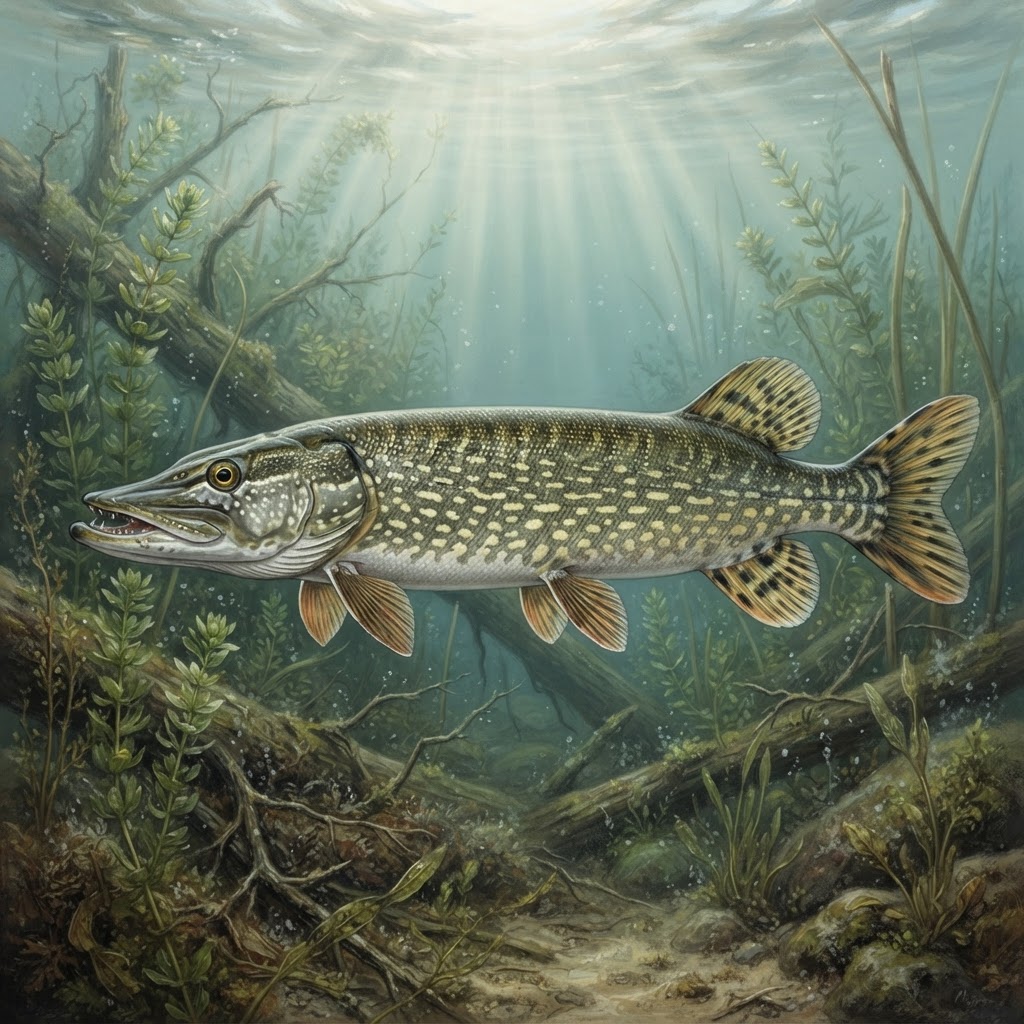
- Long, cylindrical 'torpedo' shaped body
- Light-colored horizontal spots against a dark green background
- Dorsal and anal fins set far back near the tail for explosive speed
- Duck-billed snout with hundreds of needle-sharp teeth
- Sensory pores located on the underside of the lower jaw
Habitat
Diet & Forage
Behavior & Feeding
Northern pike are opportunistic ambush predators that spend much of their time lurking near weed edges, submerged timber, or drop-offs waiting for prey. They are most active during low-light conditions like dawn and dusk, though they remain aggressive throughout the day in cooler water. As seasonal temperatures shift, pike migrate from deep-water basins in mid-summer to shallower, oxygen-rich structure during spring and fall. They are highly territorial and known for explosive strikes on large lures, often hitting bait with enough force to damage tackle.
Spawning
Pike are among the first fish to spawn, often occurring immediately after ice-out in early spring. They migrate into shallow, flooded marshes or vegetated bays when water temperatures reach the low 40s Fahrenheit. During this period, feeding activity is inconsistent, making fishing difficult as they are focused on reproduction rather than sustenance. Post-spawn, pike are typically exhausted and lethargic, requiring slow, deliberate presentations until they transition into their aggressive summer feeding patterns.
Water Temperature
Weather Triggers
Approaching cold front
Sudden surge in aggression; fish feed heavily before the pressure drop.
Overcast/drizzle
Pike move out of deep cover to hunt in open water; use searching lures like topwater.
High-pressure bluebird skies
Activity slows significantly; target deep edges or shaded areas with finesse tactics.
Depth by Season
Best Lure Rigs & Setups
Steel Leader Spinnerbait
When: Ideal for searching heavy, dense vegetation.
Setup: 1/2 oz willow-leaf spinnerbait, 6-inch 30lb steel leader, 20lb braided main line.
Live Bait Quick-Strike Rig
When: Best for lethargic pike in deeper water.
Setup: Large suckers or chubs, 1/0 treble hooks on a wire harness, heavy swivel.
Large Profile Jerkbait
When: Spring and Fall when pike are aggressively chasing lures.
Setup: 6-8 inch suspending jerkbait, 15lb fluorocarbon leader, medium-heavy baitcasting rod.
Best Knots
Lures That Catch Northern Pike
 Spinner & Bladed
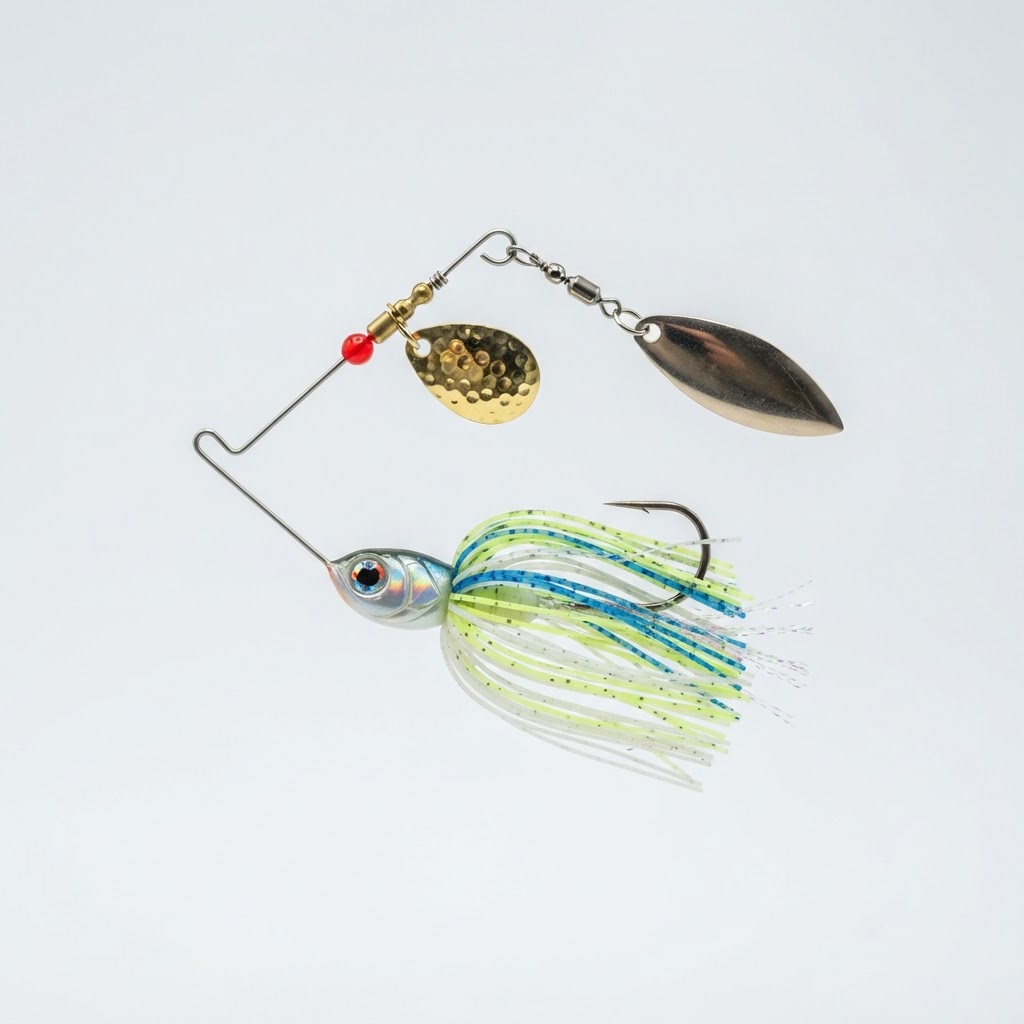
Spinnerbait
Flash and vibration that shines in dirty water.
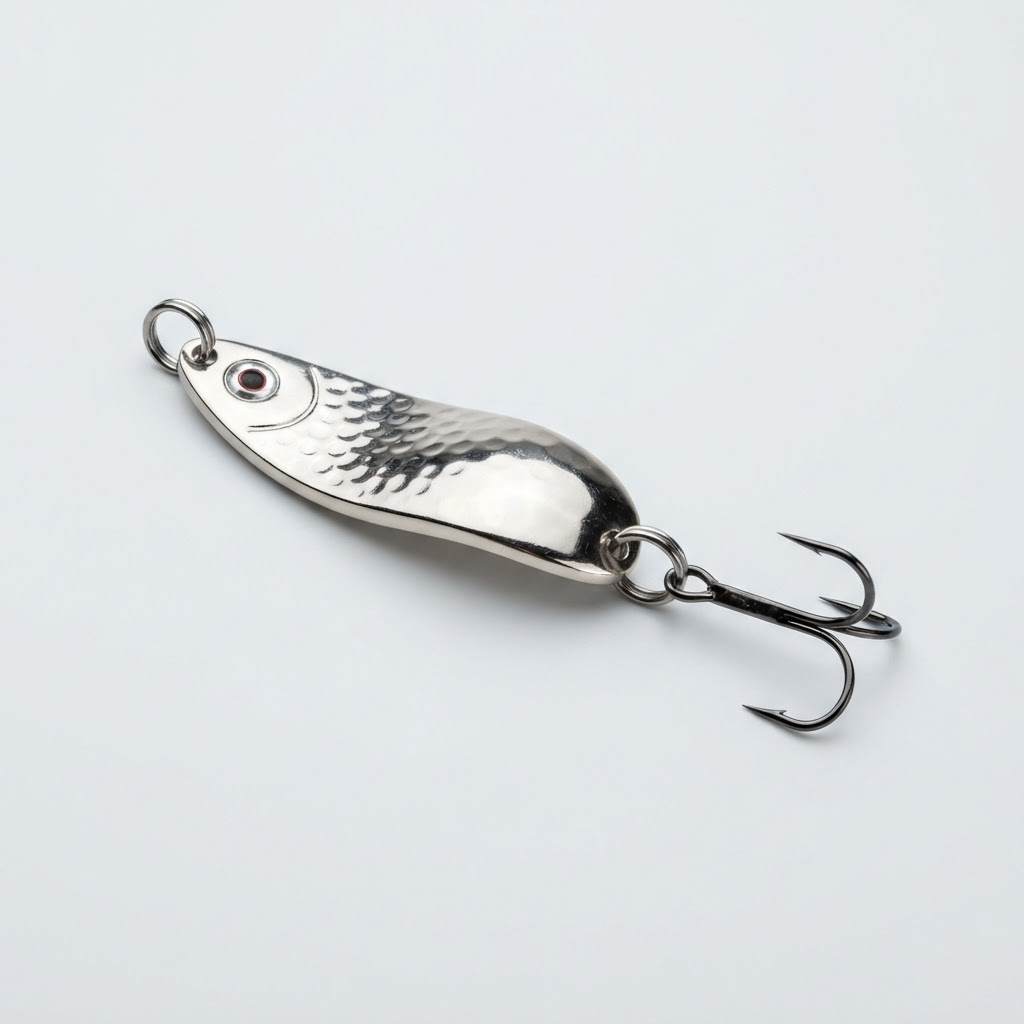 Spoons
Casting Spoon
Wobbling flash that fires up big fish.
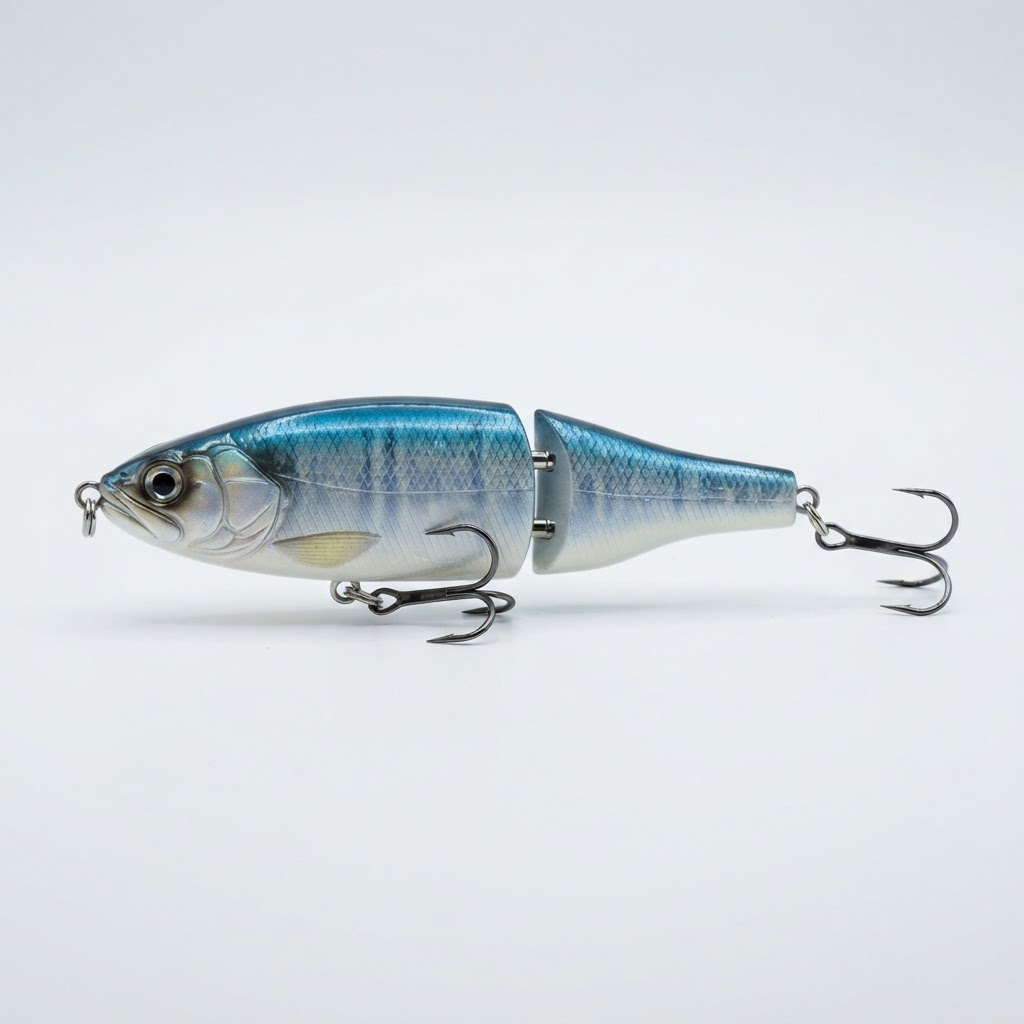 Crankbaits & Hardbaits
Glide Bait
A wide S-glide that fools trophy bass.
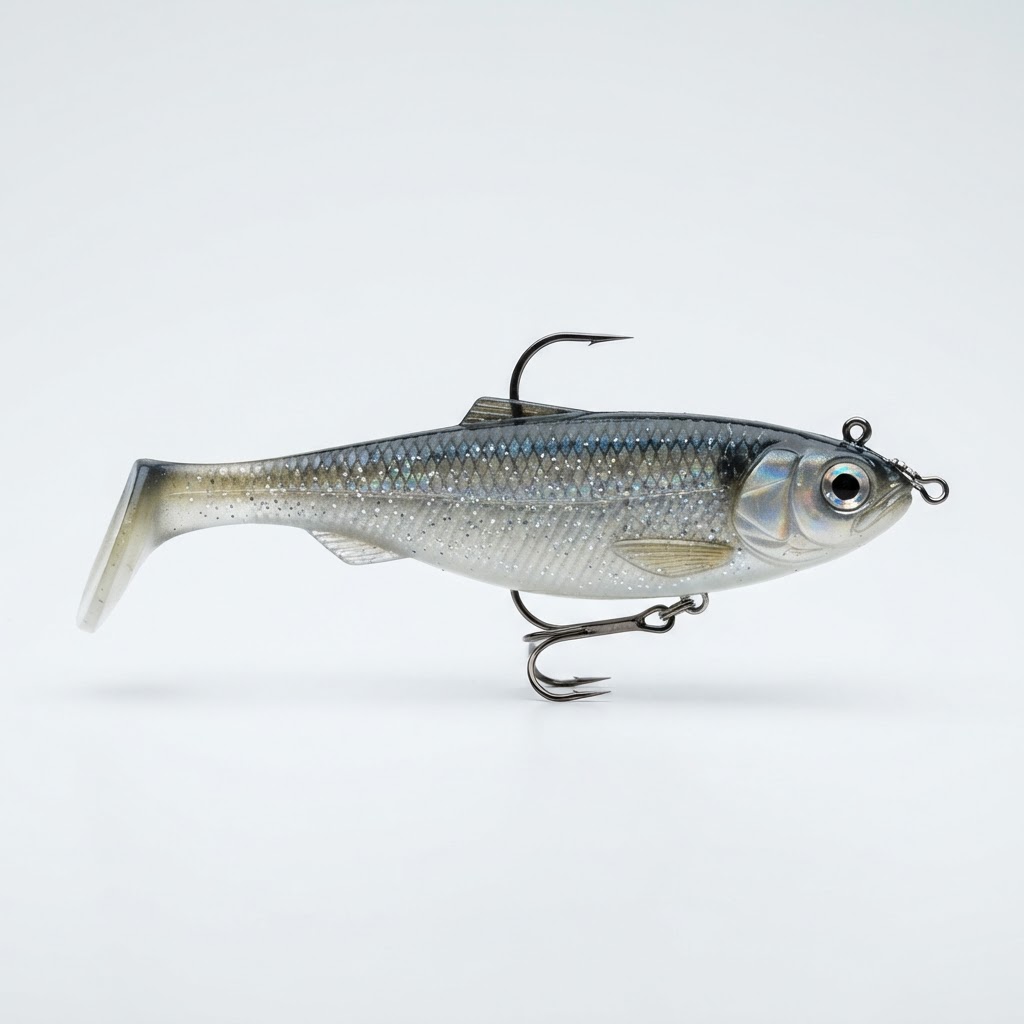 Swimbaits
Hollow-Belly Swimbait
Weedless big-bait for bass in cover.
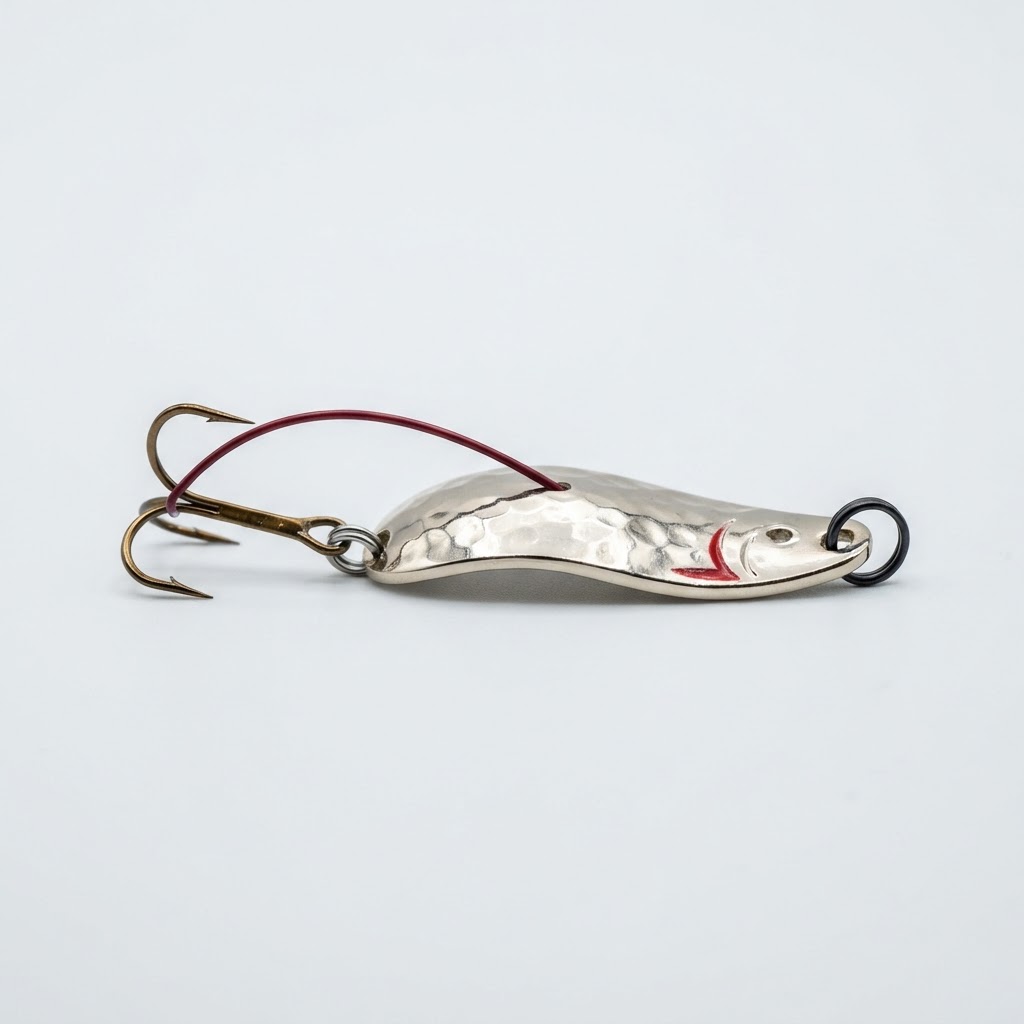 Spoons
Weedless Spoon
Slides over slop for pike and bass.
Rigs From The Library For Northern Pike
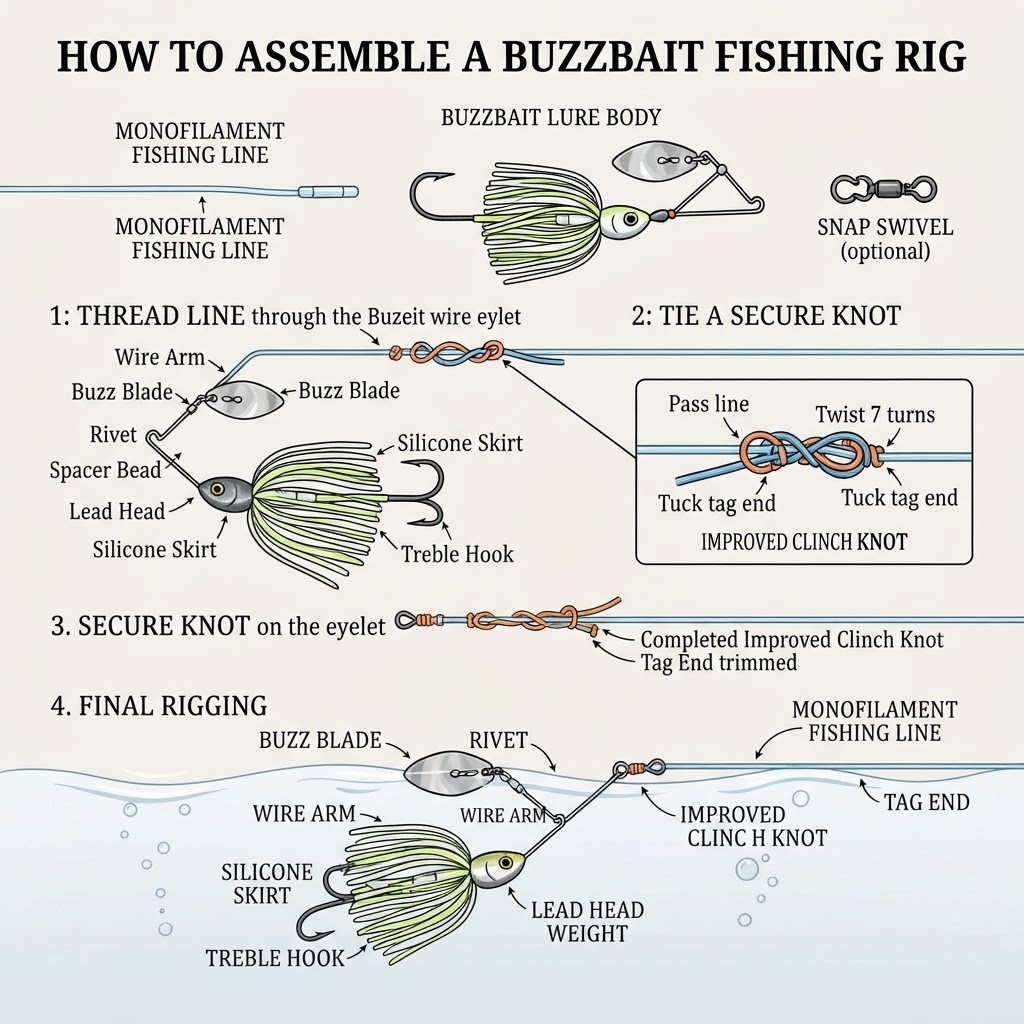 0-1 ft
Buzzbait
The ultimate topwater search bait designed to create a loud, churning commotion that triggers explosive, aggressive surface strikes.
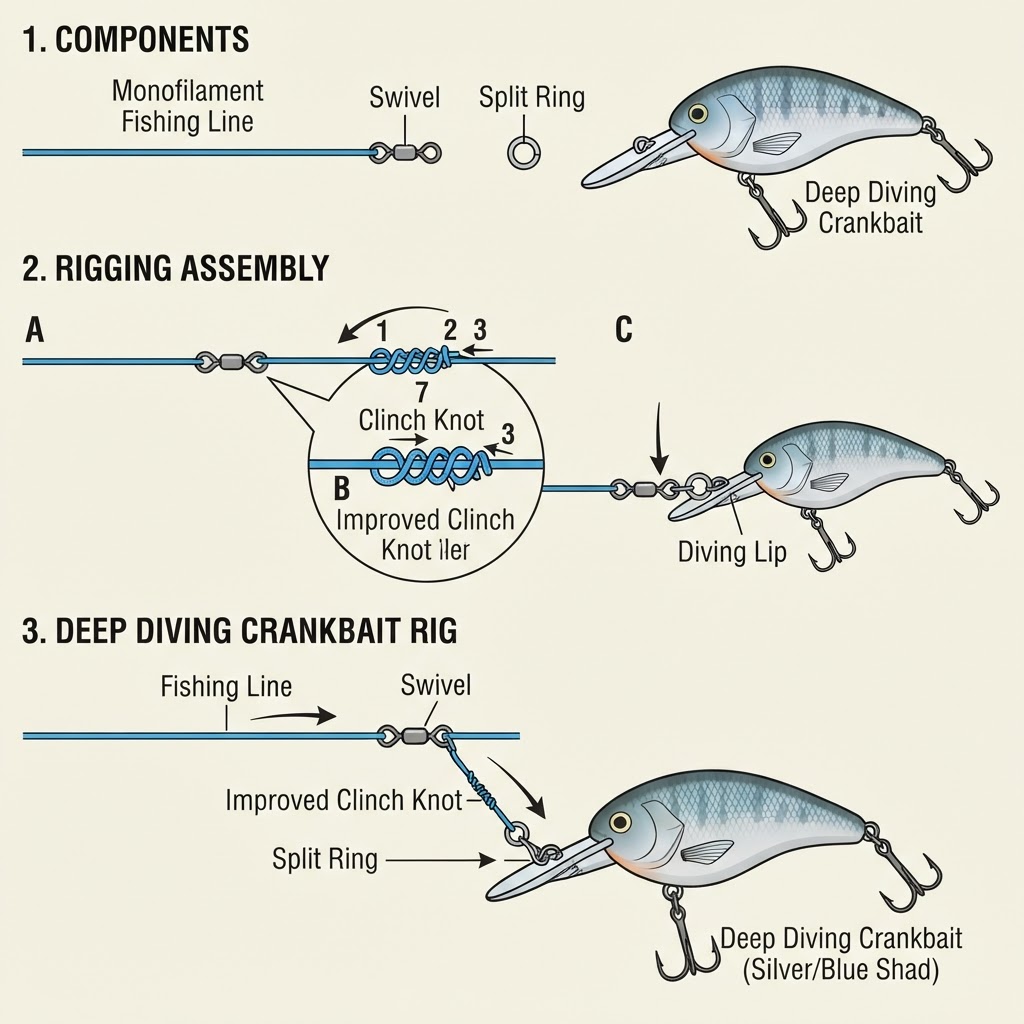 8-20 ft
Deep Diving Crankbait
The ultimate triggering tool for dredging deep structure and smashing reactive strikes from lethargic giants.
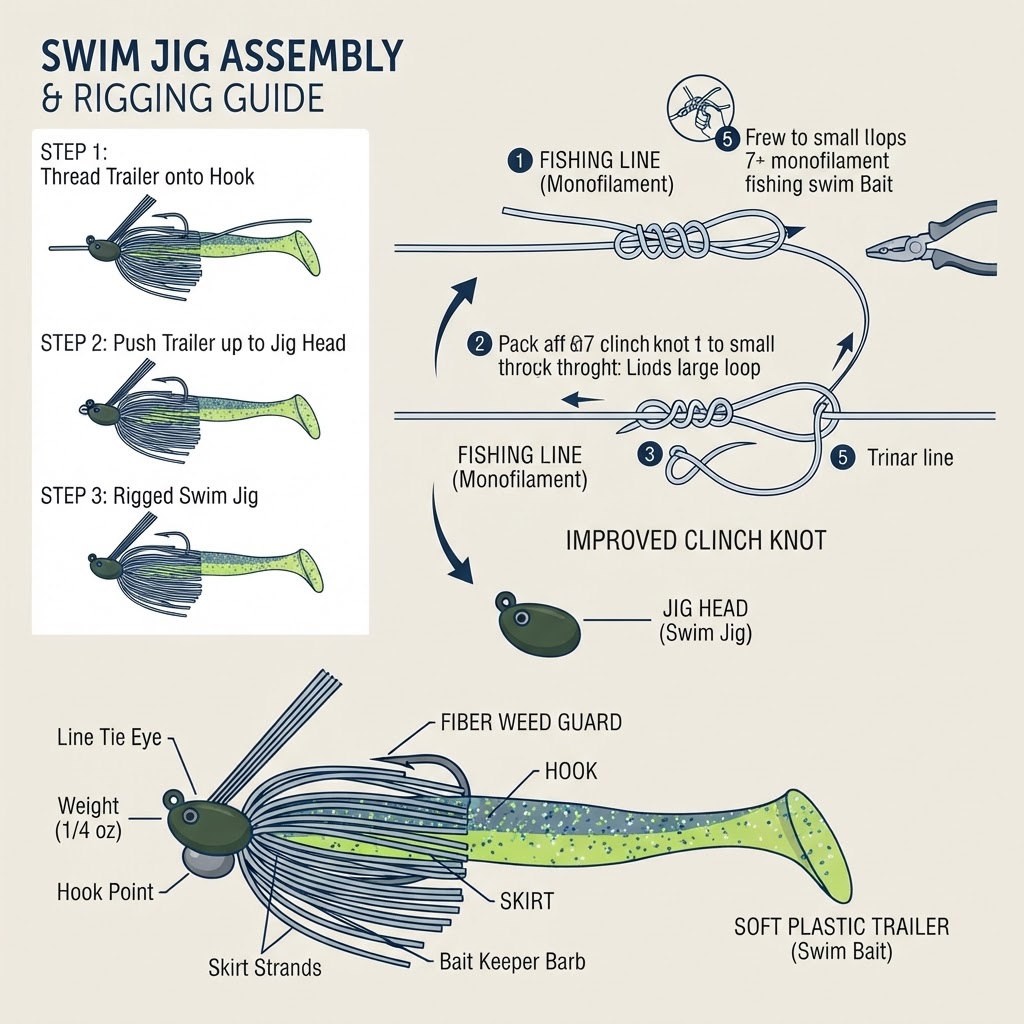 0-10 ft
Swim Jig
The ultimate weedless search bait that mimics a fleeing baitfish through the heaviest cover.
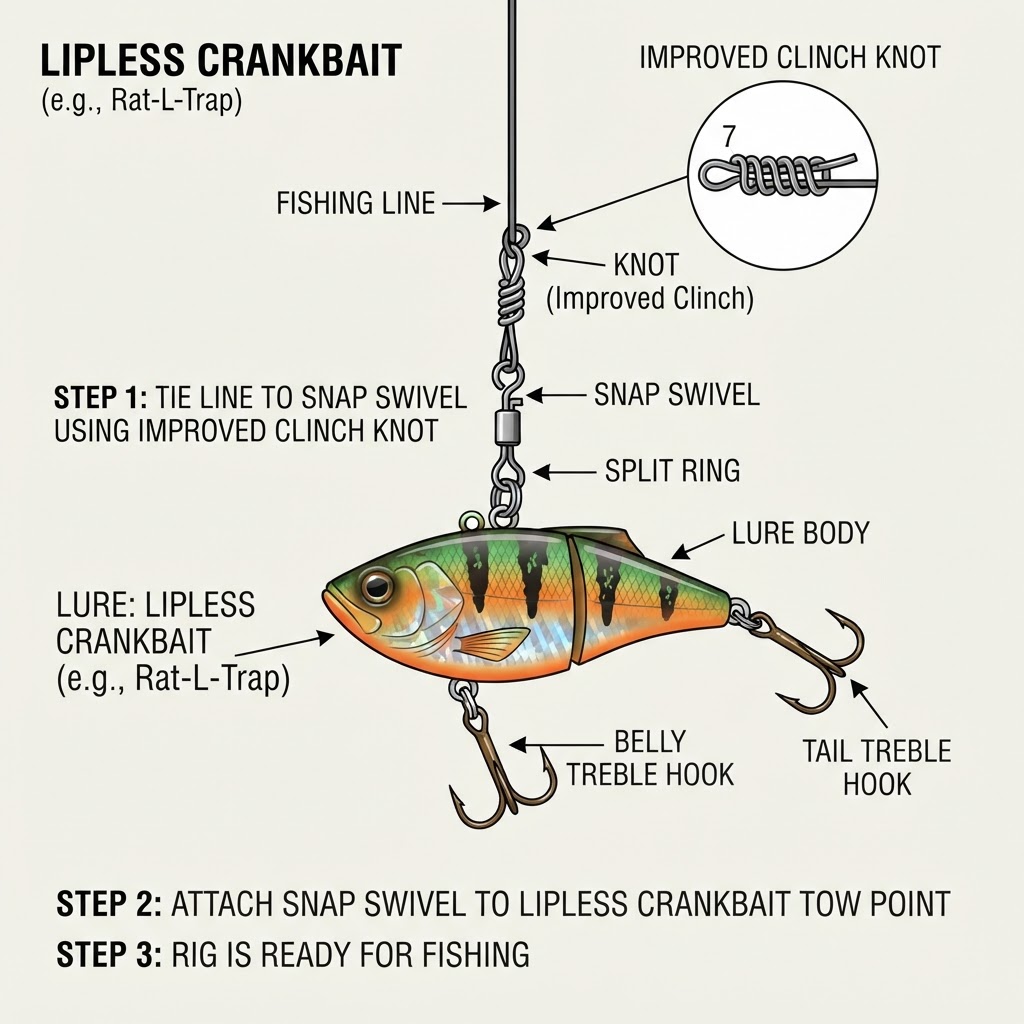 0-20 ft
Lipless Crankbait
The ultimate search bait that triggers reactionary strikes with its tight wobble and loud internal rattle.
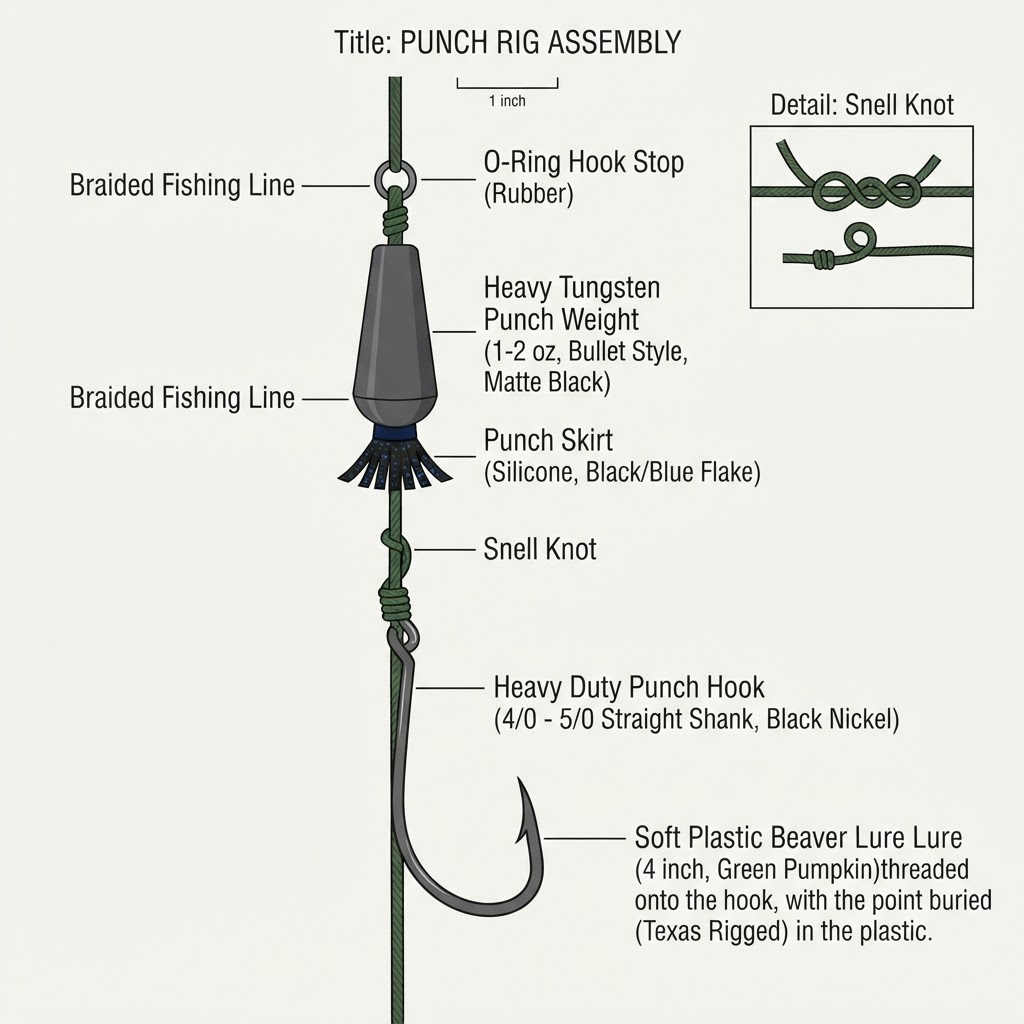 1-10 ft
Punch Rig
The ultimate heavy-cover weapon designed to crash through matted vegetation and trigger aggressive reaction bites from buried trophy bass.
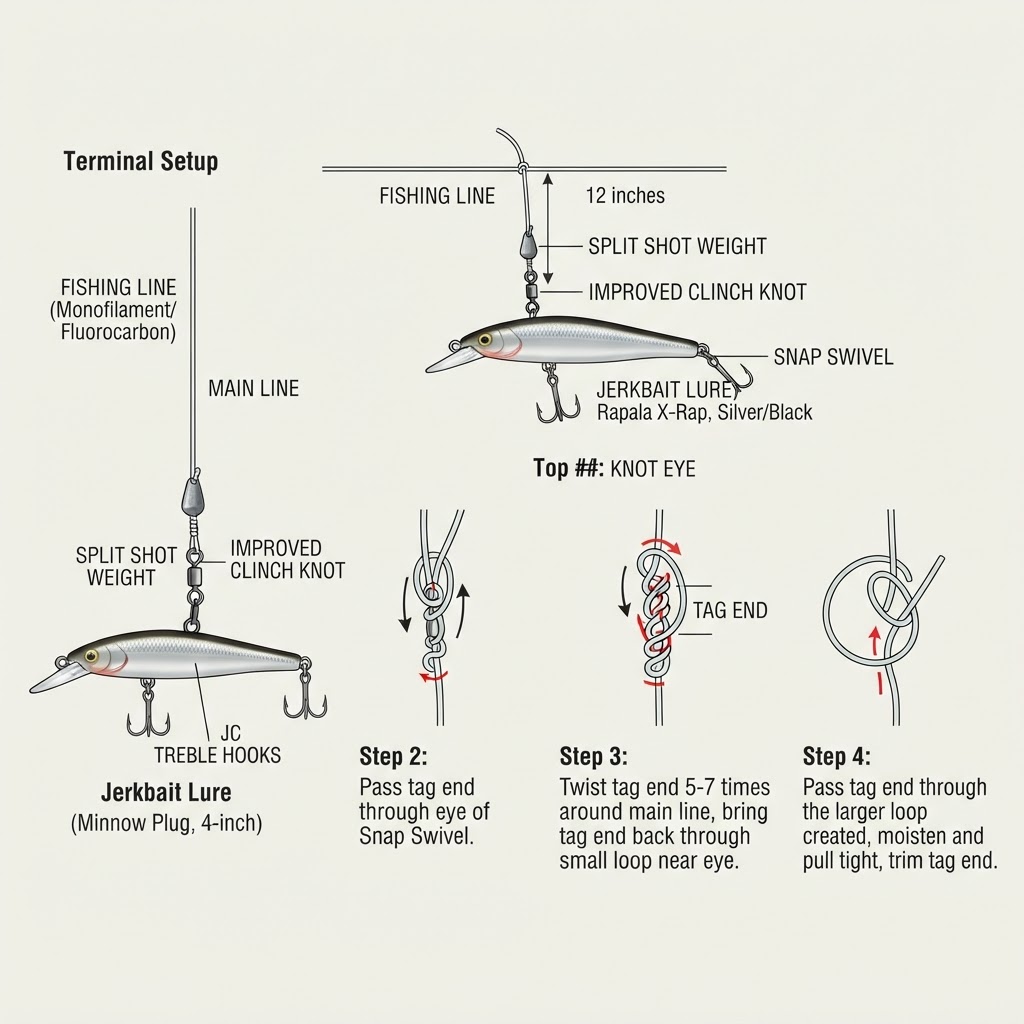 2-8 ft
Jerkbait
The ultimate predatory reaction trigger for lethargic fish in clear, cold water.
Catch more northern pike — free
Create a free account and unlock the full angling toolkit:
Latest from the Community