Crappie
Pomoxis annularis (White) and Pomoxis nigromaculatus (Black)
The elusive 'papermouth' is a schooling dynamo that offers some of the most rewarding light-tackle fishing in North America.
Typical Size
8 to 14 inches long and 0.5 to 1.5 pounds, with trophy specimens exceeding 2 pounds.
Prime Seasons
Spring (spawning) and Autumn (feeding frenzy).
Overview
Crappie are prized by anglers for both their schooling behavior, which can lead to fast-paced action once a group is located, and their exceptional table quality. They are predatory panfish known for their 'thump' when hitting a lure, often lurking around complex underwater cover like fallen timber, bridge pilings, and weed edges.
Anglers target Crappie throughout the year because they are accessible from both shore and boat, requiring finesse tactics and light line to entice consistent bites. Because they are structure-oriented and move vertically in the water column based on light and temperature, they reward anglers who pay close attention to sonar and seasonal depth shifts.
Identification
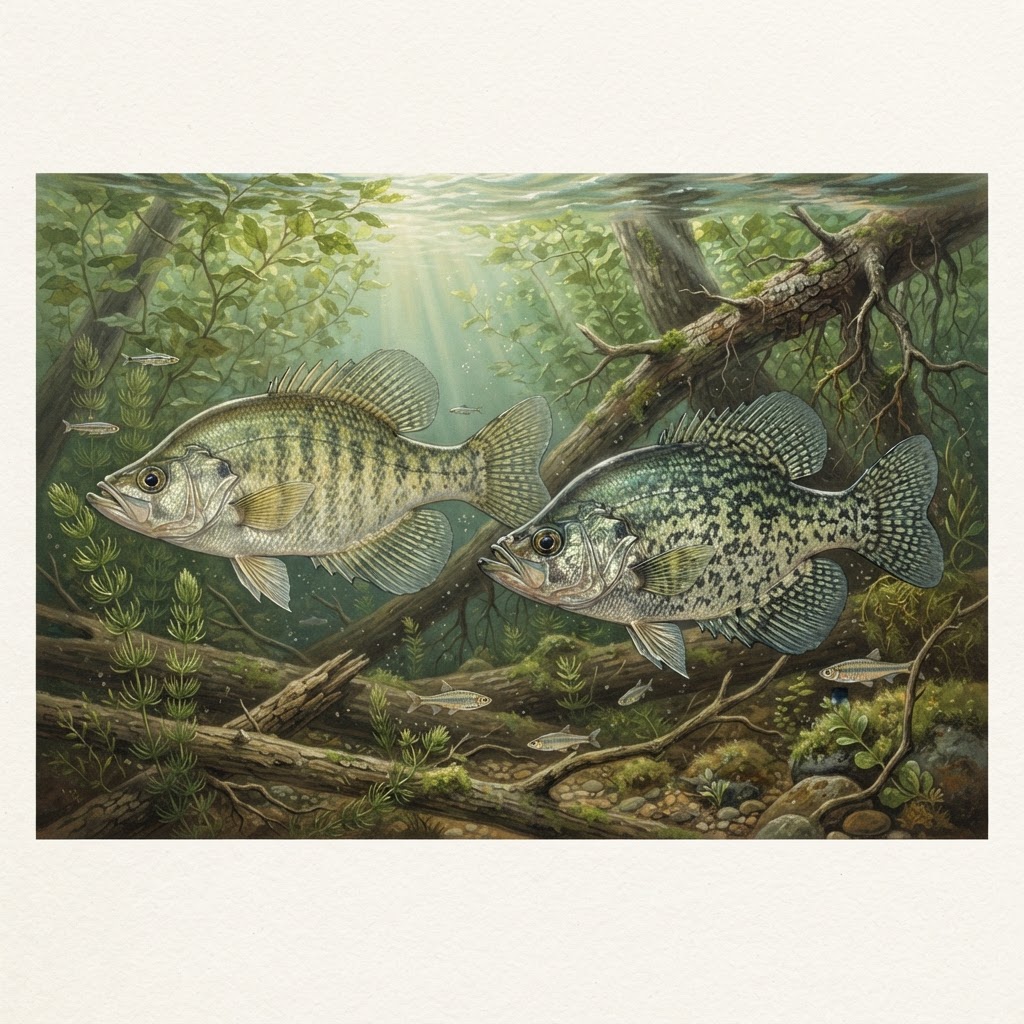
- Dorsal fin has 6-8 spines (White Crappie) or 7-8 spines (Black Crappie).
- Compressed, deep-bodied shape with a silver-to-greenish hue.
- White Crappie have vertical dark bars on sides; Black Crappie have irregular black blotches.
- Very thin, papery mouth tissue that tears easily if hooked too aggressively.
- Large, wide mouth relative to head size, facilitating opportunistic feeding.
Habitat
Diet & Forage
Behavior & Feeding
Crappie are schooling fish that exhibit highly crepuscular feeding habits, making dawn and dusk their most active windows. They are opportunistic predators that move vertically through the water column following shad schools and shift horizontally from deep-water basins in winter to shallow structure during the prespawn. While generally considered sight-feeders, they remain aggressive when presented with micro-jigs or minnows near submerged cover like brush piles or standing timber.
Spawning
Spawning typically commences in the spring when water temperatures consistently stabilize between 55°F and 65°F. Males move into the shallows first to fan out saucer-shaped nests in firm, sandy, or muddy bottoms near aquatic vegetation. This period is a prime time for anglers, as the fish are concentrated and defensive, though they become much more elusive once the post-spawn recovery phase begins.
Water Temperature
Weather Triggers
Stable Barometric Pressure
Produces the most consistent, predictable bite for active schooling fish.
Cloudy Overcast Sky
Extends the prime feeding window beyond dawn and dusk; target shallower water.
Cold Front Passage
Forces crappie to hold tightly to dense cover and reduces feeding aggression.
Light Rain/Ripple
Diminishes surface light, causing crappie to lose their skittishness in shallow zones.
Depth by Season
Best Lure Rigs & Setups
Vertical Jigging (Spider Rigging)
When: When crappie are suspended over deep brush piles.
Setup: 4-6lb monofilament line, 1/16oz to 1/8oz jig head, 2-inch plastic curly-tail grub.
Slip-Bobber Rig
When: When targetting fish holding at a specific depth along weed edges.
Setup: Slip-bobber, 1/32oz hair jig or live minnow on a #6 Aberdeen hook, 4lb fluorocarbon leader.
Small Micro-Spoon
When: Aggressive winter or deep-water schooling fish.
Setup: 6lb braid main line to 4lb fluoro leader, 1/16oz flutter spoon, fast snap swivel.
Best Knots
Lures That Catch Crappie
 Soft Plastics
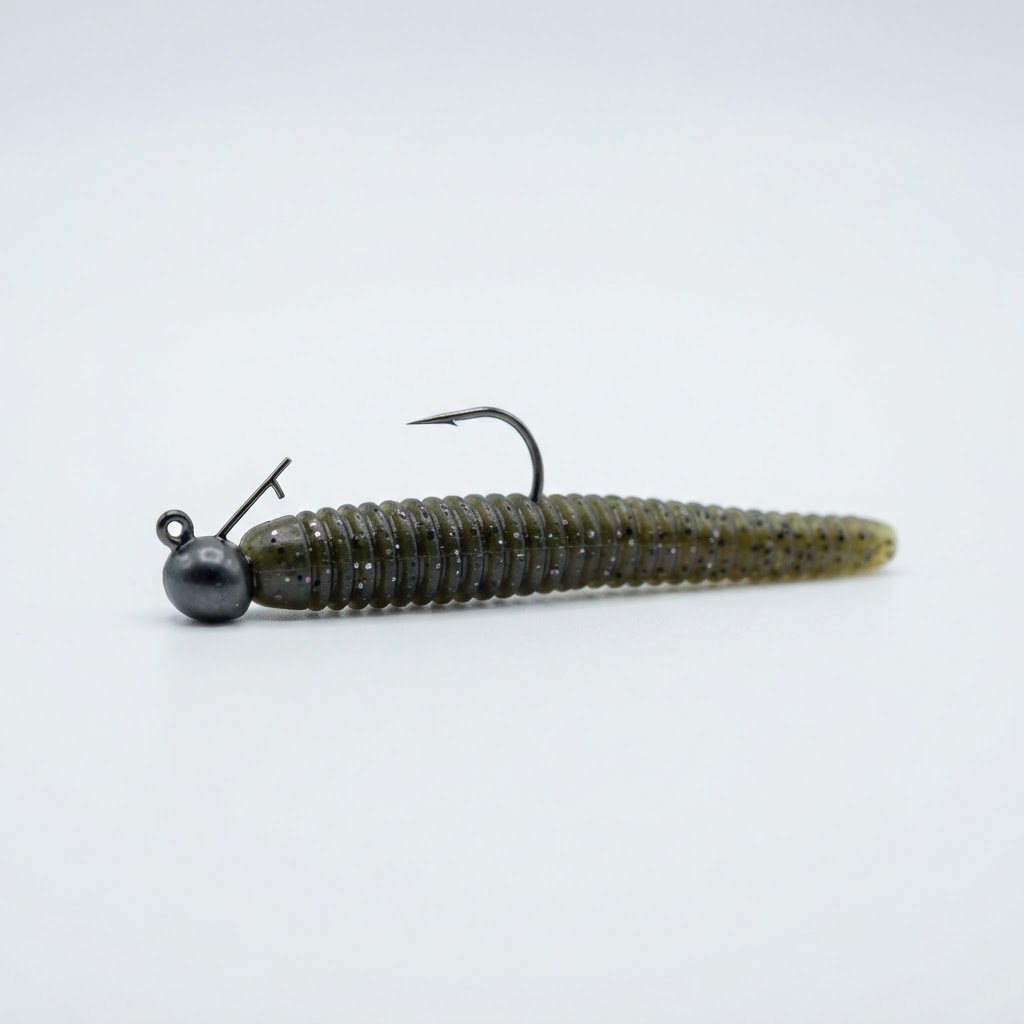
Ned Rig
Finesse bottom bait that catches when nothing else will.
 Jigs
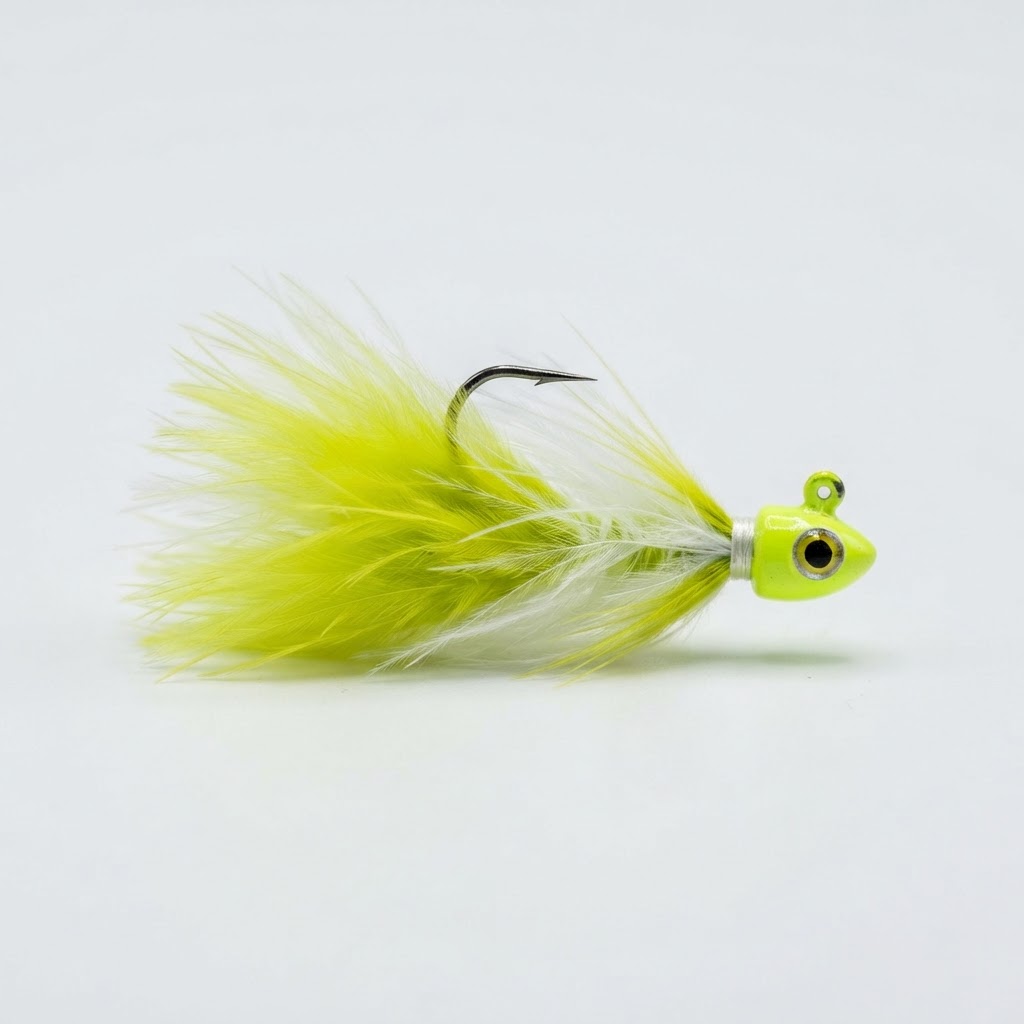
JigsCrappie Jig
The go-to panfish producer.
 Spoons
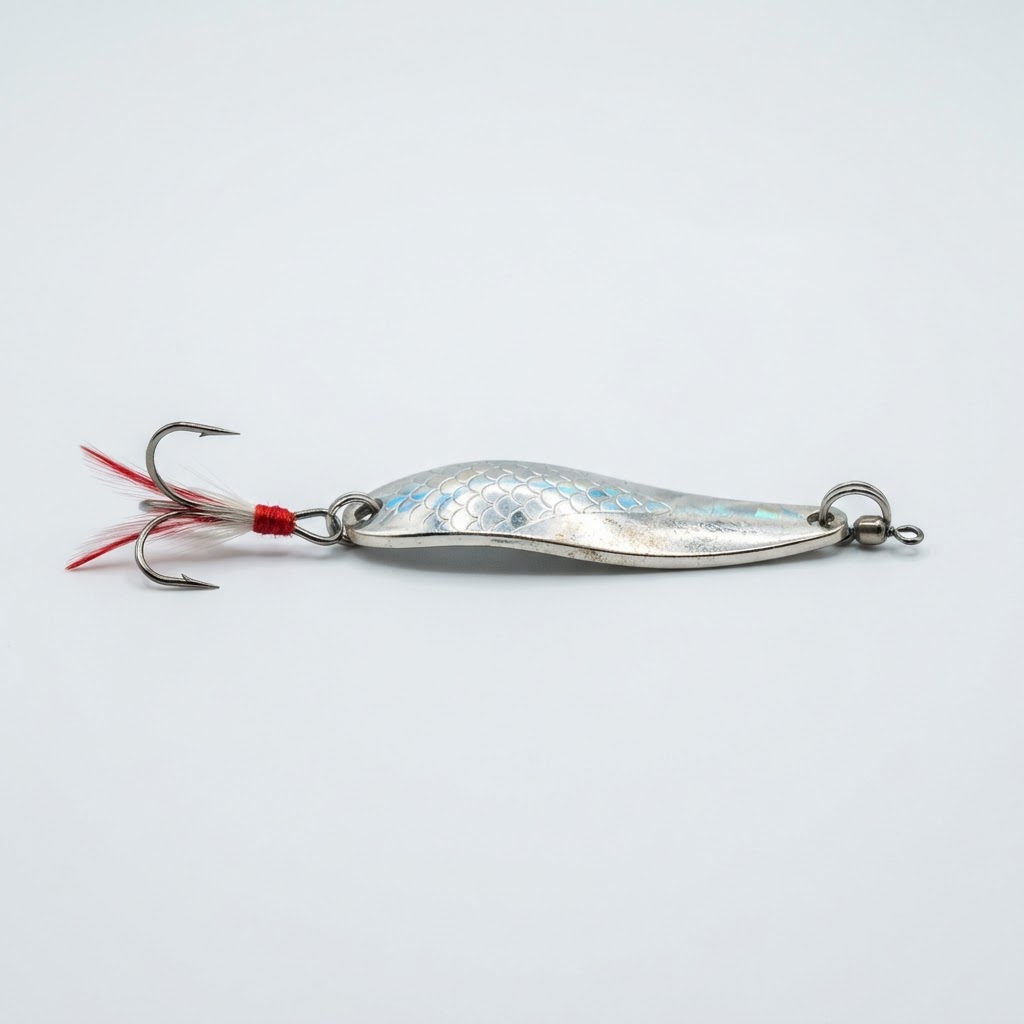
Jigging Spoon
Vertical flash for deep, schooled fish.
 Live Bait
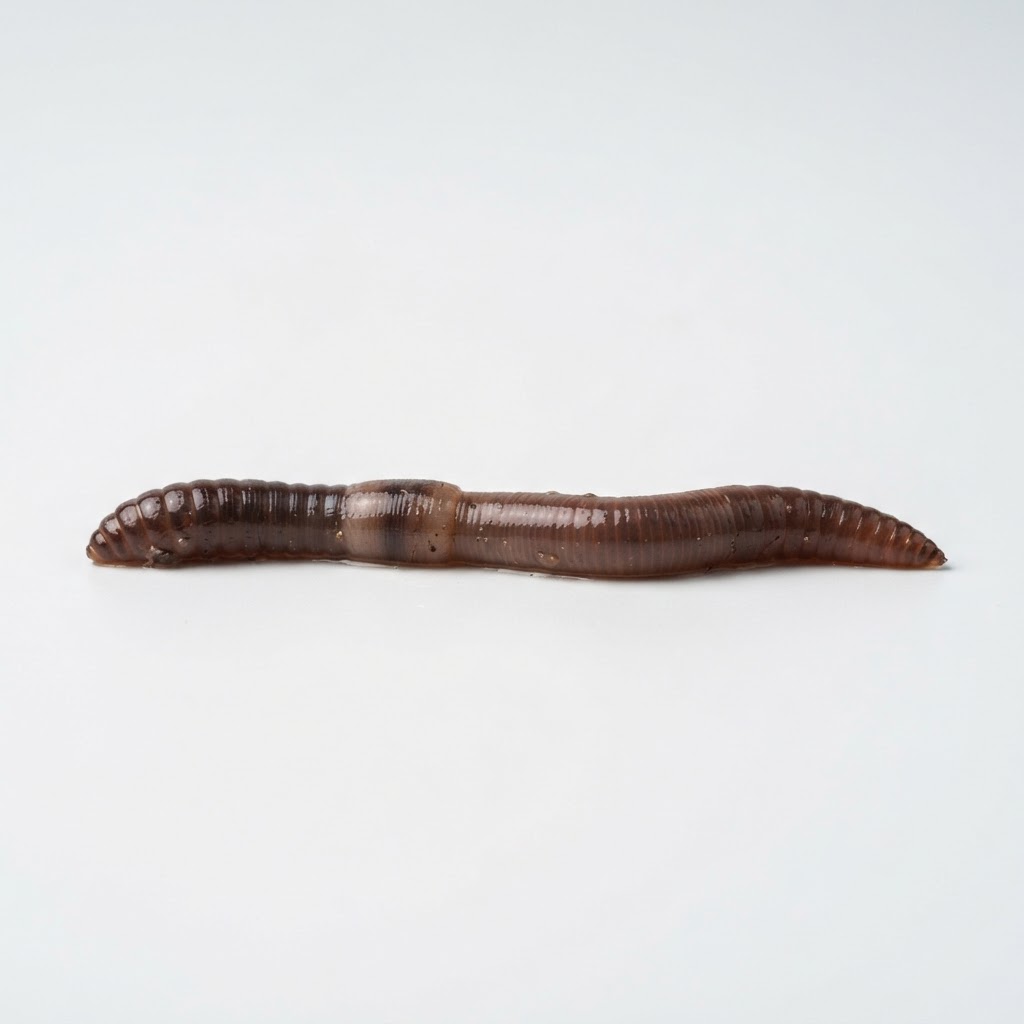
Nightcrawler
Nothing beats live worm for numbers.
 Live Bait
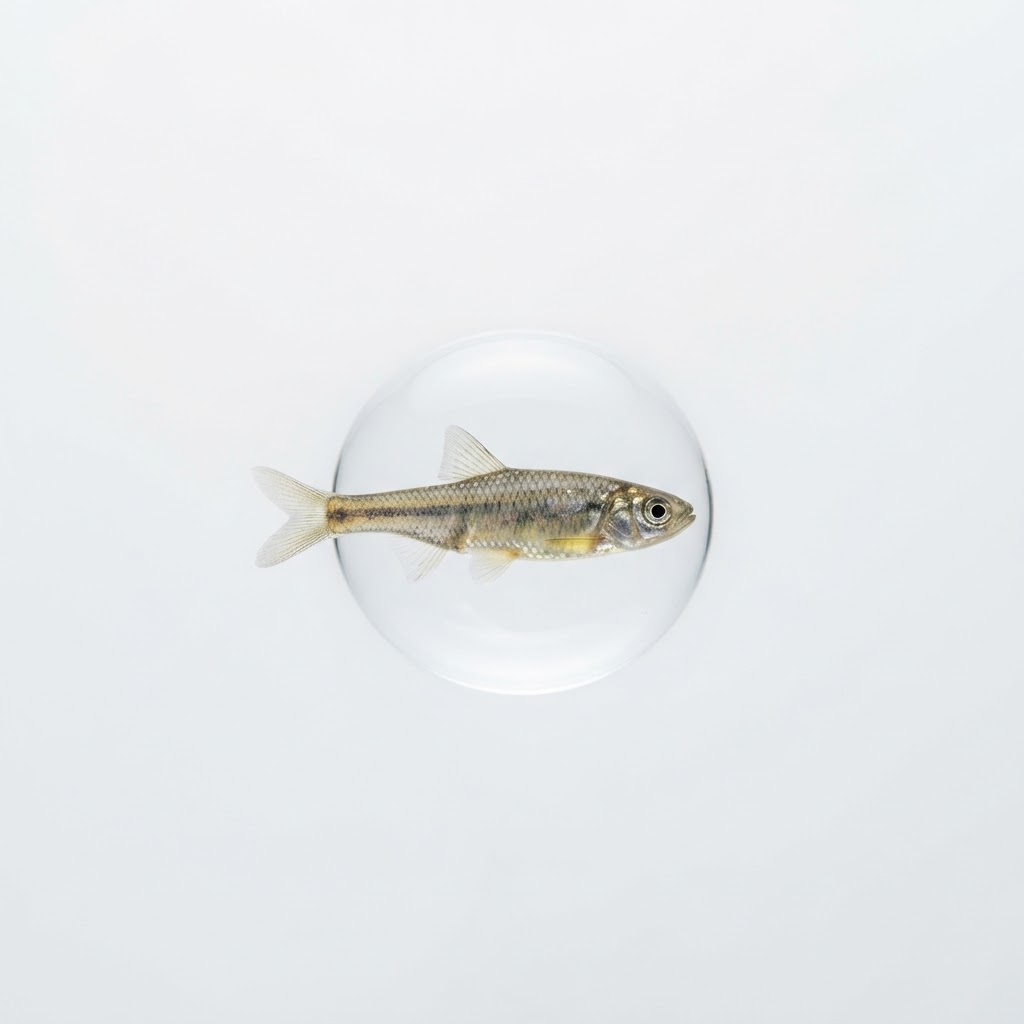
Live Minnow
The top live bait for predators.
 Jigs
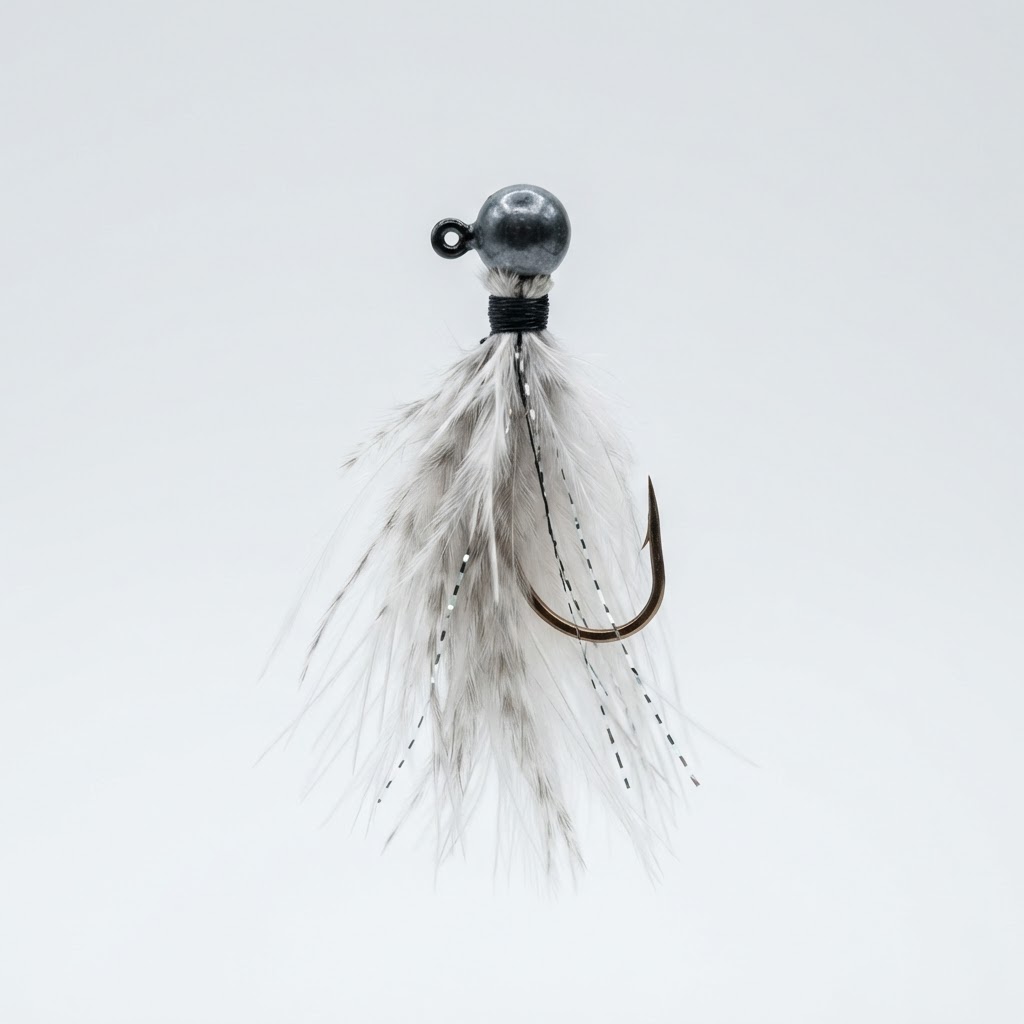
JigsMarabou Jig
Feather-soft flutter for panfish.
 Spinner & Bladed
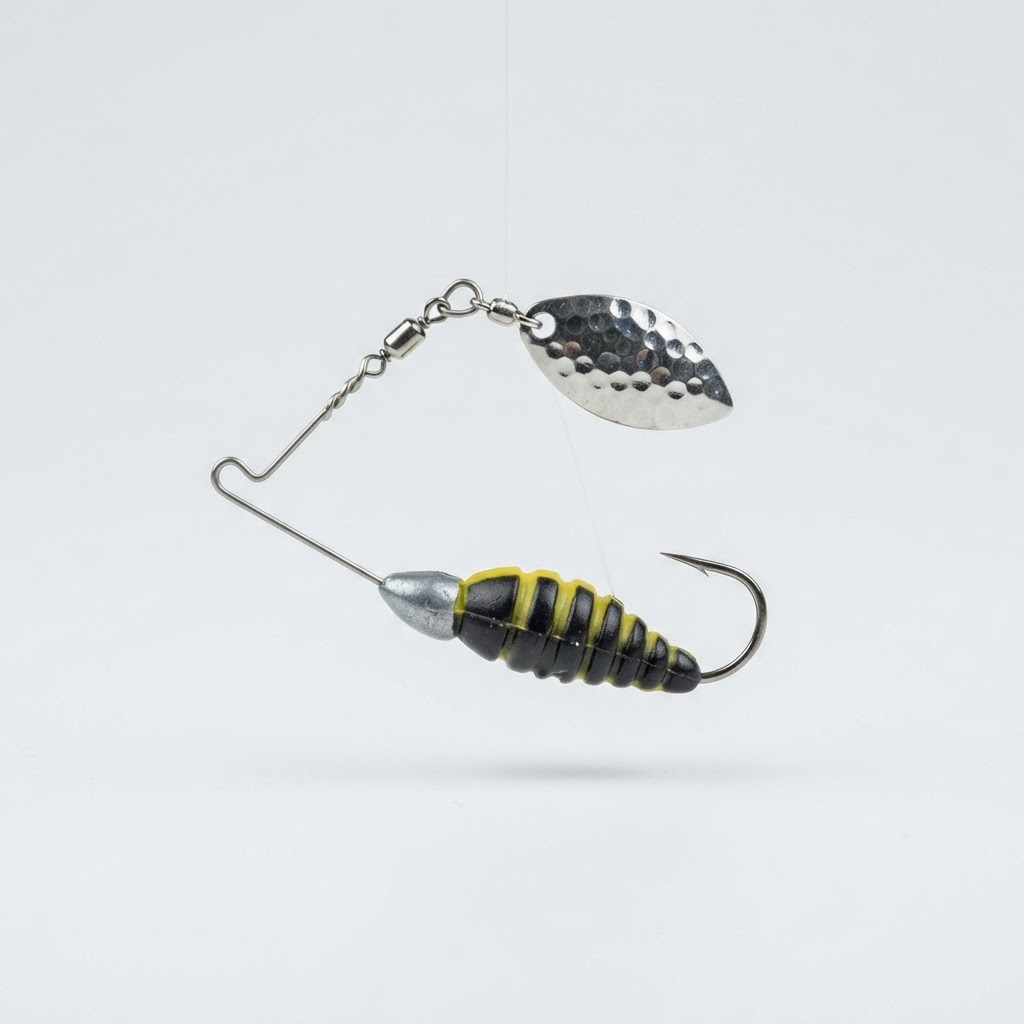
Beetle Spin
A tiny spinner panfish can't leave alone.
Rigs From The Library For Crappie
 0-20 ft
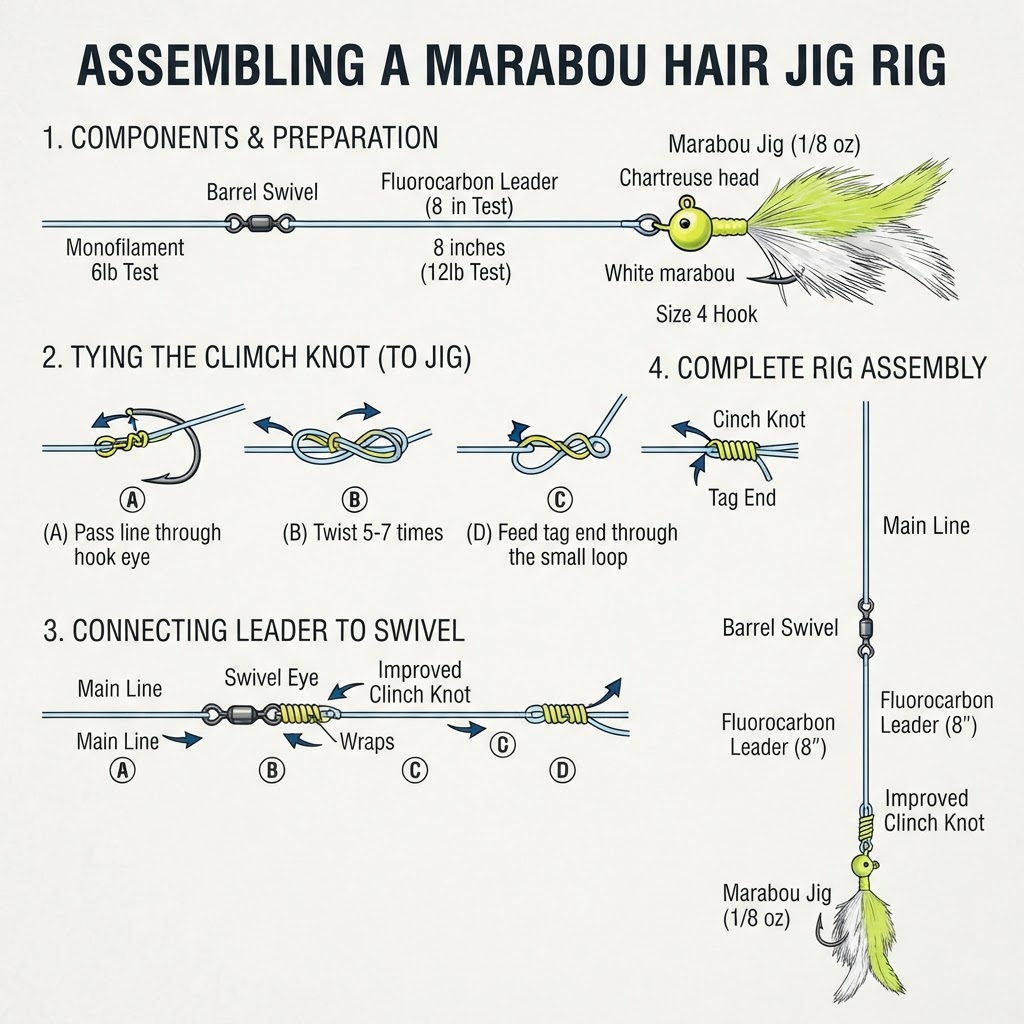
Marabou Hair Jig
The ultimate finesse presentation that breathes and undulates to trigger strikes from even the most lethargic, cold-water predators.
 3-30 ft
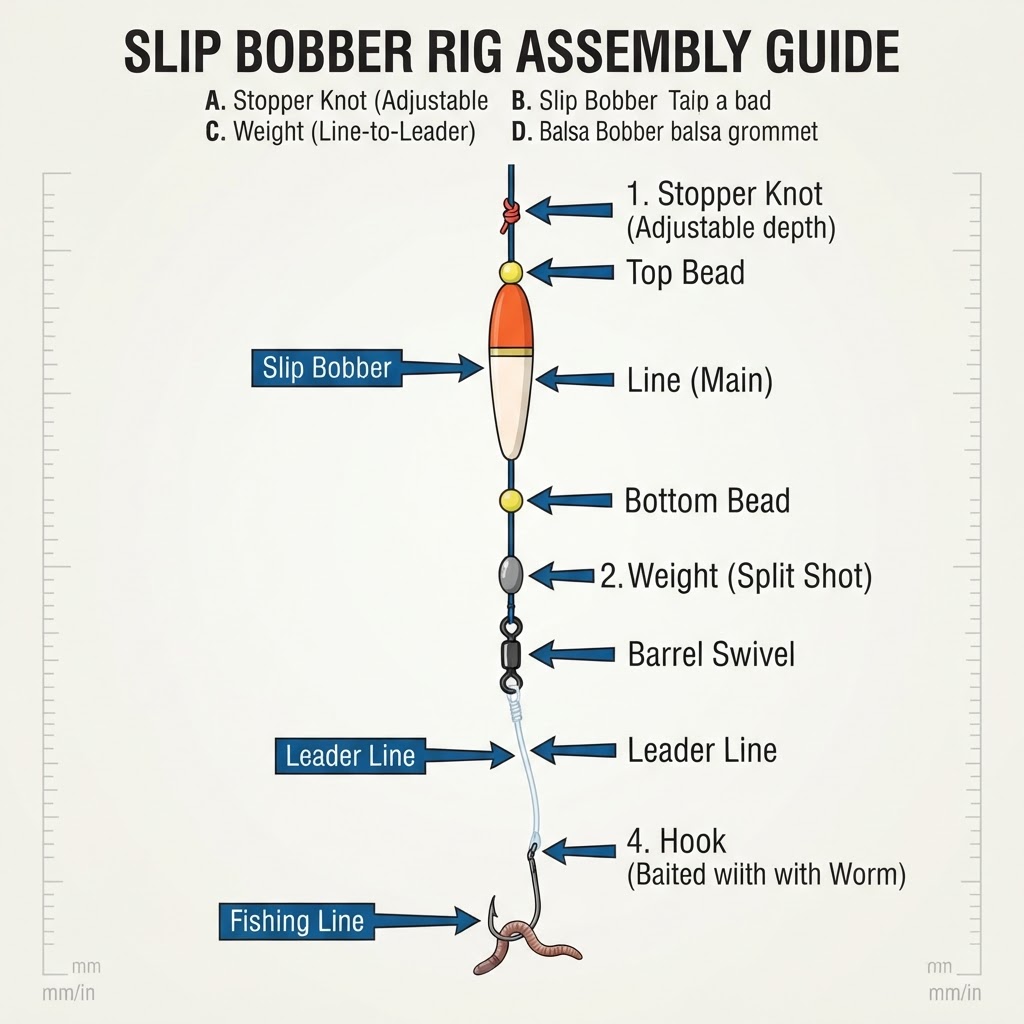
Slip Bobber Rig
The ultimate precision tool for suspending live bait at any depth, keeping your presentation in the strike zone longer.
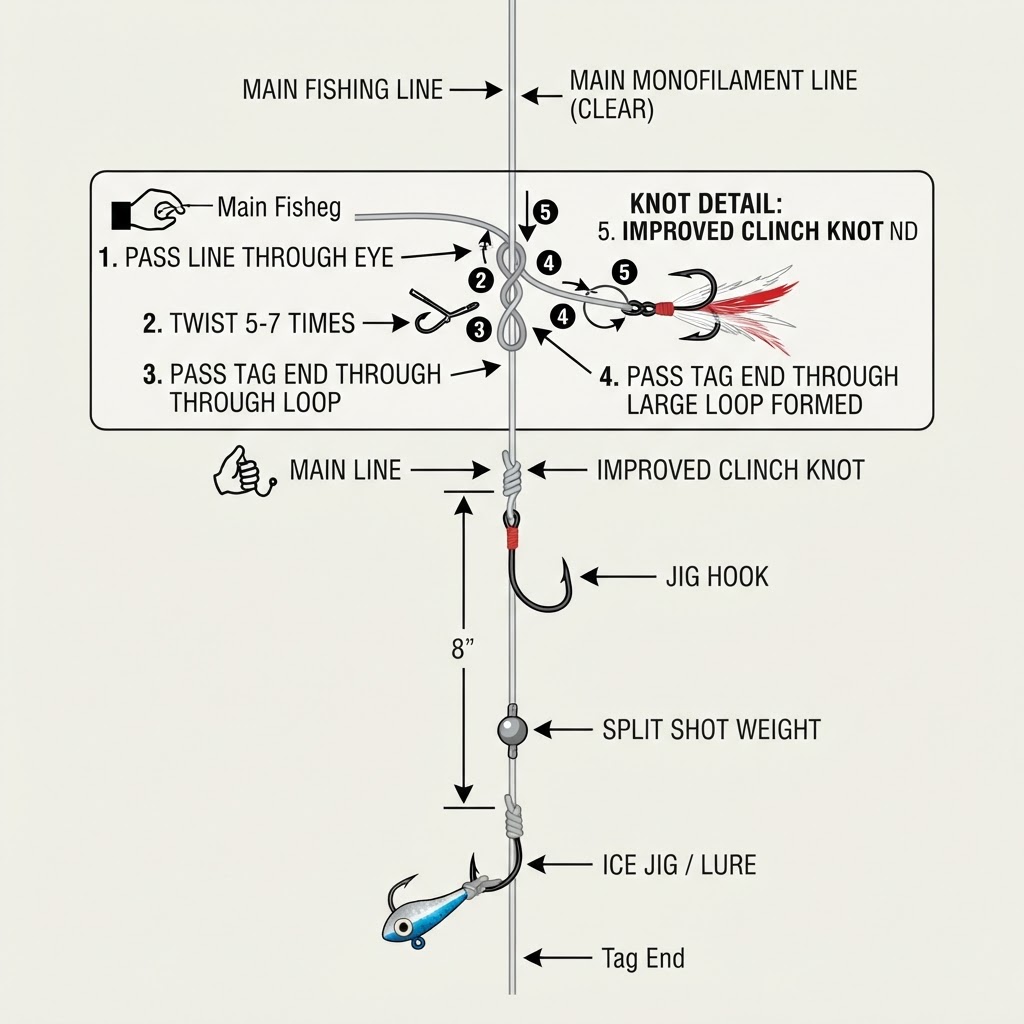 5-50 ft
Ice Jigging Rig
The ultimate precision tool for drawing strikes from lethargic predators beneath the ice.
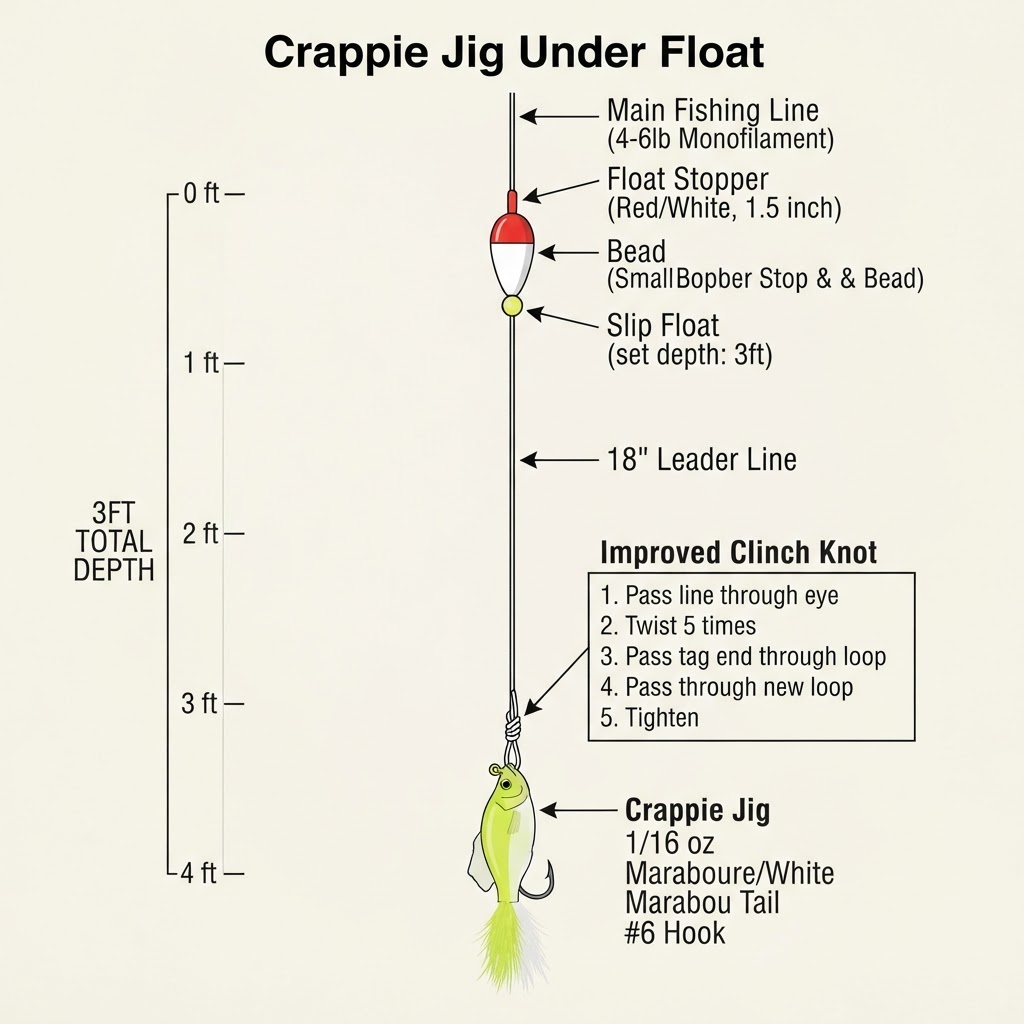 1-10 ft
Crappie Jig Under Float
The ultimate precision tool for suspending micro-jigs at exact depths to trigger lethargic panfish.
Catch more crappie — free
Create a free account and unlock the full angling toolkit:
Latest from the Community