Brook Trout
Salvelinus fontinalis
The jewel of the wilderness, the Brook Trout is a pristine inhabitant of cold, clear mountain streams and high-elevation lakes.
Typical Size
8 to 14 inches in typical streams; lake populations can reach 18 to 22 inches in trophy waters.
Prime Seasons
Late spring through early summer for peak insect activity, and early autumn when trout feed heavily in preparation for spawning.
Overview
Often called 'brookies,' these beautiful char are the ultimate prize for anglers seeking tranquility and aggressive strikes in remote waters. They are native to Eastern North America but have been widely introduced throughout the West, prized for their willingness to strike flies and small lures with reckless abandon.
Anglers target brook trout not just for their striking coloration—featuring vermiculated 'worm-like' patterns and bright red spots with blue halos—but for their role as an indicator of supreme water quality. Catching them requires finesse, stealth, and an understanding of how they position themselves in current to intercept drifting insects.
Identification
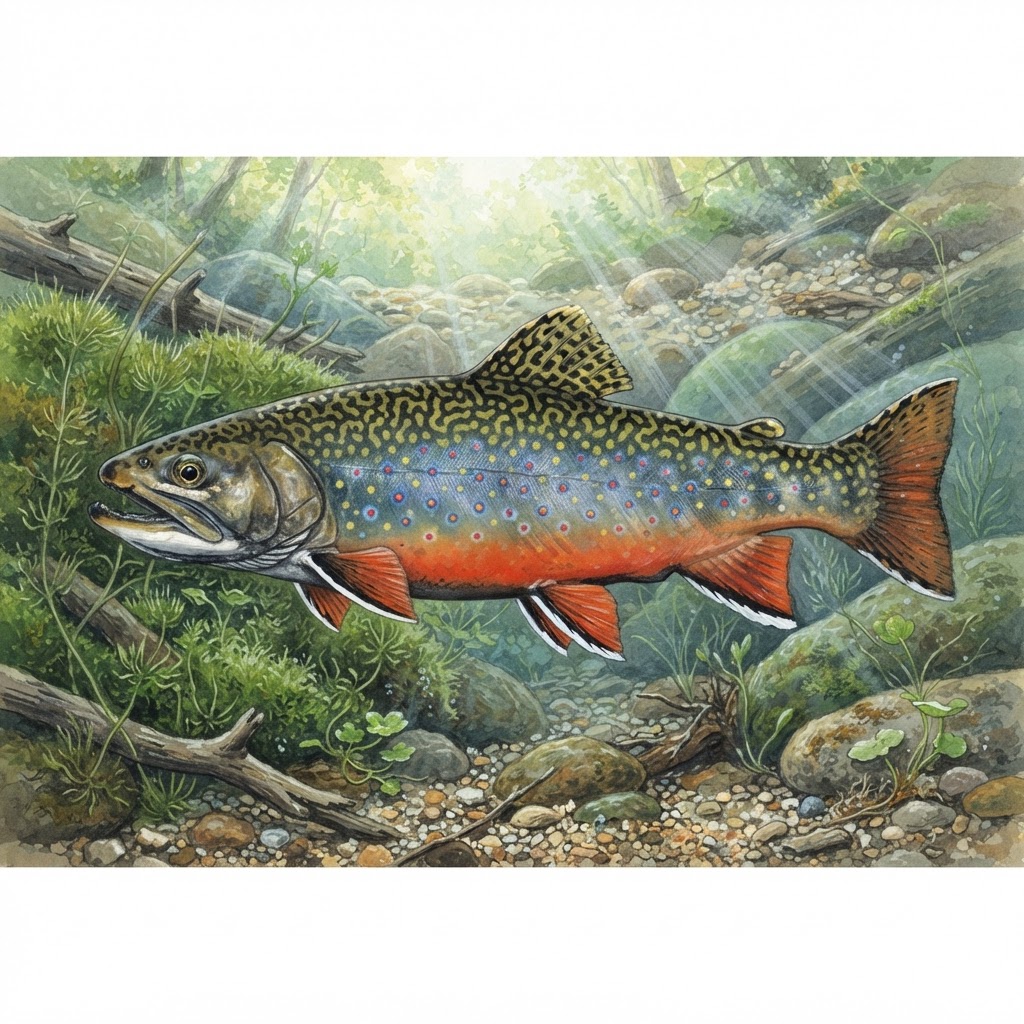
- Dark green to brown back with cream-colored worm-like markings called vermiculations.
- Bright red spots surrounded by distinctive blue halos on the flanks.
- Lower fins feature a stark white leading edge followed by a black line and orange hue.
- Possesses a square-shaped tail compared to the forked tail of other trout species.
- Member of the char family, often showing a slightly lighter belly color than trout.
Habitat
Diet & Forage
Behavior & Feeding
Brook trout are opportunistic predators that primarily feed on aquatic insects, crustaceans, and occasionally small fish. They are most active during the low-light periods of dawn and dusk, frequently retreating to deep, shaded pools or undercut banks during the midday heat. While generally aggressive when food is scarce, they become highly territorial in shallow riffles. During the fall, their movement is dictated by the urge to migrate upstream toward spawning grounds, often congregating in large pools at the base of barriers.
Spawning
Brook trout spawn in the autumn, typically between September and November depending on latitude and elevation. They require cold, oxygenated water ranging from 40 to 50 degrees Fahrenheit, selecting clean gravel beds in spring-fed tributaries for egg deposition. During this period, trout display heightened aggression as males compete for females, but they are generally less interested in feeding. Ethical anglers should avoid targeting fish on their redds to ensure successful recruitment for future seasons.
Water Temperature
Weather Triggers
Overcast Skies
Reduces UV penetration, prompting trout to abandon deep cover and forage in shallower, open water.
Falling Barometer
Often signals an approaching storm and triggers a 'feeding frenzy' where trout become highly opportunistic.
Post-Cold Front
Causes lethargy and deep holding; fish must be enticed with slow, bottom-bouncing presentations.
Depth by Season
Best Lure Rigs & Setups
Dry Fly Rig
When: When insects are rising to the surface during hatches.
Setup: 9-foot 4wt or 5wt fly rod, 5X or 6X fluorocarbon tippet, floating line.
Ultralight Spinner Setup
When: Searching deep pools in rivers or targeting aggressive stream trout.
Setup: 4lb monofilament line, 1/16 oz gold or silver Mepps or Panther Martin spinner.
Euro-Nymphing Rig
When: When fish are holding on the stream bottom.
Setup: 10-foot 3wt rod, thin specialized fly line, 0.12mm indicator tippet with weighted tungsten bead-head nymphs.
Best Knots
Lures That Catch Brook Trout
 Spinner & Bladed
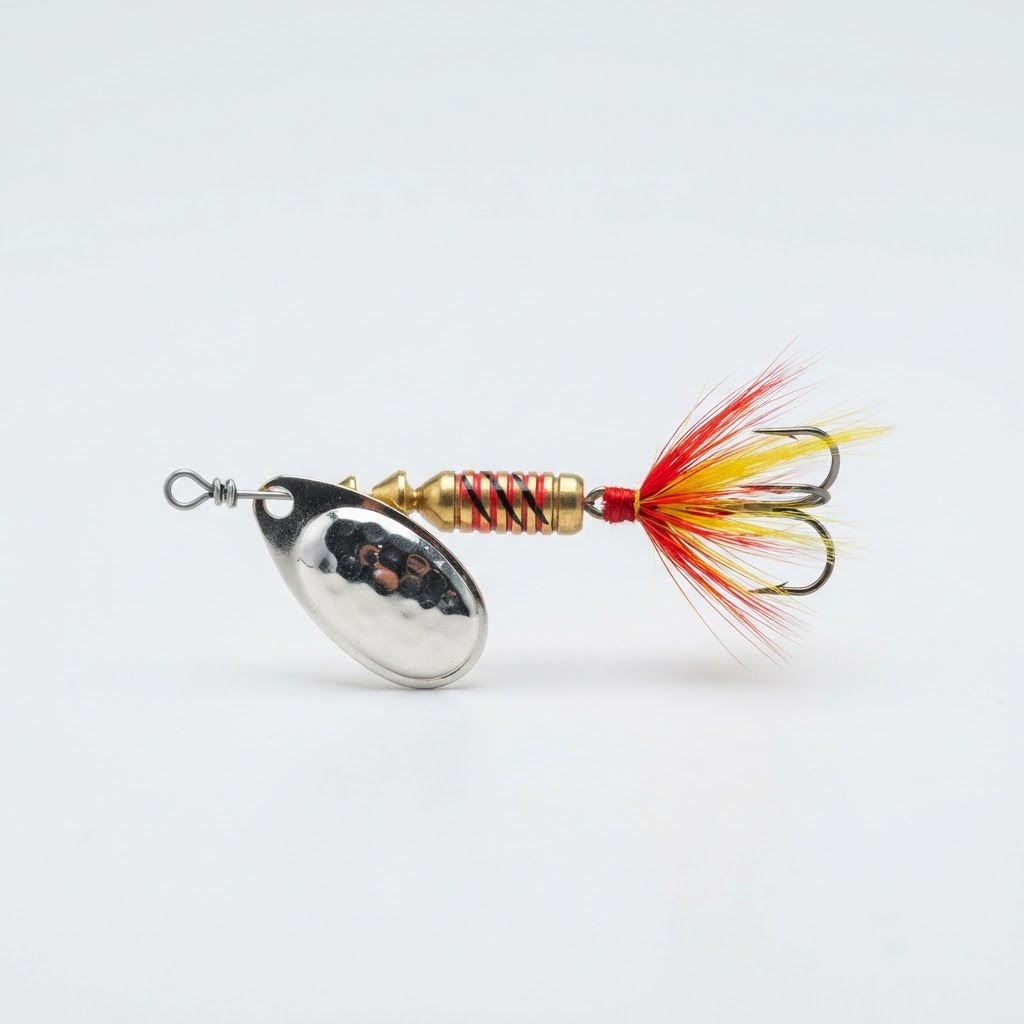
Inline Spinner
Simple, deadly flash for trout and panfish.
 Spoons
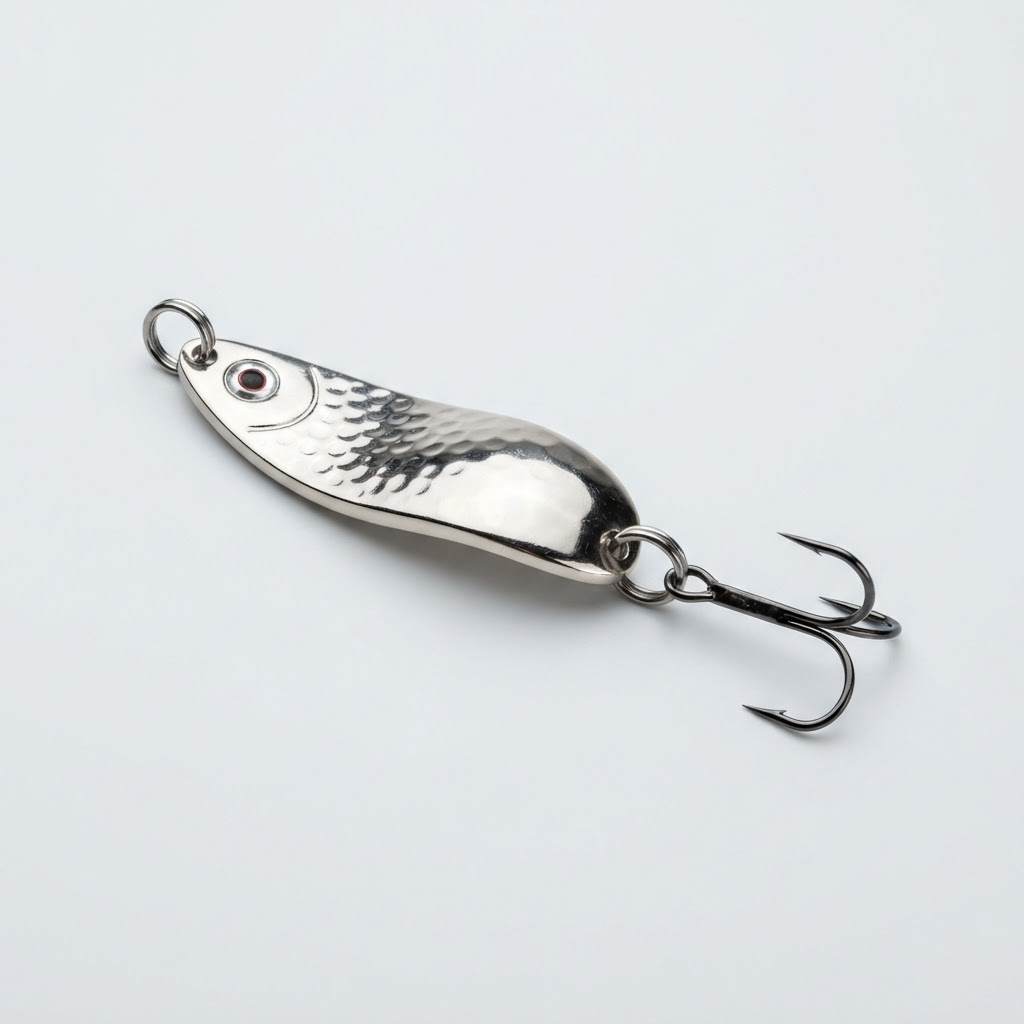
Casting Spoon
Wobbling flash that fires up big fish.
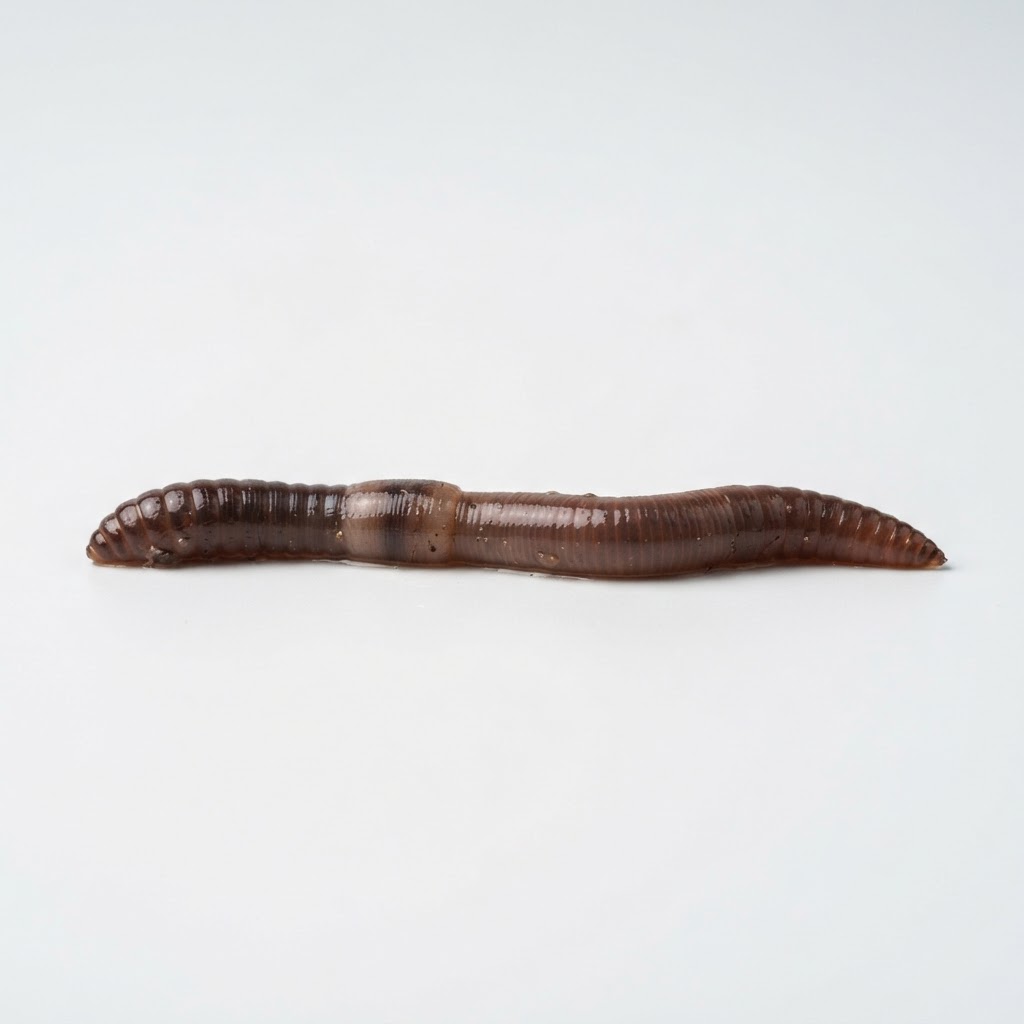 Live Bait
Nightcrawler
Nothing beats live worm for numbers.
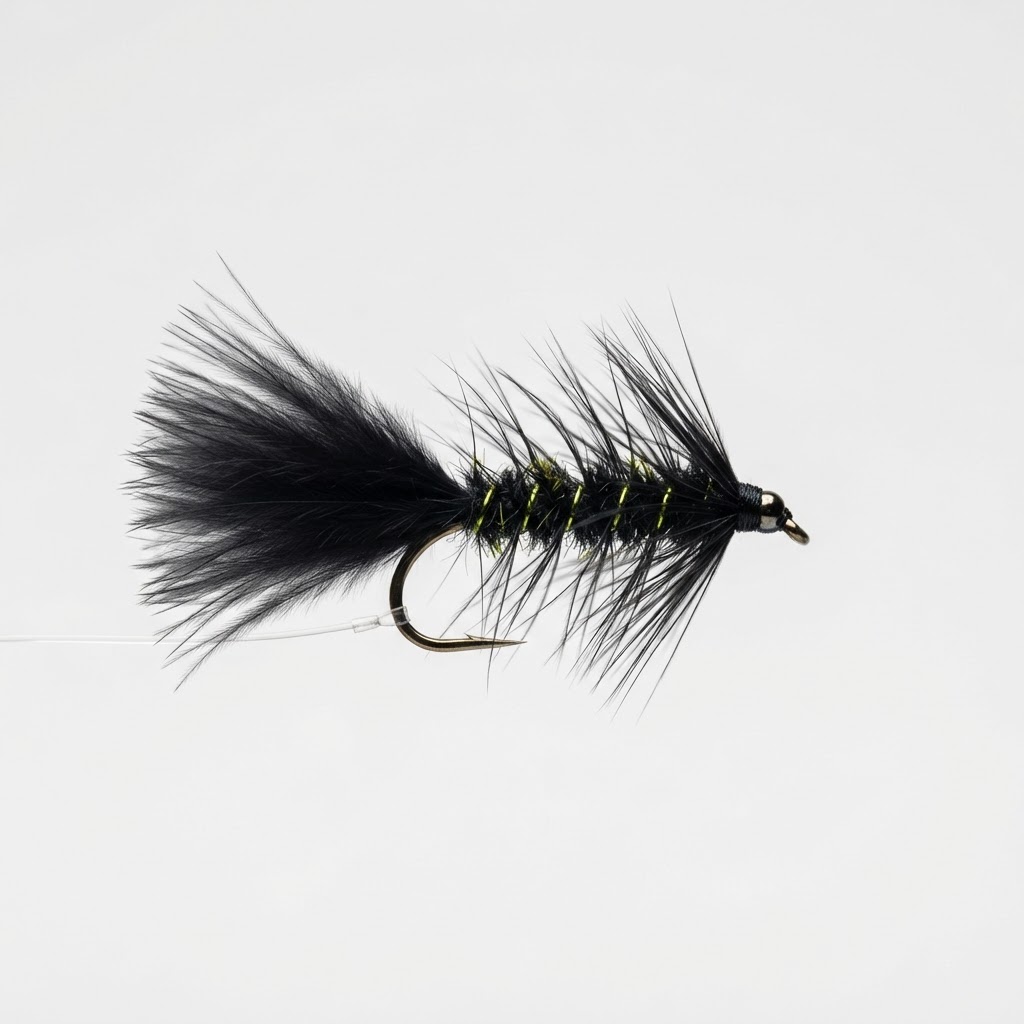 Flies
FliesWoolly Bugger
The most versatile fly ever tied.
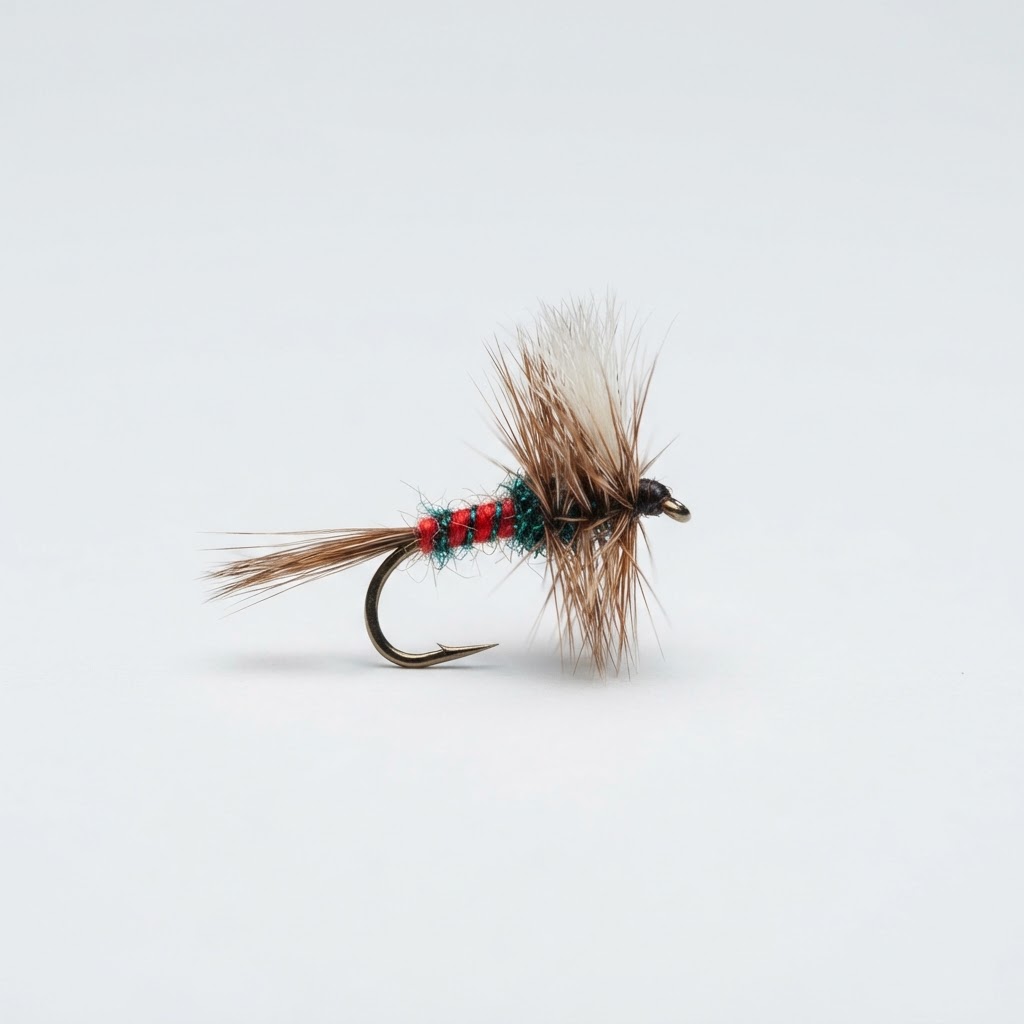 Flies
FliesDry Fly
Match the hatch for surface-feeding trout.
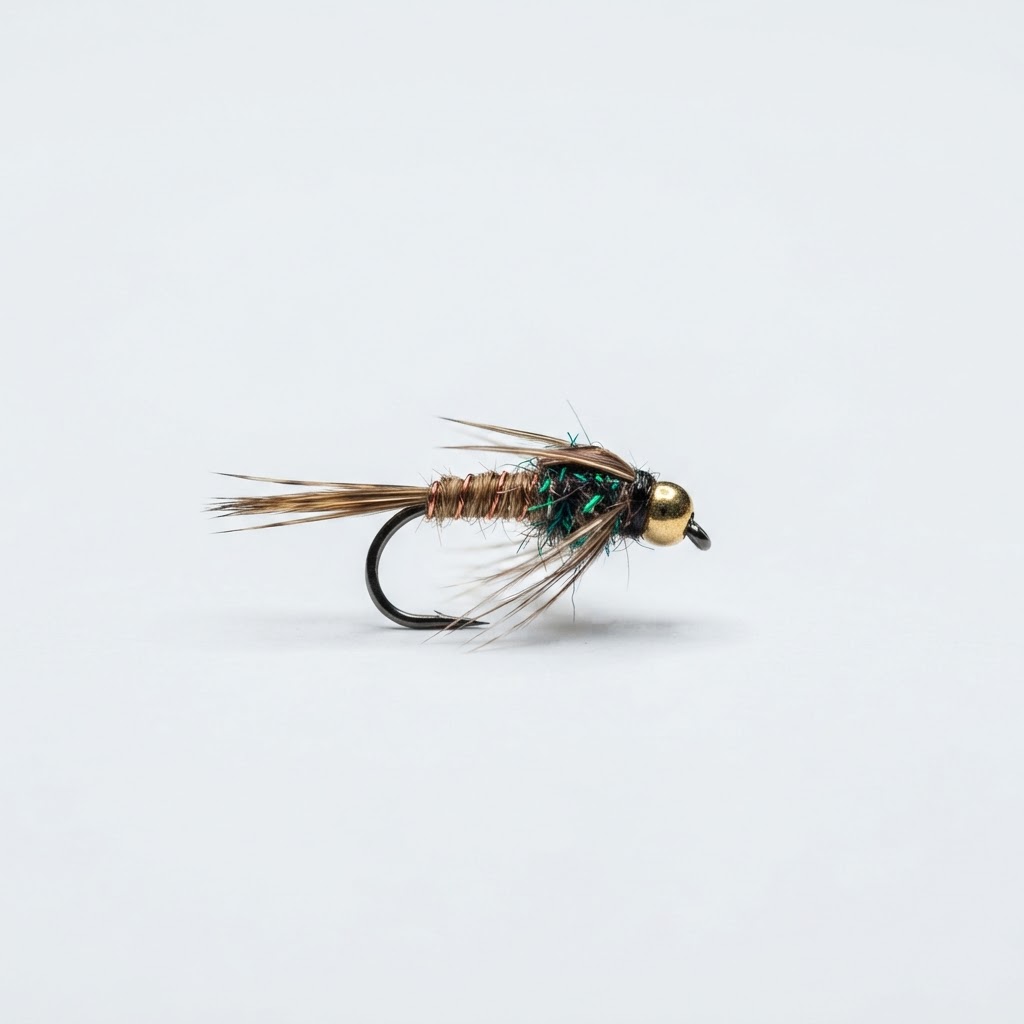 Flies
FliesNymph Fly
Subsurface trout food, drifted deep.
Rigs From The Library For Brook Trout
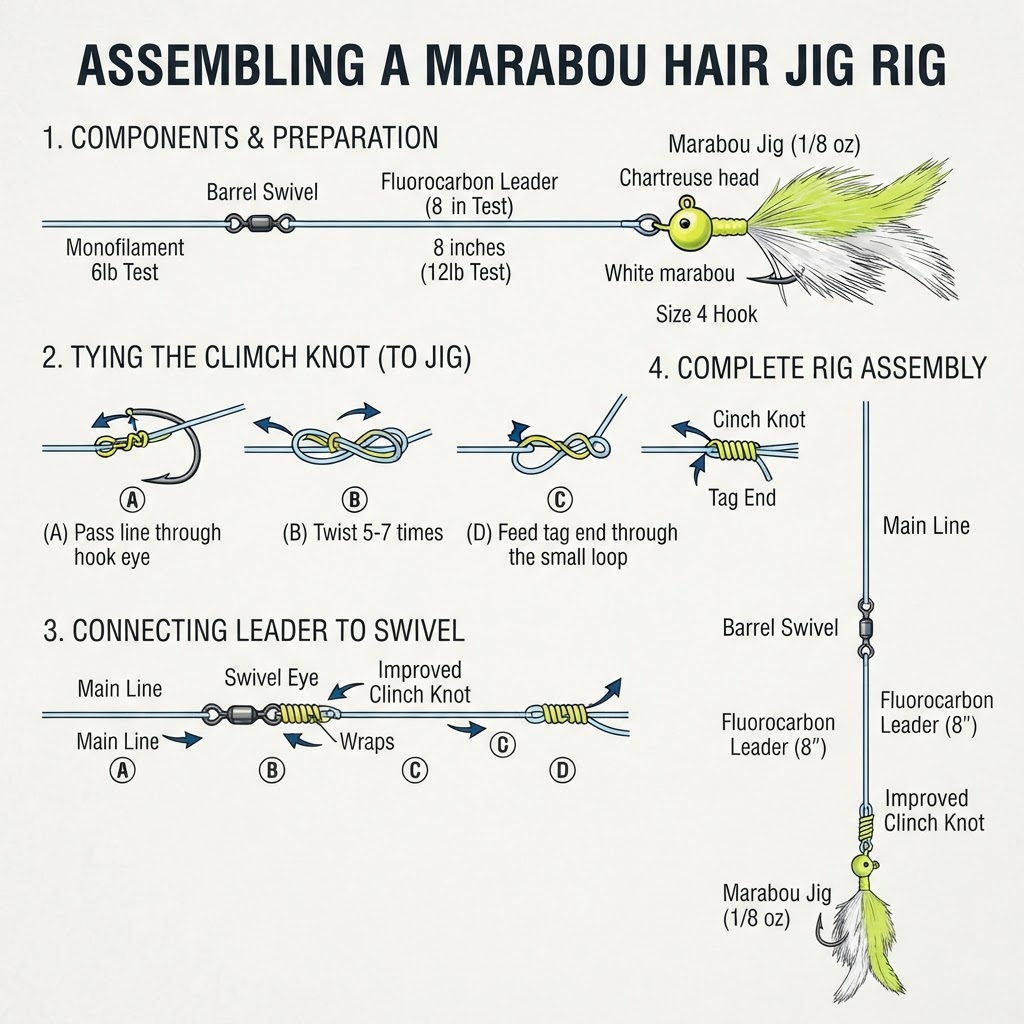 0-20 ft
Marabou Hair Jig
The ultimate finesse presentation that breathes and undulates to trigger strikes from even the most lethargic, cold-water predators.
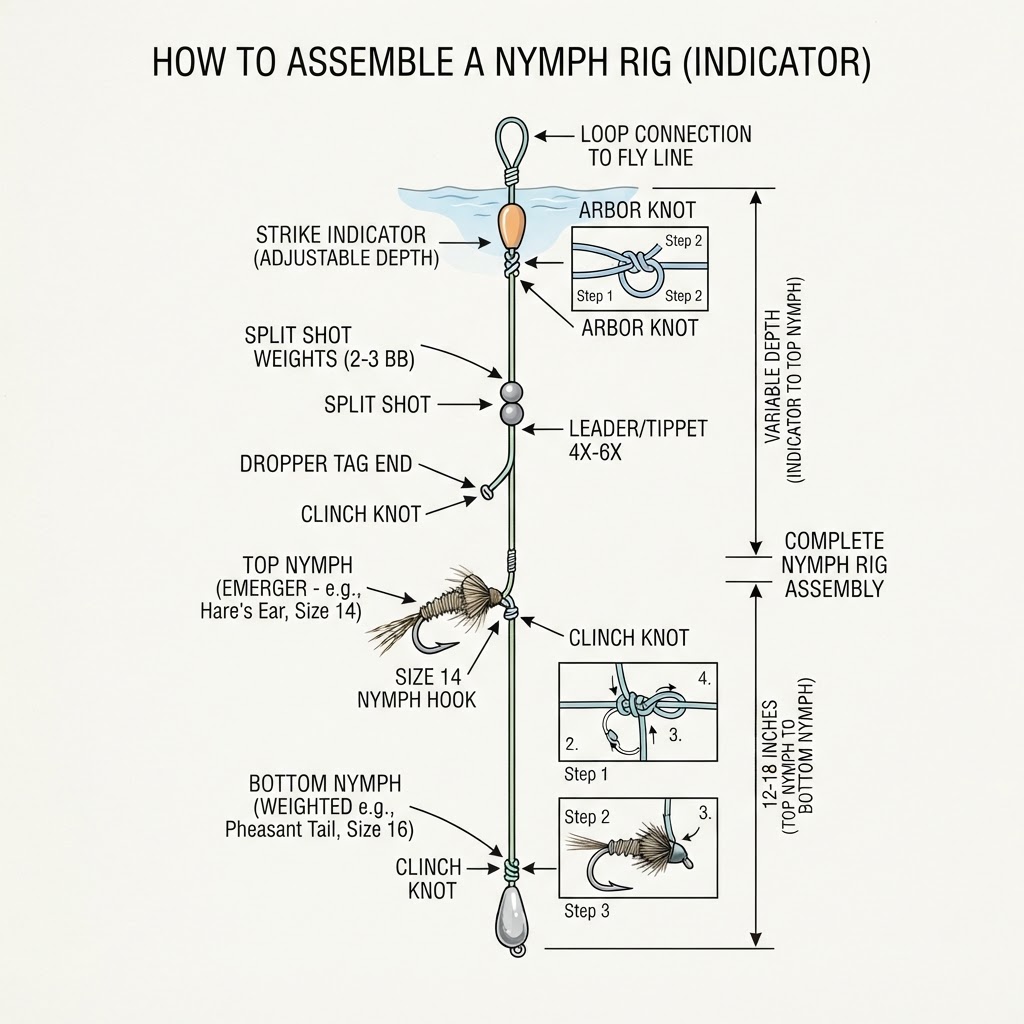 1-8 ft
Nymph Rig (Indicator)
The ultimate precision delivery system for suspending tiny natural imitations directly in the trout's primary feeding zone.
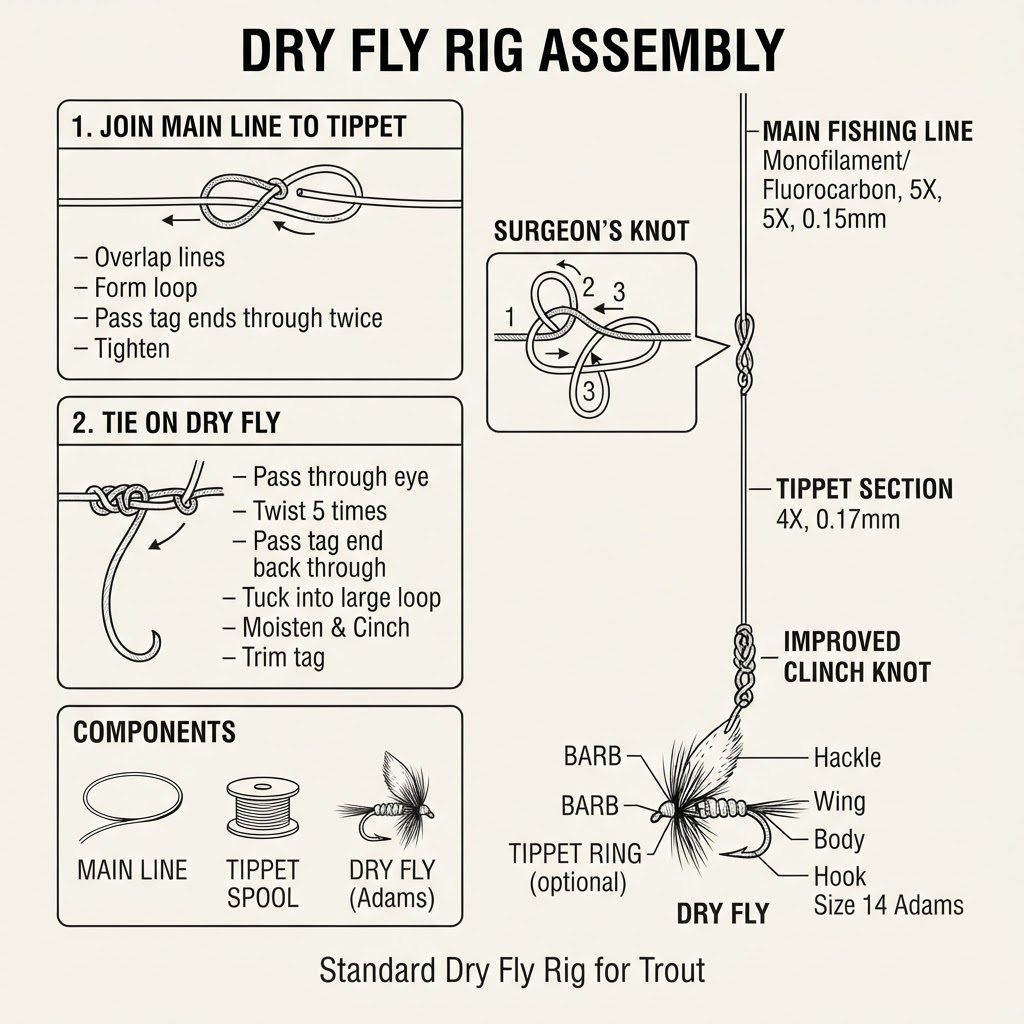 Surface
Dry Fly Rig
The ultimate stealth presentation for selective trout rising to surface insects in flowing water.
Catch more brook trout — free
Create a free account and unlock the full angling toolkit:
Latest from the Community

Trail Cam
Whitetail doe
Admin Josh · 3d ago

Posted
Ready For My Extended Archery Deer Hunt
Richard Taggart · 3d ago

Trail Cam
Untitled
Jagger Feazel · 3d ago

Posted
Venison Burgers
Richard Taggart · 4d ago

Trophy
Throwback to 2010
Jeffrey Cote · 4d ago

Posted
Last Day of the Archery Elk Hunt
Richard Taggart · 5d ago