The Minimalist’s Arsenal: Curating a Tackle Box That Does It All
The Trap of Tackle Overload
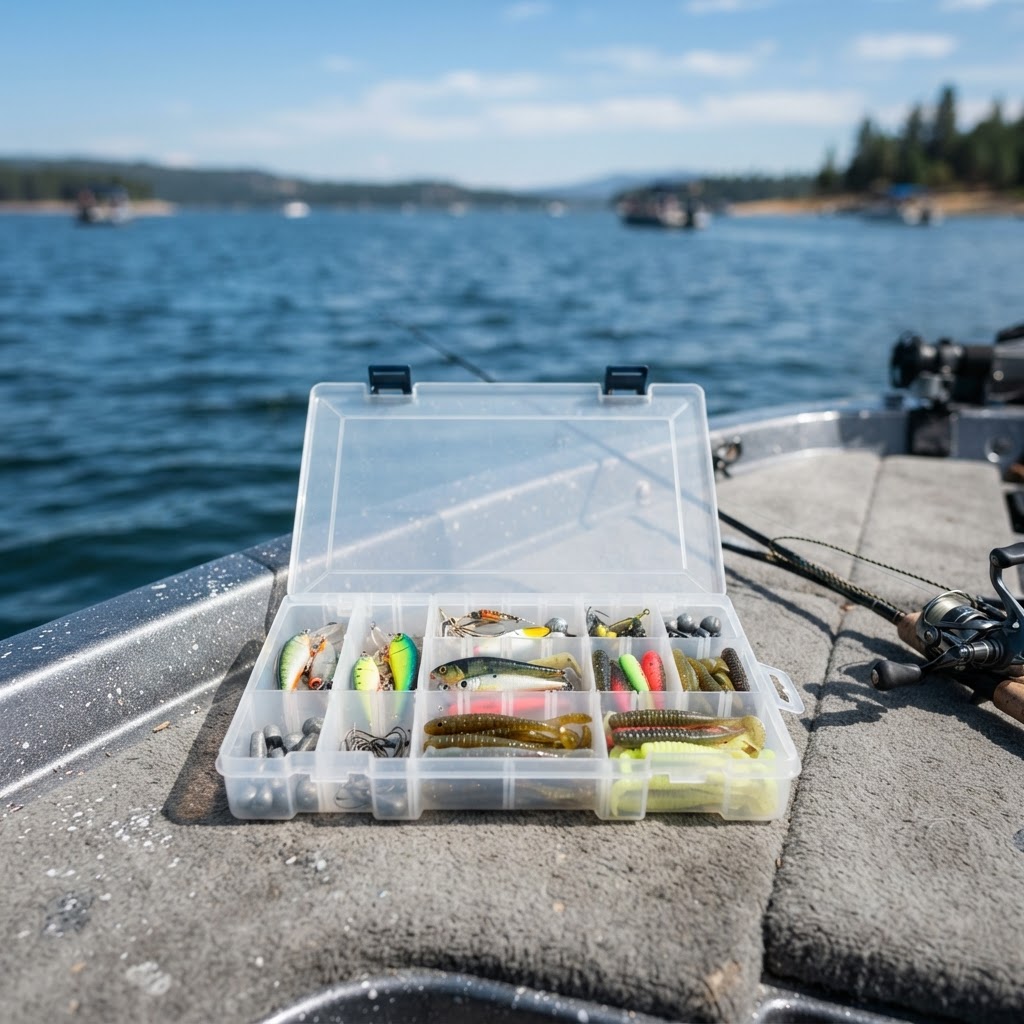
Every angler reaches a point where they realize their tackle bag weighs more than their outboard motor. We have all been there: lugging three massive utility boxes filled with specialized lures, only to realize that 90% of what we brought isn't suited for the water conditions. At Buckeye Hunter Hub, we believe that the secret to consistent success isn't owning every color and size of bait ever manufactured; it is about building a versatile core kit that works across multiple species and water types.
Get in the Community feed
Hunters and anglers nationwide posting bucks, catches, trail cam pics and what's working right now.


Define Your Primary Targets
Before you buy another piece of plastic, identify the three most common species you pursue. A versatile tackle box for a pond-hopping bass angler looks vastly different from a setup designed for coastal wade fishing. If you mostly chase freshwater gamefish, your foundation should consist of three main categories: topwater, subsurface search baits, and finesse presentations. By focusing on these, you ensure that no matter the mood of the fish, you have a tool to trigger a bite. If you are unsure where to start, check our to see what species are most active in your region.
The Three Pillars of Versatility
To build a box that covers the widest range of scenarios, prioritize these categories:
Raise a safe, confident young hunter.
Guide your kids ages 5–17 through interactive hunting safety missions, real decision drills, and earned trophies — all from one free parent account.


1. The Search Baits
You need baits that help you cover water quickly to locate active fish. For bass and pike, a chatterbait or a high-quality spinnerbait is indispensable. These lures create significant vibration and flash, triggering reaction strikes from aggressive fish. They work in stained or muddy water where visual predators struggle to find prey.
2. The Finesse Options
When the bite gets tough or the water turns crystal clear, you need to downsize. A selection of soft plastics like Senkos, flukes, and creature baits, paired with a variety of tungsten weights and offset hooks, is the most versatile setup you can own. Whether you are dragging them on the bottom or pitching them into heavy cover, these soft plastics are universal game-changers. For those looking to see what the locals are catching, our often features anglers using these exact setups.
3. The Hard Baits
Keep a handful of jerkbaits and shallow-running crankbaits. Jerkbaits are essential during the pre-spawn or late fall, while crankbaits allow you to bounce off rocks and wood to mimic fleeing baitfish.
Making the Tradeoffs
Versatility always involves a trade-off between weight and options. If you pack for every possible contingency, you end up with a cluttered, unorganized bag. Instead, adopt a modular system. Use small, clear utility trays categorized by technique rather than species. If you are heading out for a day of scouting new water, use our to determine the depth and structure of the area, then pack only the two trays that match those specific conditions. This keeps your weight down and your focus sharp.
Budgeting for Quality Over Quantity
It is tempting to fill your tackle box with dozens of cheap lures, but you are better off buying five high-quality baits than twenty bargain-bin options. A cheap crankbait often fails to run true or has dull hooks that result in lost fish. Invest your money in tungsten weights, sharp hooks, and high-quality swivels. These are the components that actually connect you to the fish. When you need advice on local regulations or specialized gear for specific state records, the U.S. Fish and Wildlife Service website is a great resource for identifying management practices that might affect your tackle choices.
Managing Your Gear for Longevity
Building a versatile tackle box isn't a one-time event; it is an ongoing process of refinement. At the end of every season, go through your boxes and remove the rusted hooks and torn plastics. If a lure hasn't seen the water in two full seasons, it doesn't deserve a place in your limited storage space. By consistently cycling out gear that doesn't work for you, you ensure that every item in your bag has earned its spot.
Remember, your confidence is the most important piece of gear. When you carry a compact, well-organized kit that you know how to use, you spend less time digging for the 'perfect' lure and more time fishing. If you want to dive deeper into specific tactics or learn more about seasonal changes, keep checking for our latest gear breakdowns and expert interviews. A versatile tackle box is the cornerstone of a successful angling life—keep it light, keep it organized, and get out on the water.
Catch more these fish — free
Create a free account and unlock the full angling toolkit: