The Foundational Connection: Essential Terminal Tackle for New Anglers
Building Your First Terminal Tackle Kit
For a new angler, the sheer volume of hooks, weights, swivels, and beads in a big-box store aisle is enough to cause decision paralysis. Many beginners fall into the trap of overbuying expensive, niche lures while neglecting the humble pieces of metal and plastic that actually keep a fish on the line. At Buckeye Hunter Hub, we believe that success starts with the fundamentals. Mastering the "business end" of your line is the most cost-effective way to put more fish in the net.
Get in the Community feed
Hunters and anglers nationwide posting bucks, catches, trail cam pics and what's working right now.


The Hook: Quality Over Quantity
Your hook is the most important component of your entire setup. If it is dull or improperly sized for the bait, you lose the battle before it starts. For beginners, start by stocking a variety of offset worm hooks (size 1/0 to 3/0) and standard Aberdeen hooks (size 4 to 8) for smaller panfish.
Trade-offs are inevitable: cheaper hooks often come in bulk but lack the sharp, needle-point finish of premium brands. While bulk packs are great for learning, keep at least one pack of high-quality, chemically sharpened hooks for days when the fish are short-striking or you need a reliable set. You can check your local to see if there are specific regulations on hook types, such as barbless requirements in certain trout waters.
Sinkers and Weights: Controlling the Descent
Raise a safe, confident young hunter.
Guide your kids ages 5–17 through interactive hunting safety missions, real decision drills, and earned trophies — all from one free parent account.
Bonus: every $10 you spend in the BHH shop earns a free seat (up to 5). Use them or share them.




Don't buy a massive bucket of mixed weights. Instead, focus on two categories: split shot and bullet weights. Split shot are essential for fine-tuning your presentation. They are easy to crimp on and off, allowing you to quickly adjust your depth.
Bullet weights are the bread and butter of soft plastic fishing. A 1/8 ounce and a 1/4 ounce tungsten weight will cover most shallow-to-mid-depth scenarios. While lead is the traditional and cheaper choice, tungsten has become the industry standard because it is denser, allowing for a smaller profile and greater sensitivity. Yes, tungsten is more expensive, but the feel of the bottom is significantly improved, which helps you identify structure and bites faster.
Swivels and Snaps: The Efficiency Multiplier
For beginners, time spent re-tying knots is time away from fishing. Snap-swivels are a controversial topic in the angling community; purists often despise them for their visibility and potential to spook fish. However, for a beginner learning different baits, a high-quality snap swivel allows you to swap lures in seconds.
We recommend using small, black-matte finish snaps to minimize glare. Avoid the "over-sized" hardware often found in starter kits, as heavy metal hardware ruins the action of small lures. If you are ever unsure about whether your setup is balanced for the current conditions, use our to look at the water depth and clarity, then decide if a heavy swivel is appropriate for the target species.
Storing and Organizing Your Gear
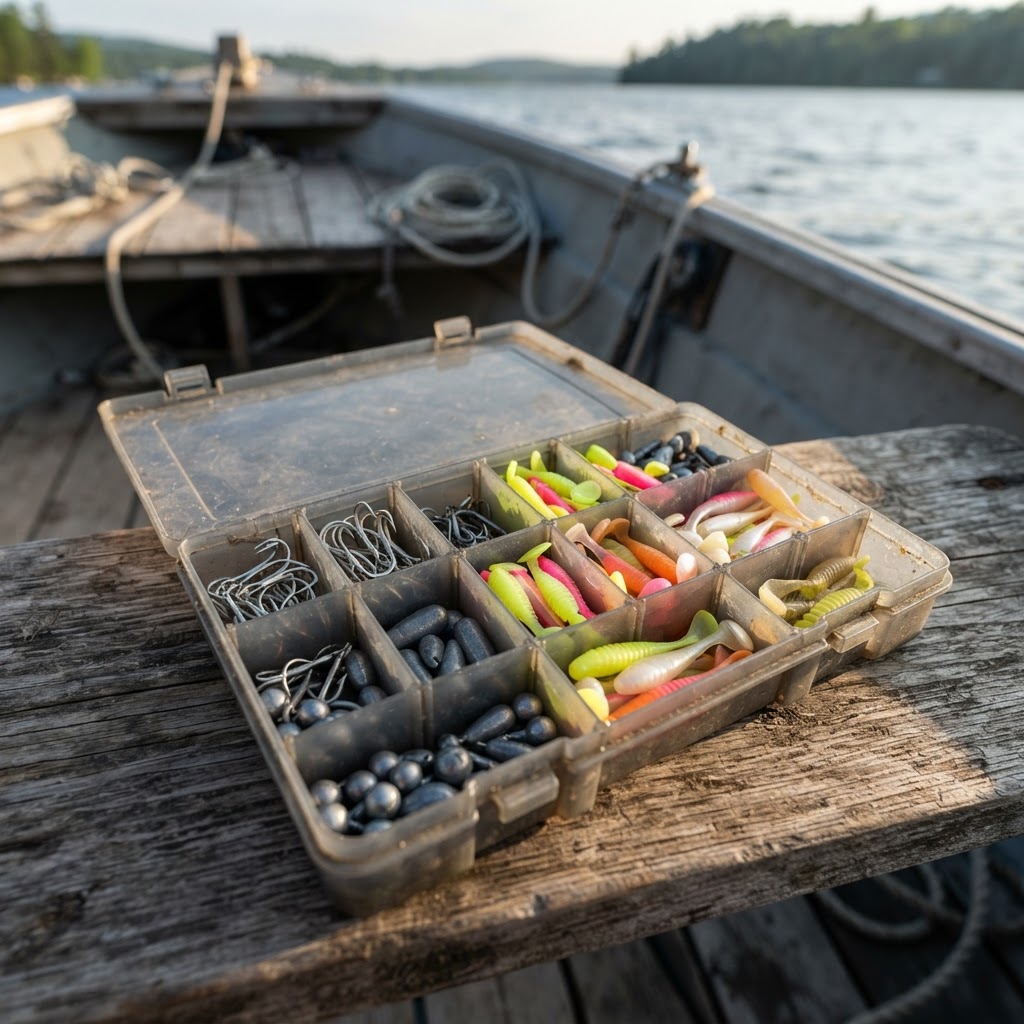
Organizing your terminal tackle is just as important as buying it. A disorganized tackle box often leads to rust, as moisture gets trapped in compartments filled with stray hooks and sinkers. Use clear, plastic utility boxes with adjustable dividers. Keep your hooks separated by size and your weights in their own dedicated box. A little bit of silicone spray or a rust-prevention tab in your utility box can extend the life of your hardware significantly.
Balancing Budget and Performance
It is tempting to grab the cheapest items on the rack, but terminal tackle is a "pay for quality" category. A rusted or straightened hook is a heartbreak you can avoid. Spend your budget on hooks and lines, then save money by buying bulk soft plastics or generic floats. If you feel like your gear selection is getting too complicated, head over to for more insights on simplifying your approach. Remember, every state has its own guidelines, so always verify your local rules via the U.S. Fish and Wildlife Service before heading out to a new body of water.
Final Thoughts for the Water
Start small. You don't need five different types of swivels or a dozen varieties of weights. A core kit consisting of 2/0 EWG hooks, a handful of split shots, a few bullet weights, and a quality pair of needle-nose pliers will serve you better than a suitcase full of gadgets you don't know how to use. Focus on learning how these tools interact with the environment, and you will find your confidence growing with every outing. When you do land that first trophy with your new setup, don't forget to share the excitement on our . Tight lines!
Catch more these fish — free
Create a free account and unlock the full angling toolkit: